Hunting Standing Cover Left After Harvest
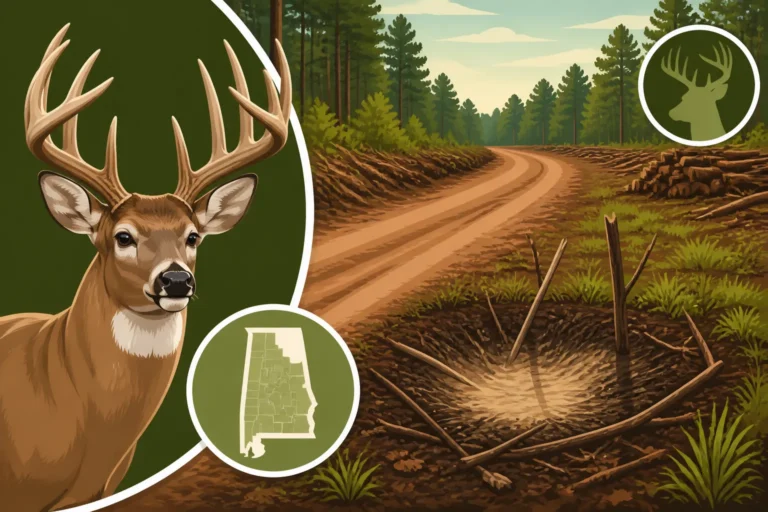
As the calendar turns towards the colder, later months of Alabama's lengthy deer season, many hunters find themselves facing a frustrating reality: the lush fields and thick foliage that once provided ample cover and food are now barren. The woods often feel empty, stripped bare by falling leaves and harvesting equipment. But don't despair! Deer are still out there, and they're concentrating in the few remaining pockets of standing cover. This guide will delve deep into how you can pinpoint, understand, and effectively hunt these crucial late-season hideouts after the crops have been cut and the woods have thinned.
The Late-Season Cover Conundrum and Why It Matters
It’s a tale as old as time for Alabama deer hunters: early season, bucks are cruising through green fields, does are browsing in the hardwoods, and everything feels abundant. Then, the combines roll, the leaves drop, and suddenly, your familiar hunting grounds look like a completely different landscape. This dramatic shift is often where many hunters throw in the towel, assuming the deer have just vanished. But they haven't; they've simply adapted, making the few remaining areas of security and sustenance absolute magnets.
Why Standing Cover Becomes a Deer Magnet
Imagine you're a deer in late December or January. The once-towering cornfields are now stubble, the bean fields are bare dirt, and the hardwood leaves that offered perfect concealment are rustling underfoot. Where do you go when everything else has disappeared? You seek out the densest, most protected pockets of cover that still remain. These aren't just random spots; they're critical sanctuaries offering both physical concealment from hunters and predators, and often, residual food sources or thermal protection from the elements.
This concentration effect is what makes hunting standing cover so effective late in the season. Instead of deer being spread out across thousands of acres, they are now funneled into much smaller, more defined areas. The less available cover there is across the broader landscape, the more intensely deer will utilize the remaining patches. These areas become de facto "safe zones" where deer feel secure enough to bed down, move cautiously, and even feed, especially during daylight hours when hunting pressure is highest. It’s a survival instinct that we, as hunters, can learn to exploit.
Reading the Landscape After the Combine Rolls
Identifying these critical areas of standing cover isn't always obvious from a truck window. It requires a keen eye, good scouting habits, and often, modern mapping tools. The first step is to shift your perspective. Instead of looking for where deer were feeding or traveling earlier in the season, you need to ask yourself: "Where would I hide if I were a deer and everything around me was gone?"
Start with aerial maps. Tools like GoHunt, onX Hunt, or even the Outdoor Alabama App can be invaluable. Look for contrasting vegetation patterns within or adjacent to harvested agricultural fields. Are there unharvested corners? Areas where machinery couldn't reach? Dense fence rows that have grown into thickets? Creek bottoms or drainage ditches that retain more evergreen vegetation or dense briars? These visual cues on a map are often the first sign of a late-season deer haven. Beyond maps, physical scouting after the harvest is crucial. Walk the edges of fields, not just looking for tracks, but for the actual types of cover that are holding up against the winter. Pay attention to how the wind and thermals might affect deer movement in and out of these pockets.
Types of Standing Cover to Target
While the term "standing cover" might conjure images of towering pines or dense swamps, in the late season, it takes on a much broader meaning, often encompassing areas you might have overlooked earlier in the year. The key is to find anything that offers deer security and a break from the elements.
Leftover Agricultural Crops
When we talk about hunting standing cover left after harvest, agricultural fields are often the first place to look. Even if a farmer has done a thorough job, there are almost always forgotten pockets or less-desirable sections that get left behind.
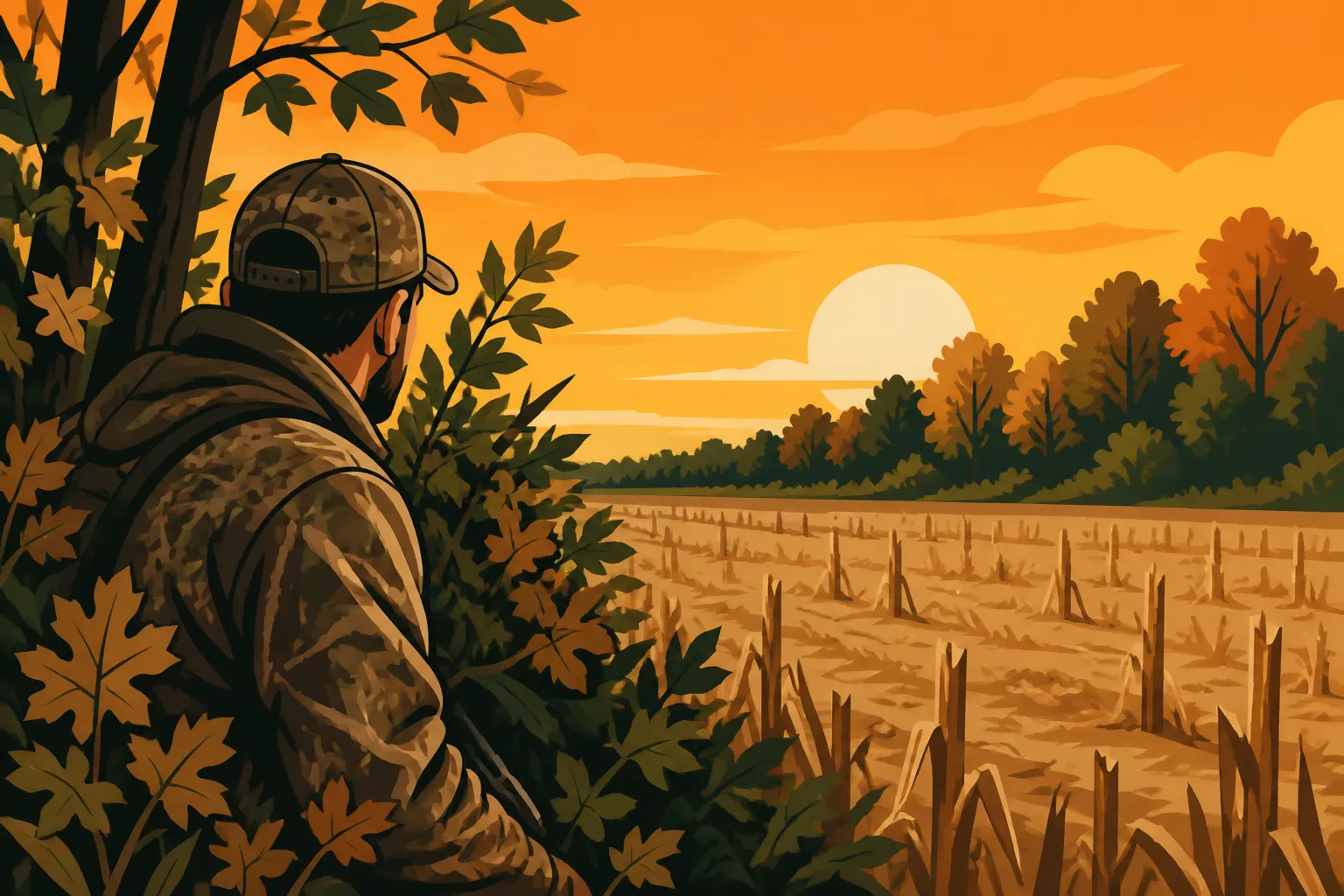
Consider crops like cotton. While not typically a deer food, a standing cotton field provides incredible visual obstruction, and deer will absolutely bed down in it. The thick, stalky plants offer great concealment. Likewise, sometimes a section of a soybean field might be too wet to harvest, or a small corner might be overlooked by the combine. These forgotten patches can be goldmines, offering both remaining beans for food and crucial cover. Even corn stubble, though not "standing" in the traditional sense, can provide a surprising amount of visual break-up and a place for deer to lie down and feel less exposed, especially if it’s adjacent to a thicker wood line. When Hunting Standing Cotton for Late Deer, focus on the edges where it meets natural cover, as deer will often stage there before entering or exiting.
Natural Thickets and Riparian Zones
Beyond the cultivated fields, natural thickets and riparian (river or creek) zones become absolutely vital when everything else goes bare. These areas are often overlooked by hunters who prefer open timber, but they are late-season sanctuaries.
Dense creek bottoms are prime examples. They often retain more evergreen vegetation, like privet hedge, honeysuckle, or small pines, providing consistent cover. More importantly, they frequently hold water sources and can create natural funnels for deer movement, making them ideal ambush points. Working River Cane Thickets for Deer is another excellent strategy. These incredibly dense areas, common in many Alabama river systems, offer impenetrable cover where deer can feel completely safe, often bedding down deep within them. Regenerating clear-cuts, particularly those that are 3-7 years old, can also be perfect standing cover. The dense saplings and briars create an almost impassable maze for humans but provide excellent bedding and browsing for deer. These areas offer both great concealment and often a buffet of new growth for deer to munch on.
Overlooked Man-Made Cover
Sometimes, the best late-season cover isn't natural at all, but rather the result of human activity that has then been left to grow wild. These spots often fly under the radar of most hunters.
Think about old fence rows that have been neglected for years. What started as a simple boundary line can, over decades, grow into a dense ribbon of briars, small trees, and brush that provides an incredible travel corridor and bedding cover. Deer will use these as highways between larger blocks of timber or fields. Abandoned farm equipment, like old tractors or implements, left to rust in a field corner, can become completely overgrown with vines and briars, creating an artificial thicket that deer will use. Even old logging decks, where timber was once stacked, can often have dense regrowth around their edges, particularly if they're sunny and offer good browse. These are small, but potent pockets of cover that can hold a surprisingly high number of deer when other options are scarce.
Strategies for Hunting Standing Cover
Once you've identified these invaluable pockets of standing cover, the next step is developing a strategy to hunt them effectively. These areas often require a slightly different approach than hunting open timber or food plots.
Scouting and Entry Routes
Effective scouting is paramount when targeting standing cover. You can't just barge in; these spots are deer magnets precisely because they offer security. Use your mapping tools to identify not just the cover, but also potential entry and exit routes that minimize disturbance. This means finding routes that keep you out of sight and downwind, especially if you're hunting smaller, more isolated patches. Deer will be highly sensitive to pressure in these areas.
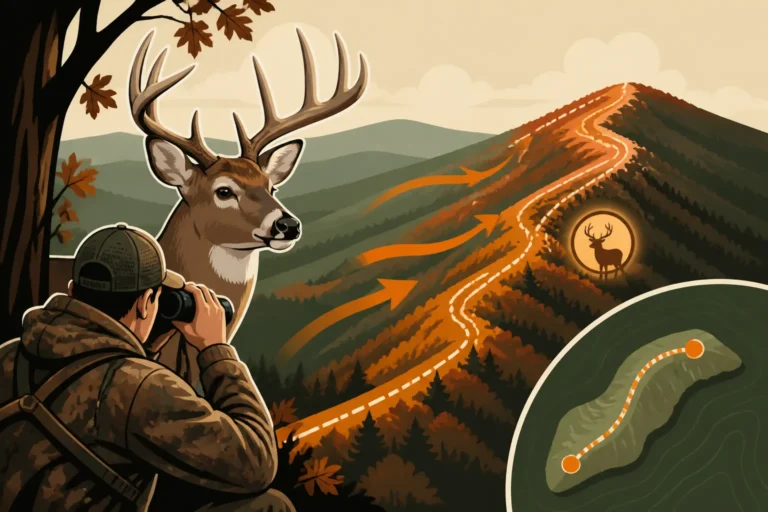
Before your hunt, observe the area from a distance with binoculars. Look for subtle deer trails leading into and out of the cover. Pay close attention to wind direction and thermals, as deer will almost certainly be using these to their advantage. For instance, if you're hunting a creek bottom, the thermals might pull your scent uphill in the morning and push it downhill in the afternoon. Tools like GoHunt allow you to mark specific points of interest, ideal stand locations, and planned entry/exit routes, helping you execute a quiet and precise approach. Remember, minimizing your footprint is key to success. A Warm-Weather Sitting Strategy in Alabama might be needed even in late season if temperatures are unseasonably high, and this means extra care with scent control and quiet movement.
Stand Placement and Ambush Tactics
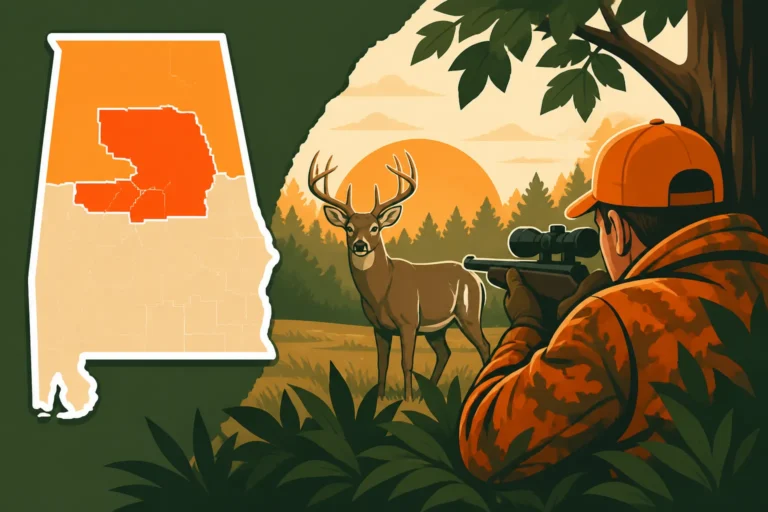
Where you place your stand (or ground blind) is critical for success in standing cover. Deer aren't likely to move far once they're inside these thickets during daylight. Your best bet is to intercept them as they enter, exit, or move along the edges. Look for funnels or pinch points where the cover narrows, forcing deer into a predictable path. A subtle saddle in a ridge leading into a dense thicket, or a narrow strip of cover between two harvested fields, are classic examples.
For really dense cover, a ground blind can be an excellent option. When Using a Ground Blind on Alabama Public Land, you can often get deeper into the cover without having to trim shooting lanes extensively, providing excellent concealment right where the deer are. Ensure your shot angles are clear, even if they are short. Deer in these areas often present close-range opportunities. Patience is a virtue here; deer may sit tight for hours before making a move, especially if they sense any disturbance. Sometimes, the most effective tactic is a strategic sit, knowing that the deer have to be in there somewhere.
Driving and Pushing Tactics (for groups)
For larger, more extensive areas of standing cover, especially on private land or specific public land units where allowed, small, organized drives or pushes can be incredibly effective, particularly if you have a group of Deer Drives With Three or Four Hunters. This isn't about running through the woods blindly; it's a strategic maneuver designed to gently nudge deer out of their bedding areas towards waiting standers.
Safety is the absolute priority here. Everyone involved must know their roles, wear blaze orange, and maintain clear communication. Typically, one or two "drivers" will slowly and quietly move through the densest part of the cover, walking with the wind if possible, while "standers" are positioned downwind or along likely escape routes. The goal is not to spook deer into a full sprint, but rather to make them feel uncomfortable enough to slowly move out. The standers need to be alert, ready for a quick shot, as deer will often slip out quietly rather than crashing through the brush. Focus on natural escape routes: field edges, creek beds, or low spots that offer a quick exit.
Comparing Standing Cover Types and Hunting Tactics
Here’s a quick overview of some common standing cover types and the best ways to approach them:
| Cover Type | Deer Appeal | Best Hunting Tactic |
|---|---|---|
| Standing Cotton/Soybeans | Extreme visual concealment, residual food | Ambush edges, elevated stands for visibility, quiet entry |
| River Cane Thickets | Impenetrable security, thermal cover, travel corridors | Still-hunting edges, strategic ground blinds, small drives |
| Creek Bottom Thickets | Water, thermal cover, dense browse, natural funnels | Ambush pinch points, follow fresh tracks, utilize thermals |
| Regenerating Clear-Cuts | Bedding, browse, escape routes | Observe travel lanes, hunt edges, small pushes with standers |
| Grown-Up Fence Rows | Travel corridors, linear bedding | Set up on cross-trails, ambush where they enter/exit fields |
| Overgrown Farm Equipment | Small, dense bedding spot, thermal cover | Treat as micro-thicket, quick ambush from downwind |
These late-season opportunities are often the most rewarding, proving that persistence and a willingness to adapt your strategy can pay off even when the woods seem empty.
Disclaimer
Always consult the latest Alabama Department of Conservation and Natural Resources (ADCNR) hunting regulations before heading afield. Hunting laws and regulations can change, and it is the hunter's responsibility to be aware of and comply with all current rules.