Hunting Small Woodlots Near Suburban Birmingham
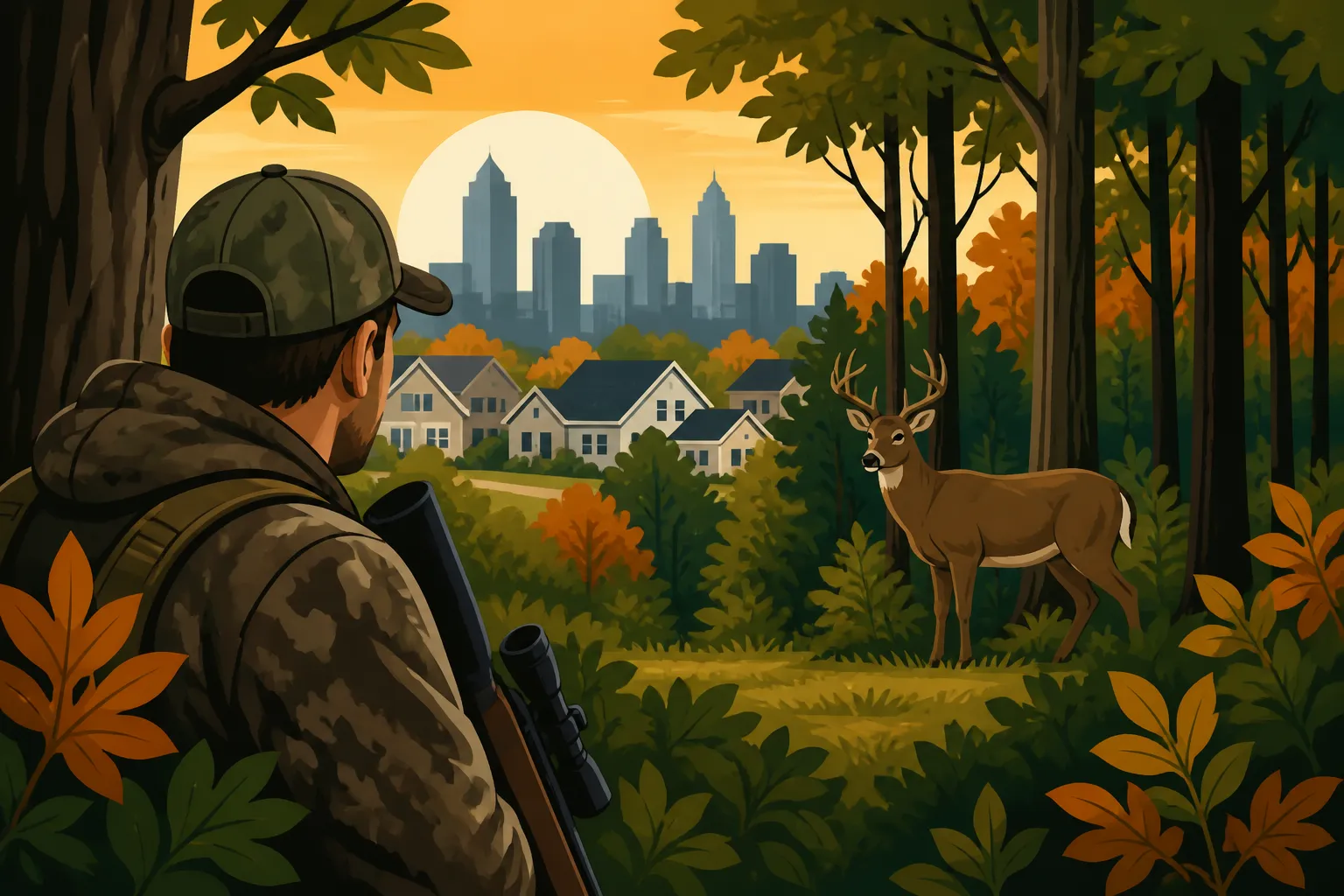
It can feel incredibly frustrating when you're itching to get out deer hunting in Alabama, but you don't have access to vast private land or the time to drive hours to a distant Wildlife Management Area. Many of us live right outside bustling areas like Birmingham, looking at small patches of woods surrounded by houses and wondering if there's any opportunity. This guide is here to tell you there absolutely is, and we'll dive deep into how you can effectively hunt those overlooked, smaller woodlots right near suburban Birmingham, turning seemingly impossible spots into productive deer hunting grounds.
Understanding the Suburban Deer Landscape Around Birmingham
Hunting around a major metropolitan area like Birmingham isn't like stepping into a remote national forest. The deer here are different, the habitat is fragmented, and the human element is ever-present. But once you understand this unique landscape, you'll start seeing opportunities where others only see subdivisions and traffic.
How Deer Adapt to Fragmented Habitat
Deer are incredibly adaptable creatures, and the ones living on the edges of Birmingham's suburbs are masters of survival. Instead of vast, unbroken forests, their world is a mosaic of small woodlots, creek bottoms, overgrown fencerows, powerline cuts, and even large, unkempt backyards. They learn to navigate these spaces, often using dense cover for bedding during the day and emerging at night to feed in gardens, ornamental plantings, or small, tucked-away green spaces. Their core survival strategy shifts from ranging widely to maximizing cover and food within a smaller, safer home range. This means that a buck might live his entire life within a few hundred acres, moving between a handful of small woodlots connected by thick riparian zones or brushy corridors. Their movement patterns become highly predictable once you understand their preferred travel routes and bedding areas within these fragmented landscapes.
Identifying Pressure Points Near Developed Areas
In suburban settings, "pressure" doesn't just come from other hunters; it comes from everywhere. Dogs off-leash, kids playing in backyards, joggers on trails, cars constantly on the roads – these all influence deer movement. The key is to find the pockets of cover that offer deer a sanctuary from this constant human activity. Think about natural funnels created by housing developments, thick briar patches that are too dense for casual hikers, or stream bottoms that provide a natural travel corridor away from human eyes. Deer will often "hole up" in these small, secure areas during daylight hours, only venturing out when they feel safe. Understanding these pressure points helps you anticipate deer movement and find spots where deer feel secure enough to bed down or stage before moving into more open areas. It's about looking for the quietest, nastiest piece of cover within an otherwise busy environment.
Promising Suburban Areas for Small Woodlots
While you won't find sprawling wilderness, several areas around Birmingham still offer those overlooked small woodlots where deer thrive. Think about the fringes of places like Chelsea, with its mix of older farms giving way to development, or the creek drains around Helena and Pelham. Even closer in, spots along the Cahaba River system that runs through Hoover and Vestavia Hills can contain surprisingly wild pockets. To the east, Trussville and Springville have areas where small timber tracts are still interspersed with residential growth. These are the kinds of places where a landowner might have a 5- to 20-acre patch of woods behind their house, or a small field corner that's become overgrown. Success often comes down to specific, small-scale opportunities, rather than broad regional generalizations. When you're Scouting With the Outdoor Alabama App, zoom in close to these transition zones to spot those hidden green spaces.
Scouting and Gaining Access to Small Woodlots
The biggest hurdle for hunting these small suburban woodlots isn't finding deer, it's finding the land and getting permission. This requires a different kind of scouting and a whole lot of social savvy.
Pinpointing Potential Spots with Digital Tools
Before you even knock on a door, start your "digital scouting" from home. Platforms like GoHunt or similar mapping apps with aerial and topo layers are your best friends. Look for green spaces that are bordered by development but seem to hold some continuous cover. Identify creek drainages, powerline corridors, or utility easements that often create natural funnels or travel routes for deer between larger blocks of habitat. Pay attention to small patches of hardwoods or overgrown thickets that might offer bedding. Don't overlook properties with older, unkempt barns or forgotten fields that have grown into prime deer cover. You're looking for fragmented pieces of the puzzle that, when connected, form a viable deer habitat. Being able to Read Aerial Photos for Piedmont Deer will give you a significant edge here, helping you visualize potential deer movement corridors before you even step foot on the ground.
The Crucial Art of Securing Permission
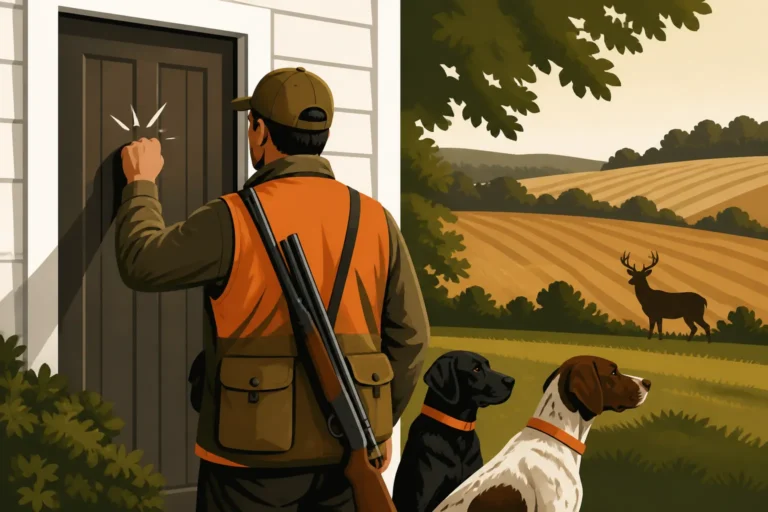
This is where the rubber meets the road. Simply driving up and knocking on doors without a plan is rarely effective. Start by identifying the landowner (property records are often public online). When you do make contact, be polite, respectful, and prepared. Dress neatly, not in camo. Explain why you're asking: you're looking for a quiet, safe place to hunt, you're a responsible hunter, and you're aware of the challenges of hunting near homes. Offer to help the landowner with small tasks, like clearing brush, helping with a garden, or even assisting with mild pest control (like squirrels or hogs, if present). Reassure them about safety, shot direction, and your commitment to minimal disturbance. Many landowners are receptive to responsible hunters, especially if deer are causing damage to landscaping or gardens. This approach is much more effective than just asking, "Can I hunt your land?" Remember, it's about building a relationship. For more detailed advice, check out Asking an Alabama Farmer for Permission.
Key Elements for Asking Permission:
| Aspect | Approach |
|---|---|
| Appearance | Dress in clean, casual clothes – no hunting camo. You want to look like a respectful neighbor, not a hunter immediately. |
| Timing | Choose a time when people are likely to be home and not rushed (e.g., late afternoon on a weekend, but avoid meal times). |
| Introduction | Briefly introduce yourself and where you live (if local). Immediately state your purpose: you're a deer hunter looking for a small piece of land. |
| Benefits Offered | Highlight what's in it for them: deer eating their landscaping, potential for meat, your responsible nature. Offer to help with chores or even just keep an eye on the property. |
| Safety Assurances | Crucially, address safety concerns upfront. Explain you'll only take safe shots, always away from houses, and know your backstop. Mention using archery or crossbows, which are generally perceived as safer than firearms in suburban settings. |
| Responsibility | Emphasize your respect for their property, your commitment to closing gates, not littering, and providing your contact information. Offer to share venison. |
| Written Permission | If they agree, always ask for Do You Need Written Permission in Alabama? to avoid misunderstandings with neighbors or other authorities. A simple note with dates, your name, and their signature is sufficient. |
What to Look for Once You Have Access
Once you've secured permission, your on-the-ground scouting can begin. Even small woodlots will have key features. Look for pinch points where deer are funneled through tight spots between thick cover and open areas or between houses. Identify escape routes – deer will have a preferred way to disappear quickly when pressured. Locate thick cover, especially briar thickets, cedars, or dense saplings, which are prime bedding areas. These provide security from predators (human or otherwise) and the elements. Also, scout for food sources, which could be anything from acorn-bearing oaks to honeysuckle patches, or even signs of deer browsing on suburban ornamentals. In a small woodlot, deer movement might be concentrated into very specific trails and crossing points, making these areas ideal for stand placement.
Tactics for Hunting High-Pressure, Small Woodlots
Hunting these smaller, high-pressure woodlots demands a stealthier, more calculated approach than vast public lands. Your presence needs to be minimal, and your tactics precise.
Low-Impact Entry and Exit Strategies
In a small woodlot, every step you take can alert deer to your presence. This means your entry and exit routes are paramount. Always plan your approach based on wind direction, making sure your scent isn't blowing into potential bedding or feeding areas. Consider how to use topography or thick cover to mask your movement and sound. Sometimes, a circuitous route that keeps you out of the direct line of sight from houses or main deer trails is best, even if it adds a few extra minutes to your walk. Entering and exiting quietly, in the dark if possible, will drastically reduce the chances of spooking deer. Think about using natural barriers like creek bottoms or fencerows to help obscure your movement. For insights on navigating terrain, consider strategies for Wind and Thermals on a Piedmont Ridge, adapting them to your specific small woodlot.
Strategic Stand Placement for Tight Spaces
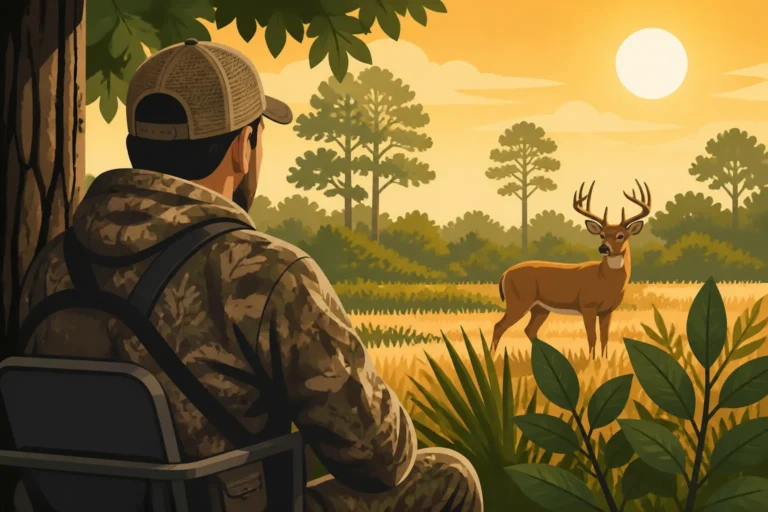
With limited space, your stand placement becomes critical. You're not looking for a spot that oversees acres of timber; you're looking for a precise ambush point. Focus on pinch points, funnels created by fences, property lines, or terrain features. Identify obvious escape routes that deer use to bolt from an area, and consider setting up where you can intercept them. Look for transitional cover – the edge where thick bedding cover meets slightly more open foraging areas. In these environments, an agile, mobile setup like a lightweight climbing stand or even a carefully brushed-in ground blind can be incredibly effective. For ideas on ground setups, check out Using a Ground Blind on Alabama Public Land. Your shot opportunities will likely be close and quick, so practice those angles.
Essential Gear for Minimal Disturbance Hunting
When hunting small woodlots near homes, keeping a low profile isn't just about stealth; it's about being a respectful neighbor. Your gear choices should reflect this.
Mobile and Quiet Stand Setups
Forget the giant, bulky ladder stands that take an hour to put up. In these tight, often temporary spots, you need mobility. A lightweight climbing stand, a compact hang-on stand with a set of easy-to-use climbing sticks, or even a good quality ground blind that can be quickly deployed and camouflaged are ideal. The less time you spend making noise and disturbing the area, the better. Consider a saddle hunting setup, which offers ultimate portability and a 360-degree shooting radius from a small platform. These setups allow you to move with deer patterns, adapting to new sign or changing wind conditions, which is crucial when deer movement is confined and pressure is high.
Scent Control is Paramount
Deer in these areas are highly attuned to human scent. They're used to some human smell from daily life, but concentrated hunter scent will send them packing. Invest heavily in scent control. This includes scent-free detergents for your hunting clothes, scent-eliminating sprays, and careful attention to showering with scent-free soap before a hunt. Store your hunting clothes in airtight containers or bags. Even more importantly, play the wind meticulously. No amount of spray can overcome poor wind discipline, especially in small areas where deer are constantly downwind of human activity. This often means having to pass on a morning hunt if the wind isn't perfect for your chosen setup.
Archery or Crossbow Preference
Given the proximity to homes and potential for close encounters, archery (including crossbows) is often the preferred and most accepted method for hunting small suburban woodlots. The shorter range and quieter nature of archery equipment significantly reduce safety concerns for landowners and neighbors, and it lessens the "impact" on the peaceful atmosphere of a residential area. Always confirm with the landowner what methods they are comfortable with. Many might grant archery permission but decline firearms, even during relevant Alabama gun seasons. For those considering crossbows, understanding Crossbow Rules During Alabama Archery Season is a must.
Timing Your Hunts for Maximum Opportunity
Deer movement in high-pressure, small woodlots can be different than in remote areas. While dawn and dusk are still prime, don't overlook other times.
Mid-Day Movement and Pressure
In suburban environments, deer often adapt to human activity by becoming more nocturnal. However, they also learn to exploit periods of reduced human presence. Mid-day can be surprisingly productive, especially if you've entered quietly and settled in before the morning rush of activity. Deer might move from a secluded bedding area to a hidden food source or simply shift within their dense cover during these quieter hours. This is especially true if you are Hunting Pressure on Alabama Public Land where other hunters typically exit midday, sometimes these deer are pushed onto private property into small hidden woodlots. Don't assume deer only move at the edges of the day; patience during mid-day can pay off, especially if other humans have temporarily retreated indoors.
Exploiting Post-Cold Front Conditions
A cold front pushing through Alabama can be a game-changer for deer movement, even in small woodlots. The sudden drop in temperature, especially after a period of warm weather, often spurs deer into increased activity as they feel the need to feed more heavily. This is when deer might be more likely to leave their secure cover during daylight hours. Focus on the first 24-48 hours after a significant cold front. The crisp air can also help carry scent less, giving you a slight advantage with scent control. For more on this, consider strategies related to Hunting Deer After a Cold Front.
Dealing with Unique Challenges of Urban-Edge Hunting
Hunting close to home comes with its own set of considerations beyond just finding and fooling deer. Being a good steward of the land and a respectful neighbor is part of the hunt.
Managing Noise and Distractions
The sounds of suburban life are unavoidable: lawnmowers, barking dogs, distant traffic. Deer living here are accustomed to it. Your goal isn't to eliminate these sounds, but to avoid adding new, alarming sounds. Move slowly and deliberately. If a dog barks, remain still. The deer will likely dismiss it as normal background noise. Focus on what you can control, like minimizing the sound of your gear clanking or leaves crunching underfoot during your approach. Sometimes, the constant background noise can even mask your own slight movements, so don't let it discourage you entirely.
Neighbor Relations and Public Perception
This is a big one. Even with permission, you're a visible hunter in a non-traditional hunting area. Be extremely mindful of public perception. Always transport your harvested deer out of sight if possible, or do it quickly and discreetly. Avoid displaying your harvest in a way that might alarm or offend non-hunting neighbors. Having an approved game cart or sled to quickly remove a deer can be invaluable. Being polite, tidy, and respectful goes a long way. This is not just about legality; it's about being a good ambassador for hunting. Your actions can influence whether future landowners grant permission to other hunters. Always ensure you have your Alabama Hunting Licenses and What They Cost readily available if anyone questions you.
Overcoming Recovery Challenges in Developed Areas
Tracking and recovering a deer in a suburban woodlot can be trickier than in wide-open country. You might face fences, property lines, or thick backyard landscaping. This is where meticulous shot placement and knowing your animal's reaction are crucial. If a deer crosses onto un-permitted property, do not pursue it without first gaining permission from that specific landowner. This is a non-negotiable legal and ethical boundary. If you can't get immediate permission, note the last known location, back out, and contact local authorities (Game and Fish wardens or sometimes local police depending on the area) for assistance. Having a good tracking dog (where legal) can be a lifesaver, but always check local ordinances and landowner comfort levels. Knowing your Alabama Deer Reporting Rules is also important once you've successfully recovered your harvest.
Safety First: Backstops and Shot Angles
This cannot be stressed enough: safety is paramount. When hunting near homes, you must have an absolute, positive identification of your target and a clear, safe backstop for every shot. This means knowing what is beyond your target. Never take a shot towards a house, road, or area where people might be present. Elevated stands can help by giving you a downward shot angle, reducing the risk of a pass-through bullet or arrow traveling long distances. Always consider your effective range, especially with archery equipment, and only take shots you are 100% confident in. Your responsibility as a hunter is magnified in these settings, ensuring that your pursuit of game does not endanger anyone or anything else.
Disclaimer
Hunting is an inherently dangerous activity. Always prioritize safety, adhere to all local, state, and federal regulations, and obtain proper permissions and licenses before hunting. This guide provides general information and should not replace professional safety training or legal advice.