Working a Fencerow for Late-Season Deer
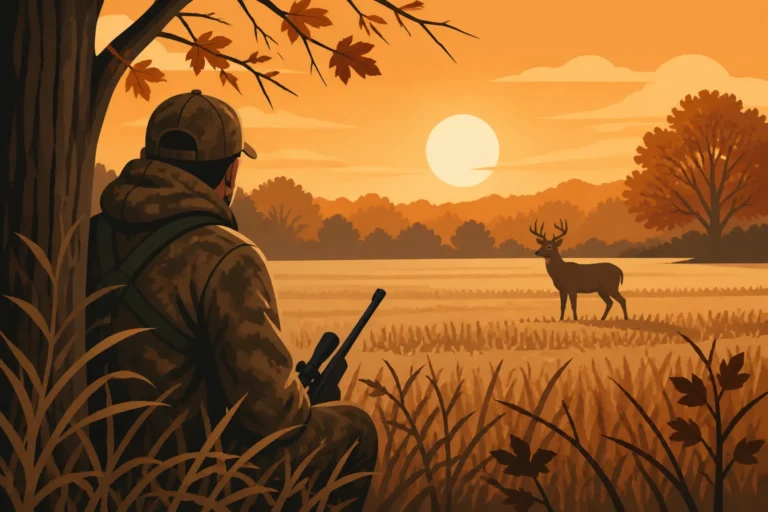
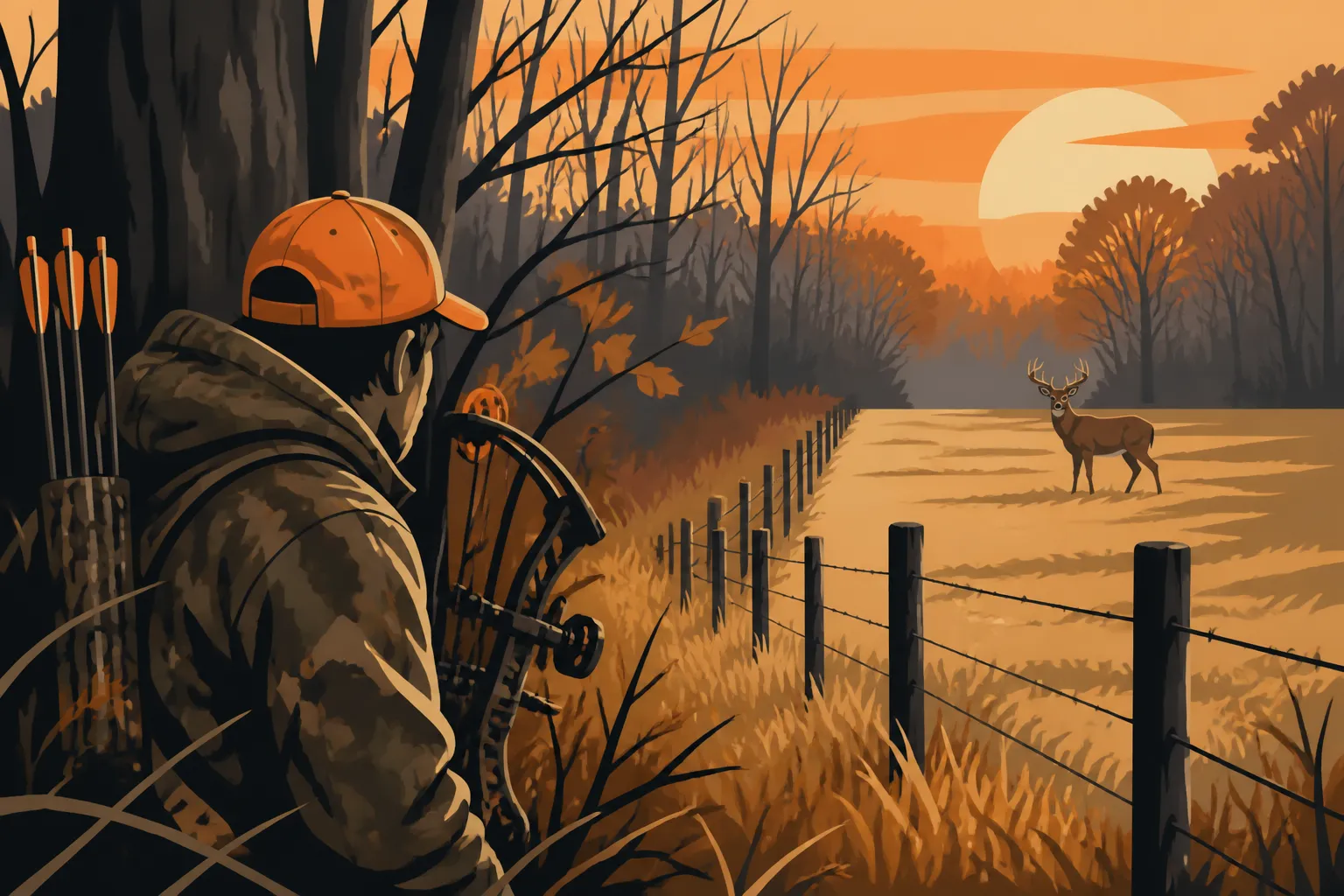
The late season in Alabama can feel like a whole different ballgame. The leaves are down, the woods are open, and those once-predictable deer seem to vanish into thin air, leaving you wondering if they've simply packed up and moved to another state. It's a common frustration, especially when the temperatures drop, and the easy food sources are long gone. This guide is here to help you unlock a secret weapon for those challenging final weeks: the humble fencerow. We'll dive deep into why these overlooked strips of cover can be absolute deer magnets and how you can effectively hunt them for late-season success.
Why Fencerows Are Late-Season Deer Magnets
When winter sets in across Alabama, deer change their behavior. They're no longer focused on the rut, but on survival – finding consistent food, seeking refuge from the cold, and conserving energy. Fencerows, particularly older, overgrown ones, become incredibly valuable assets in this late-season equation. They offer a unique combination of cover, thermal protection, and sometimes even a forgotten snack, making them a preferred travel and bedding corridor for weary whitetails.
Cover, Concealment, and Thermal Regulation
Think about it from a deer's perspective. After weeks of hunting pressure, they're looking for the thickest, nastiest cover they can find. An old fencerow isn't just a straight line; it's often a tangled mess of briars, honeysuckle, privet, young cedars, and sometimes even downed timber from past storms. This dense vegetation provides incredible visual cover, allowing deer to move with confidence, feeling shielded from predators – including us hunters.
Beyond visual concealment, these thickets offer crucial thermal regulation. On bitter cold mornings, those dense evergreens and tangled vines create a microclimate, buffering deer from biting winds and helping them retain body heat. Conversely, on a sunny but cold afternoon, the thick brush can offer a warmer spot to bed, absorbing sunlight. This makes fencerows ideal bedding sites, especially for mature bucks who are notoriously wary and seek out places where they can see danger approaching while remaining hidden. It's their personal fortress against the elements and human intrusion, which is why they cling to them so tightly.
Hidden Travel Corridors
Fencerows, by their very nature, connect different habitat types. They often run between a large timber block and a vast agricultural field, or perhaps between two distinct patches of woods separated by open pasture. For deer, these strips of cover act as natural travel corridors, allowing them to traverse open areas or move between bedding and feeding sites without exposing themselves. Imagine a buck needing to cross a wide-open field to get to a fresh food plot or a patch of acorns. He's not going to walk right out in the middle if there's a thick, winding fencerow offering a clandestine path.
These linear features serve as safe avenues, much like a subway tunnel for urban dwellers. Deer know they can stick to the cover, minimizing their risk of detection. This funneling effect can be incredibly advantageous for hunters. Instead of having to cover acres of open land, you can focus your efforts on these narrow bottlenecks, increasing your chances of intercepting a moving deer. Knowing that deer are using these specific lines can really help you pinpoint where to focus your efforts.
Residual Food Sources
While the prime acorn crops might be long gone, and most agricultural fields have been harvested, fencerows can still hold pockets of valuable late-season nutrition. Sometimes, old homesteads bordering fencerows might have forgotten fruit trees like persimmons or crabapples that still cling to a few shriveled fruits. More commonly, the sheer diversity of plant life within the fencerow itself can offer palatable browse that deer will nip at, especially if other options are scarce. Think of green briar tips, honeysuckle, or even the tender shoots of young cedar trees.
Additionally, if a fencerow borders a crop field, there's always a chance that some grain was missed by the combine during harvest. Corn, soybeans, or peanuts can spill over and become accessible, creating a mini-food plot right along the edge of the cover. These small, overlooked food opportunities, combined with the security cover, make fencerows incredibly appealing. Deer are constantly looking for the easiest meal that comes with the least risk, and these forgotten morsels nestled in the thicket fit that bill perfectly. When other food sources have dwindled, these subtle offerings can make all the difference in a deer's late-season diet. You might even find where deer have repeatedly foraged along these edges.
Reading the Sign and Scouting Fencerows
Successfully hunting fencerows in the late season isn't about simply showing up. It requires careful scouting, both from afar and with boots on the ground, to understand how deer are utilizing these linear features. The sign they leave behind, even subtle clues, can tell you a detailed story about their late-season movements and habits.
Pre-Season Aerial Scouting & On-the-Ground Recon
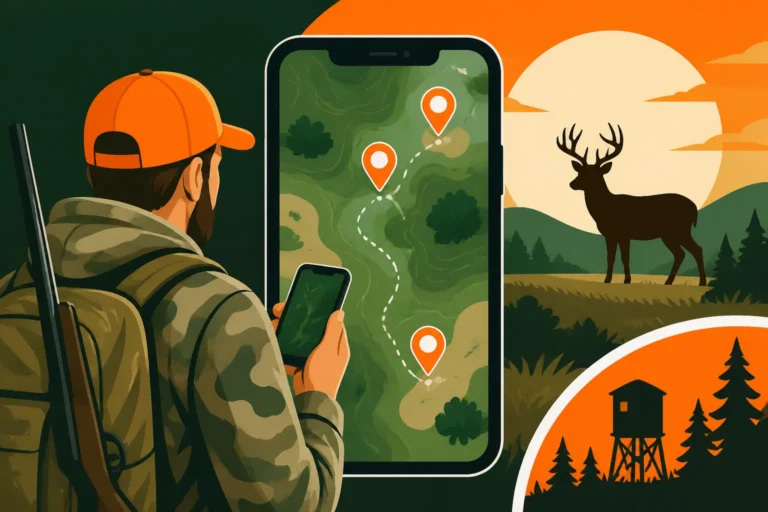
Before you even step foot in the woods, modern mapping tools are your best friend. Services like GoHunt allow you to zoom in on potential hunting areas and identify fencerows that might connect key habitat features. Look for fencerows that run between dense bedding cover (like a thick pine plantation or a mature hardwood bottom) and known late-season food sources (such as a standing soybean field, a winter wheat plot, or even a hard-to-reach acorn flat). Pay attention to any jogs, breaks, or thicker sections within the fencerow itself, as these often concentrate deer movement.
Once you've identified promising locations on your map, it's time for on-the-ground reconnaissance. This doesn't necessarily mean stomping through the fencerow during prime hunting hours. Instead, scout during mid-day or when conditions aren't ideal for hunting. Walk the edges of the fencerow, looking for entry and exit points into adjacent fields or woods. Use your knowledge of Reading Aerial Photos for Piedmont Deer to verify what you see from above. Consider how deer would move through this specific funnel. Don't be afraid to poke your head into the denser sections, but try to minimize your disturbance. Tools like the Outdoor Alabama App can also be invaluable for navigating property lines and identifying specific WMA boundaries if you're on public land, ensuring you're always where you're supposed to be.
Fresh Tracks, Rubs, and Scrapes
The sign deer leave behind is your primary source of intelligence. In the late season, fresh tracks are gold. Look for tracks entering and exiting the fencerow, especially where it meets a field edge or crosses a small ditch. Deer will use these lines consistently, and fresh tracks indicate current movement. Pay attention to the size of the tracks; larger tracks could indicate a mature buck is using the corridor.
While the peak of the rut is long over, you might still find rubs and scrapes, particularly in thicker sections of the fencerow or at strategic points along its length. These late-season rubs aren't about dominance as much as they are about exercise, marking territory, or just a buck getting an itch. A fresh rub, with wood shavings still light in color, tells you a buck was recently there. Scrapes may be less active, but a pawed-out spot with a still-damp licking branch indicates a deer checked in recently. These markers, even if sporadic, confirm that deer are actively using the fencerow as a travel route or a place to spend time.
Bedding Areas and Escape Routes
When scouting, try to identify specific bedding areas within or immediately adjacent to the fencerow. These are usually the densest, most protected pockets of cover. Look for flattened grass, matted leaves, or areas where the brush is pushed down. These spots are crucial because they tell you where deer are spending a significant portion of their day. If you find a heavily used bedding area, you know deer are living in that fencerow.
Equally important are the escape routes. If a deer beds in a fencerow and gets spooked, where will it go? They rarely run straight out into the open. Instead, they'll often follow the fencerow's cover for a distance, or they'll dart into the nearest thicket or patch of woods. Understanding these escape routes is vital for stand placement. You want to be positioned to intercept a deer before it gets to its escape route, or at least have a shot opportunity as it uses the fencerow to flee. When considering how to hunt Finding Ground Others Walk Past, fencerows often fit the bill because other hunters might overlook these linear strips, preferring larger timber blocks. But savvy late-season deer often prefer the security of these dense, narrow corridors.
Effective Hunting Strategies for Fencerows
Hunting fencerows effectively in the late season demands a nuanced approach, often requiring more patience and precision than early-season hunts. Deer are on high alert, and their patterns are often driven by survival instincts. Understanding how to approach these linear hotspots can make all the difference between a frustrating blank slate and a successful hunt.
Stand Placement and Wind Considerations
Proper stand placement is paramount when hunting fencerows. Because these features are often narrow, your scent and movement are easily detected. The first rule: always play the wind. Even a slight shift can ruin your hunt. You need to position your stand (whether it's a ladder stand, climber, or even a sturdy lock-on) in a spot where your scent will blow away from the primary deer travel path in the fencerow. Consider prevailing winds for your area, but always check real-time conditions before each hunt.
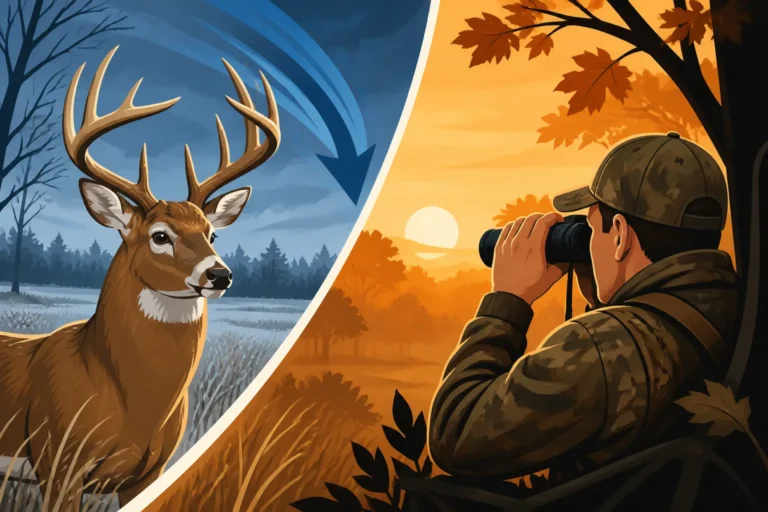
Look for bends, bottlenecks, or intersections where two fencerows meet, as these naturally funnel deer. A strategic position might be 15-20 yards off the fencerow, slightly inside the adjacent timber, giving you a wider view and allowing you to catch deer as they commit to entering or exiting the cover. Or, if the fencerow is exceptionally dense and you anticipate close-range shots, setting up right in it might be an option, but this increases your risk of detection. When thinking about Hunting Deer After a Cold Front, deer often move more, and a well-placed stand on a fencerow can be golden. Remember that deer are looking for an easy, safe path, and you want to be positioned to intercept them as they take it.
Timing Your Hunt
Late-season deer, especially wary bucks, are often most active during the low-light hours of dawn and dusk. These are the prime times to be in your stand overlooking a fencerow. Deer will use the fencerow to move from their bedding areas within the thicket or nearby timber to whatever sparse food sources are available in adjacent fields or woods, and vice-versa. You might find them coming out to feed on Late-Season Food Sources for Alabama Whitetails like a persistent patch of green or missed agricultural crops.
However, don't discount midday movement, especially if it's a particularly cold or stormy day. Deer might shift their bedding locations or move to browse within the security of the fencerow during the warmer parts of the day to conserve energy. This is where a slightly different approach, like still-hunting, comes into play. If you're hunting public land, be mindful of Alabama Public Land Hunting Hours to ensure you're always compliant. The Alabama deer season structure, as detailed in Alabama Deer Season Structure Explained, often allows for late-season hunting well into February in many zones, offering ample opportunity to refine these timing strategies.
Still-Hunting and Stalking Tactics
For longer, winding fencerows, or when you suspect deer are bedded inside, a slow, methodical still-hunt can be incredibly effective. This involves moving very slowly, pausing frequently, and scrutinizing every bit of cover for a flick of an ear or the horizontal line of a deer's back. Use the cover of the fencerow to your advantage, moving against the wind and trying to remain silent. It's a challenging tactic, as the dense vegetation can be noisy, but it allows you to cover more ground and potentially jump deer from their beds.
If you encounter fresh sign or believe deer are just ahead, consider a slow stalk. This requires extreme patience, stealth, and keen observation. If the fencerow is on public land during an Hunting the Antlered-Only Public Land Window, this approach could prove fruitful for a mature buck that has hunkered down deep in the security cover. You might also consider using a ground blind if the fencerow is wide enough and offers good concealment. Using a Ground Blind on Alabama Public Land can provide excellent cover and allows for more comfortable, longer sits, especially on those frigid late-season days. Remember, the goal is to surprise the deer, not to be seen or heard first. Sometimes, the best strategy is to be as much a part of the landscape as the fencerow itself.
Gear and Considerations for Fencerow Hunting
Hunting fencerows in the late season brings its own set of challenges, from navigating dense cover to dealing with colder temperatures. Having the right gear and understanding a few key considerations can significantly improve your comfort, effectiveness, and overall safety during these hunts.
Camouflage and Scent Control
In the close quarters of a fencerow, effective camouflage and meticulous scent control are absolutely non-negotiable. Deer can be right on top of you before you even know it, and any visual or olfactory mistake will send them scattering. For camouflage, opt for patterns that break up your silhouette effectively in a winter landscape, mimicking the grays, browns, and sparse greens of the late-season woods. If the fencerow contains a lot of cedar or pine, a pattern with darker greens might be beneficial.
Scent control is arguably even more critical. You're often dealing with narrow travel corridors where deer are literally walking within yards of your position. Shower with scent-eliminating soap, wash your hunting clothes in scent-free detergent, and store them in airtight containers. Use scent-eliminating sprays on your clothes, boots, and gear before heading into the field. GoHunt's detailed weather forecasts can help you predict wind direction more accurately, allowing you to choose stand locations that minimize scent dispersal. Even small efforts can make a big difference in fooling a mature whitetail's incredibly sensitive nose.
Choosing Your Weapon
The tangled, brushy nature of many Alabama fencerows influences weapon choice. While a rifle is certainly an option if you have clear lanes, you might find yourself with very limited shot opportunities in thick cover. For shorter, quicker shots common in dense fencerows, a shotgun with slugs, a muzzleloader, or a crossbow can be highly effective. A bowhunter needs to be acutely aware of potential limb interference and have a razor-sharp broadhead capable of cutting through any incidental brush before hitting the target. If you’re hunting during Alabama's extended archery season, as outlined in How Alabama's Archery Season Runs Into February, a crossbow can be a great choice for managing tight shooting lanes.
Regardless of your weapon, ensure you are intimately familiar with its capabilities and limitations in dense cover. Practice shooting at targets with small windows or through simulated brush to understand how projectiles are affected. Shot placement on a deer is always critical, but even more so when visibility is limited and the deer might be on the move in thick cover.
Navigating the Thicket
Moving through an old fencerow can be challenging. Expect to encounter briars, tangled vines, downed limbs, and uneven terrain. Durable clothing, particularly briar-proof pants or chaps, is highly recommended to protect against scratches and tears. Waterproof, sturdy boots with good ankle support are also essential for navigating potentially muddy, rocky, or uneven ground. You might even consider carrying a small folding saw or machete to clear a shooting lane or a path to your stand if necessary, but be mindful of disturbing the area too much.
A reliable GPS device or a smartphone app with detailed mapping, like GoHunt, is invaluable for navigating these features, especially if you're venturing into unfamiliar territory or hunting on public land where boundaries can be unclear. It can help you mark stand locations, track your movement, and ensure you don't get disoriented in the thick stuff. Don't forget a headlamp, even for daytime hunts, as retrieving a deer or packing out after dark can be surprisingly difficult in a dense fencerow. Being prepared for the physical demands of navigating these areas will make your hunt much more enjoyable and effective.
| Feature | Treestand (Ladder/Hang-on) | Ground Blind (Pop-up/Brushed-in) | Still-Hunting/Stalking |
|---|---|---|---|
| Visibility | Excellent (above brush) | Good (at deer level) | Variable (on the move) |
| Concealment | Good (if positioned well) | Excellent (blends into cover) | Challenging (requires skill) |
| Scent Control | Moderate (wind dispersion) | Excellent (contained) | Challenging (on the move) |
| Mobility | Low (fixed position) | Low (fixed position) | High (can cover ground) |
| Shot Angle | Downward, better penetration | Horizontal, brush interference possible | Variable, reactive |
| Setup Time | High (installing stand) | Moderate (brushing in) | Low (minimal setup) |
| Ideal Fencerow | Clear lanes, elevated observation | Dense cover, wide enough for setup | Long, winding, good cover |
| Late Season | Effective for travel routes, overlooking food | Great for bedding areas, close encounters | Best for active scouting, midday |
Disclaimer
Hunting is an inherently dangerous activity. Always prioritize safety, adhere to all Alabama hunting regulations, and ensure you have the necessary licenses and permits. Consult the Alabama Department of Conservation and Natural Resources (ADCNR) website or local authorities for the most up-to-date information on seasons, bag limits, and specific area rules. This guide provides general advice and should not replace professional instruction or local knowledge.