Field Dressing a Deer in Warm Weather
There's nothing quite like the thrill of taking down an Alabama whitetail, but when the mercury is still high, the clock starts ticking the moment that deer hits the ground. That warm, humid Alabama air can turn your prized venison into spoiled meat faster than you can say 'buck fever,' and dealing with it quickly and effectively is absolutely crucial to salvaging your harvest. This guide is all about equipping you with the knowledge and practical steps to field dress your deer efficiently and effectively, even when the thermometer is working against you, ensuring your venison makes it to the dinner table.
The Urgent Need for Speed in Warm Weather
Hunting deer in Alabama often means dealing with warmer temperatures, especially during early archery seasons or even late-season gun hunts that can see unseasonably high temps. Unlike the crisp, cool air of a late-season hunt up north, our Southern climate presents a unique challenge: rapid spoilage. Understanding why speed is so critical is the first step to properly preserving your harvest.
Why Heat is the Enemy of Venison
Imagine a warm, moist environment – that's precisely what the inside of a deer's body becomes once it's expired, especially when the ambient temperature is already elevated. Bacteria, which are naturally present, thrive in these conditions. The deer's internal body temperature is usually around 101-103 degrees Fahrenheit, and it takes time for this heat to dissipate, even after the animal is down. When you add external temperatures that might be 60, 70, or even 80 degrees, you've got a perfect incubator for bacterial growth.
This bacterial activity leads to a rapid breakdown of muscle tissue, causing souring, discoloration, and an unpleasant odor that can render the meat inedible. The process is significantly accelerated by humidity, which is a constant companion during many Alabama hunting days. Air circulation is key to cooling, but thick fur and skin act like an insulating blanket, trapping heat inside. The longer the internal organs remain, the more bacteria proliferate, and the faster your delicious venison turns into a regrettable waste. This is why even a few minutes can make a noticeable difference in meat quality when the weather is warm. You want to get that heat out, and fast.
Recognizing the Signs of Warm Weather Stress on Your Harvest
When you're out there, it's not always just the air temperature you need to worry about. The deer itself can show signs of being stressed by the heat, especially if it was pushed hard before the shot, or if it ran a long distance. A deer that ran a long way before expiring will have more lactic acid built up in its muscles, which can also contribute to quicker spoilage.
When you approach your downed deer, pay attention to its overall feel. Is the body still very warm to the touch? Is there any noticeable bloat in the abdomen? While bloat can occur regardless of temperature, it can be exacerbated by internal gas buildup, which is a product of bacterial activity. Also, look for any signs of internal organ damage that might have caused a gut rupture, leading to direct contamination. A quick, ethical kill that minimizes the deer's stress and a short recovery time are your best allies. Even with a quick recovery, the internal heat is still significant, making prompt field dressing non-negotiable. Using a powerful tool like the GoHunt app can really help in these situations by quickly pinpointing the deer's location, reducing tracking time. This can be critical when time is of the essence in warm weather.
Essential Gear for Warm Weather Field Dressing
Proper preparation is your best defense against spoilage. You wouldn't go into the woods without your rifle or bow, and similarly, you shouldn't head out without the right tools for field dressing, especially when warm weather is a factor. Having everything you need at hand means you can act quickly and efficiently, minimizing the time the carcass spends heating up.
The Right Tools for a Quick Job
Forget that dull, rusty knife you found in the bottom of your tackle box. For warm weather field dressing, a sharp knife is non-negotiable. A sharp blade makes clean cuts, reduces effort, and prevents you from fumbling, which saves precious time and reduces the risk of accidentally puncturing organs. Many hunters prefer a gut hook knife for easily opening the abdominal cavity without nicking the intestines. Carrying a small sharpening stone or a Havalon-style replaceable blade knife can be a game-changer.
Beyond the knife, here’s a checklist of other essentials:
- Gloves: Latex or nitrile gloves are crucial for hygiene. They protect you from bloodborne pathogens and help keep the meat clean by preventing contamination from your hands.
- Game Bags: These are invaluable. They protect the meat from flies, dirt, and debris while allowing air to circulate. Don't underestimate how quickly flies can become a problem in warm, humid Alabama air. Even if you plan on immediate processing, a game bag for transport is a good idea. Brands like Allen or T.A.G. offer sturdy, breathable options.
- Rope or Paracord: Useful for tying legs back or hanging the deer if you're lucky enough to have a suitable spot.
- Water Bottle/Wipes: For cleaning your hands and knife afterward.
- Flashlight/Headlamp: If you're hunting in low light or expect to be field dressing after dark. Blood trailing after dark in Alabama can be challenging, but a powerful light can make a difference.
- Cooler with Ice: This isn't for during field dressing, but it's vital for after. If you're quartering the deer in the field, you'll need a place to immediately cool the meat.
| Item | Why It's Essential in Warm Weather | Recommendation |
|---|---|---|
| Sharp Knife | Clean cuts, speed, prevents accidental punctures, reduces effort | Fixed blade with gut hook, replaceable blade system |
| Gloves | Hygiene, prevents contamination, protects hunter | Nitrile or latex, multiple pairs |
| Game Bags | Protects meat from flies/dirt, allows airflow, crucial for transport | Breathable, heavy-duty fabric bags (e.g., T.A.G., Allen) |
| Rope/Paracord | Positioning the carcass, hanging for cooling/quartering | 50-100 feet of durable cord |
| Water/Wipes | Hand and knife cleaning, general sanitation | Small bottle of water, wet wipes |
| Cooler/Ice | IMMEDIATE cooling of meat post-dressing/quartering | Large cooler (100-150qt) packed with ice |
Pre-Hunt Preparation and Planning for the Worst-Case Scenario
Before you even step into the woods, especially when the forecast calls for warmth, you should have a plan for a downed deer. This isn't being pessimistic; it's being realistic and responsible.
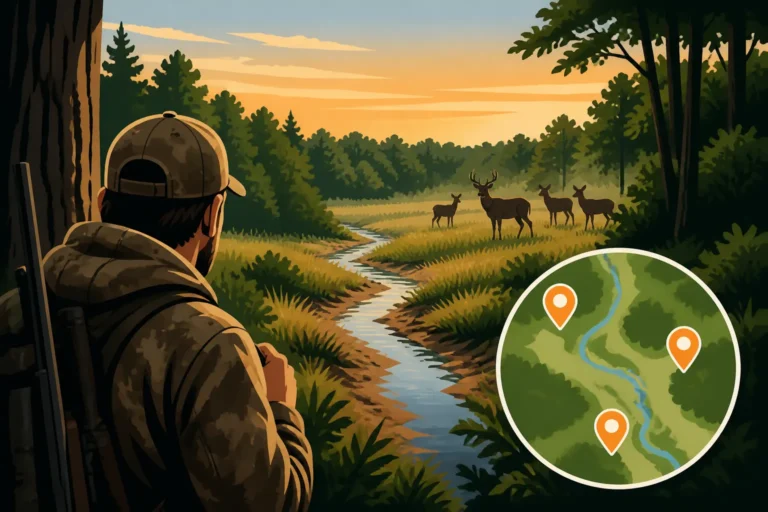
Consider your hunting location. If you're deep in the woods, how will you extract the deer quickly? Will you need a game cart, or is vehicular access possible? This is where the mapping features of hunting apps like GoHunt really shine, helping you identify the quickest extraction routes. Knowing your exit strategy ahead of time can shave critical minutes off your recovery.
Think about your processing plan too. Will you take the whole carcass to a local processor, or will you butcher it yourself? If self-processing, ensure your cooling space (garage, shed, large coolers) is ready with plenty of ice. If using a processor, check their hours and capacity – some may get backed up during opening weekend, which often sees warm temperatures, especially during the opening weekend tactics for Zone A gun season. Having a contingency plan for a full processor is key. It's often helpful to keep a few large bags of ice in a separate cooler in your truck, ready to dump into the body cavity the moment you're done field dressing.
Step-by-Step Warm Weather Field Dressing
When a deer is down in warm weather, every second truly counts. The goal of field dressing is to remove the internal organs as quickly as possible to allow the body cavity to cool down. It's not the prettiest part of the hunt, but it's one of the most important for ensuring you bring home quality meat.
Safety First: Positioning the Deer and Knife Handling
Before you even think about making a cut, ensure the deer is absolutely deceased. Approach cautiously, using a stick to poke its eye if unsure. Once confirmed, position the deer on its back, preferably on a slight incline if the terrain allows, with its head uphill. This helps keep blood from pooling in the chest cavity as you work. Use your rope or paracord to tie the front legs back to its antlers or to a nearby tree, and the hind legs to another anchor, spreading them wide. This opens up the abdominal area and provides stability, making your job easier and safer.
Always cut away from yourself. A slip with a sharp knife in a slippery, bloody environment can lead to a serious injury, and that’s the last thing you need when you're racing against the clock. Keep your knife sharp and use controlled movements. Wear your gloves!
Opening the Cavity: The Primary Goal of Cooling
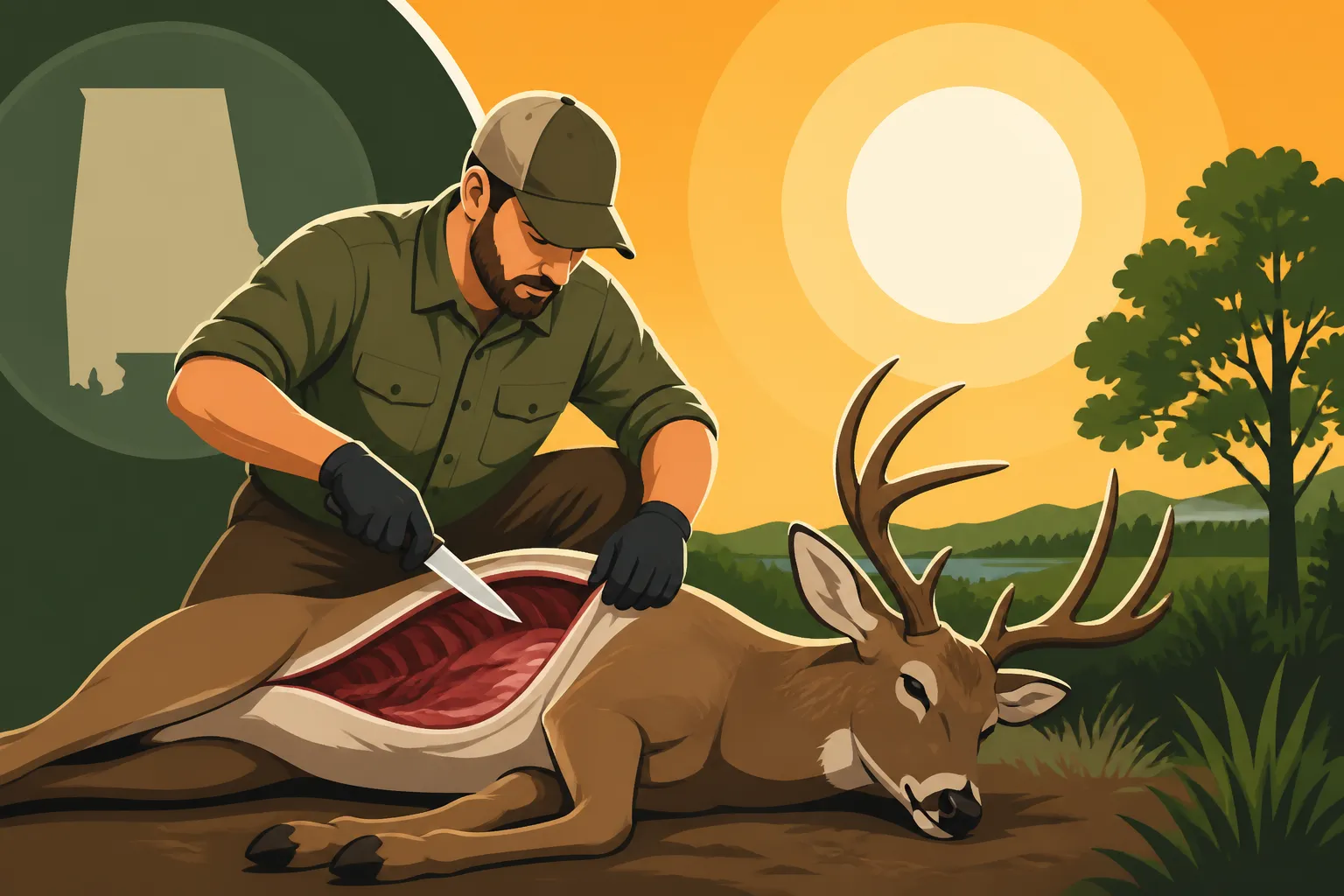
Once the deer is positioned, the first step is to open the abdominal cavity. Start by making a shallow cut through the hide, just deep enough to break the skin, from the breastbone all the way down to the pelvic bone. Use the gut hook on your knife if you have one, or gently lift the skin with two fingers (forming a 'V' shape) and cut upwards from the inside to avoid puncturing the intestines. Be especially careful around the sternum and lower abdomen.
Once the hide is open, you need to open the muscle wall. This is often where the gut hook is most useful. If using a regular knife, proceed with extreme caution, again lifting the muscle wall away from the organs as you cut. Extend this cut from the sternum down to the pelvis. Next, carefully cut around the anus and reproductive organs. You want to free the rectum from the pelvis, tying it off with a piece of cord if possible to prevent fecal contamination when you pull everything out.
Removing Organs Quickly and Efficiently
Now for the main event: organ removal. Roll the deer onto its side, or even completely belly-down, to help the internal organs spill out with gravity. Start by reaching into the chest cavity, finding the diaphragm (the muscle separating the chest and abdominal cavities). Cut around the diaphragm where it attaches to the ribs and spine. This will free the heart and lungs.
Work your way down, pulling out the stomach, intestines, liver, and kidneys. If the bladder is full, try to remove it intact to prevent urine contamination. Don't worry about being overly neat; your priority is getting everything out. If you're unsure about where some organs like the liver are exactly located, remember the goal is simply to empty the cavity. Pull, cut, and remove until the entire cavity is hollow. This rapid evacuation allows the maximum amount of surface area to be exposed to air, initiating the cooling process. This rapid removal of organs is crucial for preventing spoilage, especially if you're hunting during the rut in the Southern zones when temperatures can still be quite high.
Addressing Specific Challenges: Gut Pile Disposal and Blood
Once the organs are out, move the deer away from the gut pile. The gut pile should be left in a discreet location, away from trails or water sources, to be reclaimed by scavengers. If you are in a high-traffic public area or a very small private tract, consider burying it if feasible, to minimize attracting unwanted attention from other animals or even other hunters.
Clean the cavity as best you can. Use some water from your bottle to rinse out any excess blood or stomach contents. Wipe down with clean cloths or paper towels. The goal is a clean, dry cavity. Pay close attention to any areas that might have been nicked. If you notice any suspicious changes in the meat or organs, especially if you're in the Chronic Wasting Disease Management Zone, take note. While uncommon, understanding how many deer have tested CWD-positive in Alabama can help inform your decisions about handling meat from certain areas. Proper cleaning helps prevent further bacterial growth and improves the taste of the meat.
Consider bringing a small brush to help remove any pine straw or debris that might get stuck in the cavity. Some hunters will even pack a small spray bottle with a diluted vinegar solution to mist the cavity, which helps lower pH and inhibit bacterial growth, though this isn't strictly necessary if you can get it cooled quickly.
Cooling Strategies After the Field Dress
Field dressing is only the first step in preserving your meat. Once the internal organs are removed, the real race to cool the carcass begins. Ignoring this critical phase, especially in warm Alabama weather, can undo all your hard work.
Getting the Deer Out: Dragging, Game Carts, and Vehicles
The quicker you get the deer out of the field and to a proper cooling environment, the better. If you’re hunting public land, like still-hunting Bankhead Forest ridges, you might have a long drag ahead of you. Minimize unnecessary exposure to direct sunlight. Drag the deer in the shade whenever possible. A game cart can be an absolute lifesaver, as it keeps the deer off the ground and allows for better airflow around the carcass. If you have vehicle access, get it loaded and moving as soon as possible.
When loading the deer into a truck bed or on an ATV, try to elevate it slightly to allow air to circulate underneath. Don’t just lay it flat on a hot truck bed liner where heat can build up. If you have game bags, now is the time to put them on. They'll protect your meat from dirt, bugs, and road grime during transport. This is also where an app like GoHunt can help plan your extraction route to be as efficient and quick as possible.
Immediate Cooling Methods: Ice, Shade, and Airflow
Once the deer is out of the field, your primary objective is to bring its core temperature down rapidly.
- Ice: This is your best friend. Pack the entire body cavity with ice, especially if you're not heading straight to a processor or butchering it immediately. Fill old milk jugs with frozen water beforehand, or simply use bags of cubed or crushed ice. The colder, the better. You can close the cavity lightly to hold the ice in, but still allow some air circulation. Some hunters will even put ice around the outside of the deer, but focusing on the cavity is most effective.
- Shade and Airflow: Never leave a deer exposed to direct sunlight, even after it's field dressed and iced. Find the coolest, shadiest spot available. If possible, hang the deer. Hanging allows gravity to drain residual blood and lets air circulate freely around the entire carcass. Even a simple Gambrel hung from a sturdy tree limb can make a huge difference. If hanging isn't an option, prop the deer up on logs or a pallet to get it off the ground, ensuring airflow all around. You want air movement, not stagnant, warm air.
- Transporting with Care: If transporting long distances, keep the deer covered but not sealed. A tarp can protect from sun and road debris, but ensure there's still some airflow to prevent heat buildup. You're trying to achieve a rapid cooling to below 40 degrees Fahrenheit (around 4 degrees Celsius) as quickly as possible. This is the critical temperature to slow bacterial growth to a crawl. The table below illustrates some crucial differences in strategy based on temperature.
| Factor | High Risk (Warm Weather >50°F) | Moderate Risk (40-50°F) | Low Risk (Cool Weather <40°F) |
|---|---|---|---|
| Field Dress Time | ASAP (minutes matter) | Within 1-2 hours | Within 2-4 hours |
| Cooling Method | Immediate ice pack, hanging, max airflow | Hanging, good airflow, consider ice | Hanging, good airflow |
| Transport | Off hot surfaces, iced, covered, vented | Off ground, good airflow, covered | Can be transported less urgently |
| Processing | Within 6-12 hours post-kill | Within 12-24 hours post-kill | Within 24-48 hours post-kill |
| Risk of Spoilage | Very High, if not handled perfectly | Moderate | Low |
Transport and Processing: The Next Critical Steps
Once your deer is field dressed and the cooling process has begun, the next step is getting it to a processor or your home for butchering. If you plan on butchering at camp, make sure you have all the necessary supplies and a clean, cool workspace. This process is detailed in our guide on Butchering a Deer at Camp. Remember that even if the outside feels cool, the inside can still be quite warm.
When taking it to a processor, call ahead and let them know you're coming. The sooner they can get it into their cooler, the better. If there's any concern about CWD, especially if you've been hunting in counties like Lauderdale, Limestone, or Colbert, which are part of the CWD Management Zone, make sure to follow the Alabama Deer Reporting Rules and be aware of any mandatory testing weekends. Our article on Handling Venison From the CWD Management Zone provides more detailed guidance on this important topic. Every step from the field to the freezer, especially in warm weather, requires diligence to ensure your hard-earned venison is safe and delicious.
Remember, field dressing in warm weather isn't just about getting the guts out; it's about initiating a rapid cooling process that continues until your meat is safely in the freezer. Being prepared, acting quickly, and having a solid plan are your keys to success.
Disclaimer
The information provided in this guide is for general informational purposes only and does not constitute professional advice. Always adhere to local and state hunting regulations and safety guidelines. Hunting involves inherent risks, and proper training and caution are essential.