Pass-Shooting Doves Over a Water Hole
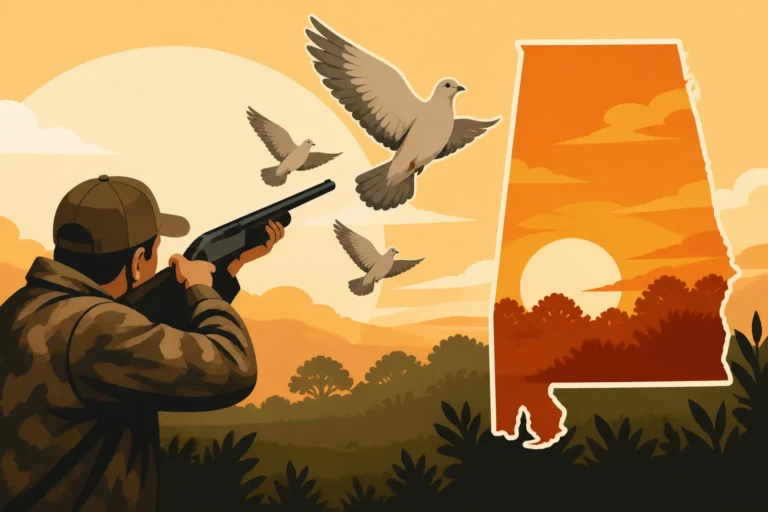
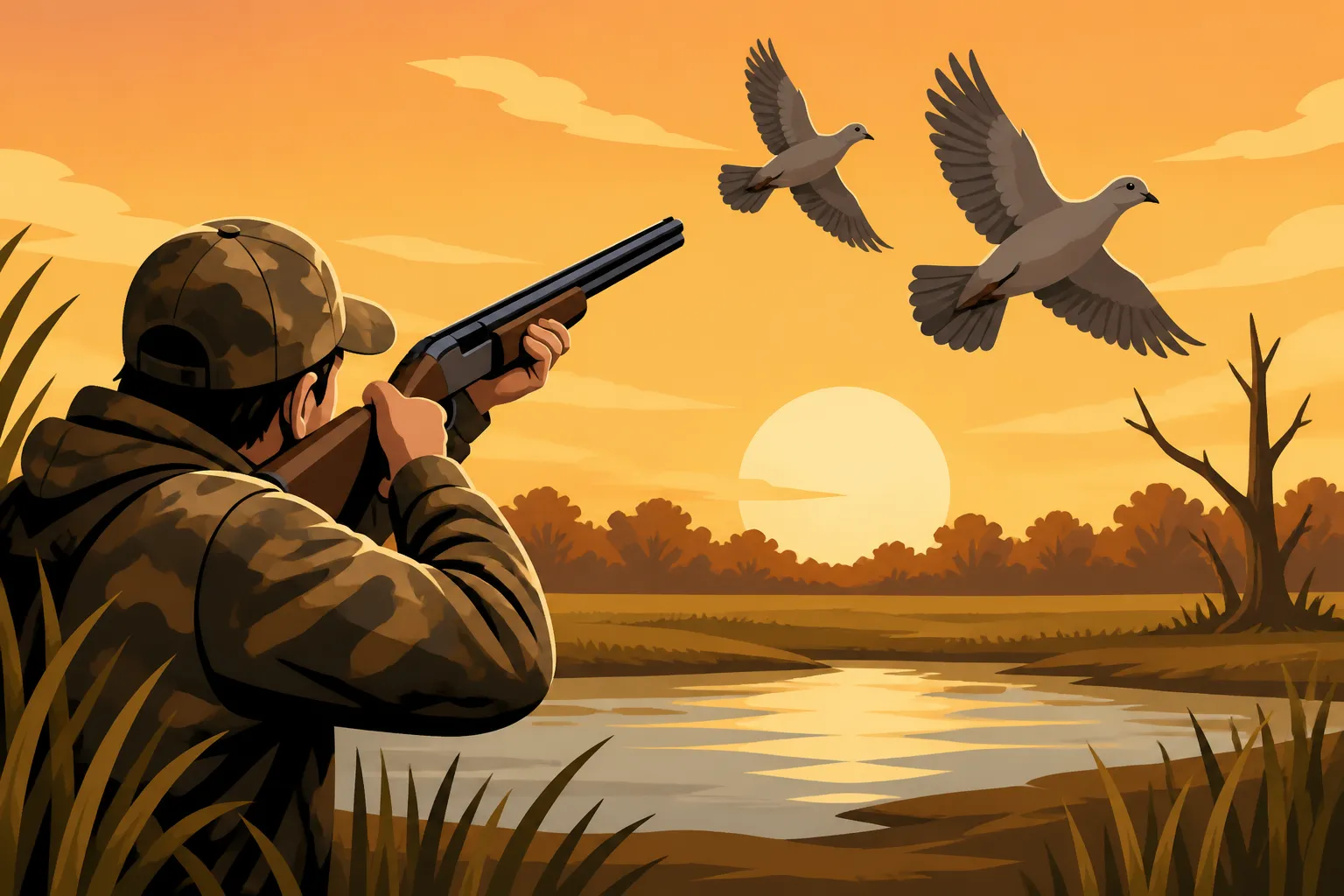
The Alabama sun can be relentless, and finding doves that aren't pressured or that haven't already hit a prime feeding field can feel like a never-ending puzzle. Many hunters focus solely on cut fields, only to find themselves baked and birdless. This guide dives deep into an often-overlooked yet incredibly effective tactic: pass-shooting doves over a water hole, offering a refreshing and productive alternative for those sweltering early season days and beyond.
The Irresistible Pull of Water for Doves
Doves, much like us, can't live without water. Their high metabolism and grain-heavy diet mean they need to drink frequently, especially during the hot, dry stretches that define much of Alabama's dove season. While a freshly cut millet or sunflower field might draw them in for breakfast and supper, a reliable water source becomes a central hub for activity throughout the day, particularly when the mercury climbs.
Understanding Dove Thirst and Daily Patterns
Mourning doves are small, fast-flying birds with a metabolism that runs hotter than a two-dollar pistol. They consume dry seeds, which means they absolutely must rehydrate, often multiple times a day. You might see them hitting a field hard in the early morning and late afternoon, but what about those long hours in between? That's when a good water hole can shine. When temperatures are soaring in the 90s, doves will seek out water to cool down and maintain their body functions.
Think about it from their perspective: they've just gorged on some grain, and now they're feeling parched. They'll fly to the nearest, safest water source to quench their thirst. This isn't just a brief sip; they'll often drink for a minute or two, sometimes even longer, taking in enough water to carry them through another feeding cycle. This predictable need creates fantastic opportunities for pass-shooting. Even though they might be moving between their feeding and roosting areas, that mid-day pit stop at a clean water source is often non-negotiable. Knowing their patterns and needs is the first step to a successful hunt, and a tool like the GoHunt app can be invaluable for pinpointing potential water sources on a given tract of land, even when you're scouting from your couch.
Prime Times for Water Hole Visits
While doves are creatures of habit and often follow distinct morning and evening flight paths to and from feeding areas, water holes offer a more flexible schedule. During the typical opening weekend, especially in September, the heat can be oppressive. Doves will hit water early, mid-morning, take a break, then return in the mid-afternoon and again just before dark.
The beauty of a water hole hunt is its versatility. You can often find action during what would be considered "dead time" in a traditional field setup. If you've spent the morning working a dove field on opening day and the action has died down with the rising sun, don't pack it in! Instead, consider relocating to a well-scouted water hole. Doves often take a siesta in shady trees near a water source, waiting for the heat of the day to pass before venturing out for another drink. This means you might find consistent action between 10 AM and 2 PM when other hunters are back at camp or heading home, frustrated by the lack of birds. This strategy works particularly well when employing a Warm-Weather Sitting Strategy in Alabama, allowing you to stay productive even when the sun is high.
Scouting and Setting Up for Success
You can’t just walk up to any pond and expect doves to come pouring in. Effective water hole hunting requires diligent scouting and a smart setup. Identifying the right kind of water, understanding dove approach paths, and positioning yourself correctly are all critical pieces of the puzzle. It’s a lot like trying to understand Hunting the Rut in the Northern Zones – you need to know where the action is likely to be and when.
Identifying a Productive Water Hole
Not all water holes are created equal for dove hunting. The ideal spot isn't a deep, murky lake with steep banks. What you're looking for is shallow, accessible water with a clear, open edge. Doves are wary and prefer to land where they have a clear view of their surroundings and an easy escape route.
Here are some key characteristics of a good dove water hole:
- Shallow Edges: Doves don't like to land in deep mud or vegetation. They prefer a firm, sandy, or pebbly edge where they can walk right up to the water without obstruction. Farm ponds, cattle tanks, or even wide, slow-moving creek edges with exposed mud flats can be excellent.
- Open Ground for Approach: Doves need a clear flight path in and out. Heavy timber right up to the water's edge can make them nervous. They prefer open areas where they can dip, glide, and approach the water without feeling hemmed in. Think about a powerline cut or a wide-open field sloping down to a pond.
- Nearby Roosting/Feeding Areas: The best water holes are often located between a prime feeding area (like a harvested grain field) and a popular roosting spot (a stand of pines or hardwoods). Doves will use the water hole as a stopover during their daily commutes. The GoHunt app's satellite imagery can help you identify these transitional zones and potential flight corridors, making your scouting efforts much more efficient.
- Minimal Pressure: This is huge. Doves will quickly abandon a water hole if they feel too much pressure. Finding Ground Others Walk Past is a skill that will pay dividends. Look for water sources that are harder to access, perhaps a little further off the beaten path, or on Hunting Small Private Tracts in Alabama where you have exclusive permission.
A great tip for identifying productive water holes is to look for "dove sign." Are there tracks along the muddy edges? Are there droppings on nearby rocks or bare ground? Are there small, shallow depressions where they've landed and left their mark? Even a brief afternoon scouting trip a few days before Alabama Dove Season Opening Weekend can tell you a lot.
Concealment is Key for Pass-Shooting
Unlike traditional field hunting where you might be tucked into standing sunflowers, pass-shooting doves over water requires a different approach to concealment. You're not trying to draw them into a specific landing spot; you're trying to intercept their flight path. This means your setup needs to be almost invisible from multiple angles, as doves might approach from any direction.
Natural cover is your best friend here. A thick fencerow, a clump of brush, or even a deep ditch can provide excellent camouflage. If natural cover is sparse, a simple ground blind brushed in with local vegetation can be highly effective. The key is to blend in completely. Doves have incredible eyesight, and they'll flair at the slightest unnatural shape or movement.
Consider the sun's position throughout your hunt. You ideally want the sun at your back, making it harder for doves to see you as they approach and easier for you to see them. Also, think about your shooting lanes. You want a clear shot at incoming and outgoing birds without having to swing through dense branches.
Here's a quick comparison of common concealment options:
| Concealment Method | Pros | Cons | Best Use Case |
|---|---|---|---|
| Natural Bush/Tree | Blends in perfectly, no setup time. Provides shade. | Limited availability, might not be in optimal shooting location. | Ideal if available at the perfect spot. |
| Pop-Up Blind | Portable, quick setup, good concealment. | Requires brushing in to look natural, can be hot. | When natural cover is sparse but position is key. |
| Ghille Suit/Camo Net | Excellent personal concealment, highly mobile. | No protection from elements, requires careful blending. | Stalking or very minimal cover situations. |
| Excavated Pit Blind | Best concealment, completely out of sight. | Labor intensive, permanent, only for dedicated spots. | Private land, long-term dedicated water hole. |
No matter your chosen cover, stay still! Doves will often circle a few times before committing to a drink. Any sudden movement will send them soaring away, putting an end to your opportunity.
Pass-Shooting Techniques and Decoy Strategies
Once you've found your water hole and set up your blind, it's time to focus on the actual shooting. Pass-shooting doves is a skill that takes practice, often more so than shooting decoying birds over a field. You're dealing with fast-moving, erratic targets that might be high, low, or cutting sharply.
Mastering the Lead and Swing
Pass-shooting doves is all about reading the bird's flight path and getting the right lead. These aren't ducks locked on decoys; they're often flying erratically, dipping and dodging.
- Anticipate the Angle: Doves will usually approach a water hole from a higher elevation and then descend in an arc to the water's edge. They'll then climb out after drinking. Pay close attention to these natural flight corridors. If you're on Alabama Public Land Hunting Hours, observe before you shoot to understand these patterns.
- Smooth Swing, Follow Through: This is paramount. Pick out a single bird, swing with it, pass it, and pull the trigger, continuing your swing even after the shot. Don't stop your gun. Common mistakes include stopping the swing, lifting your head off the stock, or shooting behind the bird because you underestimated its speed.
- Varying Leads: A dove flying straight across at 30 yards might need a 6-foot lead, while one coming straight in might need almost no lead, just a subtle push-through. Practice with clay targets if you can, focusing on different angles and speeds. You can learn a lot from watching experienced wingshooters Working a Dove Field on Opening Day – many of the same principles apply.
Remember, doves are small targets, and their erratic flight makes them challenging. Don't get discouraged if you miss; it's part of the game. Focus on improving your technique with each shot.
Decoys and Other Enhancements
While decoys are a staple for field hunting, their role in pass-shooting over a water hole is a bit different. Since you're primarily intercepting flight paths rather than trying to get birds to land right in front of you, the need for static decoys is less critical.
- Motion Decoys (Mojo Doves): These can be incredibly effective, even for pass-shooting. The flashing wings of a Mojo dove can catch the attention of high-flying birds and pull them closer to your desired shooting lane. Place them near the water's edge, but far enough away that incoming doves don't commit to landing directly on top of them before you get a shot.
- Static Decoys: A few static dove decoys placed on the bare ground at the water's edge can add a touch of realism, making the area look safe and inviting. While not essential for pass-shooting, they can sometimes convince a hesitant bird to drop a few more feet, bringing them into range.
- Water Presentation: Make sure the water itself looks inviting. Clear away any trash or heavy debris near the edges. If possible, ensure there's a nice, open landing zone. Doves are particular about where they land to drink.
Regardless of whether you use decoys or not, always prioritize concealment and a good shooting position. The natural draw of the water, especially on a hot day, will do most of the work for you. Just make sure you're ready when they commit!
Respecting the Resource and Regulations
Hunting doves over water holes can be incredibly productive, sometimes surprisingly so. This also means it's crucial to be mindful of regulations and ethical considerations to ensure the sustainability of the resource and positive relations with landowners and other hunters.
Staying Legal and Respectful
Alabama has specific regulations designed to manage dove populations and ensure fair chase. It's your responsibility to know and abide by these rules.
- Bag Limits: Always be aware of the Alabama Dove Season Bag Limit. Doves can come in fast and thick, and it's easy to get carried away. Keep a mental count, or even better, a physical tally, to avoid exceeding your legal limit.
- Shooting Hours: Alabama Public Land Hunting Hours and private land often dictate legal shooting times. Generally, it's half an hour before sunrise to sunset. However, check current regulations, especially for specific WMAs or controlled hunts, as these can sometimes vary slightly.
- Baiting Rules: This is a big one. It's illegal to hunt doves over a baited area. While a water hole might not seem like a "field," if you're putting out corn, wheat, or any other food source to attract doves to the water, you're breaking the law. Understand Alabama Dove Field Baiting Rules thoroughly. Natural vegetation and agricultural practices that lead to exposed grains are generally fine, but any intentional distribution of feed is not.
- Retrieving Birds: Make every effort to retrieve every bird you shoot. This isn't just an ethical standard; it's often a legal requirement. Shooting over water can make retrieval tricky, especially if the water is deep or has thick vegetation. Consider bringing a dog if possible, or plan your shots to ensure birds fall on accessible land or shallow water.
- Landowner Permission: If you're hunting on private property, always ensure you have explicit permission. A simple "yes" from a friend might not be enough if they don't own the land. Clear communication prevents misunderstandings and maintains good relationships, which is vital for securing future hunting access. Many hunters overlook the opportunity to scout new ground; using apps like GoHunt can help you identify land ownership, which is the first step in asking for permission to hunt Hunting Small Private Tracts in Alabama.
By following these guidelines, you're not only protecting yourself from legal trouble but also upholding the integrity of our hunting heritage. The goal is to enjoy the pursuit responsibly, ensuring that future generations can also experience the thrill of a good dove hunt in Alabama.
When to Consider the Second Split
While opening weekend gets all the glory, don't overlook the later Hunting the Second Dove Split in October. By this time, many of the local birds might be savvier, and cooler weather could change their patterns. However, migratory doves might start moving through Alabama, and water holes can still be prime locations. The cooler temperatures mean less intense heat, making the hunt more comfortable, but the dove's need for water persists.
During the second split, food sources might have changed too. Early crops may be gone, and doves might be searching for new feeding grounds. A reliable water source remains a constant draw. Continue to scout, observing any changes in their flight paths or preferred drinking spots. Sometimes, later in the season, doves might become even more concentrated around fewer available water sources as smaller ponds or temporary pudd dry up. This can make the remaining productive water holes even hotter. Understanding Alabama Mourning Dove Migration Timing can help you plan your hunts to coincide with fresh waves of birds.
Pass-shooting doves over a water hole is a fantastic way to enjoy the early and late seasons in Alabama. It requires patience, keen observation, and good shooting, but the rewards—a cooler hunt, less competition, and often consistent action—are well worth the effort.
Disclaimer
Hunting is an inherently dangerous activity. Always prioritize safety, understand and follow all state and local regulations, and ensure you have proper training and equipment. The information provided in this guide is for informational purposes only and should not replace professional guidance or official hunting regulations. Always confirm current regulations with the Alabama Department of Conservation and Natural Resources before heading afield.