Physical Demands of a Black Belt Deer Hunt
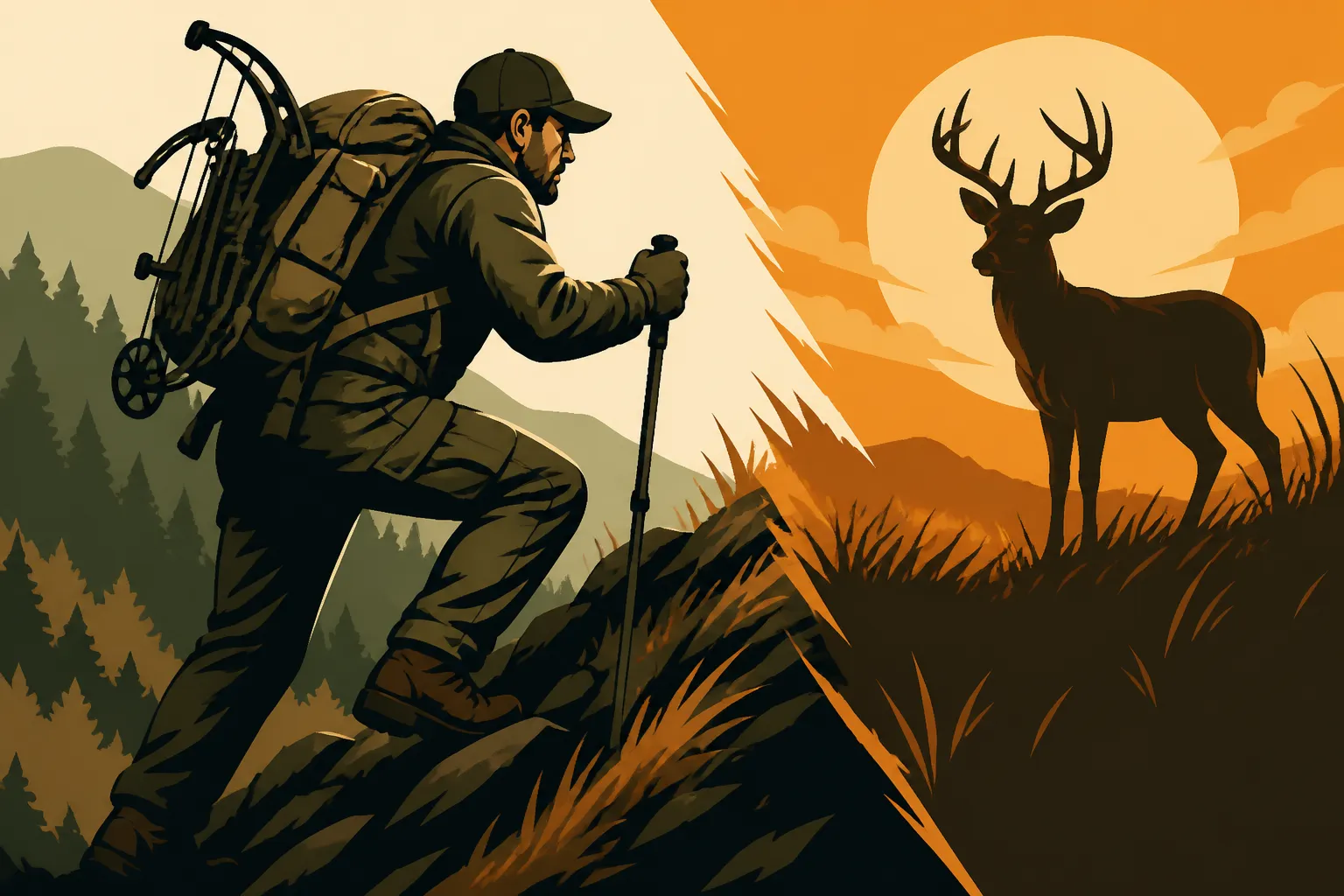
Heading into Alabama's storied Black Belt for a deer hunt can feel like stepping into a classic hunting magazine, full of anticipation for those legendary whitetails. But let's be real, many folks underestimate the sheer physical toll these hunts can take, especially if they're used to easier terrain or shorter days. This guide will walk you through the unique physical demands you'll face in the Black Belt, from navigating dense cover to the monumental effort of recovering a big buck, so you can show up ready, not winded.
Understanding the Black Belt Terrain and Its Challenges
The Black Belt region of Alabama, named for its incredibly rich, dark soil, is a deer hunter's dream for good reason. This fertile crescent, stretching across the central part of the state, is known for producing robust whitetails with impressive antler growth. However, what makes it so productive also makes it physically demanding. The landscape isn't always gently rolling hills and open pines; it's a dynamic mix that tests your stamina and resilience.
The Characteristics of Black Belt Land
The foundational characteristic of the Black Belt is its heavy clay soil, a relic of an ancient ocean bed. When it's dry, this soil can be firm and easy enough to walk, but after a good rain, it turns into a thick, sticky gumbo that clings to your boots with a vengeance. Imagine trying to walk through mud that feels like wet concrete, each step requiring extra effort to lift your foot from the suctioning earth. This constant resistance drains energy quickly, making even short treks feel like marathons. Beyond the soil, you'll encounter a patchwork of agricultural fields – often corn, soybeans, or winter wheat – interspersed with dense hardwood bottoms, thickets of privet and briars, and meandering creek drainages. Hunting Black Belt Prairie Farmland Deer often means dealing with these varied conditions.
Navigating this terrain isn't just about walking; it's about pushing through resistance. A mile in the Black Belt, especially after some rain, can feel like two or three miles on drier, more open ground. The elevation changes might not be as dramatic as in, say, the Appalachian foothills, but the sheer density of the cover and the nature of the soil create their own set of physical hurdles. Hunters who don't anticipate this often find themselves exhausted halfway through the morning, wondering why they're so tired when they "only walked a mile."
Navigating Varied Cover and Obstacles
Beyond the challenging soil, the Black Belt is a mosaic of different covers, each presenting its own physical demands. You'll find expansive fields, often bordered by thick fencerows that are nearly impassable. Then there are the hardwood creek bottoms, usually dense with undergrowth, fallen timber, and often standing water or muddy sloughs. Moving through these areas quietly and efficiently requires careful footing and a lot of physical exertion. Pushing through a stand of cane or a privet thicket, especially with gear, can feel like a full-body workout.
Consider a typical scenario: you've located a promising field edge where deer are entering a standing soybean field, but to get there undetected, you need to slip through a quarter-mile of dense briars and kudzu on an old logging road. This isn't a stroll; it's a deliberate, slow, and often thorny push, requiring you to lift your knees high, balance on uneven ground, and sometimes even crawl. Then, if you're Setting Up on a Black Belt Field Edge, you might have to clear shooting lanes, which adds another layer of physical labor. These environments demand flexibility, balance, and a good deal of upper body strength, not just for carrying your gear, but for pushing branches aside and maintaining control.
Physical Stamina for Still-Hunting and Stand Hunting
Regardless of your preferred hunting method, the Black Belt demands a high level of physical stamina. Both still-hunting and stand hunting require sustained physical and mental effort, often under challenging conditions. It’s not just about the moment of the shot; it’s about everything leading up to it, and what comes after.
The Rigors of Still-Hunting
Still-hunting in the Black Belt is an art form that requires extreme patience and a body that can match the pace. It's essentially stalking, moving incredibly slowly, stopping to scan, and taking one or two steps at a time. This isn't a casual walk in the woods. You're constantly engaging your core for balance, using your leg muscles for controlled, quiet steps, and holding your weapon ready for extended periods. Imagine moving for three hours and only covering a mile. This slow, deliberate pace might sound easy, but the constant muscle engagement, the vigilance, and the focus on not making a sound are incredibly taxing. You're often looking for subtle signs, like Reading Alabama Mud for Fresh Deer Movement, which means constantly scanning the ground.
The physical strain comes from the controlled movements. Every step needs to be planned to avoid snapping a twig or scuffing dry leaves. This means frequently shifting your weight, lifting your feet higher, and finding solid, quiet footing. If you're carrying a heavy rifle or bow, your arms and shoulders will feel the burn from holding it at the ready for minutes on end. Still-hunting through a dense river bottom or an old clear-cut, where visibility is limited and every sound echoes, can be mentally and physically draining. You're almost always slightly crouched, moving slowly with every sense on high alert, which demands both muscular endurance and a high level of concentration. This intense focus, combined with the physical control, is a different kind of tired than simply walking fast.
The Demands of Stand Hunting
For many, stand hunting might seem less physically demanding than still-hunting, but in the Black Belt, it presents its own unique challenges. First, there's the hike to your stand, which, as we discussed, can be a strenuous endeavor through mud, thickets, and over obstacles, all while carrying your stand, sticks, backpack, and weapon. Once you arrive, there's the physical act of setting up your stand, which, even with lightweight modern gear, involves lifting, climbing, and securing equipment often in the pre-dawn darkness. Climbing a tree in the dark, thirty feet up, is a significant physical task.
Then comes the endurance test: sitting motionless for hours on end, often from before dawn until late morning, or from mid-afternoon until dark. While it's not active movement, holding a static position, especially in cold or damp weather, taxes your core muscles, back, and legs. Your body is working to maintain warmth and stability. The mental fortitude required to stay alert and still, ignoring discomfort, is also a significant drain. Getting in and out of a stand quietly and safely, especially after a long sit, requires flexibility and strength. And don't forget that if you get lucky, you'll need to descend from that stand, often in the dark, and then begin the recovery process. Many hunters use platforms like BookYourHunt or GoHunt to find reputable outfitters who can assist with stand setup and logistics, but even then, a certain level of fitness is expected.
Hauling Out a Black Belt Buck
This is where the rubber truly meets the road, or rather, where the mud meets your boots. Shooting a big Black Belt buck is only half the battle; getting it out of the woods can be the most physically demanding part of the entire hunt, and it’s where many hunters find themselves truly tested.
The Challenge of Recovery
The size of Black Belt deer is legendary, and for good reason—Why the Black Belt Grows Big Bucks is a testament to the region's rich nutrition. A mature Black Belt buck can easily weigh well over 200 pounds, sometimes pushing 250 pounds or more dressed. Dragging such an animal, even a short distance, over relatively flat ground is hard work. When you add the typical Black Belt terrain—sticky mud, dense briar patches, creek crossings, and fallen timber—the task becomes monumental. I've seen even burly hunters reduced to gasping, sweat-soaked messes after dragging a buck a mere 300 yards through a particularly nasty swamp.
The distance a deer runs after the shot can also be significant. A deer shot cleanly might still run 50-100 yards, often into the thickest cover it can find. If you're deep in a river bottom or miles from a logging road, that "short" drag suddenly turns into a multi-hour ordeal. Dragging a Deer Out of a River Bottom can involve navigating steep banks, crossing muddy sloughs, and hoisting the deer over obstacles, all while fighting fatigue. It’s a full-body workout that tests every muscle group and your mental resolve. Don't forget that if the weather is warm, time is of the essence for meat preservation, adding another layer of urgency and stress to the physical exertion. Field Dressing a Deer in Warm Weather helps, but the haul still remains.
Essential Gear and Techniques for Extraction
Given the immense challenge of deer recovery in the Black Belt, having the right gear and a solid plan is crucial. A good game cart is almost non-negotiable if you’re hunting solo or with minimal help. Look for a robust cart with large, sturdy wheels designed for uneven terrain. Even with a cart, you'll still need considerable strength to push or pull it through mud and over obstacles, especially with a heavy deer loaded on it. A quality deer drag, whether a harness you wear or a simple rope, is also essential. For larger bucks, especially if you're alone, you might want to consider quartering the animal in the field. This significantly reduces the weight you need to haul, though it requires more time and a good gutting knife.
Beyond gear, technique matters. Instead of dragging straight through the thickest cover, try to identify the path of least resistance, even if it adds a bit of distance. Look for old logging roads, game trails, or drier sections. If you have hunting partners, coordinate your efforts. Two or three people can make a world of difference, taking turns pulling and navigating. For those really tough recoveries, don't be afraid to call a friend or even an outfitter for assistance. Some outfitters, especially those found through platforms like BookYourHunt, offer recovery services, knowing full well the demands of a Black Belt deer. Planning for recovery before the shot can save you a lot of grief and ensure your hard-earned venison makes it out intact.
Preparing Your Body for the Black Belt
Knowing the physical demands is one thing; actually preparing for them is another. Just like you wouldn't head into the woods without scouting, you shouldn't step foot in the Black Belt without adequately preparing your body. Your success, and certainly your enjoyment, will be directly tied to your physical readiness.
Pre-Season Fitness Regimen
If you’re planning a Black Belt deer hunt, your pre-season preparation should be deliberate and comprehensive. Focus on a regimen that builds both cardiovascular endurance and muscular strength. For cardio, think about long walks, jogging, or cycling—activities that get your heart rate up and sustain it. Try to incorporate walking with a loaded pack, simulating the weight you'll carry in the woods. Stairs or incline walking on a treadmill can mimic climbing into a stand or negotiating uneven terrain. This kind of training will help you endure those long hikes to your stand and maintain stamina during long sits or still-hunting sessions.
Strength training should target core muscle groups, particularly your legs, back, and shoulders. Squats, lunges, deadlifts, and farmer's carries (walking with heavy weights in each hand) are excellent for building the leg and core strength needed for pushing through thickets, climbing stands, and certainly for dragging deer. Don't forget flexibility and balance exercises, as they will help you navigate uneven ground quietly and prevent injuries. Think about adding some yoga or stretching routines a few times a week. The goal isn’t to become a bodybuilder, but to build functional strength and endurance that translates directly to the demands of the hunt. Even simple things like hiking challenging trails with your boots on can be great preparation for the actual hunting conditions you'll face.
Mental Fortitude and Hydration
Physical preparation is only part of the equation; mental toughness and proper hydration are equally critical in the Black Belt. The mental game is huge in hunting. You’ll face discomfort—cold, damp, heat, insect bites, muscle fatigue—and your ability to push through it, to stay focused and patient, is paramount. Practice mindfulness or meditation to enhance your focus and reduce anxiety. Envisioning tough hunting scenarios during your workouts can also help mentally prepare you for the real deal. When you're cold, wet, and tired, the voice in your head telling you to quit can be loud, but with mental fortitude, you can silence it and stay in the game.
Hydration is often overlooked but can profoundly impact your physical and mental performance. Even in cooler weather, you're exerting yourself, and dehydration can lead to fatigue, headaches, and impaired judgment. Carry plenty of water, and consider electrolyte-rich drinks, especially if the weather is warm. Start hydrating several days before your hunt. During the hunt, sip water regularly, even if you don't feel thirsty. A well-hydrated body performs better, recovers faster, and keeps your mind sharp, which is essential for making good decisions in the field, especially when hunting Best Alabama Counties for Big Bucks where every decision counts.
The Black Belt is a truly special place to hunt deer in Alabama, offering some incredible opportunities. But it's not for the faint of heart, or the unprepared. By understanding the terrain, recognizing the physical demands of different hunting styles, preparing for the monumental task of recovery, and committing to a solid pre-season fitness regimen, you'll be much better equipped to enjoy your hunt and bring home that trophy. This isn't just about bagging a buck; it's about embracing the challenge and truly experiencing what the Alabama wilderness has to offer.
Disclaimer
This article is for general informational purposes only and does not constitute professional advice. Laws, prices and regulations vary by location and change over time. Consult a qualified professional for guidance on your specific situation.