Deer Drives on Alabama Public Land
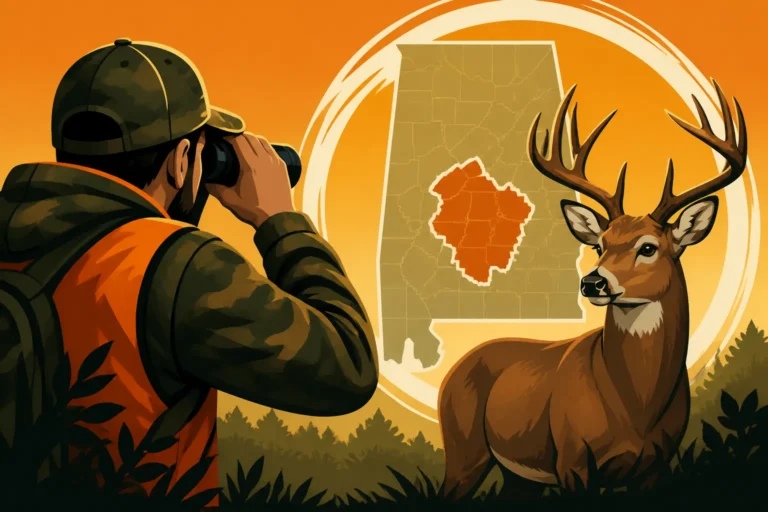
It can be incredibly frustrating to spend hours still-hunting or sitting patiently in a stand on Alabama's public lands, only to have deer seemingly vanish or simply refuse to move. When solo tactics aren't cutting it, especially in dense cover or during the late season, a well-planned deer drive can be an incredibly effective strategy to ethically put venison in the freezer. This guide will walk you through everything you need to know about organizing and executing successful deer drives on Alabama's public land, ensuring safety and adhering to regulations.
Why Deer Drives on Public Land Make Sense in Alabama
Let's be honest, hunting Alabama's public land, whether it's a sprawling National Forest or a local Wildlife Management Area, can be a real challenge. Deer are often pressured, nocturnal, or simply locked down in thick cover, making conventional sit-and-wait tactics difficult. This is where a strategic deer drive really shines, offering a dynamic approach to move deer that might otherwise never show themselves.
Breaking Through Stubborn Cover
Picture this: you've scouted a beautiful block of pine thicket or a dense river bottom on a WMA like Barbour Wildlife Management Area, and you know the deer are in there. You've seen tracks, rubs, and droppings, but every time you try to still-hunt it, they bust out long before you get a shot. This is a classic scenario where a drive can turn frustration into success. Instead of trying to sneak through impenetrable cover, you're using a coordinated effort to push those deer out to waiting hunters. It's about leveraging the landscape and the deer's natural instincts to avoid pressure, turning that thick refuge into a funnel.
The sheer density of some of Alabama's public land cover, from vast cane thickets along river systems to grown-up clear-cuts in places like the Conecuh National Forest, means deer have endless places to hide. They know these sanctuaries intimately. A single hunter trying to penetrate these areas often makes too much noise, or the deer simply slip out the back door unseen. A properly executed drive covers more ground, applies pressure from one direction, and forces deer to move in predictable ways, often towards more open areas where standers are positioned. It's a method born out of necessity for many public land hunters who aren't afraid to work for their deer.
Maximizing Hunting Pressure and Efficiency
Another key reason deer drives are so effective on public land is the ability to concentrate hunting pressure strategically. While excessive, uncoordinated pressure can scatter deer, a focused drive uses a small team to create a specific movement pattern. You might have a couple of drivers walking through a known bedding area, pushing deer towards several standers positioned on natural escape routes or bottlenecks. This isn't about aimlessly pushing deer; it's about intelligence and coordination.
Consider the late season when deer are often wary and their patterns are completely broken by previous hunting pressure. Food sources might be scarce, and deer are hunkering down. A drive can force these reluctant deer to move, giving hunters a fleeting opportunity they wouldn't otherwise get. It's an efficient way to cover significant ground with a small group of hunters, especially useful for filling doe tags in zones that allow for multiple antlerless deer, or targeting a specific buck you know is using a certain block of cover. This approach also helps manage time on the limited days many hunters have available during the season, making the most of every hour afield.
Planning Your Alabama Public Land Deer Drive
Successful deer drives don't happen by accident. They are the result of meticulous planning, scouting, and clear communication among your hunting party. Neglecting any of these steps can lead to a chaotic, unsafe, and unproductive hunt.
Scouting the Area Thoroughly
Before you even think about putting on a drive, you and your team need to have a deep understanding of the terrain. This means serious scouting, both remotely and boots-on-the-ground. Start with a good mapping application like GoHunt, which can help you identify public land boundaries, terrain features, and potential travel corridors. Look for natural funnels, creek bottoms, saddles, logging roads, and thickets that deer are likely to use when pressured. You need to predict where deer will go.
For instance, if you're eyeing a long, narrow finger of timber on the edge of a field on a WMA, you'll want to identify the thickest part where deer might bed, and then pinpoint the most likely escape routes from that cover. Will they cut across the field, follow the timber edge, or slip into an adjacent creek bottom? Understanding the topography, prevailing wind direction, and recent deer sign are all crucial. You also need to know the land status, making sure you're not encroaching on private property. Using a GPS with satellite imagery helps immensely in visualizing the drive area and marking key points for drivers and standers. This pre-drive reconnaissance is the backbone of a safe and effective operation.
Assembling Your Team and Assigning Roles
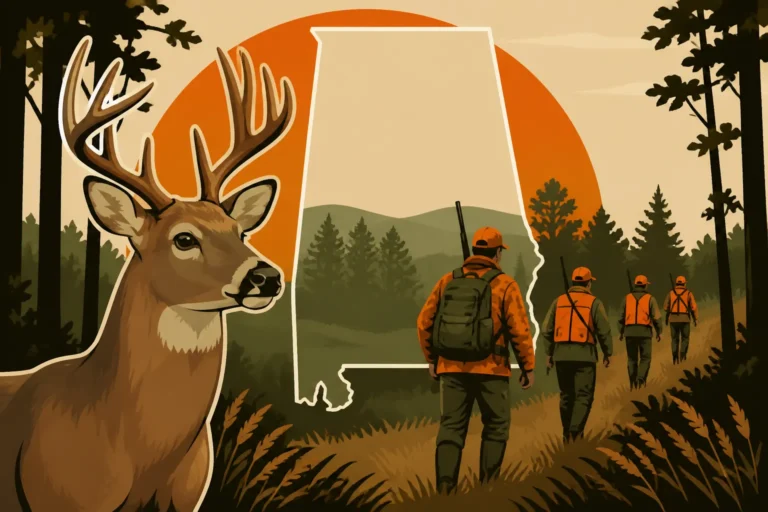
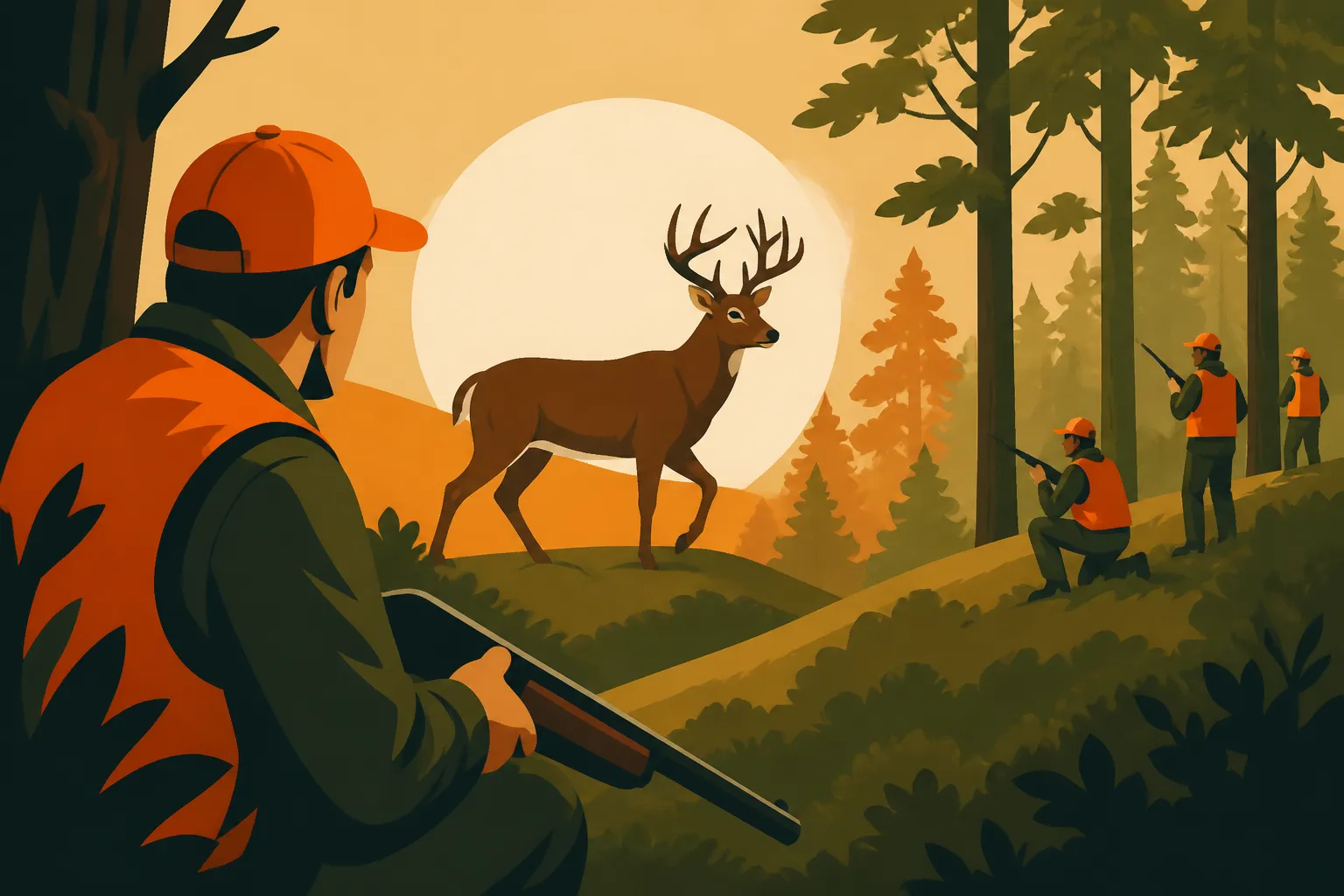
A deer drive is a team sport, and every player needs a clear role. Typically, you'll need at least three or four hunters for a basic drive, but larger tracts or more complex drives might benefit from more. Roles generally fall into "drivers" and "standers." Drivers are the ones walking through the cover, pushing deer, while standers are positioned silently and strategically to intercept deer that move ahead of the drivers.
The number of drivers versus standers depends on the size and shape of the cover you're pushing. For a narrow strip of woods, you might have one or two drivers pushing towards two or three standers. For a wider, more expansive block, you'll need more drivers to maintain a consistent line and prevent deer from slipping back through. Communication is absolutely vital here. Everyone needs to know their starting point, their route, and their final destination. Assigning an experienced hunter as the "drive captain" who can coordinate via radio or cell phone (if service allows) is a smart move. During a drive, especially when you have Deer Drives With Three or Four Hunters, clear roles prevent confusion and ensure safety.
Emphasizing Safety Protocols
This cannot be stressed enough: safety is paramount, especially when multiple hunters are moving through cover on public land. Before stepping foot into the woods, every member of your party must understand and agree to strict safety protocols. This includes wearing plenty of blaze orange – far more than the minimum required by Alabama law (which is 144 square inches during gun season). The more visible, the better.
Reviewing shooting lanes and safe zones of fire is critical. Standers must know exactly where the drivers are and where they will emerge. Drivers must know where the standers are positioned. Never shoot into thick cover without positive identification of both the target and what lies beyond it. Establish explicit rules about when and where shots can be taken. For instance, many groups agree that standers only shoot deer moving away from the drivers, or at a specific angle that ensures no one is downrange. Using two-way radios is highly recommended for real-time updates on location and any changes in plan. A pre-hunt safety briefing, looking at a map and pointing out everyone's position and designated shooting areas, is non-negotiable.
Executing a Successful Deer Drive
Once the planning is done and safety protocols are in place, it's time to put your strategy into action. The execution phase requires precision, discipline, and constant awareness from every member of the team.
Positioning the Standers Strategically
The standers are the linchpin of the drive. Their job is to remain absolutely still and silent, anticipating where deer will try to escape the approaching drivers. Positioning needs to take into account topography, wind direction, and known deer travel patterns. Look for natural funnels, pinch points, creek crossings, or areas where thick cover transitions to more open woods. A great spot might be a saddle between two ridges, or a narrow strip of timber connecting two larger blocks of woods. If you're Posting a Drive Around a Creek Bottom, you'll want standers on high ground overlooking potential crossing points.
Standers should get into position well before the drivers begin their push, allowing time for the woods to settle down. Use existing cover like large trees or natural vegetation to break up your silhouette, or consider using a ground blind for added concealment, especially on heavily pressured public land. Pay close attention to the wind – deer will almost always try to circle downwind of the drivers to scent check for danger, so position standers to intercept these movements. Avoid setting up in a spot where your scent will blow directly into the path of the incoming deer. Stealth and patience are key here; the deer are already moving, your job is to be an invisible obstacle.
The Driver's Role: Controlled Movement and Noise
Drivers are not just aimlessly walking through the woods; they are purposefully pushing deer. The goal is controlled, consistent movement that creates enough disturbance to move deer without sending them into a full-blown panic that might make them unpredictable. The amount of noise a driver makes depends on the cover and the desired outcome. In extremely thick cover, more noise might be needed to get deer moving. In more open woods, a quieter, deliberate pace can be more effective.
Maintain a consistent line with other drivers, using natural landmarks or GPS to stay aligned. Don't get too far ahead or fall too far behind. If there are multiple drivers, they should communicate their positions regularly, especially in dense cover. A driver's role is not typically to shoot, though opportunities may arise for safe shots at deer moving away or to the side. The primary focus is moving deer efficiently towards the standers. This can be physically demanding, especially when Still-Hunting Bankhead Forest Ridges for deer, but it’s crucial for a successful drive.
Effective Communication During the Drive
Communication, as mentioned, is critical. For larger public land tracts like those in the William B. Bankhead National Forest, cell service can be spotty, so reliable two-way radios are often essential. Establish clear signals or commands before the drive begins. This could be a specific word to indicate a deer has been seen, a "stop" command, or a "drive finished" signal.
Drivers should periodically check in with each other and with the standers (if within radio range) to confirm their progress and location. Standers, in turn, can alert drivers if deer are breaking out too early or in an unexpected direction. If a deer is shot, immediate communication is needed to ensure safety and to direct other hunters to a safe location. This constant flow of information helps keep everyone safe, on track, and informed, preventing confusion and potential accidents. Even on small drives, a quick text or pre-arranged meeting point can make a huge difference in coordinating efforts.
Navigating the Legalities and Ethics of Public Land Drives
Hunting on public land comes with a set of responsibilities, both legal and ethical. When conducting deer drives, these considerations become even more critical due to the involvement of multiple hunters and the shared nature of the resource.
Understanding Alabama's Regulations
Before you even plan your first drive, you must be intimately familiar with Alabama's current hunting regulations. These regulations can vary by county, by zone, and especially by Wildlife Management Area (WMA). For instance, some WMAs might have specific rules regarding group hunting, antler restrictions, or even limitations on certain types of firearms. Always check the current Alabama Department of Conservation and Natural Resources (ADCNR) hunting guide and any specific WMA regulations before heading out.
Key regulations to pay attention to include legal hunting hours, bag limits for antlered and unantlered deer (which vary by zone), and hunter orange requirements. During gun season, it is mandatory for hunters to wear an outer garment above the waist with at least 144 square inches of hunter orange, or "blaze orange." While the law specifies a minimum, for drives, it's always advisable to exceed this. Additionally, understand the specific Alabama Deer Season Structure Explained and how it might impact your drive, especially during the state's various zones and special seasons like the youth gun weekend. Always have your hunting license and any required permits (like WMA permits) on your person.
Respecting Other Hunters and Public Land Etiquette
Public land is a shared resource, and it's highly likely you'll encounter other hunters who are not part of your drive. Respecting their space and hunting methods is an ethical imperative. This means avoiding driving deer directly into another hunter's setup if you can help it, and certainly not knowingly endangering anyone. Be mindful of established treestands or ground blinds you might observe during your scouting or drive.
A good rule of thumb is to give other hunters a wide berth. If you see someone set up, adjust your drive plan to steer clear of their location. Acknowledge their presence with a friendly wave or a quiet word if appropriate, but don't disturb their hunt unnecessarily. Being courteous not only avoids conflict but also helps maintain a positive image for all hunters. It's about being a good steward of the resource and a good neighbor in the woods, even if you don't know the person. Consider that many hunters employ Still-Hunting Bankhead Forest Ridges tactics, and a loud, uncontrolled drive can ruin their day.
Avoiding Trespass and Boundary Issues
While you're on public land, deer don't recognize property lines. It's entirely possible for deer pushed during a drive to run onto adjacent private property. This is where meticulous scouting and using mapping tools like GoHunt become critical. Identify private land boundaries surrounding your public land hunting area and communicate these clearly to your team.
You must never trespass onto private land to retrieve a deer without explicit permission from the landowner. Alabama law is clear on this: even if you shoot a deer on public land and it falls on private, you need permission. If you don't have it, you might have to contact the landowner or local law enforcement to assist with retrieval, or, in the worst case, forgo the animal. This is why it's often wise to plan drives that push deer away from private property lines, or to position standers on the public land side of those lines, to minimize the risk of a deer expiring on unaccessible ground. Knowing these boundaries is crucial, especially when trying to pinpoint Where Bankhead Forest Bucks Bed near private lands.
Strategic Deer Drives for Different Alabama Public Land Types
Alabama's public hunting lands offer a diverse range of habitats, from sprawling national forests to smaller, often densely covered WMAs. Tailoring your deer drive strategy to the specific characteristics of these areas can significantly increase your success.
National Forests: Large Scale and Varied Terrain
Alabama's National Forests, like the Talladega National Forest and the William B. Bankhead National Forest, offer vast expanses of hunting ground. This can be a blessing and a curse. While there's plenty of room, finding deer and effectively driving them requires strategic thinking due to the sheer scale and varied terrain, which includes everything from steep ridges to dense bottomlands.
On ridges and hills, like those found in the Talladega National Forest, you might use elevation to your advantage. Standers can be positioned on higher ground overlooking saddles or creek drainages that deer use to escape. Drivers can work their way down ridges or through thick draws. Understanding Reading a Ridge for North Alabama Deer is critical here. In the more open, mature timber common in parts of the National Forests, drivers might need to make more noise or spread out further to cover the ground effectively. Conversely, in dense clear-cuts or pine thickets, a tighter line of drivers pushing towards a handful of standers positioned on logging roads or firebreaks can be very effective. Always consider the wind and thermals, especially in hilly terrain, as deer will use these to their advantage.
Wildlife Management Areas (WMAs): High Pressure, Focused Drives
Alabama's Wildlife Management Areas, such as Skyline WMA or Barbour WMA, are typically smaller and experience higher hunting pressure. This means deer are often even warier and more accustomed to human activity. Deer drives on WMAs often need to be more precise and take advantage of every subtle terrain feature.
Here, shorter, more focused drives can be highly effective. Look for small, isolated blocks of thick cover that deer use as sanctuary, like dense bedding areas adjacent to food plots or agricultural fields (where allowed). Instead of large, sweeping drives, think about "micro-drives" with just a couple of drivers pushing a small patch of woods towards one or two standers on a field edge or a creek crossing. Consider using a ground blind on Alabama public land for your standers to blend in completely, especially if you're on a well-used WMA. Knowing Hunting Pressure on Alabama Public Land will dictate how subtle or aggressive your drive needs to be. The deer on WMAs are educated, so predictable movements by hunters must be avoided.
Post-Drive Considerations and Recovery
The hunt doesn't end when the shot is fired. Proper post-drive procedures, especially deer recovery and handling, are crucial for a successful and ethical hunt.
Tracking and Recovering Downed Deer
Even with a perfectly executed shot, deer don't always drop in their tracks. Tracking a deer on Alabama public land, especially in dense cover or after dark, can be challenging. Always allow ample time before initiating a track, particularly for marginal shots. For a lung-shot deer, waiting 30-60 minutes is often sufficient. For a gut shot, a wait of 4-6 hours, or even until morning, is usually recommended to ensure the deer expires and stiffens up, making recovery easier.
When you do begin to track, move slowly and methodically. Look for blood, broken branches, disturbed leaves, and tracks. Mark the last known blood trail with flagging tape or reflective markers (removing them after recovery). If possible, have multiple people on the track, one focusing on blood, others looking ahead for the deer itself. If the blood trail becomes sparse, expand your search in circles around the last confirmed sign. Remember, the woods can look very different once you're on the ground, so using GPS to mark the shot location and the general direction of travel is a huge asset. For a comprehensive guide, check out Tracking a Deer Through Alabama Pine Straw.
Field Dressing and Game Care
Once recovered, field dressing the deer quickly and efficiently is essential, especially in Alabama's often warm climate. The goal is to cool the carcass as rapidly as possible to preserve the meat. Remove the entrails and wipe out the cavity with paper towels or a cloth. If water is available, a quick rinse of the cavity can help, but ensure it's thoroughly dried afterward.
Get the deer out of the woods and to a cooler environment as soon as possible. If you have a long drag ahead, consider quartering the deer in the field to make it lighter and easier to transport. This is particularly relevant on large public land tracts where vehicle access might be limited. Have large coolers and plenty of ice ready. Proper game care starts in the field and directly impacts the quality of the venison. Always remember to legally check your deer through the Alabama Game Check system before processing or transporting it to its final destination.
| Role in a Deer Drive | Primary Responsibilities | Safety Considerations | Typical Gear |
|---|---|---|---|
| Stander | Remain silent and still; intercept deer pushed by drivers; identify clear shooting lanes. | Absolute awareness of driver positions; clear zones of fire; no shots towards drivers; know private land boundaries. | Blaze orange, firearm/bow, binoculars, rangefinder, radio, scent control, warm clothes, ground blind (optional). |
| Driver | Walk designated route, maintain consistent line and pace, make appropriate noise to push deer. | Constant communication with other drivers/standers; know where standers are located; avoid shooting towards standers; wear ample blaze orange. | Blaze orange, firearm/bow (optional for self-defense/opportunistic shots), GPS, compass, radio, water, comfortable boots. |
Disclaimer
The information provided in this guide is for educational purposes only and is not a substitute for official hunting regulations. Always consult the latest Alabama Department of Conservation and Natural Resources (ADCNR) hunting regulations and local WMA rules before engaging in any hunting activities. Hunting inherently carries risks, and safety should always be your top priority.