Hunting the Alabama Youth Gun Weekend
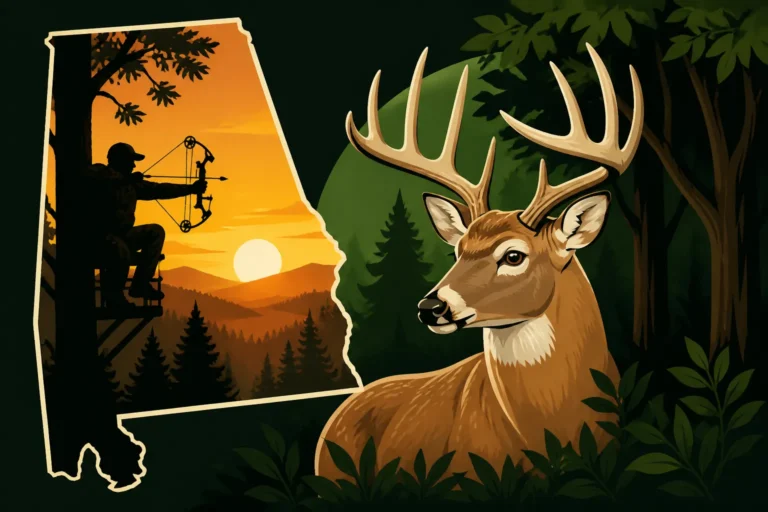
The Alabama Youth Gun Weekend isn't just another date on the calendar; for many of us, it's a cherished tradition, a chance to introduce the next generation to the wild world of deer hunting without the intense pressure of the full regular season. It can feel daunting, though, to navigate the rules, ensure safety, and make sure your young hunter has a genuinely positive experience. This comprehensive guide will walk you through everything you need to know to make the Alabama Youth Gun Weekend a memorable success, fostering a love for the outdoors that lasts a lifetime.
Understanding Alabama's Youth Gun Weekend Structure
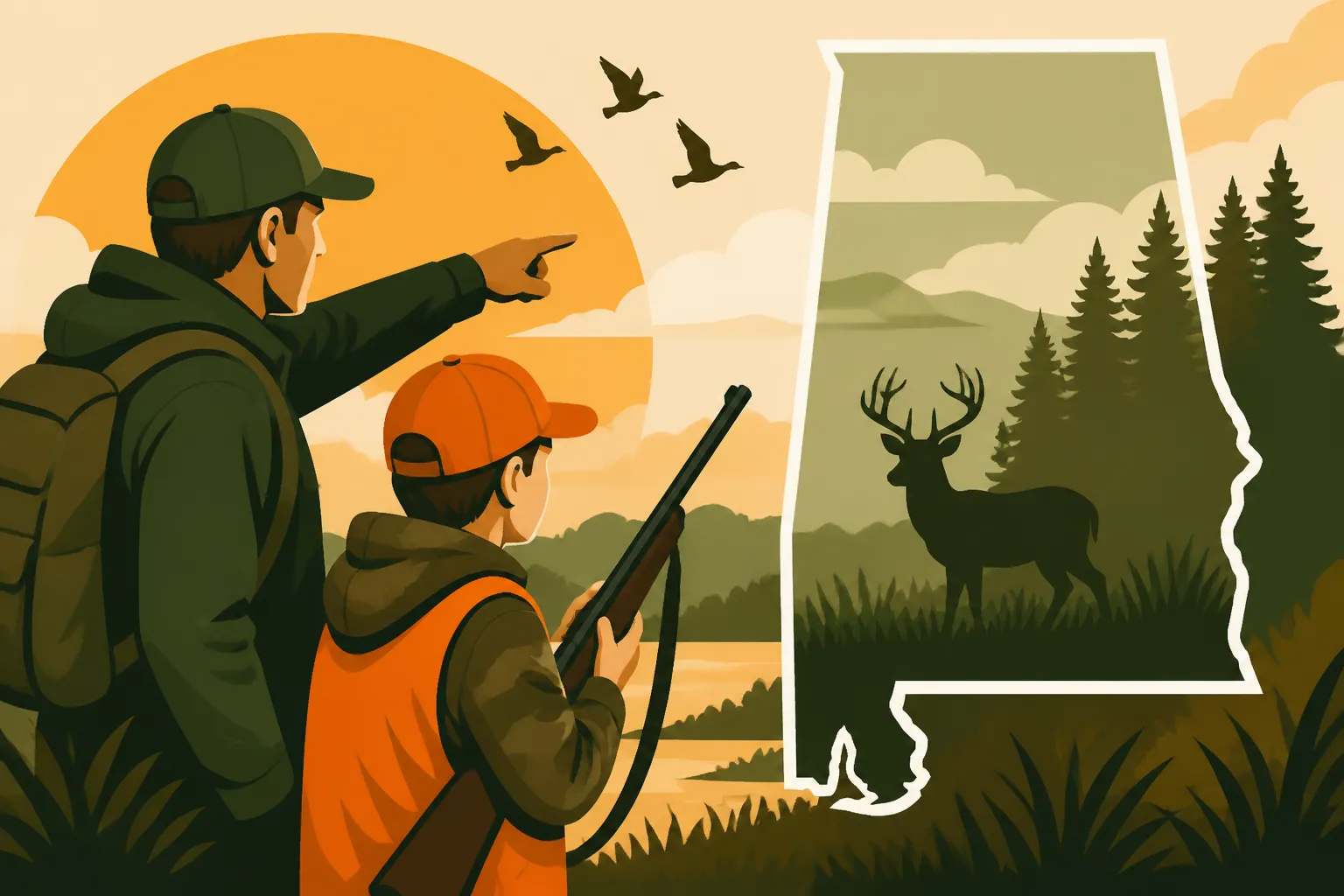
This special weekend is specifically designed to give young hunters an early, dedicated opportunity to pursue deer with a firearm. It's an invaluable tool for mentorship, allowing adults to focus solely on their young charge's experience without the distractions of their own hunt.
Key Dates and Zones for Youth Hunters
The Alabama Youth Gun Weekend typically precedes the opening of the statewide conventional gun season by about a week or two, usually falling in early November. This timing is intentional, offering a quieter, less crowded opportunity before the woods get truly busy. For instance, in recent years, it has often landed on the first full weekend of November. This period is statewide, meaning there are no specific zone restrictions like those that apply to the broader Alabama Deer Season Structure Explained. This is a critical distinction that sometimes confuses hunters more accustomed to the segmented zone openings. Whether you're hunting in the northern reaches near Huntsville, the Black Belt, or down south near the coast, the dates for the youth gun weekend are consistent across the entire state.
The beauty of this unified statewide opening is that it simplifies planning for families who might live in one zone but have access to land in another. You don't have to cross-reference multiple calendars; if it's the Youth Gun Weekend, it's open for eligible young hunters across all five of Alabama's deer zones. This early opportunity provides a fantastic chance to introduce youngsters to the excitement of firearms hunting, often when deer patterns are still relatively predictable and before they've been heavily pressured by adult hunters. It's a special window that emphasizes education and experience over trophy hunting, though a nice buck is always a bonus!
License Requirements and Mentored Hunting Rules
Navigating the licensing and supervision rules for youth hunters is paramount to ensure a legal and safe experience. For starters, any Alabama resident hunter under 16 years of age is generally exempt from needing a hunting license. This is a huge benefit and helps reduce barriers for families introducing kids to the sport. However, if the youth is 16 or older, they will need a valid Alabama hunting license, which can be acquired through the Outdoor Alabama website or a local probate office. Understanding these nuances is part of the groundwork for a stress-free hunt, and you can find more detailed information on options and costs in guides like Alabama Hunting Licenses and What They Cost.
The "mentored" aspect of youth hunting is crucial, particularly for firearm safety and ethical practices. When a youth under 16 is hunting, they must be accompanied by a licensed adult who is at least 21 years old. This adult mentor must remain within "normal voice communication" and in "reasonable proximity" to the youth hunter at all times. This isn't just a legal requirement; it's a vital safety measure and an incredible opportunity for direct teaching. The mentor is there to ensure the firearm is handled safely, shot placement is ethical, and the young hunter understands the responsibilities that come with harvesting an animal. It’s important to familiarize yourself with all the specifics of Alabama Mentored Youth Hunting Rules before you head out, as these rules are designed to protect both the hunter and the wildlife. Additionally, while not strictly required for every youth, completing a hunter education course is highly recommended and often a prerequisite for obtaining a license later in life. Many youth complete this requirement early, providing a foundational understanding of safety and ethics, as discussed in detail in Alabama Hunter Education Requirements. Even if a license isn't required for the youth, an accompanying adult must possess a valid Alabama hunting license.
Preparing for a Successful Youth Hunt
The success of a youth hunt isn't solely measured by a harvested deer; it's about the experience, the lessons learned, and the memories made. Proper preparation, focusing on safety and the specific needs of a young hunter, lays the groundwork for that success.
Essential Gear and Safety Considerations for Young Hunters
Selecting the right gear for a young hunter is a balance of functionality, safety, and comfort. When it comes to firearms, choose a caliber that is appropriate for deer, but more importantly, one that the young hunter can handle comfortably and accurately. Overly powerful calibers with excessive recoil can lead to flinching, poor shooting habits, and a negative experience. Many mentors opt for calibers like a .243 Winchester, 6.5 Creedmoor, or a 7mm-08 Remington, which offer sufficient power for deer while minimizing felt recoil. Even a .223 Remington can be effective with proper shot placement and appropriate bullet selection. Before the hunt, extensive practice at the range is non-negotiable. This builds confidence, reinforces safe gun handling, and ensures proficiency. Make sure to use proper eye and ear protection during all shooting activities, and remember that hearing protection is just as vital in the stand to protect delicate young ears from muzzle blast.
Blaze orange is not just a suggestion; it's a legal requirement and a critical safety measure in Alabama. All hunters, including youth, must wear at least 100 square inches of solid blaze orange above the waist, or a blaze orange cap, during the gun deer season when hunting on public lands or within certain designated zones. The mentor also needs to be in blaze orange. Communication is another vital safety aspect. Ensure both you and your young hunter understand hand signals or verbal cues for different situations. Have a plan for emergencies, including knowing your exact location (using GPS or a mapping app like GoHunt), and how to contact help if needed. Discuss safe zones of fire and always adhere to the fundamental rules of firearm safety: treat every firearm as if it's loaded, never point a firearm at anything you don't intend to shoot, keep your finger off the trigger until ready to fire, and be sure of your target and what's beyond it. These principles should be ingrained through repeated explanation and practice long before you ever step foot in the woods.
Scouting and Location Strategies for Youth Success
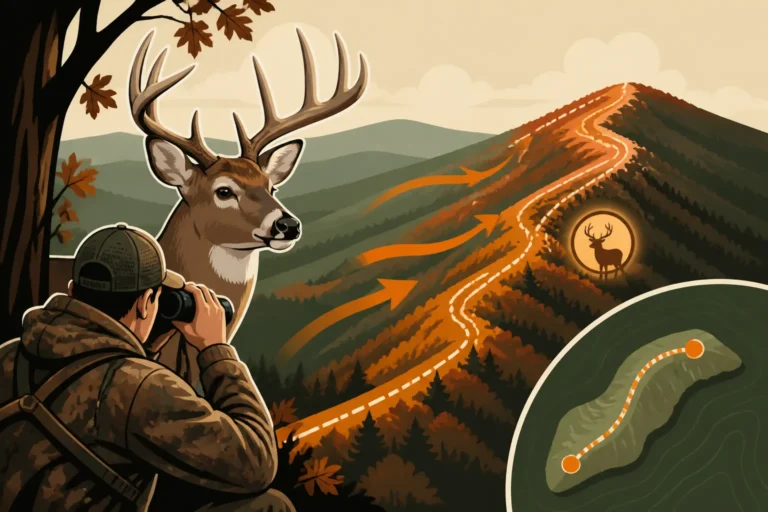
Pre-season scouting is always important for any deer hunt, but it takes on an even greater significance when hunting with youth. You're not just looking for deer sign; you're looking for an accessible, comfortable, and potentially productive spot that will keep a young hunter engaged. Start your scouting long before the season by walking potential areas, identifying clear, safe shooting lanes, and observing deer movement patterns. Focus on areas known for food sources during early November, such as oak flats with falling acorns, active green fields planted with clover or oats, or areas with persimmons. Deer will be concentrated around these resources. Using aerial maps, topographical maps, and modern apps can really help narrow down areas, especially on public land. Many hunters find tools like GoHunt invaluable for identifying property boundaries, potential bedding areas, and travel corridors, even before lacing up their boots.
When considering location, think about ease of access. Long, arduous walks in the dark before dawn might be too much for smaller children and can quickly dampen enthusiasm. Look for spots that are relatively easy to get to, perhaps just a short walk off a gravel road or an accessible trail. For many youth, a comfortable ground blind is often preferable to a treestand, offering more warmth, shelter from the elements, and room to fidget without being noticed by deer. Even if you don't see deer during your scouting trips, look for abundant fresh sign—tracks, droppings, rubs, and scrapes. If you can find a good scrape line along a logging road, for example, it can be a promising spot. Remember that the goal is to maximize the chances of seeing deer, not necessarily just a "trophy," to keep the young hunter excited and motivated. Detailed scouting helps identify these high-probability areas and avoid disappointments. For more general advice on preparing for the season, check out Scouting Alabama Public Land Before Season.
Tactics for the Youth Gun Weekend
Once you've done your homework and gathered your gear, it's time to think about the actual hunting tactics. Hunting with youth requires a different approach than a solo adult hunt, prioritizing comfort, engagement, and safety above all else.
Stand Placement and Hunting Techniques
When deciding on stand placement for a youth hunt, consider their comfort and attention span. A ground blind, as mentioned earlier, is often the best choice. It offers concealment from deer, provides shelter from wind and cold, and allows a young hunter to move, stretch, or even whisper without giving away their position. This flexibility is invaluable when a child’s patience starts to wane. If you opt for a treestand, safety is paramount. Ensure it’s a two-person stand rated for the combined weight, and both the youth and mentor must wear full-body harnesses, tethered from the moment they leave the ground until they are safely back down. For detailed considerations, looking into resources like Treestand Setups in Talladega National Forest can provide helpful context on safe and effective elevated positions. Position the stand or blind to provide clear, close-range shots to minimize the chance of a missed ethical shot, ideally within 50-100 yards of a known deer trail or feeding area.
As for hunting techniques, patience is key, but so is adaptability. While an adult might sit all day, a young hunter often needs shorter, more engaging sits. Consider breaking the hunt into morning and afternoon sessions, with a warm breakfast or lunch break in between. During the sit, engage the youth by pointing out squirrels, birds, or other wildlife. Teach them how to scan the woods, identify different sounds, and understand wind direction. If deer aren't moving, try some quiet rattling or grunting to spark their interest. The focus should be on teaching woodsmanship, observation, and respect for nature, not just on pulling the trigger. Even if no deer are harvested, a day spent quietly observing nature with a mentor is a victory in itself. Techniques like those discussed in Using a Ground Blind on Alabama Public Land offer practical advice for setting up a comfortable and effective blind.
Dealing with Crowds and Managing Expectations
The Youth Gun Weekend, precisely because it offers an exclusive early opportunity, can sometimes draw a significant number of hunters, especially on popular public lands. While it generally won't be as chaotic as the full gun season opener in densely populated zones, it's wise to anticipate some level of increased activity. This potential for Opening Weekend Crowds in Zone A or other areas underscores the need for thorough scouting and a flexible mindset. If you arrive at your planned spot and find other vehicles, be prepared with a backup location. Sometimes, simply walking a bit further off the beaten path than most people are willing to go can lead you to less pressured areas. Look for topography that creates natural barriers or less obvious access points that other hunters might overlook. Utilizing mapping apps like GoHunt can help you identify these hidden gems.
Managing expectations is perhaps the most crucial "tactic" when hunting with youth. It’s vital to communicate that seeing a deer is a success, and harvesting one is a bonus. The entire experience should be about spending quality time together, learning, and enjoying the outdoors. Talk about the sights, sounds, and smells of the forest. Bring snacks, drinks, and even a small, quiet game or book for downtime in the blind. If boredom sets in, don't push it; a short, positive hunt is far better than a long, miserable one that discourages future participation. Emphasize ethical hunting practices, the importance of a clean shot, and what to do if a shot is taken. Celebrate every aspect of the adventure, from the crisp morning air to the rustle of leaves underfoot, reinforcing the idea that hunting is about so much more than just pulling a trigger.
Post-Harvest and Educational Opportunities
Should your young hunter be successful, the lessons don't stop there. The post-harvest process is an equally vital part of their education, instilling responsibility and respect for the animal.
Game Care and Reporting for Youth Harvests
Once a deer is on the ground, the real work, and another critical learning opportunity, begins. Teach your young hunter the importance of ethical game recovery and proper field dressing. In Alabama's typically warm early November weather, prompt field dressing is essential to ensure the meat quality. Walk them through the steps, explaining why each cut is made and how it helps cool the carcass. Even if they're not ready to wield a knife, they can assist with holding legs, fetching water, or preparing the game bag. Detailed guidance on Field Dressing a Deer in Warm Weather can be incredibly helpful for maintaining the venison's quality under Alabama's conditions. This hands-on experience transforms the abstract concept of "harvesting an animal" into a tangible act of responsibility and respect.
After the deer is field dressed and recovered, reporting the harvest through Alabama's Game Check system is a mandatory and easy process. You can do this online via the Outdoor Alabama website or app, or by phone. Explain to your young hunter why this is important: it provides wildlife biologists with critical data to manage deer populations effectively across the state. They can even participate in looking up the harvest number or helping input the data. This process reinforces the idea that hunters play a direct role in conservation and are accountable for their actions. It's not just about taking an animal; it's about being a responsible steward of the resource, a lesson that will stay with them for a lifetime.
Instilling Conservation Values and Future Skills
The Youth Gun Weekend is more than just an opportunity to shoot a deer; it’s a profound chance to instill deep-seated conservation values and teach practical outdoor skills. Use the time in the woods to discuss the role of hunters in funding wildlife management through license and tag purchases, and how these funds contribute to habitat restoration and species protection. Explain the biology of the animals you're pursuing, how deer live, what they eat, and their importance to the ecosystem. Resources like White-Tailed Deer Across Alabama can provide great background information to share. Help your child understand that hunting is a privilege, not a right, and that ethical behavior, respect for wildlife, and adherence to regulations are cornerstones of that privilege.
Beyond the immediate hunt, encourage your young hunter to participate in other outdoor activities. Take them scouting during the off-season, teach them how to identify different trees and tracks, or get them involved in preparing food plots or setting up trail cameras. These activities extend their connection to nature beyond just the hunting season and build a broader set of outdoor skills. Learning about the habitat, tracking, and understanding animal behavior are all crucial components of becoming a well-rounded hunter. Ultimately, the goal is to cultivate a lifelong passion for the outdoors and responsible stewardship, ensuring that the hunting tradition continues for generations to come.
Here’s a quick overview of some essential gear and regulatory reminders for the Alabama Youth Gun Weekend:
| Item/Category | Description & Importance | Youth Requirement (Under 16) | Mentor Requirement (21+) |
|---|---|---|---|
| Hunting License | Required for hunting deer in Alabama. | Exempt | Required (Annual All-Game preferred) |
| Hunter Education | Recommended for all, mandatory for first-time adult license buyers. | Recommended | Mandatory (unless exempt by age/prior license) |
| Blaze Orange | Minimum 100 sq. inches above waist or blaze orange cap for visibility. | Mandatory | Mandatory |
| Appropriate Firearm | Caliber suitable for deer, manageable recoil for youth. | Yes | N/A (Youth uses the firearm) |
| Eye & Ear Protection | Essential for range practice and during the hunt for safety. | Mandatory | Mandatory |
| Ground Blind/Safe Stand | Provides comfort and concealment for youth; treestands require full harnesses. | Highly Recommended | Ensures safe setup |
| Mapping App (e.g., GoHunt) | For navigation, property lines, and identifying prime hunting spots. | Recommended | Highly Recommended |
| Snacks & Drinks | Keeps energy levels up and maintains enthusiasm during the hunt. | Highly Recommended | Provides for youth |
| Game Check | Mandatory reporting of all deer harvested. | Mentor reports for youth | Mandatory after harvest |
| First Aid Kit | Essential for minor scrapes, cuts, or other unexpected incidents. | Recommended | Mandatory |
Disclaimer
Please be aware that hunting regulations, dates, and licensing requirements can change. Always consult the official Alabama Department of Conservation and Natural Resources (ADCNR) website or their current hunting digest before planning any hunt to ensure you have the most up-to-date and accurate information. This guide is for informational purposes only and should not replace official state regulations.