Chilton County Public Land for Deer
Finding quality public land for deer hunting can feel like searching for a needle in a haystack, especially when you're looking to explore new territory like Chilton County. Many hunters face the frustration of dense timber, confusing property lines, or simply not knowing where to start. This guide aims to clear up some of that confusion, providing a comprehensive look at what Chilton County offers deer hunters on public ground, how to approach it, and what to expect when you head into the woods.
Discovering Public Hunting Opportunities in Chilton County
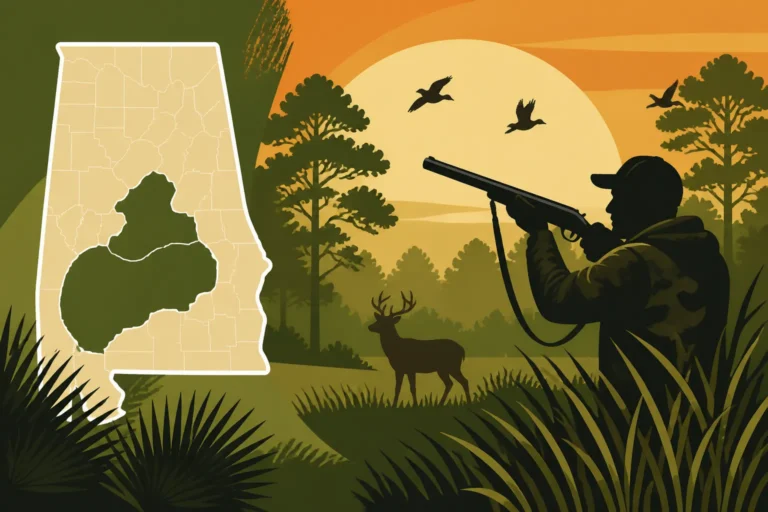
Chilton County, nestled in the heart of Alabama, is probably best known for its peaches, but it holds some fantastic, yet often overlooked, public land hunting opportunities for deer. While not as vast as some of the National Forests, the Wildlife Management Areas (WMAs) within or bordering Chilton County offer a different kind of challenge and reward. The primary public hunting ground you'll want to focus on here is the Coosa WMA, which stretches across parts of Chilton, Coosa, and Talladega counties, offering thousands of acres to explore.
Coosa WMA: Your Primary Public Land Destination
The Coosa WMA is a gem for public land hunters in Central Alabama. It's a patchwork of diverse habitats, managed by the Alabama Department of Conservation and Natural Resources (ADCNR), specifically for wildlife. Unlike some of the larger national forests that are primarily managed for timber, WMAs often have a more direct focus on habitat improvement for game species, which can translate into better hunting experiences if you know where to look. Expect a mix of older pine stands, recently thinned or clear-cut areas, and significant hardwood bottomlands along creeks and drainages. These diverse ecosystems are precisely what deer thrive on, providing food, water, and cover throughout the year.
However, hunting a WMA like Coosa isn't without its unique challenges. These areas are popular, especially on opening weekends or during prime rut periods. You'll need to be prepared for competition and often be willing to walk further or hunt smarter than the average hunter. Opening Weekend Crowds on Alabama Public Land are a real thing, and Coosa WMA is no exception. It’s critical to understand the WMA's specific boundaries and regulations, which can sometimes differ from statewide rules. Always consult the current Alabama Hunting & Fishing Digest and any specific Coosa WMA maps or regulations available through the Outdoor Alabama website or app before heading out.
Beyond the WMA: Other Public Access Considerations
While Coosa WMA is the dominant public land feature, it's always worth a thorough check of any potential smaller, isolated public parcels that might exist within Chilton County. Sometimes, these could be small state-owned tracts, utility easements, or even slivers of other public agency lands. These smaller areas might not always be explicitly listed as traditional "hunting areas" but could legally allow hunting under certain conditions.
To find these hidden gems, modern mapping tools are absolutely invaluable. Services like onX Hunt are incredibly useful for identifying public land boundaries, even down to the smallest parcels, and overlaying satellite imagery with property lines. This can help you spot potential access points and ensure you're always on legal ground. Similarly, GoHunt can sometimes provide additional insights into general public land trends and available resources, though its primary focus might be broader. Always double-check any identified areas with the ADCNR to confirm hunting eligibility and specific rules before planning a trip.
Understanding Chilton County's Deer Habitat and Behavior
Chilton County's landscape sits in a transitional zone, blending characteristics of the Piedmont Plateau to the north and the Coastal Plain to the south. This geographical mix creates a varied habitat mosaic that influences where deer live, what they eat, and how they behave throughout the hunting season. Knowing these patterns is key to successful deer hunting.
Key Habitat Types and Their Deer Appeal
The deer in Chilton County, especially within Coosa WMA, are masters of adapting to their environment. You'll encounter several distinct habitat types, each offering different resources and requiring specific hunting approaches.
- Pine Plantations: These areas, often in various stages of growth, provide excellent bedding cover. Younger pines, especially those recently thinned, offer dense security cover where deer feel safe. Older, mature pine stands might not hold as many deer directly, but they often have open understories that deer travel through, especially if there are hardwood inclusions or transition zones. As the season progresses and temperatures drop, deer might seek the thermal cover these thicker areas provide. Focus on the edges of these plantations, where they meet hardwoods or agricultural fields, as prime travel corridors.
- Hardwood Bottomlands and Creek Drainages: These are often the most productive areas for deer, especially during the early and mid-season when acorns are falling. The rich soil supports a wider variety of mast-producing trees like oaks, hickories, and sweetgums. Deer will gravitate to these areas for food and water. The dense undergrowth along creeks also offers excellent cover and natural funnels. During the rut, bucks will cruise these bottoms searching for does. Hunting a Funnel Between Two Creek Bottoms can be extremely effective here.
- Clear-Cuts and Early Successional Growth: Recently clear-cut areas, especially those that are a few years old, can be magnets for deer. The new growth provides abundant browse, offering a buffet of tender shoots and leaves. These areas are often incredibly thick, making hunting challenging but rewarding. Deer will bed in the thickest parts and feed along the edges, moving out into more open areas at dawn and dusk. This dense cover also offers protection from predators and other hunters. You'll want to scout the perimeters carefully for trails leading in and out.
- Mixed Pine/Hardwood Stands: These transition zones, where pines gradually give way to hardwoods or vice versa, are often where deer spend a lot of their time. They offer the best of both worlds – cover from the pines and food from the hardwoods. Look for subtle changes in elevation, small ridges, or saddles within these mixed stands, as deer often use these as travel routes.
Deer Behavior Throughout Alabama's Long Season
Alabama's deer season is lengthy, and deer behavior shifts significantly from early archery through the late gun season. In Chilton County, you'll need to adjust your tactics accordingly.
- Early Season (October-November): During the archery-only opener, deer are still primarily focused on food sources. Acorns, especially white oaks, are kings. Deer will be in predictable patterns, moving between bedding areas and food. Water sources are also crucial, especially if temperatures are still warm. Focus on areas with abundant mast, fresh tracks, and rub lines. How Alabama's Archery Season Runs Into February means you'll have ample opportunity to pattern deer before gun season ramps up.
- Rut (December-January): The rut in Central Alabama often peaks around late December to mid-January. This is when bucks are actively searching for does, making them more visible and less cautious. Scrapes and rub lines will become more active. Focus on travel corridors, pinch points, and areas where does congregate. Hunting the Rut in the Southern Zones provides valuable insight into this critical period, though Chilton County might straddle the line between central and southern peak rut timings depending on the specific area. Calling tactics like rattling and grunting can be particularly effective during this time.
- Late Season (February): By late season, hunting pressure has often been significant, and deer are warier. Food sources might be depleted, and deer will be seeking out any remaining mast, browse, or planted food plots (if available on adjacent private land, influencing public land deer movement). Deer will often revert to nocturnal patterns. Focus on remote, overlooked areas with good cover and any remaining quality food. Late-Season Food Sources for Alabama Whitetails are key to finding success during this challenging period.
Effective Deer Hunting Strategies for Chilton County Public Land
Hunting public land in Alabama, especially in a county like Chilton, demands a thoughtful and adaptive approach. It's not always about finding the biggest buck, but about understanding pressure, finding hidden pockets, and adjusting to changing conditions.
Scouting for Success: Pre-Season and In-Season
Effective scouting is the bedrock of successful public land hunting. Before the season even opens, or during the early days of archery, you should be putting boots on the ground.
- Map Scouting and Aerial Reconnaissance: Start with digital tools.
onX Huntis unparalleled for this. Use its layers to identify public land boundaries, topography (ridges, saddles, drainages), access roads, and potential pinch points. Look for areas with diverse habitat transitions – where pine meets hardwood, or thickets meet more open timber. Pay close attention to water sources. These tools allow you to do a lot of "scouting" from your couch, saving valuable time and energy. Reading Aerial Photos for Piedmont Deer can give you a significant advantage. - Ground Scouting: Once you have potential spots identified on your map, hit the woods. Look for fresh deer sign: tracks, droppings, rubs, and scrapes. Pay attention to how deer are using the terrain. Where are the natural funnels? Where are they crossing creeks? Where does the thickest cover meet a food source? Don't be afraid to walk deep into areas that other hunters might avoid. Often, the best spots are a mile or more from the nearest road or parking area. Scouting Alabama Public Land Before Season is crucial to understanding current deer patterns.
- Game Cameras: While rules vary by WMA, if allowed, trail cameras can be invaluable for confirming deer presence and patterns, especially in specific travel corridors or near potential food sources. Always check WMA regulations regarding trail camera use, as some areas have restrictions.
Stand Placement and Still-Hunting Tactics
Once you've identified promising areas, deciding how to hunt them is the next step. Both static stand hunting and dynamic still-hunting have their place in Chilton County.
- Treestand Setups: For stationary hunting, treestands offer a bird's-eye view and help to keep your scent above deer level. Look for stand locations that capitalize on natural funnels, intersecting trails, or overlooking key food sources like active acorn trees or browse-heavy clear-cut edges. Consider prevailing winds – a bad wind can ruin a hunt quickly. Place your stand in areas with good cover for concealment, like a cluster of pines or a thick oak. For public land, mobile setups are often best, allowing you to move and adapt to changing deer patterns or pressure. Hanging a Stand on a Talladega Ridge provides general principles that apply to many parts of Alabama's rolling terrain.
- Ground Blinds: While treestands are popular, don't underestimate the effectiveness of a well-placed ground blind, especially in areas with dense cover. Ground blinds offer excellent concealment, shelter from the elements, and are often easier to set up quietly. They are particularly effective in thickets, along fencerows, or at the edge of clearings where deer might feel secure. Using a Ground Blind on Alabama Public Land can be a great tactic when you need maximum concealment.
- Still-Hunting: For those who prefer a more active approach, still-hunting can be very productive. This involves moving slowly and deliberately through the woods, stopping frequently to scan and listen. Focus on areas with good visibility and varied terrain, like ridge lines or creek bottoms. Move into the wind, paying attention to thermals, which are especially important in rolling terrain. Still-hunting allows you to cover more ground and react to fresh sign as you find it. This method requires patience and a keen eye, often rewarding those who can mimic the slow, deliberate movements of a deer. Still-Hunting Bankhead Forest Ridges discusses techniques transferable to Chilton's similar terrain.
Understanding and Adapting to Hunting Pressure
Public land in Alabama, particularly WMAs, will see hunting pressure. Recognizing this and adapting your strategy is paramount.
- Seek Out Remote Areas: The further you're willing to walk from road access points, the less pressure you're likely to encounter. Many hunters won't venture beyond a certain distance. Use your mapping apps to identify deep corners or overlooked sections of the WMA that might require a longer hike.
- Hunt Mid-Week: If your schedule allows, hunting on weekdays significantly reduces pressure compared to weekends. Deer that are nocturnal and wary on Saturdays might be more active during daylight hours mid-week.
- Focus on Security Cover: When pressure is high, deer will seek out the thickest, nastiest cover they can find. This might be dense pine thickets, overgrown clear-cuts, or briar patches in creek bottoms. Hunting these areas, or staging on their fringes, can be very effective as deer are pushed into them or emerge from them. Finding Ground Others Walk Past is all about locating these overlooked sanctuaries.
- Adjust to Weather: A cold front can often get deer on their feet, even on pressured land. Rain can also drive other hunters out of the woods, giving you a valuable opportunity. Pay attention to how weather patterns might influence deer movement and other hunter activity.
Navigating Regulations and Access on Coosa WMA and Other Public Tracts
Hunting public land in Alabama comes with specific rules and regulations that every hunter must understand and follow. Ignoring these can lead to fines, loss of hunting privileges, and even criminal charges. It’s not just about what you harvest, but how you conduct your hunt.
Alabama WMA Permit Requirements and Regulations
Hunting on any WMA in Alabama, including Coosa WMA, requires not only a valid Alabama hunting license but also an Alabama WMA license. This additional permit helps fund the management and maintenance of these crucial public lands.
- License and Permits: Make sure you have your Alabama Hunting Licenses and What They Cost well in advance. For WMAs, you'll need the specific WMA license. You can purchase these easily online through the Outdoor Alabama website or app. Always carry proof of your licenses and permits while afield.
- WMA-Specific Rules: Each WMA can have its own set of rules regarding open hunting days, bag limits, legal weapons, and even times when certain activities are allowed. For Coosa WMA, these rules are generally published annually in the Alabama Hunting & Fishing Digest and are also available on the Outdoor Alabama website. Pay close attention to:
- Open Seasons and Days: Some WMAs are not open every day of the statewide season.
- Legal Weapons: While most WMAs allow standard firearms, some might have archery-only periods or specific restrictions. Alabama Legal Firearms for Deer Hunting covers general state laws, but WMA rules can be more stringent.
- Bag Limits and Reporting: WMA deer bag limits can differ from the general zone limits, and reporting requirements are universal. Alabama Deer Reporting Rules must be followed for any harvested deer.
- Vehicle Access and Parking: Most WMAs have designated parking areas and restrictions on vehicle use on internal roads or trails. Respect closed gates and walk-in only areas.
- Treestand and Ground Blind Rules: Many WMAs require treestands to be removed daily, and generally prohibit permanent stands. Ground blinds might also have specific rules regarding construction or placement. Treestand Rules on Alabama Public Land are important to review.
- Camping: If you plan to stay overnight, check camping regulations for the specific WMA.
Using Technology for Navigation and Compliance
Modern technology has made navigating and staying compliant on public lands much easier. Embrace these tools to enhance your hunting experience and avoid potential issues.
- Outdoor Alabama App: The official app from the ADCNR is an invaluable resource. It often includes interactive maps of WMAs, showing boundaries, roads, and sometimes even specific habitat features. It also provides direct access to the hunting digest and regulations.
- Mapping Apps (e.g., onX Hunt): As mentioned earlier, apps like
onX Huntare essential. Not only do they show public/private land boundaries, but they can also display topography, satellite imagery, roads, and trails. This allows you to pinpoint your exact location, plan routes, mark sign, and ensure you're always on legal ground. The ability to download maps for offline use is crucial, as cell service can be spotty in remote areas of Chilton County. - GPS Devices: While mapping apps on smartphones are popular, a dedicated GPS unit can be a reliable backup, especially in areas with no cell service or if your phone battery dies. Ensure your GPS has updated public land layers.
Safety Considerations for Public Land Hunting
Hunting on public land means sharing the woods, not just with other hunters, but also with hikers, birdwatchers, and other outdoor enthusiasts. Safety should always be your top priority.
- Blaze Orange/Pink: Always adhere to Alabama's How Much Blaze Orange Alabama Requires rules, especially during gun season. Even during archery season, wearing blaze orange or blaze pink while walking to and from your stand is a good safety practice. This makes you visible to other hunters and significantly reduces the risk of accidental injury.
- Tree Stand Safety: If using a treestand, always use a safety harness, and maintain three points of contact when ascending or descending. Inspect your stand and ropes regularly for wear and tear.
- Firearm Safety: Always follow the four fundamental rules of firearm safety: treat every firearm as if it's loaded, never point a firearm at anything you're not willing to destroy, keep your finger off the trigger until your sights are on the target, and be sure of your target and what's beyond it.
- Tell Someone Your Plan: Before heading into any public land area, especially if you're going deep, always inform someone of your hunting location and your expected return time. This is a crucial safety measure in case of an emergency.
- Respect Other Users: Be courteous to other hunters and outdoor enthusiasts. Give them space, avoid setting up too close to others, and retrieve game discreetly.
| Habitat Type | Deer Appeal | Best Hunting Approach | Key Considerations |
|---|---|---|---|
| Hardwood Bottoms | Acorns, diverse browse, water, travel corridors | Treestand over mast, still-hunting creek edges | Monitor acorn drop, look for rubs/scrapes during rut |
| Pine Plantations (Young) | Dense bedding cover, security, new browse | Still-hunt edges, set blinds on trails leading out | Can be very thick, focus on entry/exit points and clearings |
| Pine Plantations (Mature) | Thermal cover, travel corridors, some browse | Ambush points along travel routes, look for transitions | Less food, but good for travel between bedding and feeding areas |
| Clear-Cuts (2-5 years) | Abundant browse, dense bedding, security | Hunt windward edges, set stands overlooking trails | Very thick, deer may be nocturnal, focus on early/late movements |
| Mixed Pine/Hardwood | Balance of food and cover, diverse browse | Focus on saddles, ridges, natural funnels | Prime transition zones, good for all seasons |
Chilton County's public land offers a rewarding challenge for deer hunters willing to put in the effort. By understanding the habitat, adapting your tactics, and diligently following regulations, you can have a successful and enjoyable hunting experience in the heart of Alabama.
Disclaimer
This article is for general informational purposes only and does not constitute professional advice. Laws, prices and regulations vary by location and change over time. Consult a qualified professional for guidance on your specific situation.