Alabama Hunting Club Dues and Costs
Dreaming of a hunting club in Alabama can often conjure up images of camaraderie, shared meals, and prime deer or turkey habitat, but the reality of joining one often comes with a big question mark: what exactly are the costs involved? It’s easy to feel overwhelmed by the varying prices and what seems like a secretive world of membership fees and unexpected expenses. This guide is here to demystify the financial side of Alabama hunting clubs, helping you understand where your money goes and what to look for when budgeting for your next hunting adventure.
What Goes Into Hunting Club Dues in Alabama?
When you first look at an Alabama hunting club, the annual "dues" might seem like a single, all-encompassing figure. But peel back that layer, and you'll find a tapestry of expenses that collectively contribute to that final number. Understanding these individual components is key to evaluating whether a club offers good value and aligns with your hunting goals.
Land Lease and Property Taxes
At the very core of any hunting club's expenses is the land itself. Most clubs operate on leased private property, often from timber companies, private landowners, or sometimes even through longer-term arrangements. The cost of this lease is typically the largest single factor in club dues. Lease prices can vary dramatically depending on the quality of the land, its location (e.g., in a prime Black Belt county known for big bucks versus a more remote, mountainous region), the timber value, and the overall acreage. A larger, more desirable tract with excellent deer density will naturally command a higher lease rate.
Beyond the lease, some agreements may include prorated property taxes, although this is less common for simple leases and more often seen in larger, more complex arrangements where the club might share certain landowner responsibilities. Even if not directly passed through, the landowner's tax burden still influences the lease price they set. It's not just about the raw acreage; it's about the quality of that acreage – how much huntable timber, how many creek bottoms, how much farmland edge is available. Some clubs might have a fantastic lease that covers a Hunting Small Private Tracts in Alabama while others manage thousands of acres.
Insurance and Liability Coverage
Hunting, by its very nature, carries inherent risks, and any responsible hunting club or landowner understands the importance of liability insurance. This coverage protects the club, its members, and the landowner from potential lawsuits arising from accidents or injuries on the property. The cost of this insurance is almost universally a line item factored into club dues. This isn't just a formality; it's a critical protection for everyone involved.
Imagine a scenario where a member falls from a tree stand or has an accidental discharge; without proper insurance, the financial repercussions could be devastating. Many landowners, especially timber companies, simply won't lease their land without proof of adequate liability coverage, making it a non-negotiable expense for most clubs. It also provides peace of mind for members, knowing that serious incidents are covered.
Infrastructure and Maintenance Costs
Hunting clubs aren't just patches of woods; they often require significant infrastructure and ongoing maintenance to provide a quality hunting experience. This can include maintaining access roads, planting and managing food plots, repairing gates, signs, and sometimes even shared camp facilities. The more developed a club's property, the higher these costs can be.
For example, a club might invest in heavy equipment to clear shooting lanes, maintain internal road systems, or install culverts to prevent washouts. Building and Freshening a Hog Bait Site or maintaining a network of established deer stands requires effort and resources. If the club provides communal amenities like a skinning shed, walk-in cooler, or a bunkhouse, those facilities come with maintenance, utility, and cleaning costs. These often get rolled into the annual dues.
Wildlife Management Efforts
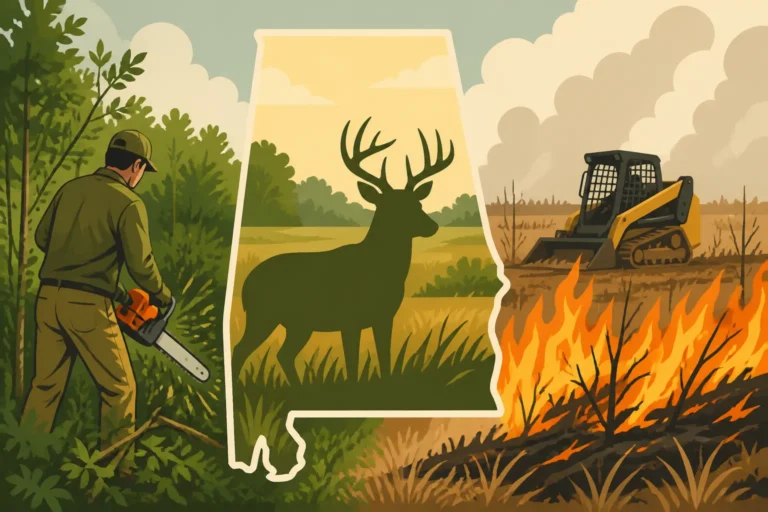
Many clubs go beyond simply leasing land and allowing hunting; they actively engage in wildlife management to improve habitat and enhance hunting opportunities. This can involve planting diverse food plots like clover, winter wheat, or soybeans, conducting controlled burns, thinning timber, or implementing specific harvest strategies. These efforts require financial investment in seeds, fertilizer, equipment, and sometimes even professional consultation.
A club dedicated to growing trophy bucks, for instance, might have stricter antler restrictions and invest heavily in high-quality food plots designed for deer nutrition. Similarly, a club focused on wild quail might engage in intensive longleaf pine restoration and prescribed burning, as discussed in Longleaf Pine Savanna for Deer. These management activities benefit all members by improving the overall health and quality of the game animals on the property, and their costs are reflected in the dues.
Understanding the Range of Costs: From Bare-Bones to Full-Service
The world of Alabama hunting clubs is not a one-size-fits-all proposition when it comes to cost. You can find everything from very basic, self-sufficient groups to luxurious, all-inclusive operations. The price tag directly correlates with the amenities, services, and management level offered.
The Basic Lease Syndicate: DIY and Budget-Friendly
At one end of the spectrum, you have the informal "lease syndicate" or small group of friends who pool resources to lease a tract of land. These clubs typically have the lowest annual dues because members do almost all the work themselves. They split the lease cost, insurance, and maybe a few bags of food plot seed, but everything else is DIY.
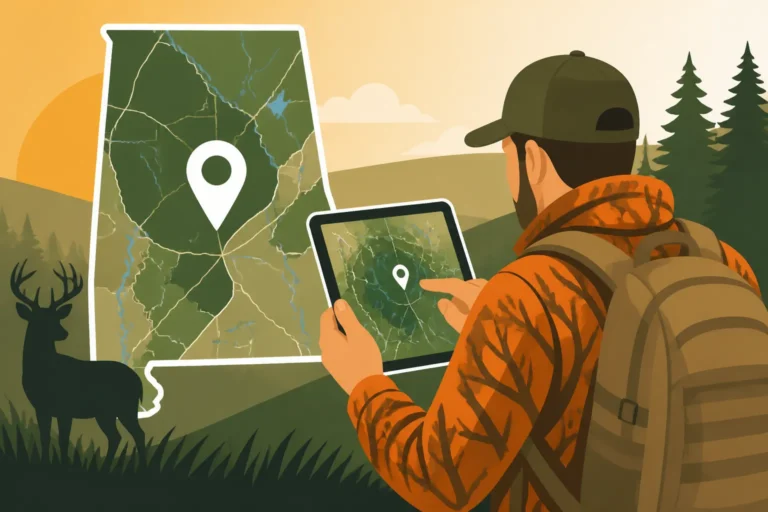
In such a setup, you're responsible for hanging your own stands, scouting your own areas, and maintaining your hunting spots. There might not be a shared camp house, or even established internal roads beyond what you create with a chainsaw and ATV. This model appeals to hunters who enjoy the challenge of hands-on management and prefer to keep costs down. It requires a significant time commitment from each member, but offers great autonomy and a more rustic experience. You might use a mapping app like onX Hunt to precisely understand the boundaries and features of your leased land, as well as to coordinate with fellow members on stand locations or food plot planning.
Managed Clubs: Shared Responsibilities and Mid-Range Costs
Moving up a notch, many clubs fall into the "managed" category. These clubs still expect member participation but often have a more structured approach to land management and shared resources. Dues will be higher than a bare-bones syndicate because they typically cover more substantial investments in food plots, road maintenance, and communal facilities.
Managed clubs often have designated club workdays where members come together to plant food plots, clear shooting lanes, or perform maintenance on stands and blinds. They might have a basic camp house with a kitchen, bunk beds, and a communal skinning area. The benefit here is a more organized experience and less individual burden for major tasks. Members still contribute sweat equity, but the overall hunting infrastructure is often better developed. You might find better internal road systems, established green fields, and perhaps even designated parking areas. These clubs balance cost with convenience, making them a popular choice for many Alabama hunters.
Full-Service Lodge and Managed Properties: Premium Experience
At the top end, you'll find full-service hunting lodges and intensively managed properties, often with professional staff. These operations command the highest dues or package prices, but they also offer a truly premium, often hands-off, hunting experience. This is where you'd look for an all-inclusive deer package.
A full-service lodge might include luxurious accommodations, chef-prepared meals, guided hunts, and fully maintained stands or ground blinds. The property itself is usually under professional wildlife management, ensuring optimal habitat and healthy game populations. You're paying for convenience, comfort, and often a higher likelihood of success on trophy-quality animals. For many busy professionals or hunters traveling from out of state, this model provides an unparalleled experience without the time commitment of property management. These clubs often focus heavily on managing the Alabama deer age structure to produce mature bucks.
Here’s a simplified breakdown of how amenities generally correlate with cost:
| Club Type | Typical Amenities | Member Involvement | General Cost Implications |
|---|---|---|---|
| Basic Lease Syndicate | Raw land lease, shared insurance | High (DIY everything) | Low |
| Managed Club | Lease, insurance, communal food plots, roads, basic camp | Medium (Workdays) | Medium |
| Full-Service Lodge | Lease, insurance, guides, lodging, meals, maintained stands | Low (Focus on hunt) | High |
Beyond the Annual Dues: Hidden and Unexpected Expenses
While the annual dues are the most obvious cost of joining a hunting club, it's crucial to budget for other, often overlooked expenses. These "hidden" costs can quickly add up and turn an affordable-looking membership into a financial strain if not anticipated.
Workday Requirements and Penalties
Many managed clubs rely on member participation for upkeep. This often means mandatory workdays throughout the year, typically in the spring and summer, to plant food plots, clear shooting lanes, or maintain roads. If you can't attend these workdays, many clubs levy a penalty fee. This isn't meant to punish you, but to compensate for the labor you couldn't provide, which then has to be covered by other members or hired help.
Consider your schedule carefully. If you travel frequently for work or have a demanding family life, those missed workday penalties could become a significant recurring expense. It's important to ask about the number of required workdays and the associated fees for non-participation before committing. Some clubs are more flexible than others, offering alternative ways to contribute, but clear communication upfront is key.
Stand Maintenance, Personal Gear, and Fuel
Even in clubs where some infrastructure is provided, personal hunting gear remains a significant expense. You'll need your own tree stands, ground blinds, trail cameras, and the fuel to get to and from your hunting spots. In a basic club, you're responsible for purchasing, installing, and maintaining all your stands. In a more managed club, while stands might be provided, you're still responsible for your personal equipment.
Don't forget the cost of fuel for your truck, ATV, or UTV to reach the club property and navigate internal roads. If the club is a significant drive from your home, those weekly trips during hunting season can add up quickly. Think about the costs of food plot seed, fertilizer, and even attractants if you're involved in managing your personal hunting areas. Where to Hang a Camera on a Logging Road and the associated costs of multiple cameras and SD cards are also factors.
Guest Fees and Family Memberships
Most clubs have rules regarding guests, and almost all will charge a guest fee, especially for hunting guests. This fee can range from a nominal amount for small game or observation to a substantial daily rate for deer or turkey hunting. If you enjoy bringing friends or family members to hunt with you, these fees can quickly accumulate.
Similarly, if you plan to bring your spouse or children, inquire about family membership options. Some clubs offer reduced rates or free access for immediate family members, while others treat everyone as an individual hunter. Family Membership Rules at Alabama Clubs can vary wildly, so clarify these policies upfront. This is particularly important if you're looking for a club that can be a family outdoor destination, not just a solo hunting escape.
Meat Processing and Taxidermy
While not strictly a club due, the costs associated with processing your harvested game are part of the overall hunting budget. After a successful hunt, you'll need to pay for butchering services or invest in your own processing equipment. Similarly, if you're lucky enough to harvest a trophy animal, taxidermy fees can be substantial.
These are exciting expenses, of course, but they are expenses nonetheless. Factor in the cost of a full shoulder mount for a nice buck or a full fan mount for a gobbler. Even basic processing of venison can run a decent chunk of change, especially if you get multiple deer during the season or harvest some Alabama Feral Hog Regulations animals. Many hunters overlook these post-harvest costs when calculating their season's budget.
Making the Investment Work for You
Joining a hunting club is a significant commitment, both in terms of time and money. To ensure you're making a wise investment and finding the right fit, it pays to do your homework and be clear about your expectations.
Research and Ask the Right Questions
Before you even consider putting down a deposit, thoroughly research potential clubs. Don't be shy about asking detailed questions. What exactly do the dues cover? Are there any additional assessments or mandatory fees? What are the guest policies and associated costs? How many members are on the lease, and what is the acreage per member? This last question is vital for understanding Hunting Pressure on Alabama Public Land and private land.
Talk to current or past members if possible. Ask about the club culture, the management philosophy, and how conflicts are resolved. Understanding these dynamics can save you a lot of headaches down the road. Use tools like Scouting With the Outdoor Alabama App or onX Hunt to look at the club's general area, understand habitat types, and check for nearby public land if that's a consideration.
Consider Your Hunting Style and Goals
Are you primarily a bowhunter seeking solitude and the challenge of still-hunting? Or do you prefer gun hunting with friends, perhaps participating in deer drives? Some clubs cater to specific styles of hunting or offer diverse terrain for different methods. If you're passionate about Spring Turkey Hunting in Alabama, ensure the club has a healthy turkey population and allows ample opportunity for spring hunting.
Likewise, be honest about your expectations for trophy quality. If you're solely focused on harvesting a Boone and Crockett buck, a club with strict age-structure management and higher dues might be a better fit than a more casual "meat hunting" club. Conversely, if you just want consistent opportunities for deer and Squirrel and Small Game Hunting in Alabama, a less expensive, less intensively managed club might be perfect.
Visit the Property and Meet the Leadership
Don't ever join a club sight unseen. Schedule a visit to the property, preferably during the off-season, to get a feel for the land, the amenities, and the overall atmosphere. This is your chance to see the condition of the roads, the quality of the food plots, and the state of any communal facilities.
Meeting the club leadership (president, secretary, etc.) is also crucial. Do they seem organized and transparent? Do their stated management goals align with what you see on the ground? A good club will be well-managed, with clear rules and leadership that communicates effectively. A good opportunity to ask questions is also to inquire about the club's policy on Trail Camera Rules on Alabama Public Land and private land to ensure you're on the same page.
Read the Club By-Laws and Lease Agreement Carefully
Finally, before you sign anything or hand over any money, obtain and thoroughly read the club's by-laws and a copy of the lease agreement. These documents are the governing rules of the club and outline everything from hunting ethics to financial obligations, guest policies, and dispute resolution.
Pay close attention to clauses about annual dues increases, assessments, and what happens if you decide to leave the club mid-season. Understand the specific Alabama Hunting Lease Costs per acre if available, and how the club handles renewal with the landowner. This due diligence can prevent misunderstandings and protect your investment in what should be a rewarding part of your hunting life.
Disclaimer
This article is for general informational purposes only and does not constitute professional advice. Laws, prices and regulations vary by location and change over time. Consult a qualified professional for guidance on your specific situation.