Freedom Hills CWD Zone Public Ground
Hunting public land in Alabama is already a challenge, with finding the right access and understanding general regulations being a hurdle for many. But when you throw in the complexities of a Chronic Wasting Disease (CWD) Management Zone, it can feel like a whole new ballgame, adding layers of specific rules and anxieties about your harvest. This guide is here to unravel those complexities, focusing specifically on Freedom Hills Wildlife Management Area and how to successfully, and responsibly, hunt this important CWD zone public ground.
Understanding Freedom Hills WMA within the CWD Zone
Freedom Hills Wildlife Management Area (WMA) is a fantastic piece of public ground, offering diverse hunting opportunities in Northwest Alabama. However, its location means that hunters need to be extra vigilant and informed about the specific regulations tied to the Chronic Wasting Disease Management Zone. It’s not enough to just know the general WMA rules; you absolutely have to understand the CWD protocols to stay legal and help protect Alabama’s deer herd.
Location, Landscape, and Its Place in the CWD Zone
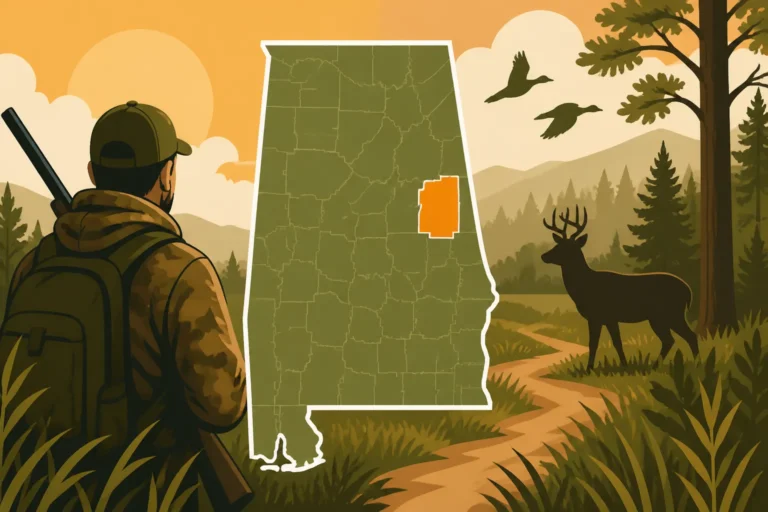
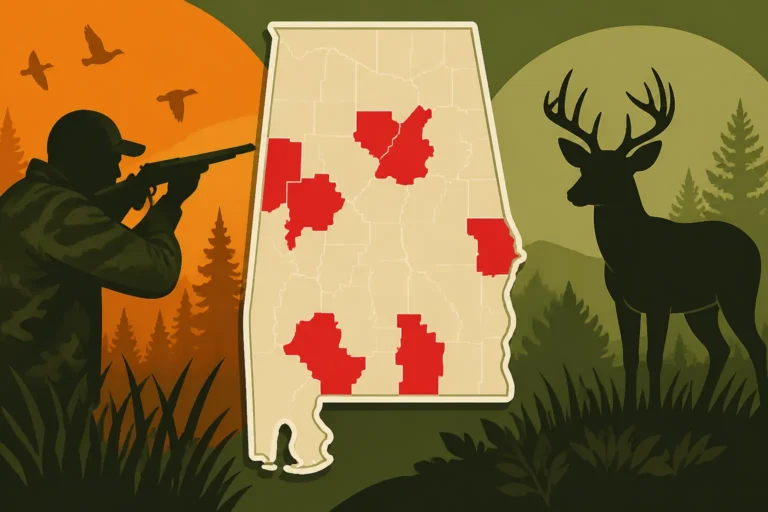
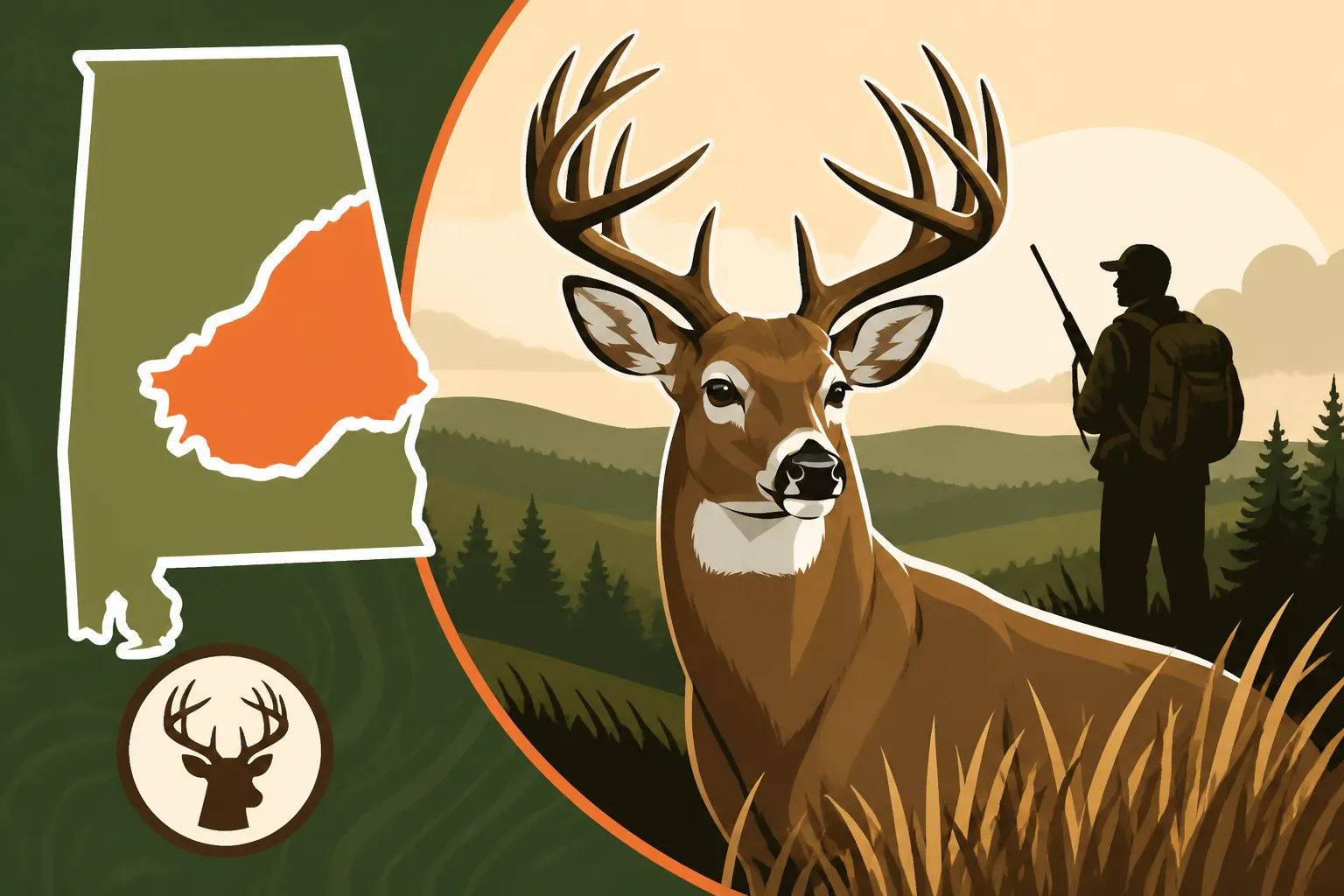
Freedom Hills WMA spans parts of Colbert and Franklin counties, offering a mix of rolling hills, hardwood bottoms, pine plantations, and agricultural fields. It's a beautiful, productive area, but its proximity to the initial CWD detections means it falls squarely within the CWD Management Zone (CMZ). This isn't just a geographical designation; it comes with a strict set of rules designed to monitor and contain the disease. Knowing that you're hunting within this zone means your preparation, hunting, and post-harvest actions need to be adjusted accordingly. You're not just hunting a WMA; you're hunting a WMA in a CWD zone, and that's an important distinction. The CWD Management Zone was established to manage and monitor the disease, and Which Counties Sit in Alabama's CWD Zone is critical information for any hunter considering this area.
The landscape itself at Freedom Hills, with its varied timber types and elevation changes, creates a lot of habitat for deer. You’ll find thick cover for bedding, open hardwoods for mast crops like acorns, and often small pockets of planted food plots or natural browse. Navigating these areas effectively requires good mapping tools and an understanding of how deer use the terrain. Whether you're hunting the ridges or the creek bottoms, remembering that you're operating under CWD protocols is paramount. This WMA sees its fair share of pressure, so understanding deer movement patterns in response to that pressure is also key, even more so when considering the CWD implications.
CWD Regulations You Must Know for Freedom Hills
Hunting in Freedom Hills WMA means you are hunting in a highly regulated area specifically concerning Chronic Wasting Disease. The Alabama Department of Conservation and Natural Resources (ADCNR) has implemented mandatory regulations here that are different from WMAs outside the CMZ. The most critical rules revolve around deer carcass movement and mandatory CWD testing. You can't just harvest a deer and head home without following these specific steps; it’s a non-negotiable part of hunting this area. For instance, there are periods for Mandatory CWD Testing Weekends where all harvested deer must be brought to designated sampling stations within the zone for testing. This isn't optional; it's a requirement to help biologists track the disease.
Another major regulation involves Alabama Carcass Movement Restrictions. You absolutely cannot remove whole carcasses, or certain parts of deer, from the CWD Management Zone. This is to prevent the potential spread of CWD to other parts of the state. Typically, you can only transport boned-out meat, cleaned skull plates with antlers attached, or taxidermy-ready capes outside the zone. This means you need to be prepared to process your deer right there or at a facility within the CMZ before leaving. Many hunters find this the biggest adjustment, as it often means bringing more processing equipment or planning for more time in the field after a harvest. Ignorance of these rules is not an excuse, and violations can carry significant penalties.
Scouting and Strategy for Success in Freedom Hills
Success in any hunting endeavor hinges on thorough scouting, and that's doubly true for a WMA within a CWD zone like Freedom Hills. You need to identify promising areas for deer activity, understand hunter access and pressure, and formulate a plan that aligns with both hunting regulations and CWD protocols. Don't just show up on opening day hoping for the best; put in the work beforehand.
Digital Scouting Essentials for Freedom Hills
Before you ever set foot on the ground at Freedom Hills, a good digital scouting session can save you immense time and effort. This is where tools like onX Hunt and GoHunt really shine. You can use these platforms to analyze the topography, identify potential bedding areas on steep slopes or in thick clearcuts, locate natural funnels between timber blocks, and mark likely travel corridors along ridge lines or creek beds. OnX Hunt, in particular, allows you to overlay different map layers, showing public land boundaries, timber types, and even past harvests or reported sightings in some aggregated data features. This helps you develop an initial game plan, identifying areas less likely to be pressured due to difficult access or dense cover. You can also use these tools to mark potential CWD sampling station locations, or even map out a safe route for deer retrieval within the CMZ rules. This is far more efficient than just wandering aimlessly. When you're trying to figure out where deer might be feeding or bedding, Reading Aerial Photos for Piedmont Deer can give you an incredible advantage, helping you pinpoint those crucial spots before you even hit the woods.
Furthermore, digital scouting isn't just about finding deer; it's about understanding the hunting environment. You can identify primary access roads, potential parking areas, and even estimate where other hunters might congregate. This can help you find those overlooked pockets that might hold deer seeking refuge. Plotting out multiple entry and exit routes, considering prevailing winds and thermals, is also much easier with a detailed digital map. Remember, every piece of public ground, especially one subject to high-stakes regulations like CWD, will have its quirks. Taking the time with onX Hunt or GoHunt allows you to virtually "walk" the property, making more informed decisions about where to focus your limited hunting time once you're on site.
On-the-Ground Reconnaissance in the CWD Zone
While digital scouting is invaluable, there’s no substitute for boots-on-the-ground reconnaissance. This is where you verify your digital findings, uncover fresh sign, and get a true feel for the terrain and deer activity. When scouting Freedom Hills, pay close attention to fresh tracks, rub lines, and active scrapes. In a CWD zone, understanding deer behavior and health is also part of the ethical hunter's responsibility. While you won't be able to diagnose CWD on sight, observing deer for any abnormal behavior or emaciation is something to keep in mind. Look for preferred browse, noting what deer are actively eating. Sometimes, the best spots aren’t visible from an aerial photo, like a subtle dip in a ridge or a thicket of briars in a hardwood bottom that provides perfect bedding cover. For instance, Finding Sign in Big Talladega Timber involves a keen eye for deer activity that might translate directly to spotting game in the varied timber of Freedom Hills.
Early season scouting, or even off-season walks, can reveal travel patterns that become less obvious once the leaves drop. Focus on areas where different habitat types meet, such as the edge of a pine plantation meeting a hardwood drain, or where a dense thicket funnels deer movement. Pay attention to water sources as well, especially during dry periods. Understanding how deer use the entire landscape, not just a small section, will give you a significant advantage. This includes identifying escape routes and how deer might react to pressure from other hunters. All this ground-level knowledge will inform your stand placement and hunting strategy when the season opens.
Hunting Tactics Tailored for Freedom Hills WMA
Hunting Freedom Hills WMA, particularly within the CWD zone, requires a blend of traditional deer hunting skills and an acute awareness of the specific conditions and regulations. The aim is not just to harvest a deer, but to do so responsibly and in full compliance with the CWD protocols.
Adapt Your Approach to Pressure and Terrain
Public land, by its nature, often sees more hunting pressure than private tracts. Freedom Hills is no exception. Deer on public ground quickly learn to adapt, often moving mostly at night or seeking refuge in the nastiest, thickest cover they can find during daylight hours. This means your tactics need to be focused on finding those overlooked pockets, or being willing to go deeper and farther than most other hunters. Think about remote ridge tops, dense creek bottoms, or the middle of extensive clearcuts that are tough to access. Understanding Hunting Pressure on Alabama Public Land is key to success on WMAs, as it often means getting off the beaten path.
The varied terrain of Freedom Hills, from its steep inclines to its flat bottoms, offers opportunities for different hunting styles. Some hunters might favor a mobile approach, still-hunting through the hardwoods or doing short, quiet pushes through thickets. Others might prefer setting up treestands or ground blinds in key travel corridors or near bedding areas, especially if they’ve identified a spot that sees less pressure. If you're using a treestand, remember that WMA rules often dictate how long a stand can remain in place or what type of stands are allowed. Always check the specific Freedom Hills Wildlife Management Area regulations beforehand. Adapt your approach based on what you find during scouting, how much pressure the area is seeing, and, crucially, how you plan to manage a successful harvest within the CWD rules.
Ethical Considerations and Game Recovery in the CMZ
Harvesting a deer is only half the job; ethical game recovery is paramount, even more so when operating in a CWD Management Zone. Shot placement is always critical, but within a CWD zone, minimizing tracking distances becomes even more important due to the specific handling requirements. Aim for clean, quick harvests to ensure a short, definitive blood trail. If you do have a longer track, having a plan for Tracking a Deer Through Alabama Pine Straw or even Blood Trailing After Dark in Alabama is essential, as the processing requirements mean you don't want a deer left out longer than necessary.
Once a deer is recovered, the CWD protocols kick in immediately. You'll need to know where the closest CWD sampling station is and understand the specific instructions for transporting the carcass. This might mean having tarps or large bags to contain blood and fluids during transport, especially if you plan to process the animal yourself. Preparing for this in advance—having the right tools for field dressing, boning out, and proper storage—is crucial. Failing to adhere to these rules not only puts you at risk of fines but also hinders the overall effort to manage CWD and protect Alabama's deer herd. Your ethical responsibility as a hunter extends beyond the shot to proper handling and reporting.
To help visualize the difference in regulations, here's a quick comparison of general WMA rules versus CWD-specific rules that apply to Freedom Hills.
| Feature / Regulation | General WMA Hunting (outside CMZ) | Freedom Hills WMA (inside CWD Management Zone) |
|---|---|---|
| Deer Carcass Movement | Generally unrestricted, can transport whole carcass statewide. | Restricted: Whole carcasses (except boned meat, clean skull plates, capes) cannot leave CMZ. |
| CWD Testing | Voluntary, often at hunter's discretion or specific collection sites. | Mandatory: Specific weekends require all harvested deer to be tested at designated stations. |
| Hunter Education | Required for most hunters born after a certain date. | Same: Alabama Hunter Education Requirements still apply. |
| WMA Permit | Required in addition to state hunting license. | Same: Alabama WMA Permit Requirement still applies. |
| Season Dates/Bag Limits | Specific to WMA, may differ from statewide or zone rules. | Same: WMA-specific dates and limits apply, but CWD rules are overlaid. |
| Hunter Access | Generally open during hunting seasons, specific gates/roads may close. | Same: Specific gates and roads may close, check WMA map. |
Remember, this table provides a general overview. Always consult the most current Alabama Hunting & Fishing Digest and specific WMA rules for the exact regulations, as they can change.
Disclaimer
This article is for general informational purposes only and does not constitute professional advice. Laws, prices and regulations vary by location and change over time. Consult a qualified professional for guidance on your specific situation.