Hunting a Clover Plot at First Light
Alabama hunters can intercept white-tailed deer by targeting morning travel corridors leading away from nocturnal food sources.

Alabama hunters can intercept white-tailed deer by targeting morning travel corridors leading away from nocturnal food sources.

Alabama river cane thickets offer whitetail deer secure sanctuary cover, food sources, and natural thermal regulation all season.
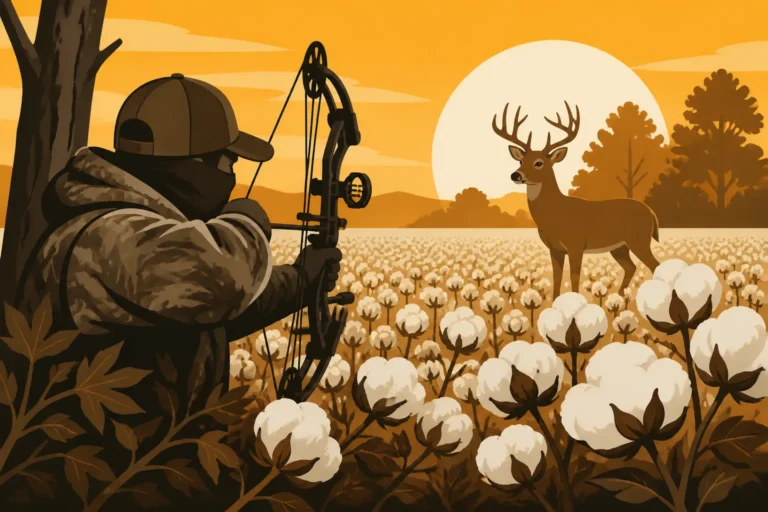
Alabama deer hunting in standing cotton fields provides late season food, thermal cover, and predictable movement patterns.
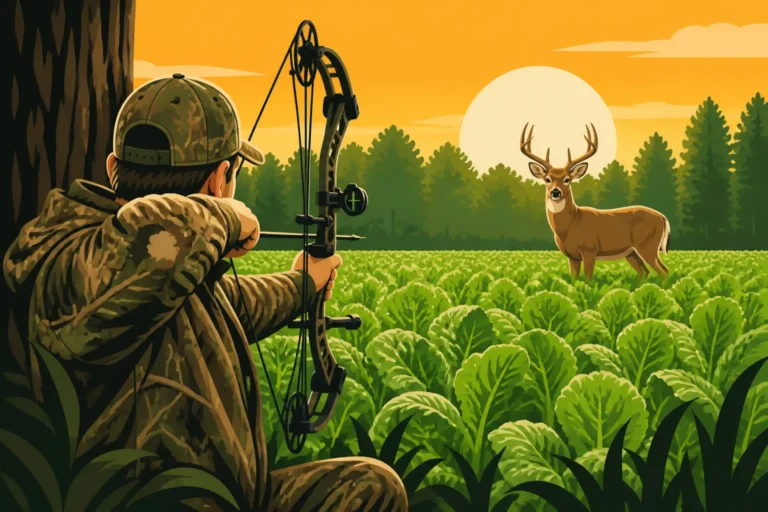
Alabama green fields and food plots dictate seasonal deer behavior, offering hunters strategies to fill tags successfully.
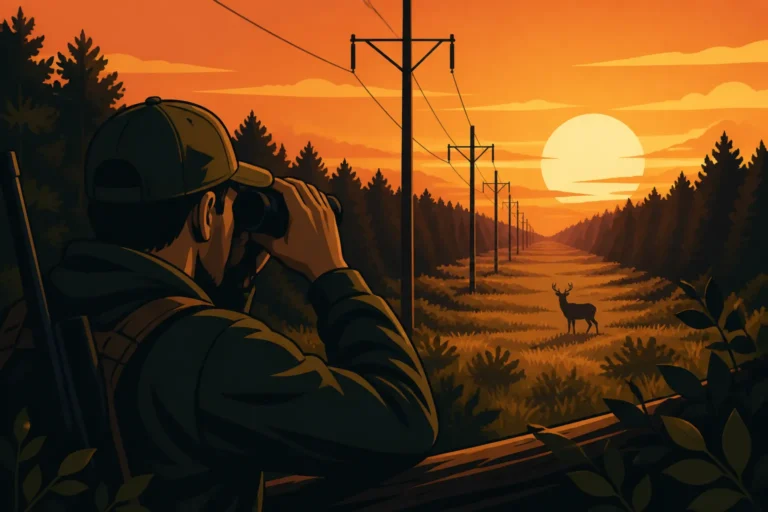
Glassing Alabama powerline cuts at dusk helps hunters spot whitetails using terrain features, travel routes, and food sources.
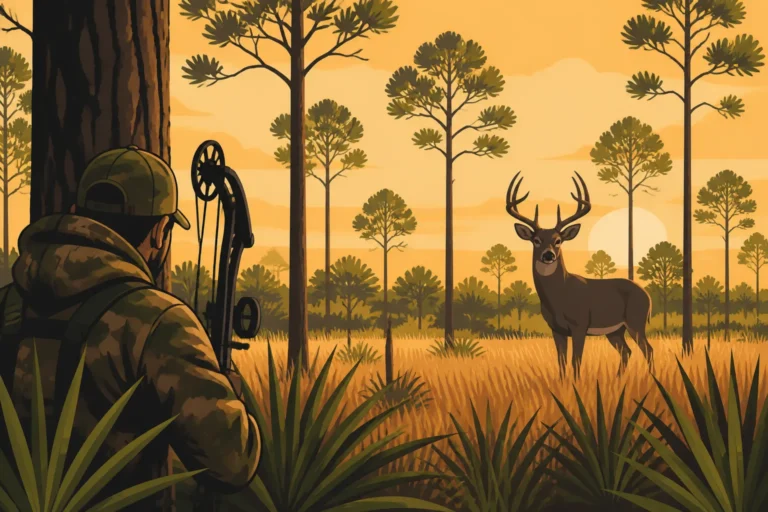
Deer hunting in Alabama longleaf pine savannas requires specialized scouting strategies, habitat understanding, and tracking techniques.
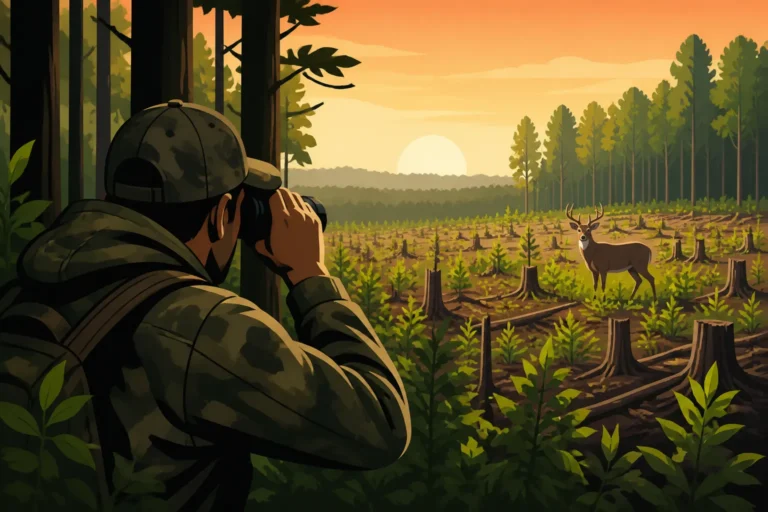
Alabama clear-cut regrowth edges provide white-tailed deer with cover and food, creating reliable hunting locations during the season.
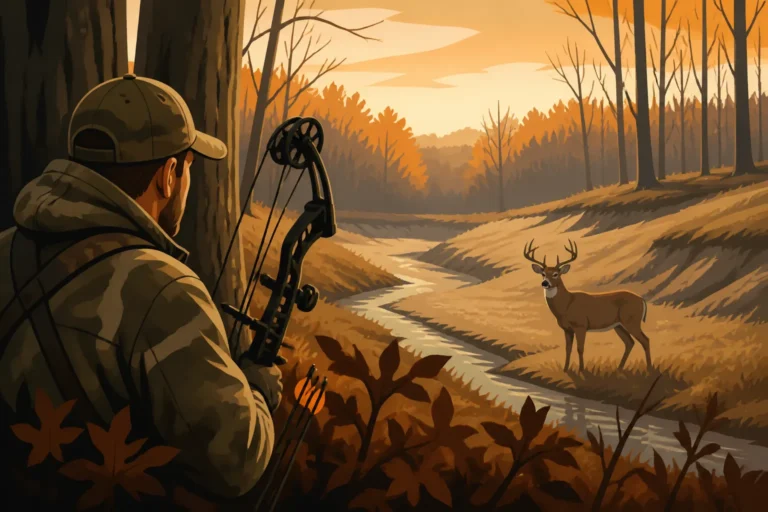
Alabama creek bottoms offer late-season deer thermal cover, honeysuckle browse, water, and oak acorns during cold winter months.
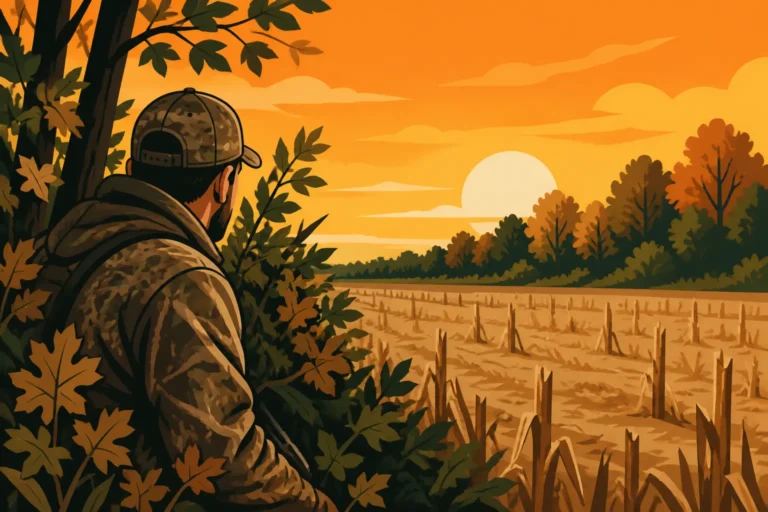
Alabama deer hunters can locate late season hideouts by using aerial mapping tools and scouting remaining patches of cover.
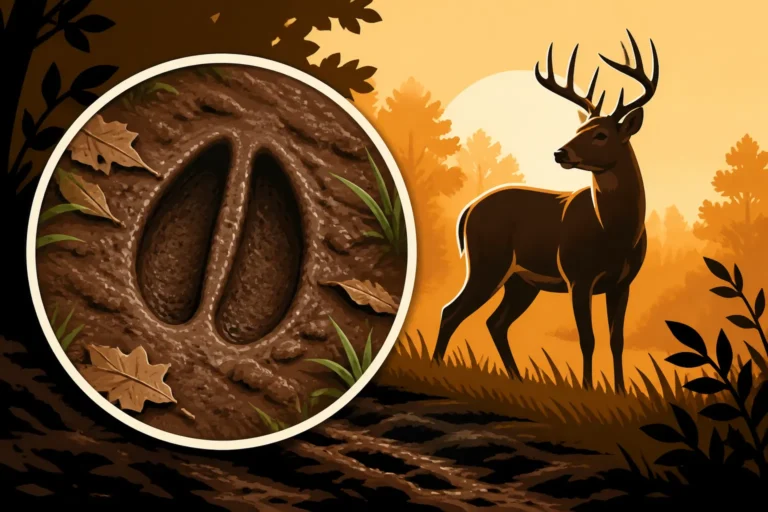
Alabama mud tracking reveals fresh deer movement with high precision, helping hunters find active wildlife in Bankhead Forest.