Coosa Wildlife Management Area
It can feel like a real challenge sometimes, can't it? You're itching to get into the woods, but finding quality public hunting land in Alabama that isn't completely overrun or tucked away in some far-flung corner of the state can be a struggle. Many of us know that feeling of poring over maps, wondering where to even start. That's why diving deep into specific spots like the Coosa Wildlife Management Area is so important. This guide is all about helping you understand Coosa WMA, from its terrain and prime hunting opportunities to the rules and strategies you'll need to make your next trip a success.
Getting to Know Coosa Wildlife Management Area
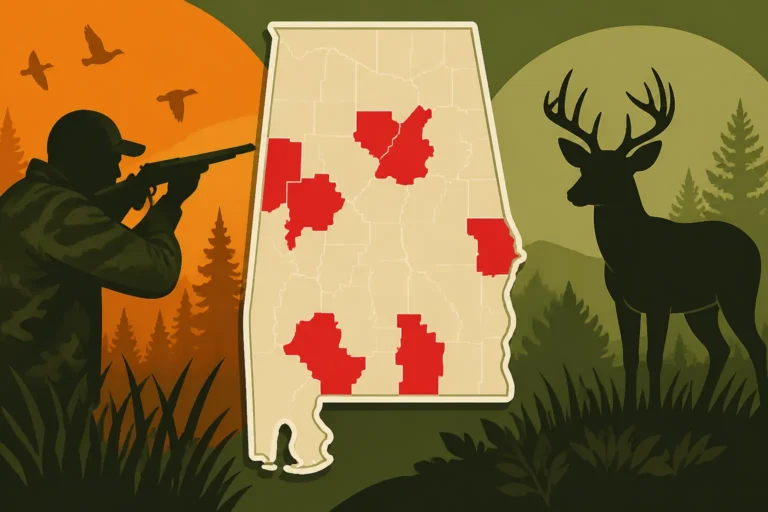
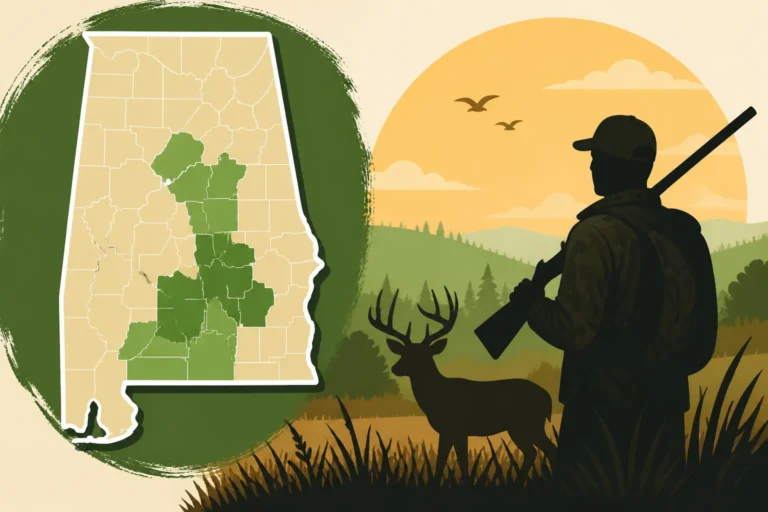
Coosa Wildlife Management Area is a gem nestled in central Alabama, offering a significant chunk of public hunting land that can be incredibly rewarding for those willing to put in the effort. It's not one of those sprawling national forests that covers hundreds of thousands of acres, but rather a more focused area that provides excellent habitat for various game species. Understanding its unique characteristics is the first step to a successful hunt.
Location and Landscape Overview
Coosa WMA is primarily located in Coosa County, though its boundaries might touch neighboring areas, and it sits within a region characterized by rolling hills, mixed timber, and proximity to the Tallapoosa River drainage. This isn't flat, open country; you'll encounter a fair amount of elevation change, with ridges, hollows, and creek bottoms that create natural travel corridors and bedding areas for deer and turkeys. The landscape is a classic Alabama mix of pine plantations, mature hardwoods along the creek drains, and areas of dense undergrowth from past timber operations. It’s a place where you truly feel immersed in the Alabama wilderness, far from the highway noise. When you're Scouting Alabama Public Land Before Season, really pay attention to how these features funnel game.
Habitat Types and Their Influence on Game
The mosaic of habitat types within Coosa WMA is what makes it so productive for a variety of game. You'll find everything from recently thinned pine stands that offer thick cover and browse, to mature oak and hickory bottomlands providing crucial mast crops, especially in the fall. These diverse habitats mean game animals don't have to travel far to find food, water, and cover. For deer, those dense pine thickets are often bedding sanctuaries, while the hardwood bottoms are dining rooms when acorns are dropping. Turkeys will utilize the open pine stands for strutting and bugging, but roost in those tall hardwoods along creek drainages. Understanding this patchwork and how it shifts with the seasons is key to patterning game. Mapping apps like onX Hunt can be incredibly helpful here, allowing you to visually distinguish between different timber types and terrain features before you even lace up your boots.
Game Species and Hunting Opportunities
Coosa WMA supports a healthy population of several popular game species, offering diverse hunting experiences throughout the year. While deer and turkey are undoubtedly the main draws, there are also opportunities for small game and even feral hogs, ensuring there's almost always something to pursue.
Whitetail Deer Hunting Prospects
Deer hunting at Coosa WMA can be fantastic, but it definitely demands effort. You won't find deer behind every tree, especially given public land pressure, but dedicated hunters who get away from easy access points often find success. The area typically produces a good number of deer, with healthy body weights, and while trophy bucks might not be as common as on intensely managed private land in the Black Belt, Coosa certainly holds its share of mature animals. Hunters often focus on the hardwood bottoms during the acorn drop or transition areas between bedding and feeding. Alabama Deer Season Structure Explained shows you the statewide framework, but remember to always check Coosa-specific WMA regulations for any variations in bag limits or season dates.
Wild Turkey Opportunities
Spring turkey hunting in Coosa WMA offers an exciting challenge. The rolling terrain and mixed timber provide excellent habitat for turkeys, and hearing that first gobble echo through the timber on a cool April morning is a feeling few hunters forget. Hunters often find success by locating roosting birds along creek systems or on higher ridges, then attempting to call them in. Patience and stealth are your best friends when pursuing these wary birds on public land. Like with deer, you’ll want to review the WMA regulations for specific season dates and bag limits, which might vary slightly from the general Spring Turkey Hunting in Alabama rules. Early morning scouting for fresh sign or listening for gobblers off the roost before the season opens can give you a significant advantage.
Small Game and Feral Hog Hunting
Beyond deer and turkey, Coosa WMA offers some great opportunities for small game and year-round feral hog hunting. Squirrels, both gray and fox, are abundant in the hardwood areas, especially during good mast years. Rabbit hunting can be productive in thickets and along old logging roads. Pursuing these smaller species can be a fantastic way to introduce new hunters to the woods or simply enjoy a day afield outside of big game seasons. Squirrel and Small Game Hunting in Alabama provides a general overview, but Coosa offers its own unique environment for these pursuits. Feral hogs are present year-round, and while they can be elusive, successful hunters often target them near water sources, rooting areas, or during night hunting (where legal and specifically allowed by WMA rules, so always check first!). Their presence also means constant management is needed, and any opportunity to harvest them is a benefit to the ecosystem.
Navigating the Terrain and Access Points
One of the biggest hurdles on any public land hunt is simply figuring out where to go and how to get there. Coosa WMA has a network of roads and trails, but knowing how to effectively use them, and when to leave them behind, is critical for success.
Primary Access Roads and Parking
Coosa WMA is typically accessed via county roads that branch off from main highways. These roads often transition into gravel or dirt roads that penetrate deeper into the WMA. You'll find designated parking areas at various points, often marked with WMA signs. It's really important to respect these parking areas and not block gates or private access points. Sometimes, the best hunting spots are a good walk from the nearest vehicle access, which naturally filters out some of the hunting pressure. Familiarize yourself with the main thoroughfares like Coosa County Roads 18, 55, or 63, which often provide primary entry. Always check the official Outdoor Alabama WMA map for the most current information on roads and parking, as conditions and access points can change.
Foot Traffic and Interior Access
While the roads get you into the general vicinity, getting away from the crowds and finding undisturbed game often means hitting the trails – or making your own. Coosa WMA has old logging roads and fire lanes that can serve as excellent walking paths, allowing you to cover ground quietly. However, don't be afraid to leave these established routes and dive into the timber. This is where a good mapping app becomes indispensable. With tools like onX Hunt, you can see not only the WMA boundaries and internal roads but also topographic lines, satellite imagery, and even historical timber cuts. This helps you identify natural funnels, thick bedding areas, and potential travel routes that others might overlook. Finding Ground Others Walk Past is a key strategy here. Just be sure you understand the WMA's rules on off-trail travel and tree stand placement, which often require portable stands and no permanent modifications.
Water Access and River Hunting Potential
Given Coosa WMA's proximity to the Tallapoosa River and various smaller creeks, there are definite opportunities for water access, especially for accessing less-pressured areas. If you have a canoe, kayak, or small jon boat, you might be able to put in at certain points and float into sections of the WMA that are difficult to reach by foot or vehicle. This can be particularly effective for early season scouting, accessing remote duck blinds on larger sloughs, or retrieving game from thick river bottom habitat. Always check water levels and current conditions, and be mindful of private property along the riverbanks. While Coosa isn't primarily known as a waterfowl hotspot, jump-shooting wood ducks in beaver ponds along creeks or accessing a remote portion of the Tallapoosa could be an option for dedicated hunters.
Essential Rules and Regulations for Coosa WMA
Hunting any Wildlife Management Area in Alabama comes with its own specific set of rules, and Coosa WMA is no exception. It's not enough to just know the statewide regulations; you absolutely must be familiar with the WMA-specific requirements to avoid citations and ensure a safe, legal, and ethical hunt.
WMA Permit Requirements
This is a big one that sometimes catches new public land hunters off guard. In addition to your regular Alabama hunting license – whether that's an annual resident or nonresident license – you are required to possess a valid Wildlife Management Area (WMA) license or permit to hunt on Coosa WMA. This permit is a separate purchase and essentially grants you access to hunt these managed public lands. It’s a small fee that goes directly back into managing these areas, which benefits us all. You can usually purchase this online through the Outdoor Alabama website or at license vendors. Always carry proof of all your required licenses and permits, as wardens do patrol these areas frequently. For a full breakdown, check out Alabama Hunting Licenses and What They Cost.
Deer and Turkey Bag Limits on the WMA
While Alabama has general statewide bag limits for deer and turkey, individual WMAs like Coosa often have their own specific regulations that might differ. For example, the legal days for hunting antlerless deer, or the number of turkeys you can take, might be more restrictive on a WMA than in the surrounding county. These rules are put in place by wildlife biologists to manage the local game populations effectively, taking into account habitat conditions and hunting pressure. You'll need to consult the current Alabama Hunting & Fishing Digest, specifically the section for Coosa WMA, or visit the Outdoor Alabama website. Don't assume the county's rules apply; always verify the WMA's regulations for antlered bucks, unantlered deer, and turkey gobblers. Sometimes, even the legal weapons can vary.
General WMA Rules and Considerations
Beyond licenses and bag limits, there are several other important rules to keep in mind when hunting Coosa WMA. These often include:
- Hunter Orange: Typically required during gun seasons for deer, even for archery hunters, so know the specific dates and minimum square inches required.
- Tree Stands and Ground Blinds: Most WMAs restrict tree stands to portable models only, meaning no permanent stands or cutting down trees to build one. They must be removed at the end of the season or within a certain timeframe. Ground blinds must also adhere to specific rules, often regarding material and removal.
- ATVs and Vehicles: Vehicle access is usually restricted to designated roads and parking areas. Off-road ATV use is often prohibited or limited to specific trails on certain dates.
- Camping: If camping is allowed, it will be in designated areas only. Random backcountry camping might be prohibited.
- Check-In/Check-Out: Some WMAs require hunters to check in and out, or to report their harvest through a specific WMA system in addition to the statewide Game Check. Always confirm if this applies to Coosa.
Here's a quick overview of some common WMA rules you might encounter, though again, always refer to the official Alabama regulations for Coosa WMA:
| Rule Category | Common WMA Guideline | Specifics to Verify for Coosa WMA |
|---|---|---|
| Hunter Orange | Required during gun seasons (e.g., 144 sq. inches on outer clothing). | Check specific dates of gun seasons and minimum acreage. |
| Tree Stands/Blinds | Portable stands only, must be removed after season/hunt. No damaging trees. | Confirm removal deadlines and any restrictions on type or material of stand/blind. Treestand Setups in Talladega National Forest principles often apply. |
| Vehicle Access | Restricted to designated public roads and parking areas. No off-road. | Verify map for open roads. ATV/UTV use often heavily restricted or prohibited. |
| Camping | Allowed only in designated campsites. | Check if camping is permitted and if so, specific locations and reservation requirements. |
| Harvest Reporting | Statewide Game Check required. Some WMAs have additional check-in/out or reporting. | Confirm if Coosa WMA requires an additional specific WMA check-in, check-out, or separate harvest report. |
| Baiting/Feeding | Generally prohibited on all public lands. | Strict no-baiting rule for deer and turkey. |
| Trail Cameras | Often allowed, but with specific rules on placement (e.g., no disturbing habitat). | Verify if allowed and any identification or placement requirements. |
Understanding these general rules, and then checking for the specific nuances for Coosa WMA, will make your hunt much smoother and prevent any unfortunate encounters with wildlife enforcement.
Planning Your Hunt for Success at Coosa WMA
A successful hunt on public land like Coosa WMA rarely happens by accident. It's the culmination of careful planning, diligent scouting, and smart execution. From pre-season preparations to what you carry in your pack, every detail matters.
Pre-Season Scouting Strategies
Scouting is paramount, and it should start long before opening day. Ideally, you want to put boots on the ground during the off-season to learn the lay of the land without the pressure of an open season. Look for pinch points, saddles, water sources, and signs of travel like old rubs or scrapes. Identifying these features during the spring and summer will give you a huge advantage when the leaves drop.
Utilize digital tools like onX Hunt to analyze topography, property boundaries, and timber cuts from your home. Look for areas that are difficult to access, as these often hold less-pressured game. Combine aerial imagery with topo maps to find hidden benches or secluded creek bends. Don't overlook tools like GoHunt for broader regional insights into game behavior, but remember that local knowledge from your own scouting trumps all. Pay attention to mast crop conditions; a good acorn year in a specific hollow can completely change deer movement patterns. Reading Aerial Photos for Piedmont Deer can really help here.
Essential Gear Considerations for Coosa's Terrain
Coosa WMA's terrain can be rugged, so your gear needs to be up to the task. Here's what you should definitely consider:
- Footwear: Sturdy, waterproof hiking boots with good ankle support are a must. You'll be covering ground, possibly crossing small creeks, and navigating uneven terrain.
- Navigation: While you might know the general area, a reliable GPS unit or a fully charged smartphone with a mapping app (like
onX Huntwith offline maps downloaded) is essential. A compass and paper map are excellent backups. Cell service can be spotty in some parts of the WMA. - Water and Food: Always carry more water than you think you'll need, especially during warmer early seasons. Pack high-energy snacks for long days afield.
- First Aid Kit: Accidents happen. A compact but comprehensive first aid kit for minor cuts, blisters, and emergencies is non-negotiable.
- Rain Gear: Alabama weather can be unpredictable. Lightweight, packable rain gear will save your hunt if a shower pops up.
- Game Processing Tools: Field dressing knife, game bags, and perhaps a small saw are necessary for after the shot.
- Lighting: Headlamp or flashlight, even for day hunts, is crucial for early morning walks in or late evening walks out.
Safety in the Woods
Hunting safety is paramount, especially on public land where other hunters might be present.
- Hunter Orange: As mentioned, know when and how much blaze orange is required. It's designed to make you visible to other hunters.
- Tell Someone Your Plan: Always let a friend or family member know exactly where you're going, your planned route, and when you expect to return.
- Buddy System: If possible, hunt with a partner. If you're solo, check in periodically with someone outside the woods.
- Weapon Safety: Always follow the four fundamental rules of firearm safety. Know your target and what is beyond it, especially in areas with varying topography.
- Tree Stand Safety: If using a tree stand, always wear a full-body harness and stay connected from the moment your feet leave the ground until you're safely back down. Inspect your stand and straps regularly.
- Weather Awareness: Be prepared for changing weather conditions. Cold fronts can bring great hunting, but also hypothermia risks if you're not properly dressed.
By approaching Coosa WMA with a respectful understanding of its unique characteristics, a thorough grasp of the rules, and a well-planned strategy, you'll be well on your way to a memorable and successful Alabama hunting experience. It's a challenging but deeply rewarding place to pursue game.
Disclaimer
This article is for general informational purposes only and does not constitute professional advice. Laws, prices and regulations vary by location and change over time. Consult a qualified professional for guidance on your specific situation.