Mulberry Fork Wildlife Management Area
Hunting on public land in Alabama can feel like trying to crack a secret code, especially when you're looking at a new Wildlife Management Area. The regulations seem to change, the terrain is unfamiliar, and you're never quite sure what to expect. This comprehensive guide is designed to demystify the Mulberry Fork Wildlife Management Area, helping you understand its unique landscape, the game it holds, and how to navigate its rules for a successful and enjoyable hunt.
Getting to Know Mulberry Fork WMA
The Mulberry Fork Wildlife Management Area, often just called Mulberry Fork, is one of those gems that offers a diverse hunting experience in Alabama. It's not just a patch of woods; it's a dynamic landscape shaped by the river it's named after, providing a rich mosaic of habitats for various game species. Understanding its geographical footprint and historical context is your first step toward cracking that public land code.
Geographic Location and Access Points
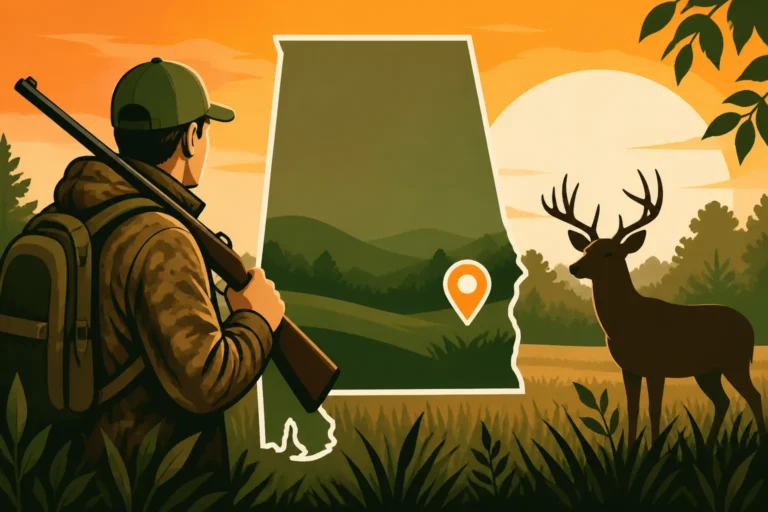
Mulberry Fork WMA is situated in north-central Alabama, primarily encompassing parts of Walker and Blount counties, with some sections possibly touching Jefferson County. Its defining feature, as the name suggests, is the Mulberry Fork of the Black Warrior River, which carves its way through the landscape, creating fertile bottoms and diverse ecosystems. This river influence is huge for how game moves and where they live. Getting there typically involves navigating rural roads off main highways like U.S. 78 or State Route 79. You'll often find designated parking areas and gates along these access roads, but it’s crucial to know exactly where you're headed. Relying on paper maps or satellite imagery from services like onX Hunt before you leave home is always a smart move. Cell service can be spotty in these areas, so don't count on real-time navigation once you're deep in the woods.
The varied topography means some access points might lead you straight into thick river bottom cover, while others could put you on higher, more rolling terrain. It's not always easy walking, especially after a good rain, so be prepared for muddy roads and slick trails. Checking local weather patterns a few days before your trip can save you a lot of headache, particularly when it comes to getting a vehicle in and out of some of the more remote spots. Always keep an eye out for WMA boundary signs; they can sometimes be subtle, but they're important for staying on track.
History and Management Philosophy
Mulberry Fork WMA, like many of Alabama's public hunting lands, has a rich history rooted in conservation efforts. It wasn't always a designated hunting area; much of this land was once private timberland or agricultural properties that eventually came under state management. The Alabama Department of Conservation and Natural Resources (ADCNR) manages Mulberry Fork with a multi-faceted approach, balancing timber production, wildlife habitat enhancement, and public recreation. This means you might encounter actively managed timber stands – areas recently thinned, clear-cut, or undergoing prescribed burns. These activities, while sometimes jarring to see, are critical for creating diverse age classes of forest, which in turn provides different types of food and cover for deer, turkeys, and small game.
The management philosophy here isn't just about growing big trees; it's about creating a sustainable ecosystem for game. You'll often find small food plots maintained by the state, strategically placed throughout the WMA to supplement natural forage, especially during lean periods. These plots can be magnets for deer and turkeys, particularly in the late season. Understanding this management approach helps you predict game movement. For example, deer might prefer new clear-cuts with abundant browse during certain times of year, while turkeys might frequent older, open timber stands for foraging. This ongoing habitat work is what makes a WMA like Mulberry Fork a consistently productive hunting area, despite the pressure it receives.
Game Species and Hunting Opportunities
Mulberry Fork WMA is a prime example of Alabama’s diverse hunting landscape, offering opportunities for a variety of game species. While deer and turkey are undoubtedly the stars, you’ll find plenty of action for other species too. Knowing what's available and their preferred habitats within the WMA can greatly increase your chances of success.
White-Tailed Deer Hunting
Deer hunting at Mulberry Fork WMA is popular, and for good reason. The combination of river bottoms, hardwood ridges, and managed pine stands provides ideal habitat for whitetails. The rich soils along the Mulberry Fork itself create fantastic browse opportunities, and you'll find deer often congregate in these areas, especially during the colder months when other food sources might be scarce. Bucks will use the thick cover along the river for bedding and travel corridors, making these areas prime spots for still-hunting or setting up a stand. White-Tailed Deer Across Alabama is a great resource if you're looking to understand regional trends.
As you move away from the river, into the mixed pine and hardwood uplands, deer behavior changes. They might be more scattered, but they'll still gravitate towards natural food sources like acorns from oak trees, especially during the fall. Areas with recent timber thinnings often create dense regrowth that provides excellent bedding cover and browse, drawing deer into these regenerated zones. Hunters often report seeing good numbers of deer, though mature bucks can be elusive, requiring patience and smart scouting. Remember, deer regulations in Alabama can vary by zone, and WMAs often have their own specific rules, so always check the latest ADCNR regulations for Mulberry Fork before heading out.
Wild Turkey Hunting
Spring turkey season at Mulberry Fork can be absolutely thrilling. The WMA's blend of mature hardwoods and open areas provides excellent turkey habitat. Gobblers will often roost in tall trees along the river or on prominent hardwood ridges, making these areas key spots for early morning setups. The sound of a gobbler echoing through the crisp morning air is what many hunters dream of, and Mulberry Fork delivers that experience.
Turkeys will spend their days foraging in open bottomlands, along logging roads, and in areas where prescribed burns have recently occurred, creating new growth and exposing insects. Understanding Alabama Spring Turkey Zones and Dates is crucial, as the season opener can vary across the state. In Mulberry Fork, calling strategies that mimic hens feeding or lost might work well, especially once birds are off the roost and actively searching. Be prepared to cover some ground, as turkeys can range widely, and don't be afraid to try some run-and-gun tactics, moving and calling until you get a response.
Small Game and Furbearer Opportunities
While deer and turkey get most of the attention, Mulberry Fork WMA also offers fantastic opportunities for small game and furbearers. Squirrel hunting is particularly good in the hardwood bottoms, especially during acorn crop years. Both gray and fox squirrels thrive in these areas, providing fast-paced action for hunters. It's a great way to introduce new hunters to the woods or enjoy a more relaxed outing. Rabbit hunting can also be productive in areas with dense brush and fencerows, especially if you have a good beagle. Squirrel and Small Game Hunting in Alabama provides a solid overview of these types of hunts.
Furbearers like coyotes, bobcats, and raccoons are also present. Coyote hunting is a year-round pursuit in Alabama, and calling techniques can be very effective in the WMA's varied terrain. Trapping opportunities for furbearers might also exist, subject to specific WMA regulations and state trapping laws, so always consult the ADCNR manual. The presence of these predators plays a role in the overall ecosystem, influencing deer and turkey populations, and hunting them can be a challenging but rewarding experience.
Understanding the Terrain and Habitat
The natural landscape of Mulberry Fork WMA is shaped profoundly by its namesake river, creating a fascinating mix of environments. Hunters who take the time to truly understand these different habitats will gain a significant advantage in predicting game movement and selecting effective hunting strategies.
River Bottoms and Hardwood Flats
The most distinctive feature of Mulberry Fork WMA is, without a doubt, the river bottomland. These areas, adjacent to the Mulberry Fork of the Black Warrior River, are characterized by rich, fertile soils that support towering hardwoods like various oak species, tupelo, sweetgum, and sycamore. During periods of heavy rain or prolonged wet spells, these areas can become inundated, creating challenges for access but also providing essential habitat. Deer and hogs are particularly drawn to these bottoms for their abundant food sources—acorns in the fall, green browse year-round, and tubers. The dense undergrowth here also provides excellent thermal and escape cover, making them prime bedding areas.
Hunting these river bottoms often requires a different approach. Stands might need to be set higher to account for potential flooding, and entry/exit routes must be carefully considered to avoid disturbing bedding deer. During the rut, these areas can be incredible funnels as bucks cruise for does. Turkeys will also use these hardwood flats, especially for foraging and roosting in the tallest trees near the water. For a successful hunt here, boots suitable for wet conditions are a must, and a keen eye for subtle trails through the thick vegetation will pay dividends. This is where a detailed mapping app like onX Hunt can show you subtle elevation changes that might otherwise be invisible on the ground, helping you find those slightly higher, drier spots within the bottom.
Upland Pine and Mixed Forest Stands
Moving away from the river, the terrain typically transitions into rolling uplands dominated by pine plantations and mixed pine-hardwood forests. These areas are often actively managed by the ADCNR through timber harvests, thinning operations, and prescribed burns. Each stage of timber management creates different habitat benefits. Recently clear-cut areas, for instance, explode with new growth, offering deer an abundance of browse and dense cover, though they can be incredibly thick to hunt. Thinned pine stands, on the other hand, provide more open understories, making for easier walking and better visibility, which can be great for still-hunting deer or locating turkeys.
The mixed pine-hardwood sections, especially those with mature mast-producing oaks interspersed with pine, are crucial during the fall. Deer will cycle between the thick bedding cover of the pines and the food sources of the hardwoods. Scouting these transitions—where a pine stand meets a hardwood ridge or a clear-cut edge—can reveal key travel corridors and feeding zones. Reading Aerial Photos for Piedmont Deer can be incredibly helpful for identifying these varied habitat types and planning your approach. These upland areas can also be excellent for squirrel hunting, particularly in the older pine stands where squirrels often nest.
Creek Systems and Ravines
Beyond the main river, Mulberry Fork WMA is crisscrossed by numerous smaller creeks, streams, and associated ravines. These smaller water features, even if they're seasonal or intermittent, create natural funnels and travel corridors for wildlife. Deer frequently use creek bottoms as protected routes to move between bedding and feeding areas, especially during daylight hours. The edges of these ravines often have varied vegetation, providing additional food sources and cover.
Hunting near these creek systems requires understanding local topography. Wind and thermals can be tricky in ravines, often swirling and carrying your scent in unpredictable ways. However, they also offer opportunities for strategic stand placement, especially if you can position yourself overlooking a natural crossing or a confluence of trails. Turkeys will sometimes use these creek bottoms for dusting or to escape pressure, and hunters might find roost trees along the steeper slopes. Pay attention to changes in elevation and the direction of water flow, as these can be key indicators of animal movement patterns.
Regulations and Permits Specific to Mulberry Fork
Hunting on any WMA in Alabama comes with its own set of rules, and Mulberry Fork is no exception. It’s not enough to just know the statewide regulations; you need to be intimately familiar with the specific guidelines that govern this particular management area. Failure to do so can result in lost hunting time, fines, or even losing your hunting privileges.
WMA Permit Requirements
The first and most critical rule for hunting Mulberry Fork, or any Alabama WMA, is possessing the correct permit. In addition to your regular state hunting license (which you can learn more about in Alabama Hunting Licenses and What They Cost), you must have an annual WMA permit. This permit is required for anyone 16 years of age or older who plans to hunt on an Alabama WMA. It's an additional cost, but it's essential for legal access. This permit helps fund the management and maintenance of these crucial public lands, so it's money well spent for the access it provides.
You can typically purchase this permit online through the Outdoor Alabama website or at various license vendors. Always ensure you have proof of your WMA permit, along with your hunting license, readily available while in the field. This could be a physical copy or stored digitally on your phone via the Outdoor Alabama app. Game wardens frequently patrol WMAs, and they will check for these permits. Don't let a simple oversight ruin your hunt; always double-check your paperwork before you head out. Alabama WMA Permit Requirement delves deeper into these specifics.
Deer and Turkey Zone Rules
Alabama is divided into several deer and turkey zones, each with its own specific season dates and bag limits. Mulberry Fork WMA falls within certain zones, and you need to know which ones apply. For instance, deer season dates, antlered buck limits (like the state's Alabama's Three-Buck Season Limit), and antlerless deer limits can vary significantly from one zone to the next, and even within the WMA itself there might be specific regulations. The WMA rules often supersede general zone rules, so always consult the current Alabama Hunting & Fishing Digest or the Outdoor Alabama website for the precise dates and harvest restrictions for Mulberry Fork WMA.
For turkey hunting, understanding the Alabama Spring Turkey Zones and Dates is also paramount. Zone boundaries can be tricky, and misidentifying your location could mean hunting out of season or exceeding bag limits. Some WMAs also have specific rules regarding legal hunting weapons, caliber restrictions, or special archery-only periods that differ from statewide regulations. Always verify the rules for deer and turkey specifically for Mulberry Fork WMA, as these areas are managed intensively and often have more conservative harvest strategies to ensure sustainable populations for public hunting.
Special Regulations and General WMA Rules
Beyond species-specific rules, WMAs like Mulberry Fork have a host of general regulations designed to ensure safety, minimize impact, and manage hunter pressure. These include rules about vehicle use, camping, tree stand placement, baiting, and use of trail cameras. For example, permanent tree stands are often prohibited, and portable stands must be removed daily or within a specific timeframe. Treestand Rules on Alabama Public Land offers valuable insight into these regulations. Baiting is generally forbidden on WMAs for deer and turkey, and there are strict guidelines for night hunting of hogs, including specific lighting requirements.
It's also important to be aware of any special hunt dates, quota hunts, or closures that might be in effect for Mulberry Fork. Some areas within the WMA might be temporarily closed for prescribed burns, timber operations, or special youth hunts. Always check the ADCNR website for any specific advisories or announcements for Mulberry Fork WMA before planning your trip. Ignorance of the rules is not an excuse, and game wardens enforce these regulations strictly to protect the resource and ensure a fair chase environment for all hunters.
| Game Species | Typical Seasons (WMA Specific Dates Apply) | Common Habitat in Mulberry Fork WMA | Weapon Restrictions (WMA Specific) | Bag Limit (WMA Specific) |
|---|---|---|---|---|
| White-tailed Deer | Archery, Muzzleloader, Gun | River bottoms, hardwood ridges, mixed pine/hardwood uplands, clear-cut edges | Varies by season | Varies by zone & WMA |
| Wild Turkey | Spring (Gobblers Only) | Mature hardwoods, river bottoms, open areas with good visibility, logging roads | Shotgun, Archery | Varies by zone & WMA |
| Feral Hogs | Year-Round (Private Land), WMA Season | River bottoms, creek drainages, dense thickets, muddy areas | Varies | No limit |
| Eastern Gray Squirrel | Fall/Winter | Hardwood bottoms, oak ridges, mature mixed forests | Small Caliber Rifle, Shotgun, Archery | Daily Limit (e.g., 8 per day) |
| Eastern Cottontail Rabbit | Fall/Winter | Dense brush, fencerows, regenerating clear-cuts, creek edges | Small Caliber Rifle, Shotgun, Archery | Daily Limit (e.g., 8 per day) |
| Coyote | Year-Round | All habitat types, particularly edges of fields, clear-cuts, and open timber | Varies | No limit |
Note: Always consult the current Alabama Hunting & Fishing Digest for the precise and most up-to-date regulations, season dates, and bag limits specific to Mulberry Fork WMA, as these can change annually.
Planning Your Mulberry Fork WMA Hunt
A successful hunting trip to Mulberry Fork WMA, especially if it's your first time, hinges on good planning. From understanding where to park to knowing what to bring, a little foresight can save you a lot of hassle and help you make the most of your time in the woods.
Access Points and Parking
Mulberry Fork WMA can be a sprawling place, and knowing the specific access points is crucial. Unlike private land where you might have one main gate, WMAs often have multiple entry points, sometimes just pull-offs along a county road. These points are usually marked with WMA signs. Before you leave home, use detailed mapping tools like onX Hunt or GoHunt to identify specific parking areas, gated roads, and trails. Pin these locations on your phone or GPS device so you can navigate even without cell service. It's frustrating to drive for miles, only to find a gate locked or no legal parking in your chosen area.
Be aware that some WMA roads are only open during certain periods or for specific types of vehicles. You might find "foot traffic only" gates, which are great for getting away from crowds but require a longer hike. Pay close attention to signage at all access points, as regulations can change. During peak seasons, popular parking areas can fill up quickly, especially on opening weekend. Consider less obvious entry points, or be prepared for an early start to secure a spot. Having a backup plan for a different access point if your first choice is crowded is always a smart move.
Camping and Nearby Lodging Options
For hunters looking to extend their stay at Mulberry Fork, understanding camping options is important. Many Alabama WMAs allow primitive camping in designated areas, or sometimes anywhere within the WMA that doesn't obstruct roads or trails, provided you follow specific rules. Always check the WMA's specific camping regulations regarding fire, trash, and length of stay. Primitive camping means no facilities – you're truly roughing it, so bring all your supplies, including water, and pack out everything you pack in.
If primitive camping isn't your style, or if the WMA doesn't allow it, look for nearby state parks or privately owned campgrounds that offer more amenities. While Mulberry Fork WMA is primarily a rural area, there might be small towns within a reasonable drive that offer motels or Airbnb rentals. For example, towns like Jasper or Oneonta aren't far and could provide lodging options. Booking ahead, especially during hunting season, is highly recommended to avoid disappointment. A comfortable night's rest can make all the difference on a multi-day hunt.
Essential Gear and Resources
Beyond your hunting weapon, license, and permits, a few essential items will make your Mulberry Fork hunt more productive and safe. A reliable GPS device or a smartphone with a pre-downloaded mapping app (like onX Hunt) is absolutely critical for navigation, especially for staying within WMA boundaries and finding your way back to your vehicle. Good quality optics (binoculars or a spotting scope) are invaluable for scouting and spotting game in thick cover. Don't forget a headlamp for early mornings and late evenings, as well as a first-aid kit, compass, and emergency whistle.
Always carry plenty of water and snacks, even for what you think might be a short hunt. The terrain can be tougher than expected, and you could be out longer than anticipated. Appropriate clothing layers for variable Alabama weather are also a must. Rain gear is always a good idea, as pop-up showers are common. For dragging out game, a deer cart or a good dragging harness can be a lifesaver, especially if you're hunting alone in the river bottoms. Finally, make sure you have a way to process and store your harvested game properly, especially in warmer Alabama temperatures. Knowing Field Dressing a Deer in Warm Weather is a skill every Alabama hunter should master.
Maximizing Your Success at Mulberry Fork WMA
Hunting public land successfully, especially in an area like Mulberry Fork WMA, isn't just about showing up with a gun. It requires strategy, adaptation, and an understanding of how to outsmart both the game and, at times, other hunters.
Pre-Season Scouting Strategies
Pre-season scouting is arguably the most critical component of success on any WMA, and Mulberry Fork is no exception. This isn't just a casual stroll; it's a deliberate mission to understand the land before the season even begins. Start with aerial maps from services like onX Hunt or the Outdoor Alabama app. Look for key features: river bends, creek drainages, variations in timber types (hardwood pockets, pine plantations, clear-cuts), and potential pinch points or funnels. Identify several possible entry points and potential stand locations. These digital tools allow you to cover vast amounts of ground from your couch. Scouting Alabama Public Land Before Season is an invaluable resource for starting this process.
Once you have some digital spots pinned, hit the ground. Focus on finding actual game sign: tracks, rubs, scrapes, and droppings. Pay attention to bedding areas, especially on benches along ridges or in thickets near water sources. Identify natural travel corridors between bedding and feeding areas. During the summer, look for distinct trails leading to water sources or persistent green forage. Don't be afraid to walk for miles; often, the best hunting spots are those that other hunters aren't willing to reach. Set up trail cameras in key areas if WMA regulations allow, and remember to retrieve them promptly after the season or within the permitted timeframe.
In-Season Tactics for Different Species
Once the season opens, your scouting pays off, but you still need adaptable tactics. For deer, consider the time of year. Early season often finds deer still on summer patterns, feeding heavily on soft mast or agricultural fields if they exist nearby. As the season progresses and the rut approaches, bucks become more mobile. Focus on transition zones between thick cover and feeding areas, or natural funnels created by topography or water features. If you're bowhunting, look for active Scrape Lines Along a Logging Road. During the peak of the rut in Alabama, especially within the zones Mulberry Fork occupies, rattling and grunting can be very effective, drawing curious bucks into range.
For turkey hunting in the spring, locator calls are your best friend. Get out early, well before dawn, and listen for gobblers on the roost. Once you hear one, set up quickly and subtly, aiming to be between the bird and potential strutting or feeding areas. Soft yelps and clucks can draw a gobbler in, but be patient. If a gobbler hangs up, try subtle changes in calling or even a finessed move to get slightly closer if the terrain allows. For small game like squirrels, focus on early morning or late afternoon hunts in hardwood bottomlands, looking for cutting sign under oak and hickory trees. Still-hunting slowly and quietly, or simply sitting and waiting, can be very effective.
Navigating Hunter Pressure and Finding Seclusion
One of the biggest challenges of public land hunting, especially on popular WMAs like Mulberry Fork, is hunter pressure. If you only hunt the easily accessible areas, you're likely to encounter other hunters, which can spook game and reduce your chances. The key is to find spots that other hunters overlook or are unwilling to reach. This usually means walking farther, often a mile or more from common parking areas, or tackling more difficult terrain like steep ravines or dense swamps. Hunting Pressure on Alabama Public Land covers this topic in detail.
Look for "neglected" pockets – small islands of cover, overlooked creek bottoms, or benches on steep hillsides that are hard to access. These often become refuges for mature animals seeking escape from pressure. Hunting mid-week instead of on weekends can also drastically reduce the number of other hunters you encounter. Another strategy is to embrace different hunting styles; while many hunters prefer static stand hunting, still-hunting slowly through less-pressured areas can be incredibly effective, allowing you to adapt to game movement and escape routes. Always be aware of your surroundings, wear blaze orange when required, and respect other hunters' space.
Disclaimer
This article is for general informational purposes only and does not constitute professional advice. Laws, prices and regulations vary by location and change over time. Consult a qualified professional for guidance on your specific situation.