Alabama Coyote Attacks on Livestock
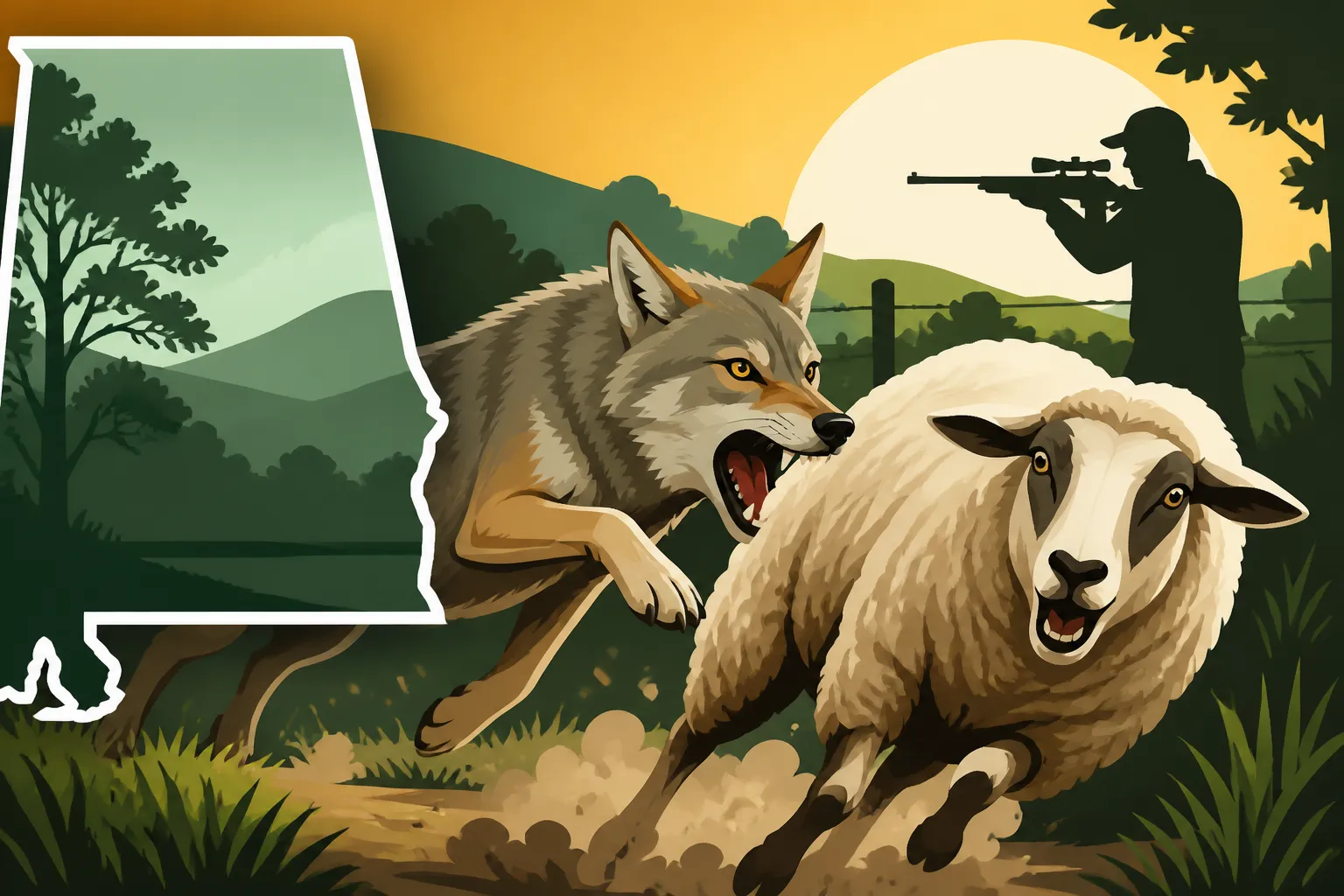
The heartbreak of walking out to your pasture and finding one of your valuable livestock animals, or even worse, a beloved family pet, fallen victim to a predator is a punch to the gut no farmer or homesteader wants to experience. Coyote attacks on livestock in Alabama are a growing concern for many, and understanding how these cunning predators operate and, more importantly, how to protect your animals, is absolutely crucial. This comprehensive guide will walk you through identifying the signs of a coyote attack, implementing preventative measures, and knowing what steps to take if you do suffer a loss.
Understanding the Coyote Threat to Alabama Livestock
Coyotes are incredibly adaptable animals, and their populations have expanded significantly across Alabama, moving into areas where they weren't historically dominant. This expansion means more interactions with human settlements and, unfortunately, with livestock. For a livestock owner, the sight of a coyote is rarely a welcome one, as it often signals a potential threat to their livelihood and the animals under their care.
Why Coyotes Target Livestock
It's important to remember that coyotes are opportunistic predators. They're not inherently malicious; they're simply looking for the easiest meal available to survive and feed their pups. While their natural diet consists mainly of small mammals like rabbits and rodents, as well as fruits, insects, and carrion, livestock can become an attractive target, especially when natural prey is scarce or easily accessible. A lone calf, a young lamb, or a flock of chickens can present a much less challenging meal than a wary deer or a quick-footed rabbit. Factors like poor fencing, open pastures at night, or even the presence of birthing animals can draw coyotes in. They learn quickly where vulnerabilities exist and will exploit them repeatedly. We've seen an increase in Alabama Coyote Attacks on Livestock as these populations continue to thrive.
Common Livestock Vulnerable to Coyote Predation
While a coyote might try its luck on a full-grown cow under desperate circumstances, certain livestock animals are far more vulnerable. Young animals, in particular, are at high risk. Calves, lambs, and goat kids are primary targets due to their size, lack of experience, and their mothers' sometimes inadequate defense against a persistent coyote. Poultry – chickens, ducks, turkeys, geese – are also extremely easy prey, especially if allowed to range freely without secure night housing. Even larger adult sheep and goats can fall victim, particularly if they are sick, old, or if multiple coyotes are working together. Understanding these vulnerabilities is the first step in creating a robust defense strategy for your farm.
Identifying Signs of Coyote Predation
Knowing what you're looking for after a suspected attack can make all the difference in confirming it was a coyote and taking appropriate action. It's not always as straightforward as it seems, as other predators or even domestic dogs can cause similar damage.
Carcass Examination and Bite Marks
If you find a deceased or injured animal, a thorough examination of the carcass is critical. Coyotes typically target the throat and neck of their prey. Look for puncture wounds in this area, often two distinct marks from their canine teeth. On smaller animals, like lambs or goats, you might also find bites to the flanks or hindquarters if the coyote was harassing or "herding" the animal before the kill. Unlike dog attacks, which can often be more indiscriminate and leave ragged, scattered wounds, coyote attacks are usually more focused on incapacitation. You might also notice signs of feeding, which coyotes often begin on the flanks or abdominal cavity. The presence of internal hemorrhaging around the bite marks, especially in the throat, confirms the attack occurred while the animal was alive.
Tracks, Scat, and Other Field Signs
Beyond the carcass, look for other evidence around the attack site. Coyote tracks are typically more elongated and oval-shaped than those of a domestic dog, with paw pads appearing closer together. They often leave a straighter trail, like they're walking on a tightrope, unlike the meandering path of a dog. Reading Alabama Mud for Fresh Deer Movement can give you a good sense of how to interpret tracks, and applying similar principles to coyote tracks is very helpful. Look for four distinct toe pads and clear claw marks.
Coyote scat (feces) can also be a telltale sign. It often contains hair, bone fragments, and sometimes even seeds or berries, reflecting their diverse diet. It's usually rope-like and can be found along trails, fence lines, or near potential dens. Finding fresh scat near your pasture, especially if it contains the hair of your livestock, is a strong indicator of their presence. Finally, listen for their distinctive howls and yips, particularly at dawn or dusk. While their presence doesn't always mean an attack is imminent, it's a clear signal to heighten your vigilance.
Differentiating from Other Predators or Domestic Dogs
This is where it gets tricky, but it's important for effective mitigation. Domestic dog attacks can often resemble coyote predation, especially if the dogs are feral or in a pack. However, dog attacks tend to be more "playful" or destructive, often leaving multiple, less precise bite marks all over the body, sometimes even on legs and tails. They might not focus on a quick kill and often leave behind uneaten carcasses.
Bobcat attacks, while less common on larger livestock, would typically involve smaller prey like poultry or very young lambs, and their tracks are usually rounder with no visible claw marks. Alabama's Recovering Bobcat Population means they are around, but tend to be more solitary and secretive. Feral hogs, while a huge problem in Alabama, cause damage through rooting and can prey on newborns, but their attack patterns are very different from coyotes, often involving slashing and crushing rather than a focused bite to the throat. Understanding these nuances helps ensure you implement the right defense strategy.
Proactive Strategies to Protect Livestock from Coyotes
The best defense is a good offense, and that holds true for protecting your livestock from coyotes. Implementing proactive measures can significantly reduce your risk of suffering losses. It's about making your animals less appealing and harder to access.
Secure Fencing and Enclosures
Good fencing is your first line of defense. While no fence is 100% coyote-proof, a well-constructed and maintained fence can deter most opportunistic coyotes. Woven wire fences, particularly those with smaller mesh, are generally more effective than barbed wire for containing livestock and deterring predators. For high-risk areas or especially vulnerable animals, consider adding a strand or two of electric fence wire, either on the top or bottom of the existing fence. Coyotes are often diggers, so burying the bottom of your fence or adding a "flair" of wire on the ground outward can prevent them from tunneling underneath. Regular inspection and repair of fence lines are absolutely essential; a small breach can quickly become a large problem.
For poultry or very young animals, secure night enclosures are non-negotiable. Coops and pens should have sturdy walls, hardware cloth (not chicken wire, which coyotes can chew through) over openings, and secure roofs. Don't underestimate a coyote's ability to climb or squeeze through small spaces. Building and Freshening a Hog Bait Site can involve similar principles of securing areas, but for containment rather than attraction.
Livestock Guardian Animals
This is one of the most effective and time-tested methods for deterring coyotes. Livestock guardian dogs (LGDs) like Great Pyrenees, Anatolian Shepherds, or Akbash dogs have been bred for centuries to protect herds. They bond with the livestock and see them as their own, actively patrolling, barking to alert, and even confronting predators. It's a significant commitment, requiring proper training, care, and integration with your herd, but many farmers swear by their LGDs.
Other guardian animals can also be effective. Donkeys, especially jenny (female) donkeys, can be very protective and will chase off coyotes. They have a natural aversion to canids and can deliver powerful kicks. Llamas can also serve as guardians, though they tend to be more effective with sheep and goats than with larger cattle. The key to success with any guardian animal is selecting an individual with the right temperament, proper socialization, and ensuring they are genuinely integrated with the livestock, not just living alongside them.
Removing Attractants and Habitat Modification
You might inadvertently be inviting coyotes to your property. Removing potential food sources and shelter can make your farm less attractive. This means properly disposing of livestock carcasses promptly. Leaving dead animals in the pasture is essentially setting out a dinner bell for coyotes and other scavengers. Implement a robust carcass disposal plan, whether it's burying, composting, or removal by a rendering service.
Manage brushy areas, dense thickets, and tall weeds around your pastures and barns. These areas provide excellent cover for coyotes to approach unseen or to establish dens. Maintaining clear sight lines around your livestock allows guardian animals or you to spot approaching threats sooner. If you have areas of Predator Calling Alabama Pine Plantations nearby, be especially vigilant as this habitat can be prime coyote territory.
Trapping and Hunting
When proactive measures aren't enough, or if you have a persistent problem coyote, trapping and hunting can be necessary tools. It's crucial to understand and adhere to all Alabama regulations regarding trapping and hunting coyotes. Coyotes are considered a nuisance animal in Alabama, and hunting regulations are generally quite liberal. On private land, you can often hunt them year-round, and night hunting with lights is permitted under certain conditions.
Working with experienced trappers or hunters who understand coyote behavior can be very effective in removing problem individuals. Trapping, especially snaring or foothold trapping, requires skill and knowledge to be done humanely and effectively, and it's often best left to professionals or those with specific training. The goal isn't necessarily to eradicate all coyotes from the landscape – an impossible task – but to remove those individuals actively preying on your livestock. GoHunt can be a useful tool for scouting your property, identifying travel corridors, and marking potential den sites where trapping efforts might be most effective. Understanding Alabama Coyote Range and Density in your local area can help inform these decisions.
Responding to and Reporting Coyote Attacks
Even with the best preventative measures, sometimes an attack happens. Knowing how to respond quickly and effectively can make a difference, both for your remaining animals and for future mitigation efforts.
Immediate Actions After an Attack
Your first priority after discovering an attack is the safety of your remaining animals. If possible, move uninjured livestock to a more secure enclosure, especially if the attack occurred in an open pasture. Check for any injured animals and provide immediate veterinary care if necessary. Document everything. Take clear photos of the deceased or injured animal, focusing on bite marks and the location of the attack. Note any tracks, scat, or other signs you find nearby. This documentation is crucial for confirming a coyote attack and for any potential reporting or compensation claims.
It's natural to feel frustrated and angry, but resist the urge to immediately retaliate without a plan. Haphazard hunting can sometimes make the problem worse, scattering the coyotes and making them more difficult to manage. Instead, focus on gathering evidence and then developing a targeted strategy.
Documenting and Reporting to Authorities
Once you've secured your animals and gathered initial evidence, it's wise to report the incident to your local Alabama Department of Conservation and Natural Resources (ADCNR) office or your county extension agent. They can often provide expert advice on confirming predation, offer resources for mitigation, and may even be able to connect you with trappers or other professionals. While there aren't widespread state-level compensation programs for livestock depredation by coyotes in Alabama, reporting incidents helps wildlife agencies track coyote activity and population trends, which can inform future management strategies. Your detailed documentation will be invaluable when communicating with these agencies.
The table below summarizes some key preventative strategies:
| Strategy | Description | Pros | Cons | Best For |
|---|---|---|---|---|
| Secure Fencing | Installing woven wire, electric fences, or burying fence bottoms around pastures and building robust night pens for vulnerable animals. | Physical barrier, deters opportunistic coyotes, provides clear boundary for livestock, electric fences add a psychological deterrent. | Can be expensive to install and maintain, not 100% foolproof against determined coyotes, requires regular inspection and repair. | All livestock, especially sheep, goats, poultry, and young calves/lambs. |
| Guardian Animals | Introducing specially bred Livestock Guardian Dogs (LGDs), donkeys, or llamas to bond with and protect the herd. | Constant, active deterrence; LGDs will confront predators; natural aversion of donkeys/llamas to canids; can be very effective long-term. | Significant commitment in terms of care, feeding, and training; may not be suitable for all farm setups; LGDs can bark a lot; donkeys/llamas require individual temperament assessment. | Sheep, goats, calves, poultry. Donkeys more effective for small ruminants. |
| Remove Attractants | Prompt and proper disposal of deceased livestock, managing brush and tall vegetation around pastures, securing garbage and feed. | Reduces incentive for coyotes to enter property; eliminates cover for ambush; cost-effective. | Requires consistent effort and vigilance; doesn't directly remove existing problem coyotes. | All types of livestock operations. |
| Trapping & Hunting | Utilizing snares, foothold traps, or targeted hunting (including night hunting where legal) to remove problem coyotes from the property. | Can effectively remove individual coyotes causing depredation; provides direct control over the specific threat. | Requires knowledge of regulations, skill in trapping/hunting techniques; can be time-consuming; non-target catches are a risk; may be politically sensitive; does not provide ongoing deterrence once the individual is removed. | When preventative measures fail and a specific problem animal is identified. |
Long-Term Management and Community Involvement
Effective coyote management often requires a long-term approach and, ideally, community involvement. If your neighbors are also experiencing issues, a coordinated effort can be far more effective than individual actions. Consider forming a local livestock protection group or simply communicating with your neighbors about coyote activity. Sharing information about sightings, tracks, and incidents can help everyone stay vigilant.
Continuing to educate yourself on coyote behavior and the latest mitigation techniques is also essential. The situation isn't static; coyote populations and their habits can shift. By staying informed and adopting a multi-faceted approach, you can significantly reduce the risk of Alabama Predator Impact on Fawn Recruitment on your ranch, or more generally, protect your livestock from these adaptable predators. Utilizing tools like GoHunt to visualize your property, mark areas of concern, and plan your defense can be a game-changer for many landowners.
Remember, protecting your livestock from coyotes is an ongoing challenge, but with a combination of robust physical barriers, active deterrents, careful land management, and informed intervention, you can significantly tip the odds in your favor.
Disclaimer
This article is for general informational purposes only and does not constitute professional advice. Laws, prices and regulations vary by location and change over time. Consult a qualified professional for guidance on your specific situation.