Where Alabama Gobblers Roost
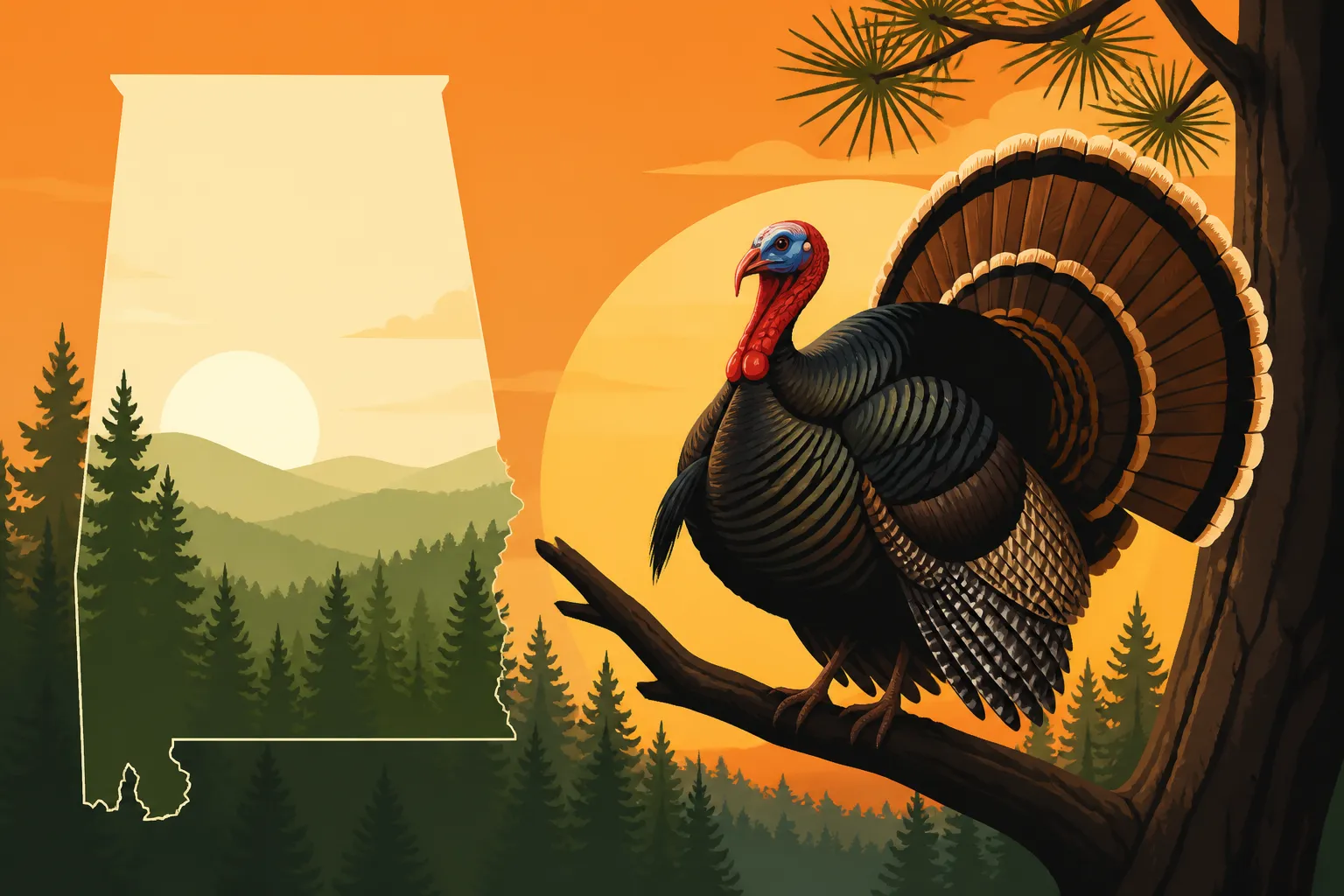
One of the most thrilling parts of spring turkey hunting in Alabama is that first gobble ringing through the pre-dawn woods. Knowing where those birds are likely to be before they even make a sound can make all the difference between a frustrating morning and an unforgettable hunt. It's a puzzle many hunters struggle with, but understanding why and where Alabama gobblers choose to roost is a game-changer for consistently getting on birds.
Understanding Why Alabama Gobblers Choose Their Roost
Have you ever wondered why a gobbler picks a particular tree to spend the night in, or why some spots seem to hold roosting birds year after year, while others remain silent? It’s not arbitrary; wild turkeys are incredibly strategic. Their roosting behavior is driven by a primal need for safety, a desire for a good vantage point, and a keen sense of planning for their morning activities. When you understand these motivations, you start to see the woods through a turkey's eyes, making your scouting efforts far more effective.
Safety from Ground Predators
At the top of a turkey’s priority list for a roost site is safety. The woods are full of hungry critters that would love a turkey dinner, especially at night when visibility is low. Coyotes, bobcats, foxes, and even raccoons are all threats. By flying up into trees, turkeys put a significant barrier between themselves and these terrestrial predators. They're looking for limbs that are high enough to be out of reach and sturdy enough to support their weight, especially when a whole flock might be settling in together.
Imagine a mature gobbler, heavy and not as agile on the ground in the dark. Getting a good 20-30 feet off the forest floor into a dense canopy provides immediate peace of mind. They often choose trees with a somewhat open understory directly beneath them, minimizing the chances of something sneaking up unseen, even at night. This also helps with their morning fly-down, ensuring a clear path to the ground without obstructions that could hide a waiting predator.
A Clear Vantage Point
Beyond just being safe, gobblers want to be able to see and hear what's going on around them, especially as dawn approaches. They'll often pick the tallest trees on a ridge, or perhaps a tree on the edge of a field or a creek bottom that allows them an unobstructed view of their surroundings. This vantage point helps them survey the landscape for potential threats before they fly down, but it also gives them a great view of where they might want to head first thing in the morning.
Think about standing on a high point and looking out over a valley. That's what a gobbler is doing. From their elevated perch, they can spot open fields, clearings, or travel corridors where hens might be feeding. They can also hear the subtle sounds of the waking woods – the rustle of leaves, the chirping of songbirds, and most importantly, the calls of other turkeys. This gives them a strategic advantage, allowing them to assess the situation and plan their next move even before their feet hit the ground.
Planning the Morning Fly-Down
A roost tree isn't just a bedroom; it's a launchpad for the day's activities. Turkeys are thinking about where they're going to land and where the food, water, and hens might be once they're on the ground. They're not going to fly down into a thick briar patch or a dense stand of pines if they can help it. They want a clear landing zone, ideally close to a preferred food source or a known travel route.
Sometimes, you'll notice gobblers consistently roosting over a particular creek crossing or near a specific food plot. This isn't a coincidence. They’ve likely used that spot before, and it offers easy access to what they need. Knowing this can help you predict their morning routine, giving you a serious edge in your setup. If you've been doing your homework and using tools like the mapping features in GoHunt to mark potential feeding areas or historical travel routes, you can often narrow down likely roosting spots even further.
Common Roosting Habitats Across Alabama
Alabama is a diverse state, from the mountains of the north to the coastal plains of the south. Just like deer, turkeys adapt their behavior to the local landscape. While the fundamental reasons for roosting remain the same, the types of trees and specific locations they choose can vary significantly. Understanding these regional preferences is key to successful Scouting Alabama Public Land Before Season.
Mature Hardwood Bottoms and River Systems
Across much of Alabama, especially in the central and southern portions, mature hardwood bottoms and timber along river systems are classic roosting spots. Think massive oaks, poplars, and sycamores with huge, spreading limbs. These trees offer everything a gobbler could want: height, strong horizontal limbs for easy perching, and often a relatively open understory. Areas like the Mobile-Tensaw Delta or the river bottoms in the Black Belt are prime examples.
In these areas, turkeys will often roost directly over or very near water. This provides an additional layer of predator protection, as many ground predators are hesitant to cross water, especially at night. These riparian zones also tend to hold a lot of insect life and early green-up, offering immediate food sources upon fly-down. When you're near a major water source like the Tombigbee or Alabama River, focus your attention on those large, old-growth hardwoods lining the banks or within the floodplains.
Ridge Tops and Isolated Pine Stands
Head north into areas like the Talladega or Bankhead National Forests, and you'll often find gobblers favoring the tallest pines or hardwoods on ridge tops. These elevated positions provide an unparalleled panoramic view, allowing them to hear and see for long distances. A lone super-tall pine standing sentinel on a high ridge can be a beacon for gobblers.
These ridge-top roosts are particularly common in the more rugged, mountainous terrain where continuous canopy can make choosing a single, dominant tree easier. Even in areas dominated by younger timber, an isolated stand of mature pines that survived past logging operations can be a magnet for birds. These provide a distinct advantage over surrounding, shorter growth. If you’re hunting the Sand Mountain Ridgelines or other elevated terrain, keep your eyes peeled for those dominant trees standing above the rest.
Creek Bottoms and Field Edges
In agricultural regions, particularly in the Black Belt Prairie or areas with a mix of timber and open ground, turkeys often roost in the trees lining creek bottoms or on the very edges of large fields. These spots offer easy access to morning food sources like waste grain, insects, or fresh green shoots. The trees along creek bottoms provide a natural travel corridor and often have the mature timber that turkeys prefer.
Imagine a string of massive pecan or oak trees running along a small creek that borders a vast soybean field. That's a textbook roosting scenario. The birds get their elevation for safety, and when they fly down, they're right on the edge of a prime feeding area. This setup is perfect for them to quickly gather hens and start their day foraging. When considering Turkey Tactics for Black Belt Field Edges, knowing these edge-of-field roosts are critical.
Here's a quick summary of preferred roost locations:
| Habitat Type | Typical Tree Species | Key Advantages | Common Regions in Alabama |
|---|---|---|---|
| Mature Hardwood Bottoms | Oak, Poplar, Sycamore | Height, strong limbs, predator defense (water) | Mobile-Tensaw Delta, Black Belt, Major River Systems |
| Ridge Tops | Pine, Oak (tallest) | Elevated vantage point, long-distance visibility | Talladega National Forest, Bankhead National Forest, North AL |
| Creek Bottoms & Field Edges | Pecan, Oak, Sweetgum | Easy access to food, cover, natural travel lanes | Agricultural areas, Black Belt, Piedmont |
| Isolated Tree Clusters | Any tall, mature species | Stands out from surrounding habitat, good visibility | Scattered throughout all regions, often in younger timber areas |
Scouting and Pinpointing Roost Sites
Finding where Alabama gobblers roost isn't just about luck; it's about smart, systematic scouting. While you can certainly stumble upon a bird, a methodical approach significantly increases your chances of being in the right place at the right time. This means putting in work before the season and leveraging tools to help you interpret the landscape.
Pre-Season Scouting and Map Study
Before you ever step foot in the woods with a shotgun, get familiar with your hunting area through maps. Online mapping tools, especially those that allow you to view topographical lines and aerial imagery, are invaluable. Look for the features discussed above: high ridges, creek drainages, mature timber stands, and the edges of fields. Pay attention to changes in elevation – even a slight rise can be a preferred roost site.
Using a platform like GoHunt, you can identify potential roosting areas and mark them as waypoints. Look for areas with older growth timber, especially in national forests like Talladega or Bankhead. Remember that turkeys often prefer to fly up into the biggest, most dominant trees. Circle these potential spots on your map and create a plan to visit them. This digital scouting can save you countless hours of aimless wandering once you're actually in the field.
Listening for the Evening Roost and Morning Fly-Down
The most classic way to find a roost is by listening. In the late afternoon, as the sun begins to set, turkeys will start flying up into their chosen trees. They often make a significant amount of noise doing so – wing beats, yelps, and sometimes even a final gobble before dark. Positioning yourself quietly near a suspected area in the evening can reveal exactly where they're settling in for the night. You'll want to get there well before dark, find a discreet listening post, and be patient.
Equally important is listening just before dawn. As the sky lightens, gobblers will start to sound off from their roosts. This is your cue! They'll often gobble multiple times before flying down, giving you critical information about their exact location. If you can hear a bird gobbling from the roost, you know precisely where to stage for a Calling an Alabama Gobbler Off the Roost setup. You're not trying to get under the tree, but rather within striking distance, usually 75-150 yards away, and in a position where the bird will fly down in your direction, or at least in a direction where you can intercept it.
Finding Physical Sign
While listening is key, physical sign on the ground can confirm a consistent roosting area. Turkeys leave droppings (known as "sign") directly under their roost trees. These droppings are typically elongated and white-capped for gobblers, while hens have more spiral-shaped droppings. The sheer volume of droppings under a tree can tell you how often it's used and by how many birds.
You might also find shed feathers, especially larger flight feathers, or disturbed leaf litter from their fly-down. Looking for these subtle clues takes a keen eye and a bit of patience, but it's often the definitive proof that you've found a consistent roost. If you notice a particular area has multiple roost trees, it’s a good indication of a primary roosting hub, likely used by a whole flock. This kind of consistent use could also mean you're close to where the Alabama Turkey Population Estimate indicates a healthy local flock.
Factors Influencing Roost Choices
Even the most consistent gobblers can change their roosting habits. It’s important to remember that turkeys are creatures of habit until something forces them to change. Understanding these influencing factors can help you adapt your strategy when your usual spots go silent or when conditions shift.
Weather Conditions
Weather is a massive factor. A severe thunderstorm with high winds will often send turkeys seeking more protected roost sites, perhaps deeper in a thick pine stand or in a sheltered hollow, rather than their usual exposed ridge-top perch. Conversely, on clear, calm nights, they might feel more comfortable taking those higher, more open positions.
Rain also plays a role. Turkeys don't like to fly down into puddles or soggy ground. If there's been heavy rain, they might choose a roost that allows them to fly down onto a drier, slightly elevated spot. Always check the forecast and think about how the weather might affect their choices. A sudden cold front, for instance, might make them prioritize roost sites closer to a dense thermal cover where they can escape the biting wind.
Hunting Pressure and Disturbance
Turkeys are smart. They quickly learn to associate certain areas with danger, and nothing makes them change their routine faster than hunting pressure. If a roost tree gets pressured too hard, or if a hunter spooks a bird off the roost, that bird (and likely the rest of the flock) will often abandon that spot for a while. They’ll seek out quieter, more secluded roosts, sometimes surprisingly close by, but often just far enough to feel safe again.
This is why stealth is so critical when approaching a roost. Loud noises, bright lights, or even just repeated human presence can cause birds to shift. Public land areas, especially those near easy access points, often see birds using less obvious roost sites as the season progresses. If your usual public land roosts are quiet, it might be time to use GoHunt to scout some deeper, harder-to-reach pockets, or try a Run-and-Gun Turkey Tactics on Public Land approach, covering more ground to locate less pressured birds.
Seasonal Changes and Food Availability
As the season progresses, the availability of certain food sources changes, and so can the turkeys' preferences. Early in the spring, when green-up is just beginning, turkeys might roost closer to fields or open areas with fresh forage. Later in the season, as insects become more prevalent and berries start to ripen, their focus might shift to different timber types or areas with more diverse food options.
For example, early season birds might be drawn to a creek bottom near an agricultural field, but as insects hatch and mature, they might migrate to a hardwood ridge to scratch for grubs and other invertebrates. Understanding these seasonal shifts in Alabama Turkey Gobbling Activity Timing and food sources helps you predict where they might be roosting at different points in the spring.
It’s a continuous learning process, but by paying attention to the details – the lay of the land, the weather, and the ever-present sign – you can drastically improve your odds of pinpointing exactly where those Alabama gobblers will be sounding off at first light.
Disclaimer
This article is for general informational purposes only and does not constitute professional advice. Laws, prices and regulations vary by location and change over time. Consult a qualified professional for guidance on your specific situation.