Canada Geese on Alabama Farmland
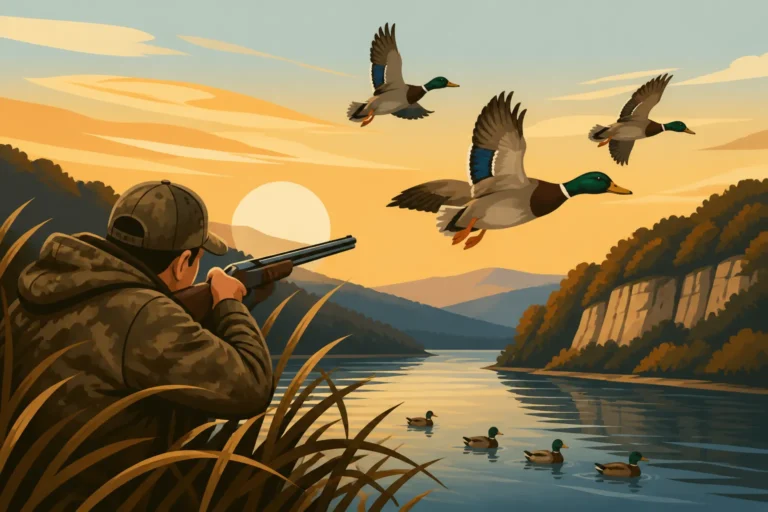
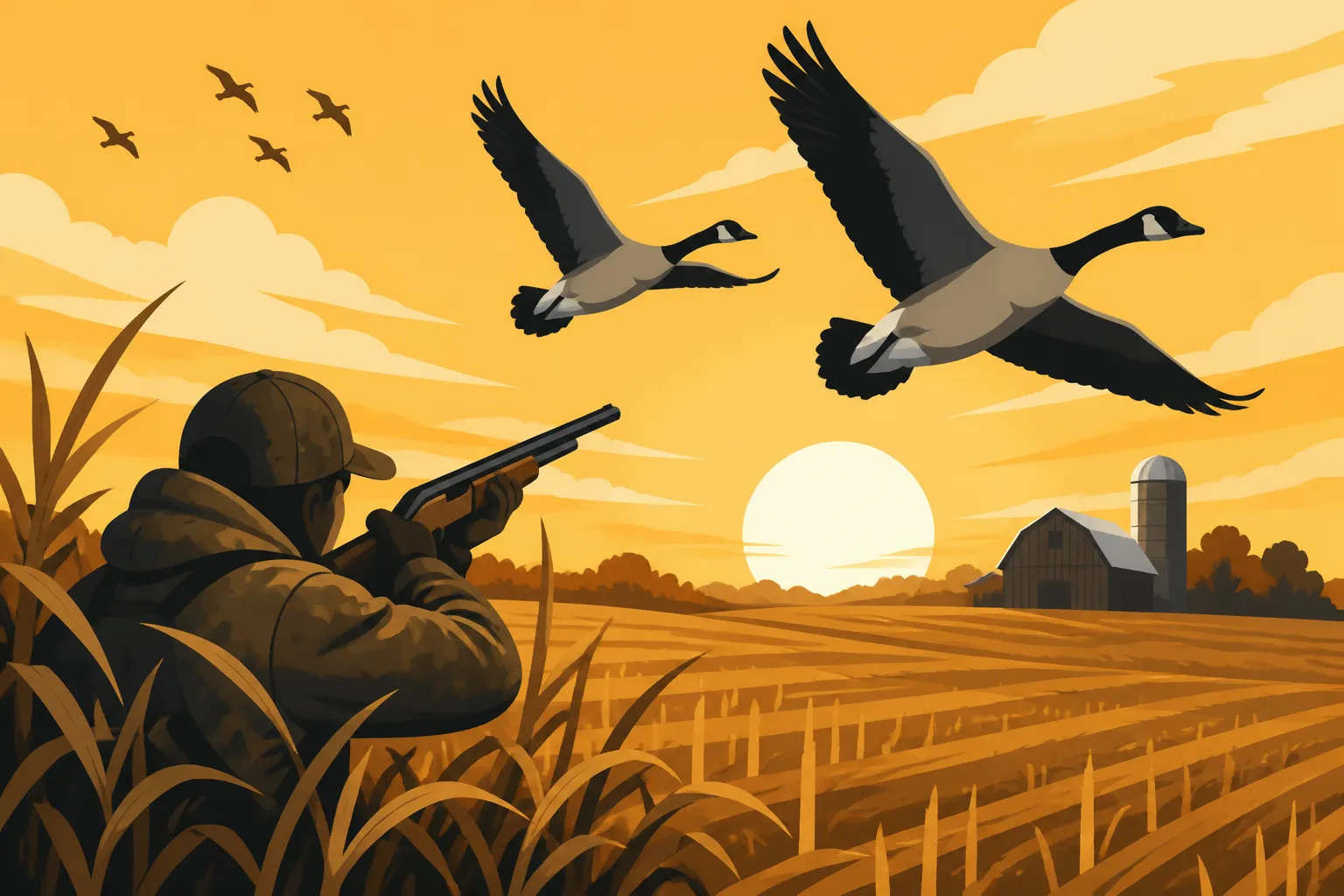
It's no secret that the sight of Canada geese, with their distinctive black necks and white chinstraps, used to be a fairly rare occasion for most Alabama hunters, primarily associated with transient migratory flights. But these days, particularly across the state's sprawling farmlands, resident populations have absolutely exploded, presenting both a nuisance for farmers and an exciting, albeit challenging, hunting opportunity. If you've ever watched a flock of these big birds settle into a cut cornfield and wondered how to get in on the action, or perhaps how to help alleviate some of the agricultural damage they cause, this comprehensive guide is for you. We'll dive deep into everything you need to know about hunting Canada geese on Alabama farmland, from their habits to effective tactics.
Understanding Alabama's Resident Canada Goose Population
For many years, seeing a Canada goose in Alabama meant it was a migratory bird, passing through on its way further south or back north. However, over the last few decades, something shifted. We now have a thriving population of Canada geese that live here year-round, never migrating. These "resident" geese are often the offspring of birds stocked in the mid-20th century, or even escapees from private collections, who found Alabama's mild climate and abundant food sources to be quite the comfortable year-round home. They’ve adapted incredibly well to our landscape, especially around lakes, ponds, and, you guessed it, vast agricultural fields.
The History and Growth of Resident Geese in Alabama
The story of Canada geese in Alabama is a testament to their adaptability and, in some ways, a successful conservation effort that maybe worked a little too well for certain areas. Back when goose populations were struggling, various states, including Alabama, participated in restoration programs by relocating or releasing geese. These birds, often from more northern resident populations, didn't have the same migratory instincts as their wild counterparts. They found perfect conditions in Alabama: plenty of water bodies for roosting, lush green spaces, and, critically, vast agricultural fields offering an endless buffet. As a result, their numbers soared, leading to the flocks we see today. Unlike their migratory cousins who might only be here for a short winter window, these resident birds are a constant presence, impacting everything from golf courses to farmers' livelihoods.
Key Characteristics and Behavior of Alabama's Farm Geese
Alabama's resident farm geese are, in many ways, quite different from the highly wary, long-distance migratory birds. While they share the same physical characteristics, their behavior is often more localized and predictable. They develop strong routines, often roosting on a specific lake or large pond and flying out at first light to feed in nearby fields. Their diet primarily consists of grasses, waste grain, and young shoots, making freshly cut corn, soybean fields, and even winter wheat plantings incredibly attractive. They tend to flock in larger numbers once established, and while they can be pressured into becoming wary, they often tolerate closer human presence than truly wild migratory birds, especially if they haven't been heavily hunted. Understanding these patterns is your first step to success. You'll notice them flying in distinct V-formations or wavy lines, communicating with their characteristic honks as they commute between water and food.
Preferred Farmland Habitats and Food Sources
It doesn't take a rocket scientist to figure out why geese love farmland. It's essentially an all-you-can-eat buffet laid out perfectly for them. But not all farmland is created equal in the eyes of a goose. They look for specific combinations of food, safety, and easy access that make a particular field a prime target.
Identifying Prime Agricultural Fields for Geese
When you're scouting for Canada geese, you'll want to focus on several types of agricultural fields. Post-harvest corn and soybean fields are absolute magnets, offering abundant waste grain that's easy to access. Geese will spend hours meticulously gleaning every last kernel or bean. Winter wheat, rye, or even newly planted pastureland also draws them in, as they love to graze on tender green shoots. Beyond the crop type, consider the field's proximity to water. Geese need water for roosting, drinking, and a quick escape from predators. Fields within a mile or two of a major river, large pond, or lake are often the most productive. Finally, look for open fields with good sight lines. Geese are highly vigilant, and they prefer fields where they can spot potential threats from a distance. This is why you often see them in the middle of vast fields, far from tree lines or dense cover. This behavior is something hunters can use to their advantage when planning decoy spreads.
The Impact of Geese on Alabama Farmland Operations
While a majestic sight, the burgeoning resident Canada goose population can be a serious headache for Alabama farmers. The damage they inflict on crops can be substantial. A flock of hundreds of geese can quickly decimate a newly planted field of winter wheat or graze down pasture meant for livestock. In corn and soybean fields, they consume significant amounts of waste grain, reducing the farmer's potential for second harvests or leaving less for other wildlife. Beyond direct crop consumption, their droppings can contaminate fields, raising concerns about potential disease transmission to livestock, particularly poultry. This economic impact is a major reason why many farmers are more than willing to allow hunters access to help mitigate the problem. Hunters can play a vital role in wildlife management, helping farmers protect their crops while enjoying a thrilling hunt.
Legal Considerations and Season Specifics for Hunting Farm Geese
Before you even think about setting foot in a field, it's absolutely critical to understand Alabama's specific regulations for hunting Canada geese. These aren't just suggestions; they're legal requirements designed to manage populations sustainably and ensure safe hunting. Ignoring them can lead to hefty fines and loss of hunting privileges.
Alabama's Goose Season Dates and Bag Limits
Canada geese fall under Alabama's broader waterfowl regulations, but it's important to differentiate between general migratory bird seasons and specific resident goose opportunities. Typically, Canada goose season runs concurrently with the duck season in Alabama, usually split into early and late segments to maximize hunting opportunities. For example, in recent years, the bag limit for Canada geese has often been 5 birds per day. Always double-check the current hunting digest published by the Alabama Department of Conservation and Natural Resources (ADCNR) each year, as dates and limits can shift. These dates are legally binding, and going out of season or exceeding your limit is a serious violation. Knowing the exact dates will help you plan your trips and avoid disappointment. You can find detailed information on the official Outdoor Alabama website or by picking up a physical copy of the hunting regulations. For specific zones and their nuances, it's always best to consult the current Alabama Goose Season Rules.
Licensing, Stamps, and HIP Certification Requirements
Hunting waterfowl in Alabama, including Canada geese, requires a specific set of licenses and permits. You'll need a valid Alabama hunting license, which can be either an all-game or small-game license, depending on your other hunting activities. Crucially, you'll also need a State Waterfowl Stamp, which supports conservation efforts within Alabama. Additionally, because geese are migratory birds, a Federal Duck Stamp is mandatory for anyone 16 years or older. This stamp contributes directly to the National Wildlife Refuge System, benefiting migratory bird habitats across the country.
Finally, you must be HIP (Harvest Information Program) certified. This free certification collects data from migratory bird hunters to help wildlife managers track harvest trends and set future seasons. You can typically get HIP certified when you purchase your licenses online or at a license vendor. Remember, carrying proof of all these licenses and stamps while afield is a legal requirement. Many hunters opt for digital versions on their phones, which is usually acceptable, but ensure your device is charged! For more details on the federal requirement, check out the information on the Alabama Federal Duck Stamp Requirement.
| Requirement | Description | Notes |
|---|---|---|
| Alabama Hunting License | Required for all hunters, resident or non-resident. | Can be All-Game or Small-Game, depending on other hunting interests. |
| Alabama State Waterfowl Stamp | Specific state stamp required for hunting all waterfowl. | Funds state-level conservation efforts for waterfowl habitat. |
| Federal Duck Stamp | Required for all waterfowl hunters 16 years and older. | Funds the National Wildlife Refuge System. Must be physically signed across the face. |
| HIP Certification | Free certification for all migratory bird hunters (including geese). | Provides crucial harvest data to wildlife managers. Must be renewed annually. |
| Season Dates | Refer to the current ADCNR Waterfowl Hunting Guide for specific dates. | Varies annually and may include early/late splits. Always confirm before hunting. |
| Daily Bag Limit | Typically 5 Canada geese per day. | Subject to annual change. Always check current regulations. |
| Possession Limit | Usually three times the daily bag limit. | Number of birds you can possess in total (e.g., at home, in freezer). |
| Non-Toxic Shot | Mandatory for all waterfowl hunting. | Lead shot is illegal for waterfowl. Common alternatives include steel, bismuth, or tungsten alloys. |
Always consult the most current Alabama Department of Conservation and Natural Resources (ADCNR) regulations for precise and up-to-date information, as rules can change annually.
Effective Hunting Tactics for Farmland Canada Geese
Hunting Canada geese on farmland, especially resident birds, requires a blend of keen observation, strategic planning, and the right gear. These birds are creatures of habit, but they also learn quickly, so staying one step ahead is key. You're not just waiting; you're actively engaging with the environment and the birds' behavior.
Decoy Spreads and Blind Strategies for Field Hunting
Setting up an effective decoy spread is arguably the most crucial element of field hunting for Canada geese. You want to create the illusion of a safe, feeding flock that other geese will want to join. For resident geese, you often don't need a massive spread of hundreds of decoys, but 2-3 dozen high-quality full-body or shell decoys can be very effective. Positioning is key: create a landing zone upwind of your blinds, with scattered "feeders" and a few "sentries" looking around. A common setup is a J or U-shape, with the open end facing into the wind where the geese will naturally want to land.
Concealment is equally vital. Geese have incredible eyesight. Layout blinds are the go-to choice for field hunting. They allow you to lie low, completely concealed within the decoy spread, and then sit up quickly when the birds are in range. Make sure your blinds are brushed in with local vegetation (corn stalks, grass, dirt clods) to break up their outline. Even a subtle sheen or unnatural shape can flare geese. Remember, a goose's perspective from above is entirely different from yours on the ground. Hunters looking for more advanced field concealment could refer to "Layout Blind Hunting Delta Farm Fields" for additional tips.
Scouting, Wind, and Calling Techniques
Scouting is your secret weapon. Before any hunt, spend time observing the fields. Where are the geese feeding? What are their flight paths? What time do they arrive and depart? The more you know, the better you can position yourself. Pay close attention to wind direction; geese always land and take off into the wind. This means your blind should be downwind of your decoy spread, and the landing zone should be directly into the wind from the decoys.
Calling is another art form. While migratory geese might be more responsive to aggressive calling, resident farm geese often respond better to softer, more contented clucks and murmurs, mimicking a happy, feeding flock. Start with quiet greeting calls to get their attention, and as they approach, switch to feeding calls and contented clucks. Don't overcall; let the decoys do most of the work. If the birds are working, a few subtle clucks are often all you need. Sometimes, no calling is the best calling. A good call, like those from Zink Calls or Primos, can make a huge difference, but practice is what really makes the hunter.
Gear Essentials: Shotguns, Ammunition, and Clothing
When it comes to gear, reliability and effectiveness are paramount. A 12-gauge shotgun is the standard for goose hunting, offering a good balance of pellet count and range. Many hunters prefer a 3-inch or even 3.5-inch magnum chambering for the extra punch. Since non-toxic shot is mandatory for all waterfowl, steel shot is a popular and affordable choice, but bismuth or tungsten alloys offer better performance, especially at longer ranges, though at a higher cost. Shot sizes like BB, BBB, or T are common for Canada geese. Always match your choke to your shot and desired pattern; modified or improved modified are good starting points.
Your clothing needs to blend seamlessly with the environment. Field-pattern camouflage or drab earth tones (browns, tans, grays) are essential. Layering is key, as mornings can be cold, but mid-day can warm up quickly. Waterproof outer layers are a must, especially if the ground is damp. Comfortable, waterproof boots are also non-negotiable for walking through muddy fields. Brands like Sitka Gear and Drake Waterfowl offer excellent options tailored for waterfowl hunting, providing both concealment and comfort.
Overcoming Hunting Challenges and Maximizing Success
Hunting Canada geese on Alabama farmland isn't always easy. These birds can be incredibly smart, adapting quickly to hunting pressure. It often feels like a chess match, with the geese making counter-moves to every tactic you try. To consistently find success, you need to be just as adaptable and persistent.
Dealing with Hunting Pressure and Educated Birds
Resident geese that are hunted regularly become incredibly "educated." They learn what a decoy spread looks like, recognize the sound of an approaching truck, and quickly spot anything out of place. On public lands, or even heavily hunted private tracts, you might find that the geese give spreads a wide berth, flaring far outside shooting range. To counter this, sometimes less is more. Try smaller, more natural spreads. Move your blinds further away from commonly used field edges. Be willing to walk further into a field, away from road noise, to find areas where geese feel safer. Changing your routine is also critical. If you hunt the same field with the same spread and the same calling every time, the geese will catch on. Try different fields, experiment with different decoy patterns, and vary your calling. For strategies to overcome crowds, exploring methods like "Finding Ground Others Walk Past" can offer valuable insights into identifying less-pressured areas.
Ethical Considerations and Responsible Hunting Practices
As hunters, we have a responsibility to act ethically and respect the land, the wildlife, and our fellow citizens. This means striving for clean, quick kills. Only shoot at birds within your effective range to minimize crippling. Once a bird is down, retrieve it quickly and efficiently. A good retrieving dog is invaluable for this, but if you don't have one, mark the bird's fall clearly and go straight to it.
Respecting private property is paramount, especially when hunting farmland. Always obtain explicit permission from the landowner before entering their property. Build a good relationship with them; offer to help with chores, share some of your harvest, and always leave the property cleaner than you found it. This goes a long way in securing future hunting opportunities. Also, be mindful of safe shooting distances from roads, dwellings, and livestock. Always follow the rules on firearms discharge setbacks to ensure you are hunting responsibly and legally. Remember, every hunter is an ambassador for our sport, and our actions reflect on the entire hunting community.
Disclaimer
Hunting is an inherently dangerous activity. This guide provides general information and recommendations. Always consult the current Alabama Department of Conservation and Natural Resources (ADCNR) hunting regulations and local laws before hunting. Adhere to all safety guidelines, obtain proper landowner permissions, and ensure you have all required licenses and stamps. The author and publisher are not responsible for any accidents, injuries, or legal infractions that may occur. Hunt safely and responsibly.