Mallards on the Tennessee River
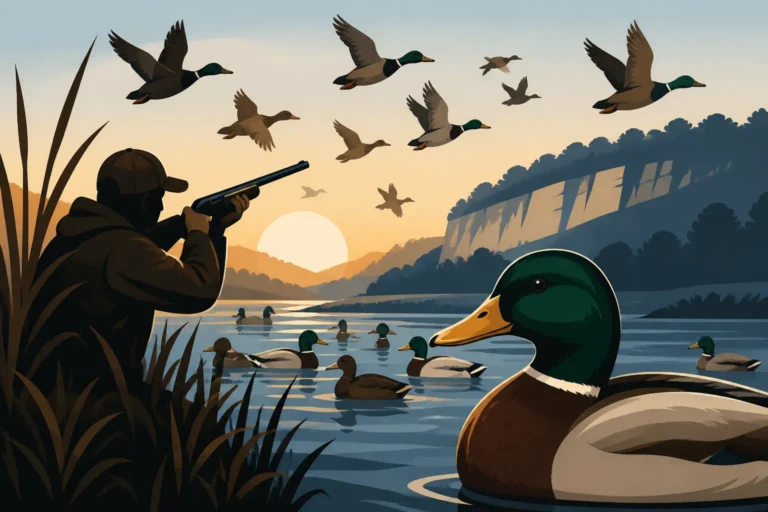
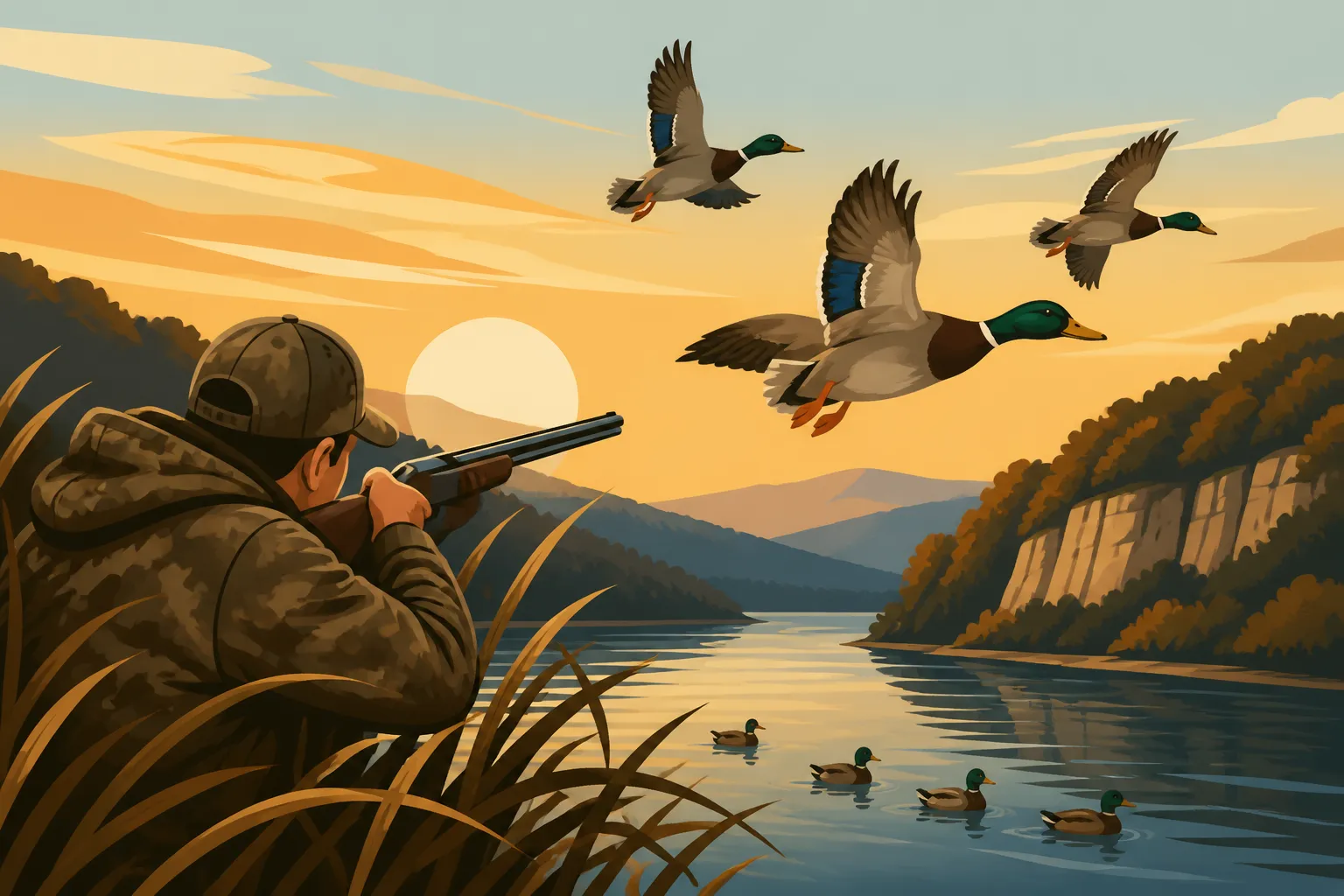
Those gorgeous greenheads, the mallards, are what so many of us dream about when we talk about duck hunting in Alabama. But let's be honest, consistently finding them and getting them to commit on a big, dynamic system like the Tennessee River can be a real head-scratcher. It's frustrating when you put in the time scouting, only to have a cold front shift the birds or changing water levels make your spot inaccessible. This comprehensive guide will peel back the layers on mallard behavior, prime habitats, and proven strategies specifically for the Tennessee River, helping you unlock more successful hunts and create those unforgettable mornings.
Understanding Mallard Migration and Wintering Habits on the Tennessee River
The Tennessee River system in North Alabama is a vital wintering ground for countless migratory waterfowl, and mallards are definitely the prize many hunters are after. Their presence here isn't a given, though; it's a delicate dance with weather, food availability, and even hunting pressure further north. Understanding this larger picture is the first step to consistently finding them.
When Mallards Arrive in Alabama
Typically, you'll start seeing the first trickles of mallards making their way into Alabama as early as late September and into October, but these are often local birds or early migrants passing through. The real show, the bulk of the northern-bred mallards, usually doesn't arrive until we get those colder snaps up in the Midwest and Mississippi Flyway states. Think late November through December. When those brutal cold fronts push south, freezing up ponds and small waters further north, that's when the Tennessee River becomes a beacon for these birds. It offers vast open water, relative thermal stability, and, crucially, access to diverse food sources that become inaccessible elsewhere. You can dive deeper into the general patterns of Duck Migration Timing Through Alabama to get a broader perspective on all waterfowl species.
It's not just about temperature, though. Strong northerly winds accompanying these fronts can practically push birds down the flyway. I remember one season when a massive cold front dropped temperatures into the single digits across Illinois and Missouri right before Thanksgiving. We saw an incredible influx of mallards on the Tennessee River almost overnight. Suddenly, areas that had been quiet were absolutely buzzing with greenheads. It's a reminder that being flexible with your hunting schedule, if possible, to align with these major weather events can make all the difference.
Factors Influencing Migration Timing and Numbers
Beyond just temperature, several other factors play a significant role in when and how many mallards decide to winter on the Tennessee River. Food availability along the flyway is huge. If there's plenty of easily accessible waste grain or natural forage in states like Arkansas or Missouri, some birds might "short stop" and not make it all the way to Alabama. Conversely, a severe drought or widespread agricultural changes up north can push more birds farther south than usual. Additionally, hunting pressure in areas north of Alabama can influence bird movement. If birds are getting hammered consistently, they're more likely to pack up and seek refuge in less disturbed areas, often pushing them right into our waiting arms along the Tennessee River.
Water levels, both locally and throughout the Mississippi Flyway, are another critical factor. The Tennessee Valley Authority (TVA) manages the water levels on the Tennessee River, and these fluctuations can dramatically impact what habitat is available for mallards. High water can flood new areas, creating fresh feeding grounds, but it can also make traditional spots too deep or open. Low water can expose mudflats and shallow areas that are excellent for dabblers, but also concentrate birds into smaller, more pressured zones. Keeping an eye on these conditions is crucial, and mapping tools like those offered by GoHunt can provide invaluable insights into changing water depths and potential access points.
Historical Context of Tennessee River Mallards
For decades, the Tennessee River has been known as a significant wintering area for mallards, particularly its sprawling reservoirs and associated backwaters. Historically, extensive bottomland hardwood forests and agricultural fields adjacent to the river provided abundant food and cover. While some of these landscapes have changed over time due to development and altered agricultural practices, the fundamental draw of a large, relatively warm water body with a variety of food options remains strong. Early conservation efforts played a huge role in establishing and maintaining these populations, especially with the creation of national wildlife refuges like Wheeler.
Back in the day, before all the modern electronics and detailed scouting tools, hunters often relied on word-of-mouth and generations of passed-down knowledge about where the birds would be. Certain timber holes, specific stretches of river cane, or particular flooded fields became legendary. While we have more tools at our disposal today, that core knowledge of historical mallard behavior on the Tennessee River, understanding their traditional flight paths, and knowing which areas consistently hold birds, is still incredibly valuable. It helps us interpret current conditions and predict where mallards might settle in. This kind of historical perspective is also important when looking at Alabama Duck Harvest Numbers over the years, to see the long-term trends and health of our waterfowl populations.
Prime Habitats and Key Locations for Mallards Along the Tennessee River
The Tennessee River isn't a monolithic body of water; it's a diverse system of main channels, sprawling reservoirs, intricate backwaters, and adjacent agricultural lands. Mallards are selective, and finding them consistently means understanding which specific types of habitat they prefer and where these exist on the river.
Identifying Preferred Feeding Grounds
Mallards are dabbling ducks, meaning they typically feed by tipping up in shallow water, sifting through mud and vegetation, or gleaning waste grain from flooded fields. This preference for shallow water, usually 6-18 inches deep, is your biggest clue when scouting. They love flooded timber, especially areas with acorn-producing oaks. When the acorns drop and water levels rise, these flooded forests become mallard magnets. Beyond acorns, they actively seek out waste grain – think flooded corn or soybean fields that are often found in the wide river bottomlands. Even shallow mudflats with plenty of aquatic vegetation or invertebrates can be prime feeding spots, particularly during warmer spells when insect activity is higher.
It's not just about the food itself, but also how accessible it is. A dense stand of flooded timber might look great, but if it's too thick for them to fly into or has too much current, they'll pass it by. They prefer calm water where they can comfortably dabble without expending too much energy fighting currents. I’ve spent countless hours trying to find that perfect balance – shallow enough for feeding, open enough for landing, and close to deeper water for escape or roosting. That's the trifecta for a great mallard feeding area.
Backwater Sloughs and Flooded Timber Hotspots
The Tennessee River system is dotted with numerous backwater sloughs, embayments, and creek mouths that offer ideal conditions for mallards. These areas often have reduced current, allowing for the accumulation of natural vegetation and providing calmer waters. When coupled with flooded timber – especially stands of pin oaks, willow oaks, or water oaks – these spots can hold significant numbers of birds. Places like the expansive backwaters of Guntersville Lake, the creeks feeding into Wheeler Lake, or the lower reaches of the Elk River come to mind. These areas provide both food and shelter from strong winds or heavy hunting pressure on the main river channel.
Hunting flooded timber can be an incredible experience, but it also presents its own challenges. The best timber holes are often tricky to access, requiring specialized boats or lengthy wades. Understanding Hunting Flooded Timber for Mallards is key to success in these areas. It's also critical to pay attention to water levels, as a few inches can completely change a timber spot from prime to completely unhuntable. I’ve walked into what I thought was a perfect flooded timber setup only to find the water had dropped three feet overnight, leaving exposed mudflats where ducks should have been. Always verify current conditions before committing to a plan, and use tools like GoHunt to mark potential high-water and low-water spots.
The Role of Wildlife Refuges and WMAs
The Tennessee River is fortunate to have significant public land holdings, including several National Wildlife Refuges and Wildlife Management Areas (WMAs) that are vital for wintering mallards. Wheeler National Wildlife Refuge, near Decatur, is perhaps the most well-known, offering vast acreage of managed wetlands, agricultural fields, and flooded timber. These refuges provide sanctuary where birds can rest and feed undisturbed, making them critical staging areas. While hunting is restricted or managed very carefully within the refuge boundaries, the birds that utilize the refuge often fly out to surrounding private lands or public access areas to feed during the day.
Understanding the daily flight patterns of birds moving in and out of these refuges is a cornerstone of successful mallard hunting on the Tennessee River. Hunters often position themselves along these flight corridors or on adjacent public lands that benefit from the overflow of birds. Other WMAs along the river, like Swan Creek WMA or portions of the Limestone County WMA, also offer excellent opportunities, often featuring managed wetlands, green tree reservoirs, or agricultural fields specifically flooded for waterfowl. Always check the specific regulations for each WMA, as they can vary regarding access, hunting hours, and allowed equipment. For broader guidance, consider checking out the details on Alabama Waterfowl Zones and Seasons.
Mallard Behavior: Decoding Their Daily Routines
Mallards, like most waterfowl, operate on a predictable daily rhythm driven by their need for food, rest, and safety. Learning to anticipate these patterns is what separates a lucky hunter from a consistently successful one.
Feeding Habits and Preferred Forage
Mallards are opportunistic feeders, but they do have their favorites. As we discussed, waste grains like corn and soybeans are high on their list, offering a high-energy diet crucial for winter survival. They'll also gorge on acorns when available in flooded timber. Beyond these agricultural and mast crops, they'll readily consume a variety of aquatic vegetation, seeds, and invertebrates found in shallow, muddy bottoms. This is why healthy, diverse wetlands are so important. If natural food sources are abundant, they might ignore a nearby cornfield. If natural foods are scarce, they'll hit those agricultural fields hard.
Their feeding times are usually dictated by dawn and dusk, but they'll often make mid-day flights between loafing areas and feeding spots, especially on overcast days or when heavily pressured. On sunny days, they tend to feed early, then move to loafing areas to digest and preen. Knowing what they're eating is paramount. If you can find fresh mallard droppings or see them actively working a particular type of food, that's where you want to be. A good pair of binoculars and some patient scouting, perhaps using a tool like GoHunt to mark potential feeding zones, will pay dividends.
| Mallard Forage Type | Typical Location on Tennessee River | Prime Season | Hunting Implication |
|---|---|---|---|
| Waste Grain (Corn, Soybeans) | Flooded agricultural fields, river bottomlands | Late Fall – Early Winter | Focus on fields adjacent to water, use field decoys. |
| Acorns (Oak Trees) | Flooded hardwoods, creek mouths, bluffs | Early Fall – Mid-Winter | Scout for dropping mast, target timber holes. |
| Aquatic Vegetation (Duckweed, Pondweed) | Shallow backwaters, protected sloughs, marshy edges | Throughout Winter | Look for calm, shallow water with dense vegetation. |
| Invertebrates (Snails, Larvae) | Muddy bottoms, shallow feeding flats | Throughout Winter | Often found with vegetation; birds dabble in soft mud. |
Roosting and Loafing Areas
When they're not actively feeding, mallards need safe places to rest, digest, and preen – these are their roosting and loafing areas. Roosting typically happens overnight, often on large, open bodies of water where they feel safe from nocturnal predators. Think wide-open stretches of the Tennessee River, large reservoirs, or protected coves within the refuges. These spots are usually too deep or too exposed for prime daytime hunting, but understanding where they roost can help you predict their morning flight paths.
Loafing areas, on the other hand, are where they spend the daytime hours between feeding excursions. These can be similar to feeding spots but might be slightly deeper, or offer more cover, such as dense stands of flooded timber, islands, or even open fields where they can sun themselves. These areas are crucial. If you can identify the loafing spots near prime feeding grounds, you can often intercept birds moving between the two. Mallards are creatures of habit, and once they establish a good roost-feed-loaf pattern, they'll stick to it until disturbed.
Responding to Pressure and Weather Changes
Mallards are incredibly adaptable, but they are also highly sensitive to pressure. Frequent hunting, especially in the same spots, will quickly make them wary and change their patterns. They'll become nocturnal, feeding under the cover of darkness, or they'll relocate to areas with less disturbance, often deeper within refuges or onto private lands. This is why smart hunting strategy often involves rotating spots, minimizing your impact, and being patient. If you blow out a spot on Monday, don't expect it to be hot again on Tuesday. Give the birds a day or two to settle back in.
Weather is another major driver of mallard behavior. Cold fronts can trigger major migrations and increase feeding activity as birds stock up on energy. Extreme cold can push them to find any open water available. Conversely, warm spells can slow down their movements, making them less predictable. High winds might keep them tucked into sheltered sloughs, while calm, foggy mornings can lead to delayed flights. Paying attention to the forecast and understanding how mallards react to these conditions is a critical part of the puzzle. This real-time adaptation is where tools like the weather overlays in the GoHunt app can be a game-changer.
Effective Strategies for Hunting Tennessee River Mallards
Hunting mallards on a system as vast and complex as the Tennessee River requires more than just showing up with decoys. It demands keen observation, strategic planning, and the ability to adapt on the fly.
The Art of Advanced Scouting and Adaptability
You've heard it a thousand times, but scouting is absolutely non-negotiable for Tennessee River mallards. This isn't just about driving around the day before the hunt. It means extensive reconnaissance well before the season opens, and then continuous scouting throughout the season. Look for fresh sign: tracks in the mud, fresh droppings, plucked feathers, and obviously, birds actually using the area. Pay close attention to water levels, identifying how high or low water impacts access and habitat. Are the acorns dropping? Are the nearby fields harvested and potentially floodable? Scouting Alabama Public Land Before Season is a great starting point, but refine those techniques for waterfowl.
Adaptability is the other side of this coin. What worked last week might not work tomorrow. Water levels change. New birds arrive. Old birds leave. Pressure shifts. You need to be ready to change your game plan, even mid-hunt. Have a Plan B, C, and D. Don't be afraid to pull up stakes if the birds aren't working the way you expect. I've had days where we packed up after an hour in a "sure thing" spot and moved to a completely different type of habitat, only to have a fantastic hunt. The mallards on the Tennessee River will teach you humility, but they'll also teach you to be nimble.
Decoy Spreads and Calling Techniques That Work
When it comes to decoys, simplicity often trumps complexity, especially for pressured river birds. A spread of 1-2 dozen realistic mallard decoys, including some hens and drakes, is usually sufficient. Focus on realism and movement. Using jerk strings or motorized decoys (like spinning wing decoys, where legal) can make a huge difference in attracting distant birds. Create a landing zone in front of your blind, perhaps a J-hook or U-shaped spread, giving the birds a comfortable spot to land without feeling threatened. Don't be afraid to add a few Canada goose decoys if geese are also working the area; it can add to the sense of security for ducks.
Calling is an art form, not a science, and it takes practice. On the Tennessee River, less is often more, especially on public land with heavy pressure. Start with soft greeting calls, clucks, and quacks. Save the loud, aggressive calling for when birds are distant or not responding. A high-quality call and the ability to vary your tone and cadence are essential. Listen to the birds themselves – they'll tell you what they want to hear. If they're cupping their wings, soft chatter is often all you need. If they're flying by, hit them with some comeback calls. Remember, calling is about finishing the birds, not just getting their attention.
Boat Blinds, Layout Blinds, and Natural Cover Setups
Your blind choice depends entirely on your hunting location and style. On the main river channel or large open backwaters, a well-camouflaged boat blind is often indispensable. These allow for mobility and the ability to chase birds if needed, within reason. They also provide warmth and comfort on those frigid December mornings. Ensure your boat blind blends seamlessly with the shoreline vegetation or structure you're hunting against.
For flooded fields or shallow mudflats, layout blinds are incredibly effective. These low-profile blinds allow you to disappear into the stubble or cover, providing an excellent vantage point without being conspicuous. They're particularly good for Layout Blind Hunting Delta Farm Fields, a strategy that can translate well to certain Tennessee River areas. When using a layout blind, make sure you brush it in thoroughly with local vegetation. Don't just throw a few handfuls of grass on top; truly make it disappear into the landscape.
Finally, never underestimate the power of natural cover. A thick stand of river cane, a downed log, or a dense clump of willow can provide all the concealment you need, often more effectively than any manufactured blind. The key is to position yourself where you have a clear shot, but more importantly, where the birds won't see you. This often means facing the sun, being tucked into a shadow line, or using the natural contours of the land.
Navigating Challenges and Maximizing Opportunities
Hunting the Tennessee River comes with its own unique set of hurdles, from unpredictable water levels to managing heavy hunting pressure. But with every challenge comes an opportunity for those willing to adapt.
Dealing With Fluctuating Water Levels
The Tennessee River's water levels are managed by the TVA for flood control, navigation, and power generation. This means they can fluctuate significantly, sometimes daily, turning a prime hunting spot into a dry field or an unhuntable torrent overnight. This is arguably the biggest headache for Tennessee River duck hunters. It's frustrating when you scout a perfect spot only to find it dry a week later, or worse, too deep to effectively hunt.
To mitigate this, you need to become a bit of a hydrologist. Monitor TVA's real-time water level data, which is publicly available for all their reservoirs. Understand how a rise or fall of even a foot or two impacts your chosen hunting areas. Have multiple spots scouted for different water levels: one for high water, one for moderate, and one for low. For example, a slight drop might expose ideal mudflats for dabblers, while a significant rise might flood new timber that was previously dry. This strategic foresight can turn a potentially ruined hunt into a successful one.
Managing Public Land Pressure and Access
The Tennessee River offers fantastic public hunting opportunities, but with that comes pressure. It's a reality we all face. Weekends, especially opening weekend and during peak migration, can see crowded boat ramps and multiple groups vying for the same hotspots. This pressure can quickly make birds wary and push them into harder-to-reach areas or force them to become nocturnal. Learning to deal with Opening Weekend Crowds in Zone A or similar crowded areas is a skill in itself.
To maximize your success, you need to be smart about access. Early arrival is key for popular spots. Sometimes, it means hiking or paddling into areas that others deem too difficult to reach. A good mapping app, like GoHunt, can help identify hidden access points, small pockets of public land, or areas of water that are difficult for larger boats to navigate, thus reducing pressure. Consider hunting weekdays if your schedule allows, as this often means fewer hunters and more relaxed birds. Don't be afraid to explore new areas, even if they don't look like classic duck spots – sometimes the birds are in the least expected places because they've found refuge from the crowds.
Adapting to Weather Patterns and Cold Fronts
We touched on this earlier, but it's worth reiterating: weather is king for waterfowl hunting. A strong cold front pushing through from the north can invigorate the birds, sending new waves of migrants and making existing birds more active. These are the days you want to be in the blind. Conversely, a prolonged warm spell can make mallards lethargic and unpredictable, often leading to slower hunting.
Always check the forecast, not just for your location, but also for areas further north in the flyway. A major blizzard in Illinois often means a big push of birds headed your way in Alabama. Wind direction and speed are also critical. Strong winds can keep birds lower to the water and force them into sheltered areas. Fog can delay flights, sometimes leading to incredible mid-morning action once it burns off. Be prepared for any conditions – from frigid temperatures that require heavy layering to mild, rainy days. Having the right gear and knowing how mallards react to these varying conditions will help you make the most of every opportunity.
Conservation Efforts and Responsible Hunting
As passionate duck hunters, we have a profound responsibility to be stewards of the resource. Without robust conservation efforts, the sight of mallards cupping their wings over the Tennessee River could become a thing of the past.
The Importance of Habitat Protection and Restoration
Healthy waterfowl populations hinge entirely on healthy habitat. Along the Tennessee River, this means protecting and restoring crucial wetlands, bottomland hardwoods, and agricultural lands that provide food and shelter for mallards and other waterfowl. Organizations like Ducks Unlimited, Alabama Waterfowl Association, and various state and federal agencies work tirelessly on projects that enhance and create these vital habitats. This could involve restoring natural hydrology to wetlands, planting waterfowl-friendly crops in managed impoundments, or reforesting critical bottomland areas.
Every acre of restored wetland or every flooded timber stand maintained for ducks contributes directly to the resilience of the mallard population wintering on the Tennessee River. When we support these organizations, participate in local cleanup efforts, or even just ensure our own hunting impacts are minimal, we're contributing to a larger picture of conservation. It’s about ensuring that future generations can experience the thrill of a flock of mallards pitching into the decoys.
Funding Conservation Through Duck Stamps and Licenses
Perhaps the most direct way hunters contribute to waterfowl conservation is through the purchase of duck stamps and hunting licenses. The Federal Duck Stamp, officially known as the Migratory Bird Hunting and Conservation Stamp, is a marvel of conservation funding. For every stamp purchased, 98% of the funds go directly to acquire and protect wetland habitat in the National Wildlife Refuge System. These refuges, like Wheeler NWR, are absolutely critical for mallards on the Tennessee River. Understanding the Alabama Federal Duck Stamp Requirement and making sure you have one is not just about legality; it's about being an active participant in conservation.
Similarly, state hunting licenses and permits, including the Alabama Migratory Bird Certification, generate funds that are used by the Alabama Department of Conservation and Natural Resources (ADCNR) to manage wildlife resources, conduct research, and enforce hunting regulations. These funds support WMA operations, habitat improvements, and public access initiatives. It's a user-pay, user-benefit system that has proven incredibly effective in sustaining wildlife populations across North America. Every dollar spent on these necessities directly translates into more ducks and better hunting opportunities.
Community Involvement in Waterfowl Management
Conservation isn't just about money; it's about people. Active community involvement is crucial for effective waterfowl management. This can range from volunteering with local conservation groups to participating in public comment periods on proposed hunting regulations. Attending local ADCNR meetings or engaging with your local Ducks Unlimited chapter can provide invaluable insights into regional management challenges and opportunities. These are the forums where you can voice your concerns, offer your experiences, and help shape the future of waterfowl hunting on the Tennessee River.
Educating new hunters, especially youth, about ethical hunting practices, species identification, and the importance of conservation is another vital aspect. Mentoring a young hunter and teaching them the ropes, from setting up decoys to identifying species and respecting bag limits (like the Alabama Duck Daily Bag Limit), ensures the tradition of waterfowl hunting, and the values of conservation, continue. We're all part of a larger community dedicated to preserving this incredible resource, and the more we engage, the stronger that community becomes.
Disclaimer
Please remember that hunting regulations, seasons, and bag limits are subject to change. Always consult the latest Alabama Department of Conservation and Natural Resources (ADCNR) regulations and local WMA rules before heading afield. Safety should always be your top priority.