Alabama Federal Duck Stamp Requirement
It's an annual tradition for many of us, getting ready for waterfowl season, but sometimes the sheer number of permits and stamps can feel like a tangled mess. You're trying to make sure you've got your ducks in a row, pun intended, and suddenly you're second-guessing if you truly have everything you need to legally hit the blinds. This guide is here to clear up one of the most important, and sometimes overlooked, requirements for waterfowl hunters in Alabama: the Federal Duck Stamp. We'll dive deep into why it's mandatory, what it supports, and how to make sure you're always on the right side of the law.
The Non-Negotiable Federal Duck Stamp for Waterfowl Hunters
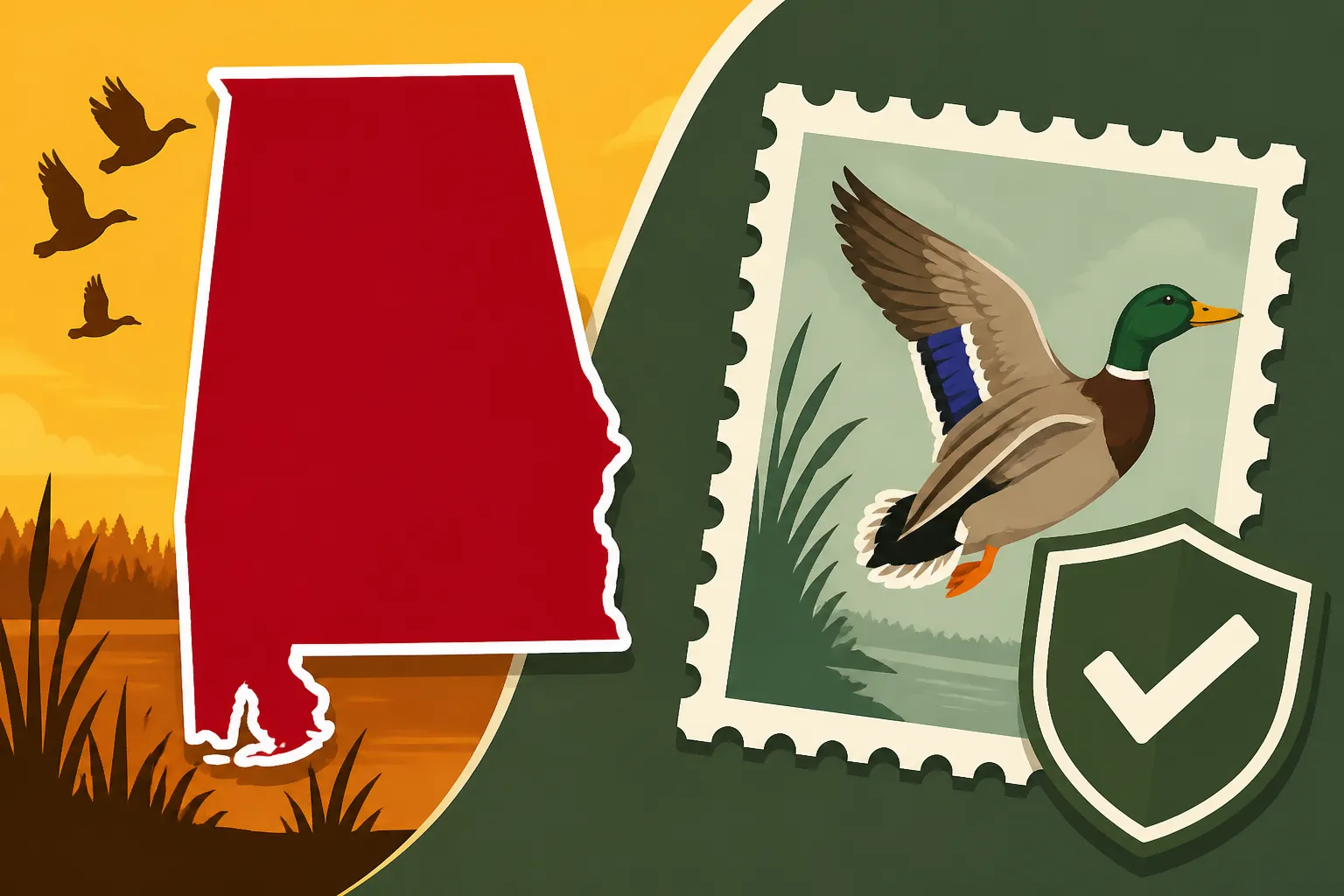
For anyone planning to pursue ducks, geese, or other migratory waterfowl in Alabama, or anywhere else in the United States for that matter, the Federal Migratory Bird Hunting and Conservation Stamp – affectionately known as the Federal Duck Stamp – isn't just a suggestion, it's an absolute requirement. This small adhesive stamp, or its digital equivalent, represents one of the most successful conservation programs in history, and it's something every waterfowl hunter should carry with pride.
Why This Little Stamp Matters So Much
Think about it: every single time you buy one of these stamps, 98% of the purchase price goes directly into the Migratory Bird Conservation Fund. This isn't just some vague government fund; this money is specifically earmarked for conserving vital wetland habitats for birds and other wildlife. We're talking about protecting and restoring crucial breeding grounds, migration stopovers, and wintering areas right here in the U.S. and even up into Canada. These are the very places where the birds we cherish spend their lives, and without these funds, those habitats would be under constant threat from development, agriculture, and other pressures.
It's a direct investment in the future of our sport and the health of these magnificent bird populations. Without the Federal Duck Stamp, countless acres of wetlands that ducks and geese rely on simply wouldn't exist today. As hunters, we are often the first line of conservation, and this stamp is a tangible way we contribute to the resources we enjoy. It's more than just a piece of paper; it's a commitment to ensuring that future generations can experience the thrill of a flock working a decoy spread, just as we do.
What the Duck Stamp Funds Support
The impact of the Federal Duck Stamp is truly staggering. Since its inception in 1934, sales have generated over $1.2 billion, which has been used to conserve over 6 million acres of wetland habitat. To put that into perspective, that's an area larger than the state of Maryland! These lands aren't just for ducks; they benefit countless other species, from wading birds and raptors to amphibians, fish, and even rare plants. Many of these conserved areas become part of the National Wildlife Refuge System, providing not only crucial wildlife habitat but also opportunities for public recreation, including hunting, fishing, wildlife observation, and photography.
For an Alabama hunter, this means that while you might be hunting a specific river bottom or a flooded timber hole, the health of that local population is intrinsically linked to the health of the entire flyway. The money you contribute through your duck stamp helps protect those distant breeding grounds in the Dakotas or the Canadian prairies, ensuring birds have successful nesting seasons before they migrate south to our state. It’s a continental conservation effort, and every hunter plays a part. When you consider the vast stretches of protected land, it really drives home the power of a collective effort through something as simple as a stamp.
Who Needs a Federal Duck Stamp and Who Doesn't
The general rule is pretty straightforward: if you are 16 years of age or older and plan to hunt migratory waterfowl (ducks, geese, mergansers, coots, and brant), you must possess a valid Federal Duck Stamp. This applies to both residents and non-residents, and it applies regardless of whether you're hunting public land, private land, or a managed hunt area. There are very few exceptions to this rule, and it's best to always assume you need one if you're targeting these species.
However, there's one notable exception: if you are under 16 years of age, you are not required to purchase a Federal Duck Stamp. This is a fantastic initiative to encourage youth participation in hunting and allow younger hunters to get into the field without the added cost burden. That said, even if a youth hunter doesn't need a Federal Duck Stamp, they still need to adhere to all other state and federal hunting regulations, including any required hunter education and state licenses. It’s always a good idea for an adult mentor to double-check all regulations when hunting with youth to ensure full compliance. You can learn more about specific age requirements and exemptions for all licenses by reviewing the information on Alabama's Under-16 and Senior License Exemption and Alabama Hunter Education Requirements.
Navigating Alabama's Waterfowl Regulations Beyond the Federal Stamp
While the Federal Duck Stamp is a crucial piece of the puzzle, it's far from the only requirement for waterfowl hunting in Alabama. Our state has its own set of rules and licenses that stack on top of the federal mandates. Understanding these layers of regulation is key to avoiding penalties and ensuring a smooth, legal hunt.
Alabama's State Duck Stamp and HIP Certification
Beyond the federal requirement, Alabama also has its own state-specific duck stamp. Yes, that means two stamps for duck hunters! The Alabama State Duck Stamp Cost is typically a modest fee, but it's just as mandatory as its federal counterpart. Funds from the state duck stamp go towards waterfowl management and habitat projects within Alabama, directly benefiting local populations and hunting opportunities. You'll purchase this along with your other state hunting licenses.
Furthermore, any migratory bird hunter in Alabama, regardless of age, must obtain a Harvest Information Program (HIP) certification. This often feels like a quick checkbox or a few survey questions when you buy your license, but it's incredibly important. The HIP program is a cooperative effort between the U.S. Fish and Wildlife Service and state wildlife agencies to collect data on migratory bird harvests. This data helps biologists monitor harvest levels, assess population trends, and ultimately set sustainable hunting seasons and bag limits for all migratory game birds. It’s a free certification, but if you don't have it, you're not legal to hunt migratory birds, including ducks and geese. Make sure you complete your Alabama Migratory Bird Certification every year.
Understanding Alabama's Specific Waterfowl Zones and Seasons
Alabama isn't a monolithic block when it comes to waterfowl season dates. The state is divided into specific waterfowl zones, each with its own opening and closing dates and sometimes varying bag limits. These zones are established to account for different migration patterns and habitat conditions across our diverse landscape. For instance, the dates for hunting in the Tennessee River Delta might differ significantly from those in the Mobile-Tensaw Delta. Relying on a general season opener without checking your specific zone is a recipe for trouble.
You absolutely need to be familiar with the Alabama Waterfowl Zones and Seasons each year. These can shift, so always check the latest regulations published by the Alabama Department of Conservation and Natural Resources (ADCNR). A great resource for staying on top of these details is the Outdoor Alabama app or website, where you can easily find current season dates and specific rules for each zone. Hunters often use platforms like GoHunt to keep track of these regulations as well, layering them over maps to understand local nuances. This is especially critical when planning a multi-county trip or hunting near zone boundaries, as crossing into a different zone could mean entirely different legal hunting dates. The differences can seem minor, but they are strictly enforced. Knowing your Alabama Duck Zone Rules will ensure you never inadvertently hunt out of season.
License Combinations for a Legal Hunt in Alabama
To make things even clearer, let's break down the basic combination of licenses and stamps you'll need if you're an adult (16+) waterfowl hunter in Alabama. It's more than just a federal duck stamp; it's a layered approach designed to fund and manage our wildlife resources comprehensively.
| Requirement | Description | Purchase Location | Cost (approx.) |
|---|---|---|---|
| Alabama All-Game Hunting License | Your base license to hunt game animals in the state. If you plan to hunt anything beyond small game, this is essential. | Outdoor Alabama website/app, License Retailers | ~$30-40 (Resident Annual), higher for non-residents |
| Alabama State Duck Stamp | State-specific stamp for hunting ducks and geese within Alabama. Funds state-level waterfowl conservation efforts. | Outdoor Alabama website/app, License Retailers | ~$10 (Resident/Non-Resident) |
| Federal Duck Stamp | The national stamp required for hunting all migratory waterfowl across the U.S. 98% of proceeds go to wetlands conservation. | USPS, Walmart, select sporting goods stores, Online | ~$25 |
| HIP Certification | Harvest Information Program endorsement. Mandatory for all migratory bird hunters (including youth). Free, but required annually. | Outdoor Alabama website/app, License Retailers | Free |
| WMA License (if applicable) | If you plan to hunt on one of Alabama's Wildlife Management Areas, you'll need this additional permit. | Outdoor Alabama website/app, License Retailers | ~$18 (Resident), higher for non-residents |
Note: Costs are approximate and subject to change. Always check the official ADCNR website for the most current pricing and regulations.
Understanding these requirements is part of being a responsible hunter. It ensures you're contributing fairly to conservation efforts and adhering to the laws that protect our hunting traditions. Don't forget, you can combine your duck hunt with other opportunities like deer season. Just make sure you understand Alabama Deer Season Structure Explained and have the appropriate Alabama Hunting Licenses and What They Cost for those pursuits as well.
Your Guide to Purchasing the Federal Duck Stamp
Acquiring your Federal Duck Stamp is generally a straightforward process, but knowing your options and the best practices can save you a headache, especially when you're itching to get out in the field.
Digital vs. Physical: How to Get Your Stamp
In today's digital age, you have a couple of convenient options for purchasing your Federal Duck Stamp:
- Digital Stamp (E-Stamp): This is increasingly popular for its convenience. Many states, including Alabama, offer the option to purchase a Federal Duck Stamp endorsement online, often through their state licensing system. When you buy an e-stamp, you'll receive a receipt or a temporary printable version. This temporary version is usually valid for a specific period (typically 45 days) while the physical stamp is mailed to you. The key is to carry proof of this e-stamp purchase while hunting. This could be a printout or a digital copy on your phone.
- Physical Stamp: For those who love the tradition of the physical stamp – and many of us do, as it's a beautiful piece of art and a collector's item – you can purchase them at various locations:
- Post Offices: Most U.S. Post Office branches carry Federal Duck Stamps. This is a classic method that many hunters still prefer.
- Walmart and Sporting Goods Stores: Larger retailers like Walmart, as well as specialized sporting goods stores such as Bass Pro Shops, Cabela's, and local outdoor shops, often sell Federal Duck Stamps directly. This is usually where I pick mine up.
- Online: You can also order physical stamps directly from the U.S. Fish and Wildlife Service website or through licensed vendors.
When choosing between digital and physical, consider when you need it and how you prefer to keep your records. A digital stamp offers immediate proof of purchase, which is great for last-minute decisions, but you'll still need to wait for the physical one to arrive if you want to affix it to your hunting license or collect it.
Timing Your Purchase: When to Buy
The Federal Duck Stamp is valid from July 1st through June 30th of the following year. This means that if you're hunting in the early teal season in September, or the general duck season later in the fall and winter, you'll need the current year's stamp. It's a common mistake for hunters to forget that the stamp doesn't follow the calendar year.
My advice? Make purchasing your Federal Duck Stamp an annual ritual, right alongside getting your state hunting license and HIP certification, usually in late summer or early fall. Don't wait until the night before opening day! Lines at the post office can be long, websites can experience glitches, and stores might run out of stamps. If you're using a tool like GoHunt to scout and plan your hunts, consider adding a reminder to your annual checklist there. Getting it done early ensures you're not scrambling and allows you to focus on the more enjoyable aspects of preparing for the season, like brushing up on your calls or checking your decoys. This will also give you peace of mind as you plan for your specific Alabama Duck Daily Bag Limit and make sure you're ready for opportunities like Hunting the Tennessee River Delta for Waterfowl.
Keeping Proof of Purchase with You Afield
This is absolutely critical. It’s not enough to simply buy the stamp; you must be able to prove you have it while hunting migratory waterfowl.
- Physical Stamp: If you have the physical stamp, the traditional method is to sign it across the face (to prevent fraud) and affix it to your state hunting license. This makes it easy for a game warden to verify your compliance.
- Digital Stamp (E-Stamp): If you've opted for the digital route, you need to carry your temporary proof of purchase. This can be a printout of the email confirmation or receipt, or a digital copy on your smartphone. Make sure your phone is charged! A dead phone is no excuse for not being able to present proof.
Game wardens are out there specifically looking for compliance, and they have no way of knowing you purchased a stamp unless you can show them. Imagine you're out there Layout Blind Hunting Delta Farm Fields and a warden approaches. Having your signed stamp or digital proof readily available makes the interaction quick and painless. Failure to produce proof means you're considered in violation, regardless of whether you actually bought the stamp. Don't let a simple oversight ruin your hunt and potentially lead to legal trouble.
The Serious Consequences of Hunting Without a Federal Duck Stamp
It might seem like a minor administrative detail, but hunting migratory waterfowl without a valid Federal Duck Stamp is a federal offense, and the consequences can be much more severe than many hunters realize. It's not just a slap on the wrist; it can impact your hunting privileges and your wallet significantly.
Legal Repercussions and Fines
If you are caught hunting migratory waterfowl without a Federal Duck Stamp, you are in violation of federal law. This isn't a state misdemeanor; it falls under the Migratory Bird Treaty Act. The penalties can include substantial fines, often starting in the hundreds of dollars for a first offense. These fines can quickly escalate with repeat offenses or if other violations (like hunting out of season, exceeding bag limits, or illegal baiting) are discovered simultaneously.
Beyond the immediate fine, you'll likely face court appearances and the hassle that comes with legal proceedings. This isn't just an "oopsie"; it's a serious infraction that shows a disregard for the laws designed to protect the very resources we enjoy. Imagine planning an entire trip, maybe even to pursue Hunting Flooded Timber for Mallards, only to have it cut short and turn into a legal nightmare because you forgot a $25 stamp. It's simply not worth the risk. Always verify your licenses and stamps before heading out the door.
Losing Your Hunting Privileges
Perhaps even more impactful than the financial penalties are the potential consequences for your hunting privileges. A federal violation like this can lead to the suspension or revocation of your hunting license, not just in Alabama, but potentially across multiple states through interstate compacts like the Wildlife Violator Compact. If your privileges are suspended, you could be prohibited from purchasing hunting licenses or participating in any hunting activities for a specified period, sometimes for years.
For passionate hunters, losing the ability to go afield is a devastating blow. It means missing seasons, forfeiting planned trips, and essentially being benched from a beloved pastime. This is why vigilance is so important. Using resources like GoHunt to keep track of your license validity, or simply making a habit of checking your wallet before every trip, can prevent such a severe outcome. Remember, the wardens aren't out there to ruin your day, but they are sworn to uphold the law, and that includes ensuring everyone has their proper documentation.
The Ethical Implications for Conservation
Beyond the legal and personal ramifications, there's a significant ethical component to possessing a Federal Duck Stamp. As we discussed, these stamps are the backbone of waterfowl conservation efforts. Hunting without one is, in a very real sense, cheating the system that sustains the very birds you're pursuing. It means you're benefiting from the conserved habitats and robust populations that other hunters and conservationists have paid for, without contributing your fair share.
True sportsmen and women understand that hunting is a privilege, not a right, and that privilege comes with responsibilities. Chief among these is contributing to conservation. Every duck hunter benefits from decades of habitat protection funded by these stamps. To opt out of that contribution, whether intentionally or through negligence, undermines the collective effort and the integrity of the hunting community. By purchasing and carrying your Federal Duck Stamp, you are not just complying with the law; you are actively participating in the legacy of conservation that ensures healthy waterfowl populations for generations to come.
Disclaimer
Please note that hunting regulations, license requirements, and fees are subject to change by the Alabama Department of Conservation and Natural Resources (ADCNR) and federal agencies. While we strive to provide accurate and up-to-date information, it is the individual hunter's responsibility to review the most current regulations directly from official sources before participating in any hunting activity.