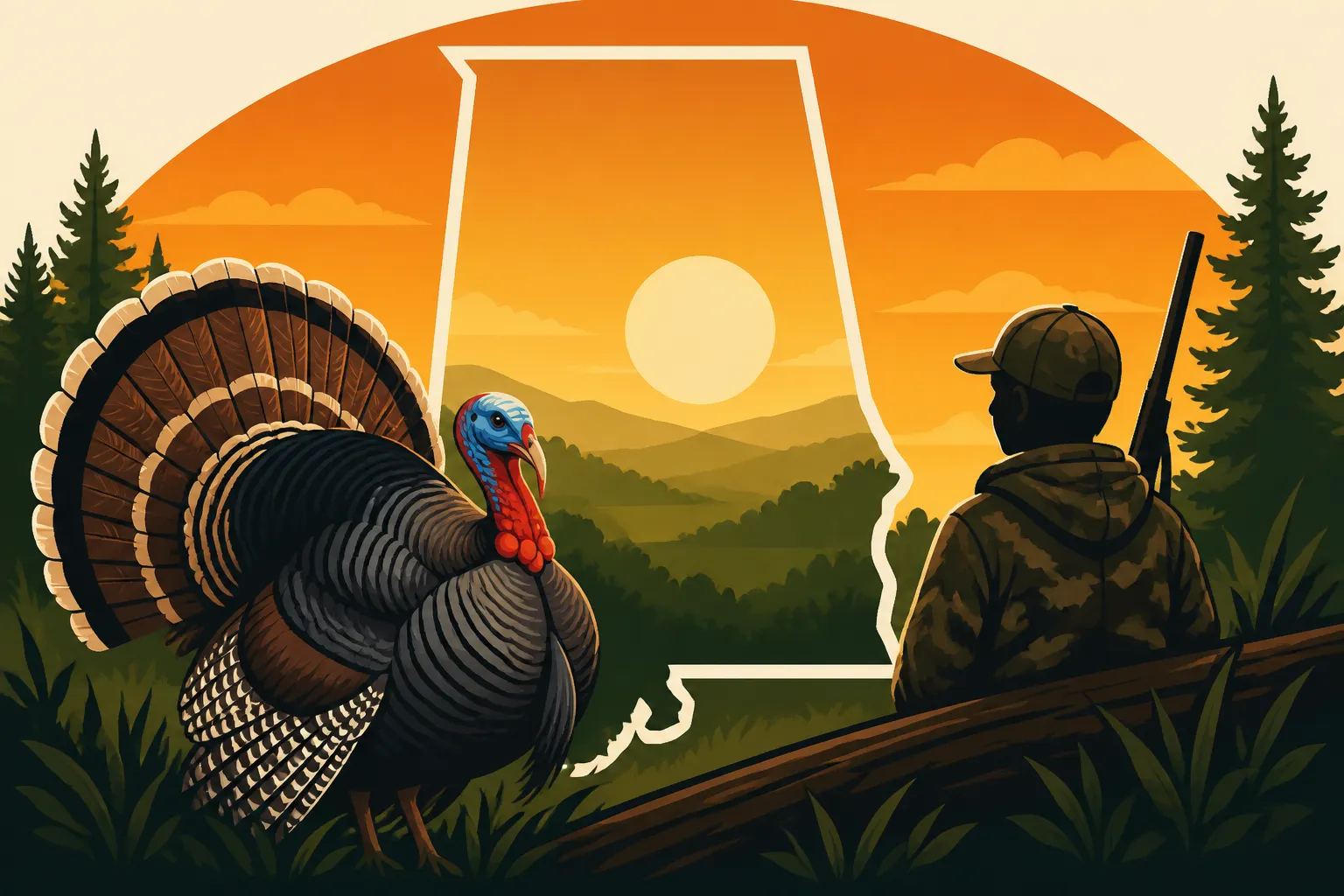
Alabama’s Later Youth Turkey Weekend
It can be incredibly confusing to keep up with Alabama's turkey season, especially when you factor in the split zones and special youth opportunities. Many folks get frustrated trying to pinpoint the exact dates and rules for their area, often missing out on prime hunting weekends for the younger generation. This comprehensive guide is here to untangle the details of Alabama's later youth turkey weekend, making sure you're well-informed and ready to take a young hunter into the spring woods.
Understanding Alabama's Split Turkey Zones
Alabama, in its wisdom, has decided to split the state into two distinct turkey zones for spring hunting. This isn't just to make things complicated, I promise! There's a real method to the madness, but it can certainly feel like a hurdle when you're just trying to figure out when to go.
Why the Zones Exist
The primary reason for Alabama's two turkey zones, aptly named Zone 1 and Zone 2, boils down to biology and the natural progression of spring. Turkeys across the state don't all "wake up" and start their breeding rituals at the same time. The birds in the southern parts of Alabama, where spring arrives earlier with warmer temperatures and earlier green-up, typically begin their gobbling and nesting activities sooner than their counterparts in the cooler, more northerly counties.
By splitting the state into zones, the Alabama Wildlife and Freshwater Fisheries Division (AWFF) aims to align hunting seasons with the peak breeding activities in each region. This management strategy helps ensure that hunters have the best chance at active birds, while also protecting the overall turkey population by reducing pressure during critical early nesting phases in some areas. It’s all about sustainable hunting and giving our wild turkeys the best chance to thrive. Understanding this biological timing is key, whether you're planning for the regular season or trying to coordinate a youth hunt during Alabama's Spring Turkey Zones and Dates.
Identifying Your Zone
So, how do you know if your favorite hunting spot falls into Zone 1 or Zone 2? This is often the trickiest part, but thankfully, there are clear resources to help. Generally speaking, Zone 1 covers the southern and central portions of the state, while Zone 2 encompasses the northern counties. However, a simple glance at a map won't always cut it, as the dividing line can sometimes seem a bit arbitrary, cutting through certain areas or following specific county lines.
The most reliable way to identify your zone is to check the official Outdoor Alabama website. They provide annually updated maps and lists of counties assigned to each zone. Many experienced hunters also use mapping applications like GoHunt, which can layer this information directly onto a map of your hunting area, making it incredibly easy to visualize. Just input your location, and the app often displays the current zone boundaries. Before you even think about setting a date for the hunt, confirming your zone is step number one to avoid any legal mishaps or wasted trips.
The Specifics of Alabama's Later Youth Turkey Weekend
Once you've nailed down that you're in Zone 2, it's time to zero in on the exact details for the youth turkey weekend that comes later in the spring. This special opportunity is designed to get our younger generation excited about hunting, fostering a love for the outdoors under the guidance of experienced mentors.
Key Dates and Age Requirements for Zone 2
The "later" youth turkey weekend is specifically for Zone 2, which typically sees its spring break a bit later than Zone 1. While the exact dates can shift slightly year to year, it generally falls about a week or two after Zone 1's youth opener. This means if Zone 1 kicks off its youth weekend in mid-March, Zone 2's youth hunt might be closer to late March or early April. Always consult the current year's Alabama hunting regulations for the precise dates, as they are published by the Alabama Wildlife and Freshwater Fisheries Division (AWFF).
For a young hunter to participate, they must be 15 years old or younger. This is a strict age limit. The youth hunter must also be accompanied by a licensed adult mentor. This isn't just a suggestion; it's a legal requirement. The mentor needs to be at least 21 years old and possess a valid Alabama hunting license, or be exempt from licensing requirements. During the hunt, the mentor cannot hunt themselves but must be present and directly supervising the youth hunter. This ensures safety and provides an invaluable teaching opportunity, making the experience about the young hunter and their introduction to the sport, similar to the rules for hunting the Zone 1 Youth Turkey Weekend.
Permitted Gear and Regulations
When it comes to gear and regulations for the later youth turkey weekend in Zone 2, the rules are largely consistent with the regular spring turkey season, with some key considerations for youth safety. Youth hunters can use shotguns, bows, or crossbows. For shotguns, common gauges like 12-gauge, 20-gauge, and even .410 are popular, often loaded with specialized turkey loads. It's crucial that the firearm is appropriate for the youth hunter's size and recoil tolerance, prioritizing accuracy and comfort over power. Recoil can be a real turn-off for new hunters, so consider a low-recoil option or a smaller gauge if appropriate.
Blaze orange requirements are another important safety aspect. While not always mandatory while actually hunting turkeys when stationary (due to the need for camouflage), it is highly recommended that both the youth and mentor wear blaze orange when walking to and from the hunting location. This helps other hunters spot you, especially on crowded public lands. Additionally, all harvested turkeys must be reported through Alabama's Game Check system. The youth hunter counts towards the statewide bag limit, which is typically one gobbler per day, three per season, with specific rules about not harvesting another gobbler until the previous one has been checked. This helps maintain data for Alabama Turkey Population Trends and management.
Preparing for a Successful Later Youth Hunt
Taking a young hunter out is about more than just pulling the trigger; it's about building memories, teaching respect for nature, and instilling good hunting ethics. Preparation is paramount to ensuring a safe, enjoyable, and potentially successful experience.
Scouting and Location Selection
The success of any turkey hunt often hinges on thorough scouting, and a youth hunt is no exception. In the weeks leading up to the later youth turkey weekend, dedicate time to scouting your chosen Zone 2 hunting area. Look for prime turkey habitat: mature timber with suitable roost trees, open fields or clearings where turkeys might strut, and areas with good visibility and cover. Pay close attention to food sources that might be available at that time of year, such as early green vegetation or remaining mast crops.
Listen for gobbling at dawn and dusk to locate roost sites. Use mapping tools, perhaps even the GoHunt app, to identify pinch points, creek bottoms, and ridge lines where birds might travel. These travel corridors can be excellent places to set up. For public land, scouting helps you find areas that might see less pressure. Remember, the goal isn't just to find a turkey, but to find a safe, accessible spot where a young hunter can have a good experience. Setting up against a big oak or using a ground blind on Alabama public land can be excellent choices for concealment and comfort.
Mentoring Strategies for Young Hunters
Mentoring a young hunter is a privilege and a responsibility. Here are some strategies to make the later youth turkey weekend a truly memorable and educational experience:
- Prioritize Fun and Comfort: This is probably the most important rule. If the young hunter is cold, bored, or uncomfortable, they won't want to go again. Pack plenty of snacks, water, and extra layers. Be prepared for breaks and don't push them too hard.
- Focus on the Experience, Not Just the Harvest: While harvesting a turkey is exciting, emphasize the entire process: identifying tracks, listening to birds, understanding habitat, and enjoying nature. A missed shot or no bird shouldn't define the trip.
- Teach Safety First: Review firearm safety rules repeatedly. Ensure they understand their shooting lanes, target identification, and always keeping the muzzle in a safe direction. Practice shooting beforehand to build confidence and reinforce safe handling.
- Explain "Why": Don't just tell them what to do; explain why you're doing it. Why are you setting up here? Why are you calling this way? Why is patience important? This builds understanding and critical thinking skills.
- Involve Them in Decision-Making: Let them help choose the setup spot, decide on a calling sequence, or identify tracks. This ownership boosts their engagement.
- Patience is a Virtue: Turkeys can be notoriously tricky. Be prepared for long waits and slow action. Use these times for quiet conversation, wildlife observation, or simply enjoying the peacefulness of the woods. Remember to make the most of a One-Bird-Per-Day Limit if a bird is harvested early.
Maximizing Opportunities During the Hunt
With preparations complete and a young hunter eagerly by your side, it's time to put those plans into action during the later youth turkey weekend. Focusing on smart tactics and fulfilling all post-hunt obligations ensures a complete and ethical hunting experience.
Calling and Setup Tactics
During the later youth turkey weekend in Zone 2, gobblers might have already been pressured by hunters in other zones or during the early parts of Zone 2's regular season. This often means they can be a bit more "henned up" or wary. Your calling and setup tactics will need to be adaptable and subtle.
Starting with soft, realistic hen yelps and clucks can be more effective than aggressive calling. Try to imitate a hen that's just going about her business, rather than one frantically searching for a mate. As a mentor, you can handle most of the calling, allowing the youth hunter to focus solely on listening and preparing for a shot. Decoys can be incredibly effective, especially if you set up a jake or breeding hen decoy to draw a territorial gobbler closer. However, remember Alabama's Ten-Day Decoy Restriction, which lifts later in the season. Once this restriction is lifted, decoy placement becomes crucial – often 15-20 yards in front of your position, giving the gobbler a target and ideally drawing his attention away from your actual blind or cover. If you're on public land, consider how other hunters might perceive your setup.
A comfortable and concealed setup is vital for a young hunter. Ground blinds offer excellent concealment and allow for more movement, which can be a huge benefit when hunting with kids. If using natural cover, ensure you're backed up against a wide tree or thick brush to break up your silhouette. Make sure the youth has a clear shooting lane and is comfortable with their gun rest. Remember, the goal is a close, ethical shot. Don't be afraid to utilize run-and-gun turkey tactics on public land if the situation calls for it, moving quietly to cut off gobblers responding to your calls from a distance.
Post-Hunt Requirements and Reporting
Congratulations! If your youth hunter is fortunate enough to harvest a gobbler during the later youth turkey weekend, the hunt isn't over yet. Alabama has mandatory harvest reporting requirements that every hunter, including youth, must follow.
The Alabama Game Check system is how all legally harvested deer and turkey must be reported. This can be done online through the Outdoor Alabama website or via the Outdoor Alabama app, which is also a fantastic resource for checking regulations and identifying your zone with tools like GoHunt. You'll need information like the date of harvest, county, zone, and the type of game harvested. The harvest must be reported within 48 hours of taking the animal, but it's always best to do it as soon as possible, ideally before leaving the field. This data is critical for wildlife biologists to manage turkey populations effectively and understand Alabama Turkey Harvest Numbers.
Beyond reporting, teach your young hunter about ethical game care. This includes field dressing the bird promptly to ensure the meat stays fresh. Discuss the importance of respecting the animal and utilizing the meat. This full circle of hunting, from scouting and calling to harvest and ethical care, completes the educational experience.
Youth Turkey Weekend Schedule (Zone 2)
Here's a quick overview of the typical dates for the later youth turkey weekend in Alabama's Zone 2. Always check the current year's regulations on the Outdoor Alabama website for precise dates, as they can vary slightly.
| Event | Zone 1 (Southern/Central) | Zone 2 (Northern) | Age Requirement | Mentor Requirement |
|---|---|---|---|---|
| Youth Turkey Weekend | Typically early to mid-March | Typically late March to early April | 15 years old & under | Yes (21+ w/ license) |
| Regular Season Opener | Typically mid-March | Typically late March | N/A | N/A |
| Regular Season End | Typically late April | Typically early May | N/A | N/A |
Note: Dates are illustrative and subject to change annually. Always refer to official ADCNR regulations.
Disclaimer
Hunting is an inherently dangerous activity. Always prioritize safety, adhere to all local, state, and federal regulations, and obtain proper licensing before participating in any hunting activity. The information provided here is for informational purposes only and should not replace official regulations or professional guidance.