Alabama’s Later Spring Turkey Zone Opener
It can be incredibly frustrating to keep up with Alabama's turkey season, especially when you realize the opener isn't the same across the entire state. Many hunters, myself included, have pulled up maps and scratched our heads, wondering why one county opens a week later than its neighbor. This guide is here to clear up that confusion, diving deep into the specifics of Alabama's later spring turkey zone opener so you can plan your hunt effectively and know exactly when and where you can chase gobblers.
Understanding Alabama's Turkey Zones and Their Purpose
Alabama's approach to turkey season isn't a one-size-fits-all model, and that's by design. The state is divided into two primary zones for spring turkey hunting, simply called Zone 1 and Zone 2. This distinction isn't arbitrary; it's a careful management strategy implemented by the Alabama Department of Conservation and Natural Resources (ADCNR) to better align hunting seasons with the biological realities of turkey populations across diverse geographic regions.
The Rationale Behind Staggered Openers
The main reason for these staggered opening dates, particularly the later opener in Zone 2, boils down to the natural progression of spring and turkey breeding cycles across the state. Think about it: Alabama is a fairly long state, stretching from the foothills of the Appalachians in the north down to the Gulf Coast. Spring weather, and consequently, the onset of turkey breeding activity, doesn't happen simultaneously in all these areas. Turkeys in the southern part of the state (often Zone 1) typically begin their breeding rituals—gobbling, strutting, and nesting—earlier than their counterparts further north. The later opener in Zone 2 gives those northern birds a bit more time to get into their full spring swing before hunters enter the woods. This helps ensure that a significant portion of the hens have already been bred and are on their nests, contributing to better long-term population health. It’s a conservation measure aimed at maximizing reproductive success and maintaining healthy turkey numbers for future generations of hunters.
Zone 1 vs. Zone 2: A Quick Overview
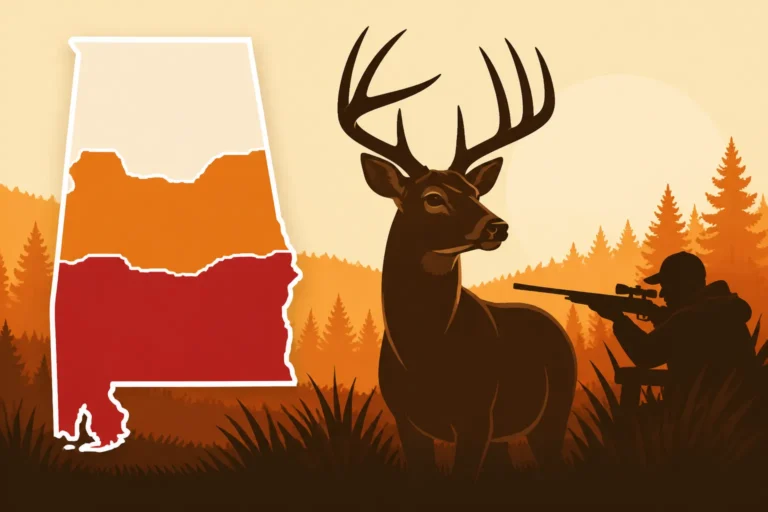
While this guide focuses on the later opener, it's helpful to understand the basic difference. Zone 1, generally encompassing the southern and central parts of Alabama, typically sees an earlier opening date for spring turkey season. These are the areas where spring arrives sooner, and gobblers get fired up earlier. Zone 2, on the other hand, covers the northernmost counties, where spring green-up and turkey breeding activity tend to lag by about a week. This means that if you're accustomed to hunting an early opener in Mobile or Baldwin County, you'll need to adjust your calendar if you decide to hunt up in the mountains of Jackson or DeKalb County. Knowing these differences is crucial for anyone planning their spring turkey season, especially if your hunting grounds span across different zones. You can find more detailed information on why Alabama splits the state into Turkey Zones, as well as a general overview of the Alabama Spring Turkey Zones and Dates on the ADCNR website and various hunting resources.
Key Dates and Counties for the Later Spring Turkey Opener
Alright, let’s get down to the nitty-gritty: when and where this later opener actually applies. This is where many hunters get tripped up, thinking "spring turkey season" means one set of dates for everyone. In Alabama, especially if you're heading to the northern parts of the state, you absolutely need to double-check your calendar and your county.
Specific Season Dates for Zone 2
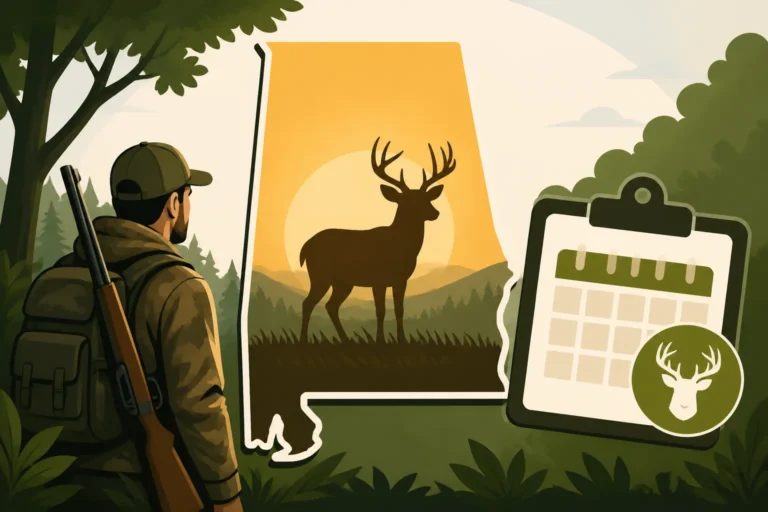
Historically, Alabama's Zone 2 spring turkey season opens approximately one week after Zone 1. While specific dates can shift slightly year to year based on the calendar, the general pattern remains consistent. For example, if Zone 1 opens on March 23rd, Zone 2 will often open around March 30th. This means that if you’re used to the earliest possible dates, that extra week can feel like an eternity, but it's vital for those northern birds. The season then generally runs through late April or early May, mirroring the duration of Zone 1 but on a delayed schedule. It's always, always best practice to consult the current year's official Alabama Hunting and Fishing Digest, which is readily available online through the Outdoor Alabama website or via their app. Using a tool like GoHunt can also be invaluable here, as many digital platforms integrate updated regulation summaries and season dates, helping you avoid an accidental early start.
Here's a simplified look at the typical staggered schedule, but remember to always confirm the current year's dates:
| Zone | Typical Opening Day (General) | Typical Closing Day (General) | General Location |
|---|---|---|---|
| Zone 1 | March 23 | May 8 | South & Central AL |
| Zone 2 | March 30 | May 8 | North AL |
Note: These dates are illustrative. Always check the current year's Alabama Hunting & Fishing Digest for exact season dates.
Counties That Fall Under Zone 2 Regulations
Knowing the dates is one thing; knowing where those dates apply is another entirely. Zone 2 encompasses a significant portion of North Alabama. Generally, if you're hunting north of Interstate 20 and stretching toward the Tennessee border, you're likely in Zone 2. Key counties that consistently fall into Zone 2 include, but are not limited to:
- Northwest Alabama: Lauderdale, Colbert, Franklin, Lawrence, Limestone, Madison, Morgan, Marshall, Winston, Cullman, Marion, Fayette, Lamar, Pickens, Walker.
- Northeast Alabama: Jackson, DeKalb, Etowah, Cherokee, Blount, Calhoun, St. Clair, Jefferson, Shelby, Talladega, Cleburne.
It's a broad sweep of territory that includes some fantastic turkey habitat, from the mountainous terrain of the Appalachians to the rolling hills and river bottoms of the Tennessee Valley. Hunters need to be particularly vigilant if they hunt near county lines, as crossing into a different zone, even by a few miles, can mean a different opening day. Some counties may even have portions in one zone and portions in another, though this is less common for turkey. Always refer to the official ADCNR maps and lists to confirm your exact hunting location. This detailed awareness is part of being a responsible and law-abiding hunter.
Planning Your Hunt Around the Zone Opener
This staggered opening can actually work to a hunter's advantage, provided you plan accordingly. For those who are truly dedicated, it offers the opportunity to potentially hunt two "opening weekends" if you have access to land in both zones. Imagine kicking off the season in Zone 1, then shifting gears and heading north for a second opening weekend experience! However, it also means careful scheduling. If you're coordinating with friends or family, ensure everyone is aware of which zone they'll be hunting in and what the corresponding dates are. If you're thinking about a public land hunt, remember that the later opener in Zone 2 might mean slightly less hunting pressure initially compared to Zone 1, as some hunters might have already gotten their fix. But come that Zone 2 opener, you can expect the woods to fill up quickly. Resources like GoHunt's mapping tools can help immensely in visualizing these zone boundaries and planning your route between them if you're trying to hit both.
Adapting Your Hunting Strategy for Zone 2
Hunting turkeys effectively always requires adaptability, but the later opener in Zone 2 brings its own set of unique circumstances. The birds here, by the time the season kicks off, might be further along in their breeding cycle or have faced different pressures than those gobblers you might have pursued in Zone 1.
Behavioral Differences in Later-Opening Turkeys
When the Zone 2 season finally opens, turkeys in these northern counties are often already well into their breeding activity. You might find that the initial burst of "shock gobbling" is less intense than in Zone 1’s early season, as hens may already be bred and sitting on nests. This can lead to what sometimes feels like "henned up" gobblers – birds that are less responsive to calls because they're preoccupied with live hens. However, don't let this discourage you! What it often means is that you need to shift your tactics from simply getting a bird to gobble to trying to intercept him as he moves through his territory, or targeting those "lone wolf" gobblers still looking for company. It's less about the novelty of the first gobble of spring and more about understanding the daily patterns of birds who are established in their routines. You might even find that some birds are already on their second breeding cycle if the spring has been particularly warm and early.
Tactics for Post-Opener Pressure and Breeding Activity
Given that many hens are likely on nests by the Zone 2 opener, gobblers might be more inclined to roam or seek out unbred hens later in the morning or early afternoon. This opens up opportunities for more patient, strategic hunting. Instead of focusing solely on the roost, consider setting up in travel corridors between roosting areas, feeding grounds, and known strut zones. Mid-morning "run-and-gun" tactics, where you cover ground, call, and listen, can be highly effective once the initial roost activity dies down. You might be targeting that gobbler that's just been abandoned by his hens for the day or one that’s still searching. Knowing the legal turkey hunting hours in Alabama is key, as the later parts of the day can sometimes be productive. Additionally, consider how the Alabama's Ten-Day Decoy Restriction affects your strategy. Once that initial restriction lifts, decoys can be very effective, especially if you're looking to draw a wary gobbler in closer. A single hen decoy or even a jake decoy can sometimes be the visual cue a gobbler needs when calls alone aren't enough.
Scouting Considerations for a Later Start
Pre-season scouting is always crucial, but for Zone 2, it needs to be slightly nuanced. Since the season starts later, you're observing birds closer to or already in peak breeding. Pay close attention to strut zones—areas where gobblers display—which are often open fields, logging roads, or ridge tops. These locations become even more significant as hens begin to nest. Rather than just listening for roost gobblers, try to identify their daily travel patterns. Where do they go after they hit the ground? What fields do they cross? What ridges do they traverse? Mapping tools, even free ones available on your phone, combined with insights from apps like GoHunt, can help you pinpoint these areas. Also, look for fresh tracks, droppings, and shed feathers, which indicate recent turkey activity. Focus on finding reliable food sources that are greening up, as birds will be frequenting these spots throughout the day. The more you know about their routine before you step into the woods on opening morning, the better your chances of success. Scouting Alabama public land before season is an excellent way to gain this critical advantage, whether you're chasing deer or turkeys.
Common Questions and Misconceptions About Zone 2 Hunting
It's natural to have questions when dealing with staggered seasons, and there are a few recurring themes that pop up every spring. Let's address some of these to help clear the air and ensure you're fully prepared.
"Why is my county in Zone 2?"
This is a common lament heard from hunters eagerly awaiting opening day. As mentioned earlier, the division into zones is based primarily on ecological and biological factors, specifically the timing of spring green-up and the onset of turkey breeding activity. Northern Alabama, with its higher elevations and more temperate climate, simply experiences spring later than the southern and central parts of the state. The ADCNR uses this data to set season dates that are most beneficial for the long-term health and reproductive success of the wild turkey population. It's not about punishing hunters in certain areas; it's about responsible wildlife management. While it might mean a bit more patience for those of us in Zone 2, it ultimately contributes to a robust turkey population, meaning more gobblers for everyone down the road. It helps ensure that Alabama Turkey Population Trends remain healthy.
Decoy Use and Legal Hours in Zone 2
The rules for decoy use and legal hunting hours are consistent across both Zone 1 and Zone 2 in Alabama, but they're important enough to reiterate, especially if you're traveling between zones. Decoys are prohibited for the first 10 days of the season in both zones. This means for Zone 2, you'll also have a 10-day period from your opening day where you cannot use decoys. After that initial period, they become legal. This restriction is primarily designed to prevent overharvest during the initial peak of gobbling activity and to reduce conflicts between hunters.
Regarding legal hunting hours, in Alabama, you can hunt spring turkeys from 30 minutes before sunrise until sunset. This applies equally to both zones. However, just because you can hunt all day doesn't always mean you should. While turkeys can gobble at any time, especially during a later season when they're actively breeding, the most reliable times are typically early morning, immediately after they fly down from the roost, and late afternoon as they head back to roost. Use common sense and observe bird behavior to determine the most productive times in your specific hunting area. Understanding Alabama Legal Turkey Hunting Hours is paramount for avoiding violations.
Navigating the Youth Turkey Weekend in Zone 2
Alabama also provides special youth turkey hunting opportunities, which, like the regular season, are split by zone. There's an Alabama Zone 1 Youth Turkey Weekend and a separate Alabama's Later Youth Turkey Weekend for Zone 2. This means that young hunters in Zone 2 get their chance to hunt a weekend before the general season opens in their zone, just like their Zone 1 counterparts. For example, if Zone 1's youth weekend is the weekend before its general opener, Zone 2's youth weekend will be the weekend before its later general opener. This is a fantastic opportunity to introduce youth to turkey hunting with potentially less pressure from other hunters and often more active gobbling since it's the first time birds are being called to in that zone. Always double-check the exact dates for the youth weekends in the current year's digest. It’s a wonderful tradition and a great way to pass on our hunting heritage.
Disclaimer
Hunting regulations can change frequently. While we strive to provide the most accurate and up-to-date information, it is your responsibility as a hunter to consult the current Alabama Department of Conservation and Natural Resources (ADCNR) Hunting & Fishing Digest and any local regulations before heading afield. Ignorance of the law is not a valid defense for violations.