How Many Antlerless Deer Zones A and B Allow
Trying to keep up with Alabama's deer hunting regulations can sometimes feel like you need a law degree and a crystal ball. One of the most common head-scratchers for hunters, especially those new to a specific area or even seasoned hunters crossing zone lines, revolves around how many antlerless deer you can actually take. This guide aims to clear up the confusion, specifically focusing on the rules for Zones A and B, so you can hunt with confidence and stay on the right side of the law.
Navigating Alabama's Deer Seasons: Why Antlerless Limits Matter
For many hunters across Alabama, the idea of "antlerless" deer brings up a lot of questions. We all know the thrill of chasing a mature buck, but managing the herd, providing venison for the freezer, and ensuring a healthy population often means taking antlerless deer. However, the specific rules can be a real challenge to pin down, especially when they vary by geographic zone. It's easy to get frustrated trying to parse dense regulations that might not clearly state a hard "season limit" for does in every part of the state. Understanding these limits isn't just about compliance; it's about being an ethical hunter and contributing to sound wildlife management.
The Alabama Department of Conservation and Natural Resources (ADCNR) sets these regulations with specific goals in mind, balancing hunter opportunity with population health. While some states have very straightforward numerical season limits for antlerless deer, Alabama's approach, particularly in Zones A and B, often leads to misunderstandings because the daily limit and statewide rules sometimes get conflated with a strict, season-long "doe tag" system that doesn't quite apply here.
Deciphering Alabama's Deer Zones and Their Impact
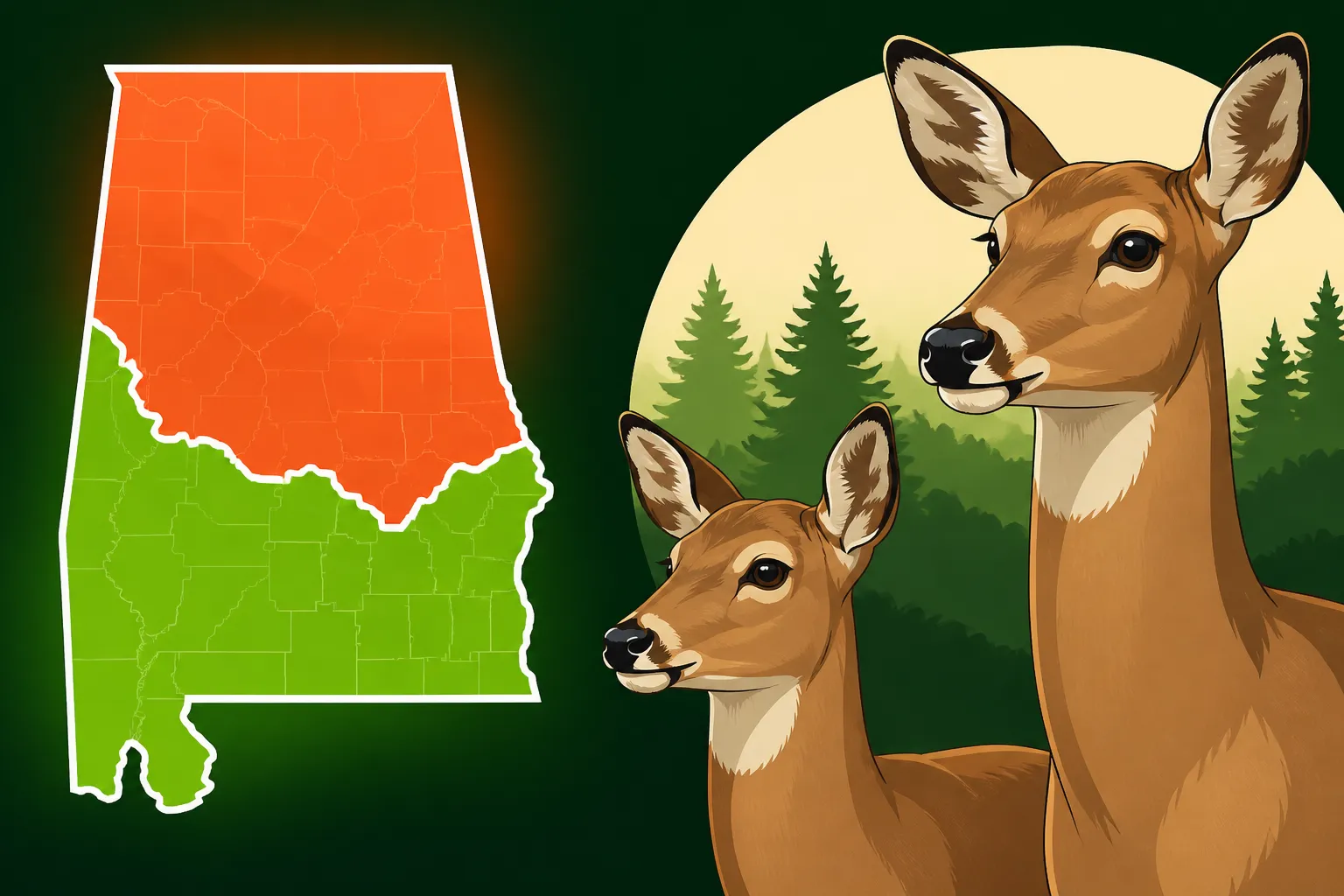
Alabama is a wonderfully diverse state, and its deer populations reflect that. From the fertile Black Belt to the mountainous regions of the north, and the pine forests of the south, deer density, habitat, and even rut timing can vary significantly. To account for these differences, the ADCNR divides the state into several distinct deer hunting zones. This zonal approach allows for tailored management strategies that best fit the local conditions.
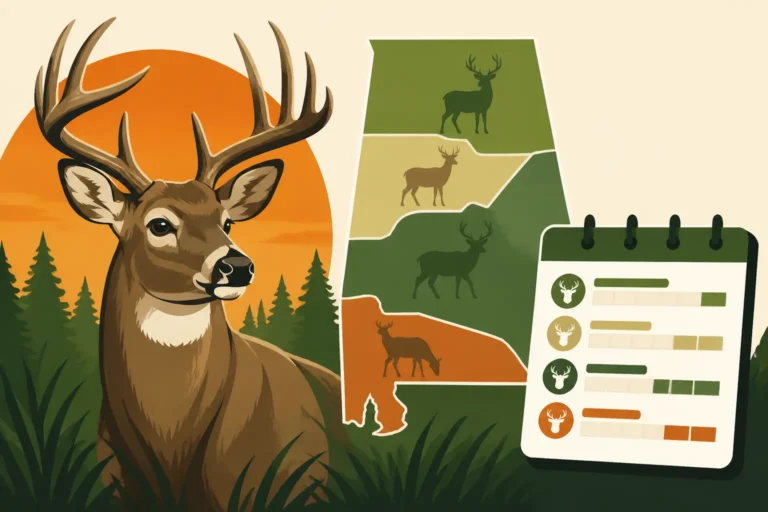
Currently, Alabama utilizes five main deer zones: A, B, C, D, and E. Each zone has its own set of season dates for archery, gun, and muzzleloader hunting, as well as specific rules regarding antlered and antlerless deer harvest. Understanding Alabama's Five Deer Zones is the first step in making sure you're hunting legally. For instance, Zone C, which we'll touch on later, is known for its more restrictive antlerless limits, whereas Zones A and B typically have more liberal allowances designed to help manage larger deer populations and hunter pressure. This regional differentiation is a sophisticated way to manage a statewide resource, but it requires hunters to do their homework.
Regional Differences in Deer Management
The ADCNR doesn't just draw lines on a map arbitrarily. These zones are established based on a myriad of ecological factors, including habitat types, historical deer populations, disease prevalence, agricultural impacts, and even hunter access and tradition. For example, some zones might have a higher carrying capacity for deer, meaning the land can support more animals, thus allowing for a more liberal harvest of antlerless deer to maintain balance and prevent overpopulation issues like habitat degradation or increased disease transmission.
In other regions, population growth might be slower, or there could be specific concerns like Chronic Wasting Disease (CWD), which could lead to tighter restrictions on harvest. Knowing which zone your hunting property or public land falls into is absolutely critical before you ever step foot into the woods. Many hunters rely on tools like the Outdoor Alabama app or hunting apps like GoHunt to quickly identify their current zone and access the most up-to-date regulations right from their phone, even when signal is spotty in the backcountry.
Antlerless Deer Limits in Zone A: What You Need to Know
Alright, let's get down to brass tacks for Zone A. If you're hunting in Zone A during the open deer season, specifically during the designated "either-sex" gun days, the primary regulation to remember regarding antlerless deer is the one antlerless deer per day limit. This means that on any single day that either-sex deer hunting is legal in Zone A, you are permitted to harvest one antlerless deer.
Now, here's where the confusion often creeps in: there isn't a specific, overarching season total for antlerless deer in Zone A beyond that daily limit, as long as you're hunting during the legal dates for either-sex harvest. The ADCNR's approach in Zones A and B (and others, excluding Zone C) allows for consistent daily harvest during the open either-sex windows, which can collectively amount to more than just one or two antlerless deer over the course of the season, provided you only take one per day. This is a crucial distinction that separates Alabama's regulations from states that issue specific "doe tags" with a hard, annual limit.
For example, if the either-sex season runs for several weeks in Zone A, and you hunt multiple times during that period, you could potentially take an antlerless deer on several different days, adhering to the one-per-day rule each time. This strategy is essential for proper herd management, especially in areas with robust deer populations, ensuring that female deer numbers are kept in check to prevent overgrazing and improve buck quality. It helps keep the overall Alabama Deer Population Estimate in a healthy balance.
Zone A Season Structure and Antlerless Opportunities
Zone A typically boasts one of the state's longer and more liberal gun seasons for deer, including a significant period for either-sex hunting. This extended opportunity is generally welcomed by hunters, as it provides ample time to fill the freezer and manage local deer numbers. During the archery season, antlerless deer are generally legal throughout the entire season, still adhering to the one-per-day rule. When the gun season opens, specific dates are designated as "either-sex days," allowing for the harvest of antlerless deer with firearms.
It's vital to consult the current year's Alabama Hunting Season and Bag Limits brochure, available from Outdoor Alabama, or use a reliable app like GoHunt to pinpoint the exact opening and closing dates for either-sex gun hunting in Zone A. These dates can shift slightly year to year based on calendar progression. Missing these specific windows means any antlerless deer harvested by firearm would be illegal, regardless of the one-per-day rule. Hunters in Zone A often find success targeting late-season food sources after a cold front hits, which can lead to increased deer activity and better opportunities for harvesting does.
Antlerless Deer Limits in Zone B: Your Guide to the Regulations
Zone B operates under very similar antlerless deer regulations to Zone A, emphasizing the one antlerless deer per day rule during open either-sex seasons. Just like in Zone A, the key is the daily limit, not a restrictive total for the entire season. This consistency between the two zones simplifies things a bit for hunters who might move between adjacent counties that fall into either Zone A or B.
The rationale behind these similar limits in Zone B is often tied to comparable deer densities and management goals. Many areas within Zone B also support healthy deer populations that benefit from antlerless harvest to maintain ecological balance and hunter satisfaction. For hunters passionate about herd health, taking antlerless deer responsibly is a powerful tool to ensure the long-term vitality of the local deer herd.
It’s important to remember that while the antlerless limits are similar, the overall season dates for archery, gun, and muzzleloader can still differ slightly between Zone A and Zone B. So, while you might feel confident about the "one per day" rule, always double-check the specific season calendar for the zone you're hunting in. Being informed about Alabama Deer Season Structure Explained can save a lot of headaches and potential fines.
Zone B Hunting Opportunities and Antlerless Strategy
Zone B typically offers excellent hunting opportunities, and like Zone A, it usually has a generous period where antlerless deer can be harvested by gun. Archery hunters, of course, have even more flexibility, often being able to take an antlerless deer every day of the season from its opening. This flexibility allows hunters to be strategic, perhaps focusing on harvesting does early in the season to reduce population numbers, or waiting until later to target specific family groups.
For hunters looking to fill their freezer, understanding these regulations for Zone B means you can confidently harvest antlerless deer when the opportunity arises, knowing you're adhering to the daily limit. It also means you can plan multiple hunts with the intent of harvesting multiple antlerless deer throughout the season, provided you stick to the "one per day" and abide by the open season dates. Successfully utilizing the antlerless opportunities can lead to a productive season and plenty of delicious venison. When hunting the rut in the southern zones, where Zones A and B mostly reside, doe movement can be high, offering good opportunities.
Understanding the "One Antlerless Per Day" Rule and Season Context
Let's dive a little deeper into the "one antlerless deer per day" rule, as this is the cornerstone for Zones A and B. This regulation applies during any period when either-sex deer hunting is legal. It does not imply a season limit of just one antlerless deer. Instead, it allows for flexibility on a daily basis, encouraging hunters to help manage the deer population by harvesting does as opportunities arise throughout the longer, open periods.
However, this daily limit must always be considered within the context of Alabama's other statewide deer hunting regulations, particularly the three-buck season limit. While there isn't a strict season limit on antlerless deer in Zones A and B, you cannot exceed the three-buck limit, and your daily harvest cannot exceed three deer total (antlered or antlerless combined), with a maximum of one antlered deer per day. This means on a given day, you could take:
- One antlered deer and two antlerless deer.
- Three antlerless deer (if no antlered deer are taken that day).
- One antlered deer (if no antlerless deer are taken that day).
- One antlerless deer (if no antlered deer are taken that day).
This nuanced approach requires hunters to keep track of their daily harvest and their overall buck harvest for the season. It emphasizes daily adherence rather than a pre-determined season total for antlerless animals, which can be a different mindset than what some hunters are used to.
Statewide Bag Limits and Daily Combinations
The Alabama statewide bag limit for deer dictates that a hunter may harvest up to three antlered bucks per season. Only one of these three bucks can have antlers less than four points, one inch or longer, on one side (unless you're in a specific county that's exempt from this rule, like Barbour County, where the four-point rule exception applies). For antlerless deer, as we've established for Zones A and B, it's one per day during the legal either-sex season.
The daily combination of deer you can take is also key. While you can take one antlerless deer per day during the open season, you cannot take three antlerless deer and one antlered deer in the same day. The maximum is three deer per day, and if an antlered deer is harvested, only two antlerless deer can be added to that daily total. If you choose not to harvest an antlered deer, you could potentially take three antlerless deer in one day. These rules are designed to give hunters flexibility while preventing excessive daily harvests and still managing the buck population through the season limit.
Why Zone C Differs and What It Means for Management
Understanding the antlerless limits in Zones A and B often becomes clearer when contrasted with Zone C, which has a distinctly different and more restrictive approach. In Zone C, the regulation typically states one antlerless deer per season. This is a hard, season-long limit, regardless of how many either-sex days are available. You can't take one doe today and another next month in Zone C; once you take one, your antlerless harvest for the season is done.
This stricter limit in Zone C is not arbitrary. It's usually implemented in areas where deer populations are lower, where habitat may be less productive, or where specific management goals require a more conservative harvest of female deer to encourage population growth. For example, some regions might be recovering from past overharvest, have lower fawn recruitment rates, or face other environmental pressures that make a liberal antlerless harvest unsustainable.
Comparison of Antlerless Deer Limits (during open either-sex season)
| Zone | Daily Antlerless Limit | Season Antlerless Limit | Notes |
|---|---|---|---|
| A | One per day | No specific total limit | Hunters can take one antlerless deer per day during legal either-sex seasons. Total antlerless harvest over the season is determined by adherence to daily limit and season dates. Overall daily bag limit of three deer (max one antlered) still applies. |
| B | One per day | No specific total limit | Same as Zone A. Hunters can take one antlerless deer per day during legal either-sex seasons. Total antlerless harvest over the season is determined by adherence to daily limit and season dates. Overall daily bag limit of three deer (max one antlered) still applies. |
| C | One per day | One per season | Hunters can take one antlerless deer per day during legal either-sex seasons, but once one antlerless deer has been harvested, no more antlerless deer may be taken for the remainder of that season. This is a hard season-long limit. |
Note: Always consult the most current Alabama Hunting & Fishing Digest for precise, up-to-date regulations, as rules can change.
The difference between a "one per day" with no season total and a "one per season" is significant for hunters planning their strategy and harvest. It highlights the importance of truly knowing the regulations for your specific hunting area. Tools like GoHunt can be invaluable here, providing not only mapping but also access to regulation summaries that are often easier to digest than the full legal text.
Impact on Hunter Strategy and Conservation
For hunters, these differing regulations necessitate a distinct approach. In Zones A and B, if you're primarily focused on meat hunting or herd reduction, you can confidently harvest multiple does throughout the season. This allows for a more consistent supply of venison and actively contributes to local herd management by helping to balance buck-to-doe ratios and reduce overall deer density where needed. This is particularly important for areas experiencing crop damage or where biologists are concerned about Deer Density by Alabama Region.
In Zone C, however, every antlerless harvest is a much more significant decision. Hunters often become more selective, perhaps holding out for a larger, older doe, or passing on opportunities early in the season if they anticipate a better chance later. This conservative approach aligns with the management goals for that specific zone. Ultimately, these zonal differences underscore the commitment to localized, effective wildlife management across Alabama.
Essential Tips for Ethical Antlerless Deer Hunting in Alabama
Successful and ethical antlerless deer hunting goes beyond just knowing the regulations. It involves good scouting, understanding deer behavior, and making responsible decisions in the field. Here are some tips to help you maximize your success while adhering to ethical hunting practices.
Scouting for Antlerless Opportunities
Just like hunting for a trophy buck, effective scouting is paramount for antlerless deer. Look for areas with abundant food sources such as acorn flats, agricultural fields (like peanuts or soybeans), or planted green fields. Does often travel in family groups, so if you see one, there's a good chance more are nearby. Pay attention to bedding areas, travel corridors, and water sources. Using the Outdoor Alabama App can help identify potential public hunting lands and property lines, aiding in your scouting efforts.
When scouting, look for fresh tracks, droppings, and browse lines that indicate heavy deer use. Trail cameras are excellent tools for identifying patterns of doe movement and helping you decide on optimal stand placement. Remember, the goal of antlerless harvest is often herd management, so targeting areas with a higher concentration of does can be beneficial. Consider scouting after a Poor Acorn Year as deer movement will be more focused on alternative food sources.
Shot Placement and Ethical Harvest
When it comes to harvesting any deer, especially an antlerless one, ethical shot placement is non-negotiable. Aim for the "kill zone" – the heart and lungs area behind the shoulder – to ensure a quick, humane harvest. Practice regularly with your chosen weapon to be confident in your shot. Using quality ammunition that expands reliably will also increase your chances of a clean kill.
After the shot, give the deer sufficient time to expire before trailing. This can vary based on the shot, but generally, 30 minutes to an hour for a solid hit, and longer for less-than-ideal shots, is wise. Tracking a Deer Through Alabama Pine Straw can be challenging, so patience is key. Always follow up on your shot, even if you don't immediately see the deer fall. Losing a wounded animal is a terrible feeling and goes against the principles of ethical hunting.
Managing Your Harvest
With the "one antlerless deer per day" rule in Zones A and B, you have the potential for a significant venison yield over the season. Planning for processing and storage is crucial. Consider having coolers ready with ice, especially if hunting in warmer weather. Knowing how to efficiently Field Dressing a Deer in Warm Weather is a skill every Alabama hunter should possess.
If you plan to harvest multiple does, think about whether you'll process them yourself or use a local processor. Many hunters enjoy the process of butchering their own deer, ensuring they get the cuts they prefer. If using a processor, make arrangements beforehand, especially during peak season, as they can get very busy. Don't let your desire to manage the herd overshadow your ability to properly care for the meat.
Reporting Your Harvest: A Crucial Step
Regardless of whether you harvest an antlered or antlerless deer, reporting your harvest is a mandatory and extremely important part of hunting in Alabama. The Game Check system, managed by the ADCNR, is how the state collects vital data on deer populations, harvest trends, and overall herd health. This data directly influences future hunting regulations, including antlerless limits.
Hunters are required to report their deer harvest within 48 hours of the kill. This can be done online through the Outdoor Alabama website or via their mobile app. The process is straightforward, requiring information such as the date of kill, county, type of deer (antlered or antlerless), and the zone. Taking a few minutes to report your harvest is a direct contribution to the scientific management of Alabama's deer resource.
Why Game Check Matters for Antlerless Management
The data collected through Game Check is invaluable to wildlife biologists. By tracking the number of antlerless deer harvested in each zone, they can assess population trends, evaluate the effectiveness of current regulations, and identify areas where antlerless harvest might need to be adjusted. For example, if Game Check data shows a consistent under-harvest of does in a particular zone despite high deer densities, it might prompt the ADCNR to further promote antlerless harvest opportunities.
Conversely, if biologists observe declining deer populations or other issues, the data might support more conservative antlerless limits, as seen in Zone C. Your participation in Game Check provides real-world information that cannot be gathered any other way. It's a fundamental part of the hunting privilege and responsibility in Alabama, ensuring that future generations can enjoy healthy deer populations and robust hunting seasons. So, whether it's your first doe of the season or your tenth, make sure you take the time to report it accurately.
Disclaimer
The information provided in this guide is for general informational purposes only and is based on typical Alabama hunting regulations. Hunting regulations are subject to change annually and can have specific exceptions or additions. It is the hunter's sole responsibility to consult the most current official Alabama Department of Conservation and Natural Resources (ADCNR) Hunting & Fishing Digest, available on the Outdoor Alabama website, before engaging in any hunting activities. Failure to comply with current regulations may result in legal penalties.