Comparing Alabama’s Five Deer Zone Calendars
Trying to make sense of Alabama's deer season can feel like you're cracking a secret code, especially with the state split into five distinct zones, each with its own set of dates and rules. It's a common frustration, jumping online only to find a wall of text that doesn't clearly lay out when you can actually hunt in your neck of the woods. This guide aims to cut through that confusion, breaking down each of Alabama's five deer zone calendars so you can plan your season with confidence, knowing exactly what to expect from opening day to the final bell.
Understanding Alabama's Five Deer Zones
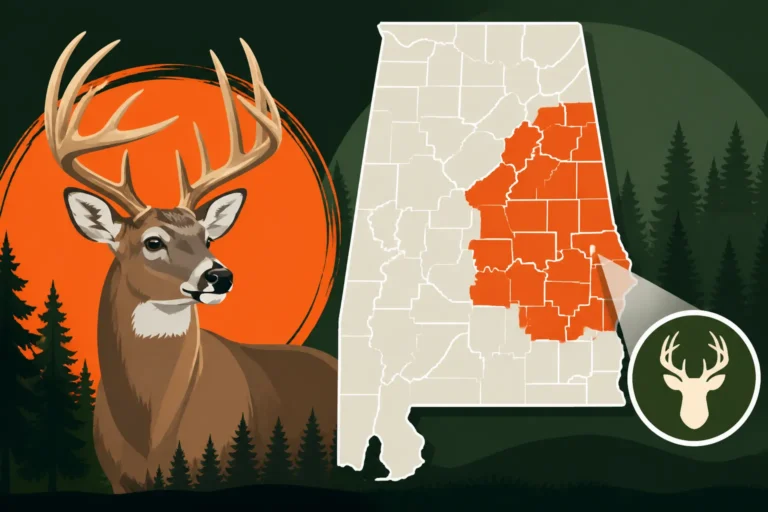
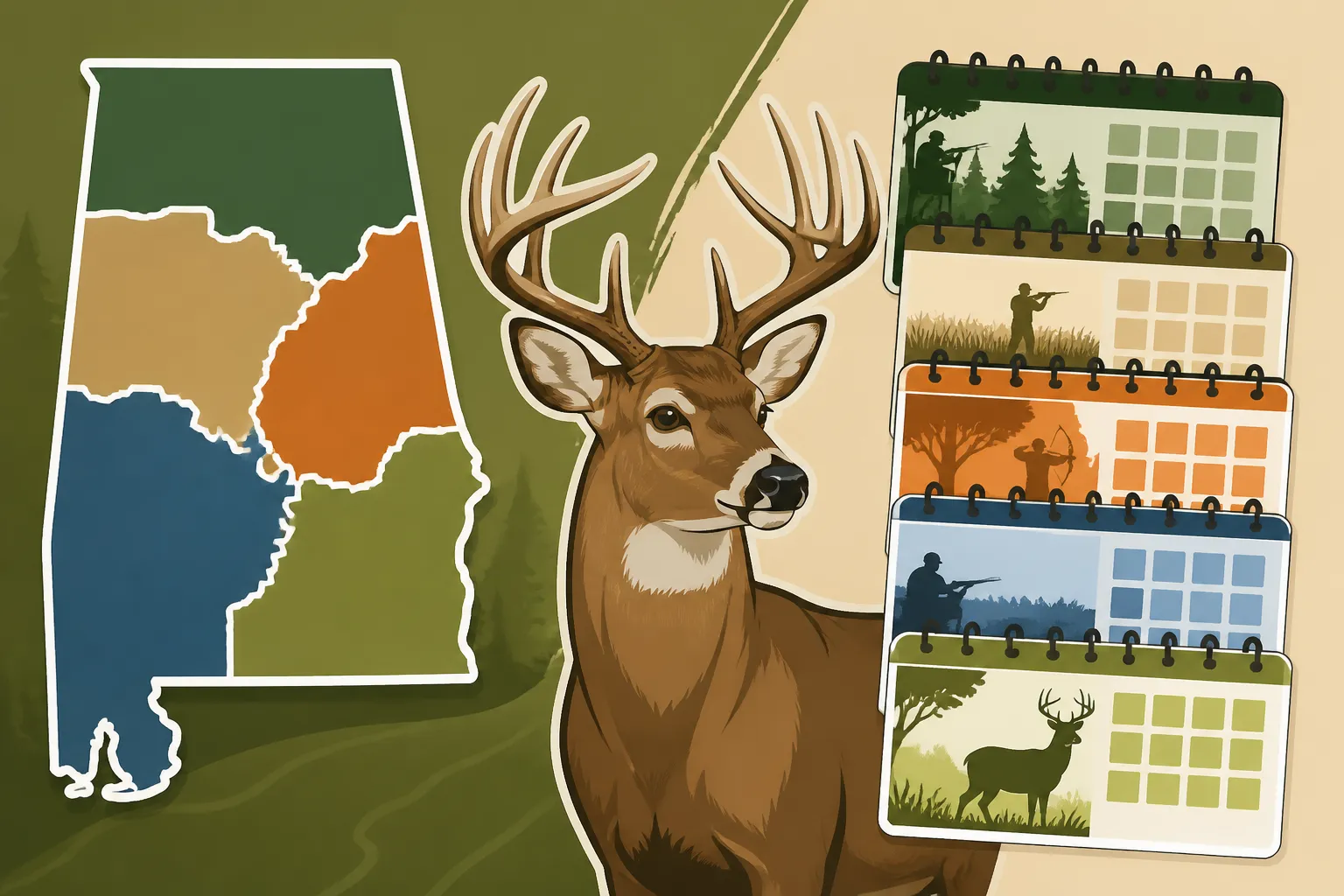
Alabama is truly a diverse state, from the mountains of the north to the coastal plains down south. This incredible variation in landscape, deer populations, and even rut timing means that a one-size-fits-all hunting season just wouldn't make sense. That's why the Alabama Wildlife and Freshwater Fisheries Division (ADWFF) has carefully divided the state into five distinct deer zones: Zones A, B, C, D, and E. Each zone is a response to the unique biological and ecological factors present in that particular region, aiming to provide the best hunting opportunities while maintaining a healthy, sustainable deer herd. It's a system designed to be responsive, but for us hunters, it can sometimes feel like a puzzle.
Why Different Zones Matter for Deer Management
The primary reason for these zones boils down to managing deer populations effectively and ensuring hunting seasons align with the deer's natural life cycle, particularly the rut. In some areas, deer might breed earlier, while in others, the rut peaks much later. Having different season dates allows biologists to optimize harvest opportunities when deer are most active, ensuring that hunters have a fair chance while also preventing overharvest or under-harvest in specific regions. For example, if a zone has a later rut, extending the gun season a bit later can be beneficial for hunters. Conversely, if a deer population needs a bit more protection, shorter seasons or tighter antlerless limits might be implemented. It's a delicate balance that often means the dates in your county might be wildly different from your cousin's a few hours away.
Navigating County Lines and Zone Boundaries
One of the biggest headaches for hunters in Alabama is figuring out which zone their hunting spot actually falls into, especially if you hunt near a county line or on a piece of land that straddles multiple zones. It's not uncommon for a single county to be partially in one zone and partially in another. This can lead to serious confusion and, if you're not careful, unintentional violations. Imagine you've got a lease that crosses a county boundary, and one side is Zone A while the other is Zone B. The legal hunting dates for your rifle could be totally different just a few hundred yards apart! It's absolutely crucial to pinpoint your exact location. Digital mapping tools, like those found on the GoHunt platform or the Outdoor Alabama app, have become indispensable for this. They allow you to overlay zone boundaries directly onto property maps, leaving no room for guesswork. Never just assume you're in the same zone as your buddy if there's any doubt about county lines. Make sure you can clearly identify your zone by checking county lines.
Diving Deep into Each Zone's Calendar
Alright, let's get down to the brass tacks: what dates can you actually hunt in each of Alabama's five deer zones? It’s important to remember that these dates are subject to change slightly year to year, so always double-check the latest regulations from the ADWFF before heading afield. But generally, the framework remains consistent, offering a clear picture of the opportunities available.
Zone A: The Early Opener
Zone A is generally located in the northern and central parts of Alabama and often boasts some of the earliest season openers, particularly for gun season. If you live in this zone, you might be enjoying rifle hunting while many other parts of the state are still restricted to archery. This can be great for those eager to hit the woods early, but it also means the season typically wraps up sooner than in some other zones.
- Archery Season: Typically, the archery season in Zone A kicks off around mid-October, running through early February. This gives bowhunters a fantastic, long window to pursue deer before, during, and after the gun seasons.
- Gun Season: The general gun season for deer in Zone A often opens in mid-November and continues through early February. This is a robust timeframe, encompassing some of the peak rut activity in this part of the state. Make sure to consult the specific Alabama Gun Season Dates by Zone for the current year.
- Muzzleloader and Air Rifle Season: There's usually a dedicated muzzleloader and air rifle season, often overlapping with the later part of the gun season or having a brief, exclusive window. This provides hunters with alternative methods to extend their time in the field, and you can learn more about specific tactics in Alabama Muzzleloader and Air Rifle Tactics.
- Antlerless Deer: The opportunity to harvest antlerless deer is crucial for herd management. Zone A typically has generous antlerless days, often running concurrently with parts of the gun season. Always verify the specific dates for antlerless deer to ensure you're compliant.
- Youth Gun Weekend: Like all zones, Zone A participates in the Alabama Youth Gun Weekend Dates, usually in late October or early November, providing a special opportunity for young hunters to take to the field with adult supervision before the main gun season opens.
Zone B: The Extended Opportunities
Zone B is found primarily in the central and western parts of the state, often sharing similarities with Zone A but sometimes offering slightly different end dates. This zone can provide a good balance between early starts and extended opportunities, particularly for archery hunters.
- Archery Season: The archery season in Zone B aligns closely with Zone A, usually opening in mid-October and extending into early February. This long period for archers allows for plenty of flexibility and patience when stalking deer.
- Gun Season: Gun season in Zone B also typically begins in mid-November. While the opening might match Zone A, the closing dates can sometimes differ by a few days, so always check the specific Alabama Gun Season Dates by Zone.
- Muzzleloader and Air Rifle Season: Similar to Zone A, Zone B will have designated periods for muzzleloader and air rifle hunting, often within the broader gun season framework.
- Antlerless Deer: Antlerless days are generally abundant in Zone B, running for a significant portion of the gun season to help manage the doe population. This allows hunters to fill their freezers while also contributing to healthy herd dynamics.
- Youth Gun Weekend: The youth gun weekend in Zone B will also fall during the statewide dates in late October or early November.
Zone C: Tighter Antlerless Limits
Zone C covers primarily the southeastern part of Alabama, often referred to as the Wiregrass Region. This zone sometimes has slightly different season dates compared to the northern zones, and notably, a more conservative approach to antlerless harvests. If you're hunting here, understanding the antlerless limits is paramount.
- Archery Season: Archery season in Zone C typically opens mid-October and runs into early February, mirroring other zones for bowhunters.
- Gun Season: The general gun season in Zone C usually kicks off around mid-November and runs through early February. Check the specific Alabama Zone C Gun Season Dates for precise information.
- Muzzleloader and Air Rifle Season: Muzzleloader and air rifle opportunities are available in Zone C, generally within the larger gun season timeframe.
- Antlerless Deer: This is where Zone C significantly differs. The C's Tighter Antlerless Limit usually means fewer antlerless days or stricter bag limits compared to Zones A and B. This management strategy helps ensure that the doe population remains robust in this region, which might have different reproductive dynamics or population densities. Hunters must be extra vigilant about the specific dates and rules for harvesting antlerless deer here.
- Youth Gun Weekend: Zone C observes the statewide youth gun weekend in late October or early November.
Zone D: The Deep South Opener
Zone D encompasses much of coastal Alabama and the Mobile-Tensaw River Delta region. This zone often has the latest rut, which means its season dates, particularly the gun season, are sometimes adjusted to capitalize on this later breeding activity.
- Archery Season: Archery season in Zone D typically opens mid-October and can extend into February, giving bowhunters a long season.
- Gun Season: The general gun season in Zone D often starts in mid-November and can run through mid-February. This longer gun season in February is a notable difference, aligning with the later peak of the rut found in many of the southern counties.
- Muzzleloader and Air Rifle Season: These seasons are usually embedded within or overlap the gun season dates.
- Antlerless Deer: Zone D typically has generous antlerless opportunities during its extended gun season, much like Zones A and B, helping to keep the herd in check.
- Youth Gun Weekend: The youth gun weekend is observed in late October or early November, statewide.
Zone E: The Southwest Exception
Zone E is a relatively small zone, usually comprising just a few southwestern counties, often bordering Mississippi. Its season dates can sometimes be unique, reflecting its distinct geographical location and local deer dynamics. Historically, this zone has had some of the latest season dates to align with its later rut.
- Archery Season: Archery season in Zone E usually starts mid-October and extends into mid-February.
- Gun Season: The general gun season in Zone E often begins in mid-November and runs through mid-February. Pay close attention to the specific closing dates, as they can sometimes be the latest in the state, offering fantastic late-season hunting.
- Muzzleloader and Air Rifle Season: Opportunities for muzzleloader and air rifle hunting are available within the gun season.
- Antlerless Deer: Zone E generally offers ample antlerless days during its extended gun season.
- Youth Gun Weekend: The youth gun weekend is consistent with the statewide dates in late October or early November.
Here's a simplified table comparing the general frameworks of each zone's deer calendar. Remember, these are typical ranges, and you must always verify the current year's exact dates from the official Alabama Wildlife and Freshwater Fisheries Division regulations.
| Zone | Archery Season (Typical Range) | Gun Season (Typical Range) | Antlerless Opportunities | Key Differentiating Factor |
|---|---|---|---|---|
| A | Mid-Oct to Early Feb | Mid-Nov to Early Feb | Generally Ample | Earlier start, standard close |
| B | Mid-Oct to Early Feb | Mid-Nov to Early Feb | Generally Ample | Similar to A, sometimes slightly different close |
| C | Mid-Oct to Early Feb | Mid-Nov to Early Feb | More Restricted | Tighter antlerless limits for management |
| D | Mid-Oct to Mid-Feb | Mid-Nov to Mid-Feb | Generally Ample | Later season close (mid-Feb) |
| E | Mid-Oct to Mid-Feb | Mid-Nov to Mid-Feb | Generally Ample | Latest season close (mid-Feb), sometimes unique dates |
Key Differences and Overlapping Opportunities
Understanding the nuances between these zones isn't just about knowing when to hunt; it's about strategizing. For those who hunt multiple properties or have friends in different parts of the state, these differences can dictate everything from vacation days to equipment choices. The variance in opening and closing dates for specific seasons, as well as the rules for harvesting antlerless deer, are the most significant elements to keep in mind.
When Seasons Shift and Why
The primary shift you'll notice is how the gun season concludes. While many zones share a similar mid-November gun opener, the closing dates can extend into mid-February in the southern zones (D and E). This extension directly correlates with the later rut activity observed in those regions. Hunting the Rut in the Southern Zones can be a totally different experience than in the northern parts of the state. These biological differences are what drive the varied calendar dates. It's a testament to Alabama's commitment to biologically sound management, even if it means we have to pay closer attention to the calendar!
Another key difference is the public land antlered-only windows. On many Wildlife Management Areas (WMAs) and National Forests, there might be specific periods, often early in the gun season, where only antlered deer can be harvested, regardless of the zone's general antlerless rules. This helps reduce early pressure on the doe population on heavily hunted public lands. Always check the specific regulations for the public land you plan to hunt, as they can sometimes override general zone rules.
Antlerless Deer Limitations by Zone
As we touched on, Zone C stands out with its C's Tighter Antlerless Limit. While Zones A, B, D, and E often have a "one antlerless deer per day" allowance during specific periods of the gun season, Zone C's antlerless opportunities are usually much more constrained, both in terms of dates and quantity. This isn't arbitrary; it's a specific management decision to encourage population growth or to address specific herd dynamics in that region. If you're accustomed to filling two unantlered tags in Zone A, you might find yourself with very limited antlerless options if you hunt in Zone C. It's crucial to know how many antlerless deer Zones A and B allow, for example, versus Zone C, to avoid accidental violations.
These limitations extend to how you track your harvest. Regardless of the zone, every harvested deer in Alabama must be reported through Game Check within 48 hours. This reporting system is vital for biologists to monitor harvest numbers and adjust future regulations. Failing to report a deer is a serious violation, so always make sure you're compliant with the Alabama Deer Reporting Rules.
Special Season Overlaps
Beyond the general archery and gun seasons, Alabama also offers special opportunities that may or may not perfectly align across zones. The youth gun weekend, as mentioned, is statewide. The muzzleloader and air rifle season, while typically falling within the main gun season dates, is another example of a specialized opportunity.
The archery season, running as long as it does (often into early February), offers an incredible amount of overlap with firearm seasons. This means an archer could be hunting on January 30th while a rifle hunter might also be out, depending on the zone. For those who enjoy multiple methods, this provides flexibility. For others, it means being acutely aware of your chosen weapon's legal dates within your specific zone. The flexibility of Bowhunting Alabama's Long Archery Season is a real highlight for many hunters, allowing them to participate in the entire deer season.
Planning Your Hunt Based on Zone Calendars
With all these different calendars, planning your deer season in Alabama requires a bit more thought than just circling a single opening day. For hunters with access to multiple properties or those who travel, understanding these zone differences can open up incredible opportunities for extended hunting or targeting specific rut phases.
Utilizing Mapping Tools for Zone Specifics
The first and arguably most critical step in planning your hunt is confirming your exact location within a specific deer zone. Don't rely on memory or hearsay. Modern mapping applications, like the ones offered by GoHunt, provide invaluable features for this. You can pull up detailed satellite imagery, property lines, and crucially, overlay public land boundaries and hunting zones. This ensures you know precisely whether you're in Zone A, B, C, D, or E. Using such tools to verify your zone can prevent a costly mistake.
Furthermore, these tools are excellent for scouting Alabama public land before season. You can identify potential access points, pinpoint areas that might hold deer during different phases of the rut, and even mark treestand locations, all while being mindful of the specific season dates for that exact location. For example, if you're looking at a property that straddles the line between Zone A and Zone B, a good mapping app will clearly show you which regulations apply to which section of your hunting ground.
Strategies for Multi-Zone Hunters
For the dedicated hunter with the flexibility to travel, hunting across multiple zones can be a game-changer. Imagine starting your season in an early opener like Zone A, then transitioning to a property in Zone D or E to catch the later rut in February. This effectively extends your prime hunting opportunities.
- Extended Season: By moving from a zone with an early close to one with a late close, you can keep hunting for weeks longer than if you stayed in a single zone. This is especially true for gun hunters looking to maximize their time in the field.
- Targeting Rut Peaks: Since the rut phases differ across the state, hunting different zones allows you to potentially target the peak rut in multiple locations. You could be experiencing intense rut activity in Zone A in late November, and then shift to Zone D to catch a fresh wave of rutting bucks in January or early February. Learning more about Hunting the Rut in the Southern Zones will be key for this strategy.
- Diverse Opportunities: Each zone often has unique terrain and habitat. Hunting across zones can expose you to different hunting challenges and experiences, from the rolling hills of the Piedmont to the river swamps of the coast.
- License Considerations: Remember, your statewide Alabama hunting license covers you in all zones, but you must adhere to the specific zone regulations for where you are actively hunting on any given day. This also includes adhering to the Alabama's Three-Buck Season Limit regardless of which zones you harvest them in.
Planning Around Youth Weekends and Special Seasons
Don't overlook the special seasons. The Alabama Youth Gun Weekend is a fantastic opportunity to introduce new hunters to the sport or spend quality time with younger family members. Knowing these dates well in advance allows you to dedicate that time specifically to mentored hunts. It’s a chance to make memories without the pressure of the full general season crowd.
Similarly, if you're a fan of primitive weapons, planning around the Alabama Muzzleloader and Air Rifle Season offers additional chances to hunt. Sometimes these seasons provide unique windows of opportunity before or after the main gun season, allowing you to be in the woods when fewer hunters might be present. Always have a clear understanding of what Alabama legal firearms for deer hunting are for each specific season and zone.
Final Thoughts on Calendar Management
Navigating Alabama's five deer zone calendars can feel daunting at first, but with a bit of research and the right tools, it becomes a powerful advantage. The system is designed to provide diverse and abundant hunting opportunities across our beautiful state, tailored to the specific needs of each region's deer herd. By understanding the general framework of each zone's archery, gun, and antlerless seasons, and by diligently checking the annual regulations for your specific hunting grounds, you'll be well-prepared for a successful and enjoyable season. Happy hunting, and always stay safe out there!
Disclaimer
The information provided in this guide is for general informational purposes only and does not constitute legal advice. Hunting regulations in Alabama are subject to change, and it is the sole responsibility of each hunter to consult the most current official regulations published by the Alabama Department of Conservation and Natural Resources (ADCNR) and the Alabama Wildlife and Freshwater Fisheries Division (ADWFF) before engaging in any hunting activities. Failure to comply with official regulations can result in penalties.