Why Zone 2 Opens a Week Later Than Zone 1
If you've ever found yourself scratching your head, trying to make sense of Alabama's turkey season dates, especially why Zone 2 opens a full week later than Zone 1, you're definitely not alone. It can feel like an unnecessary complication when all you want to do is get out there and chase gobblers. But trust me, there's a thoughtful, science-backed reason behind this staggered opener, and understanding it can actually make you a more successful hunter. This guide will walk you through the biological and management decisions that dictate these dates, helping you grasp the 'why' behind the 'when'.
Understanding Alabama's Turkey Zones and Their Boundaries
Alabama is a wonderfully diverse state, stretching from the foothills of the Appalachians in the north to the coastal plains and swamplands in the south. This geographical variation isn't just scenic; it plays a critical role in how wildlife, especially wild turkeys, behave and reproduce. The state's wildlife managers have recognized these differences for years, leading to the creation of distinct turkey hunting zones, primarily Zone 1 and Zone 2, each with its own specific season opener.
Defining Zone 1 and Zone 2 Geographically
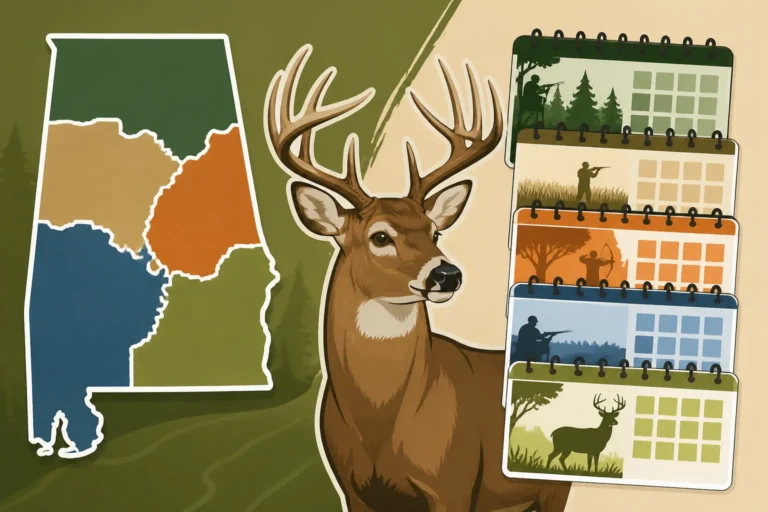
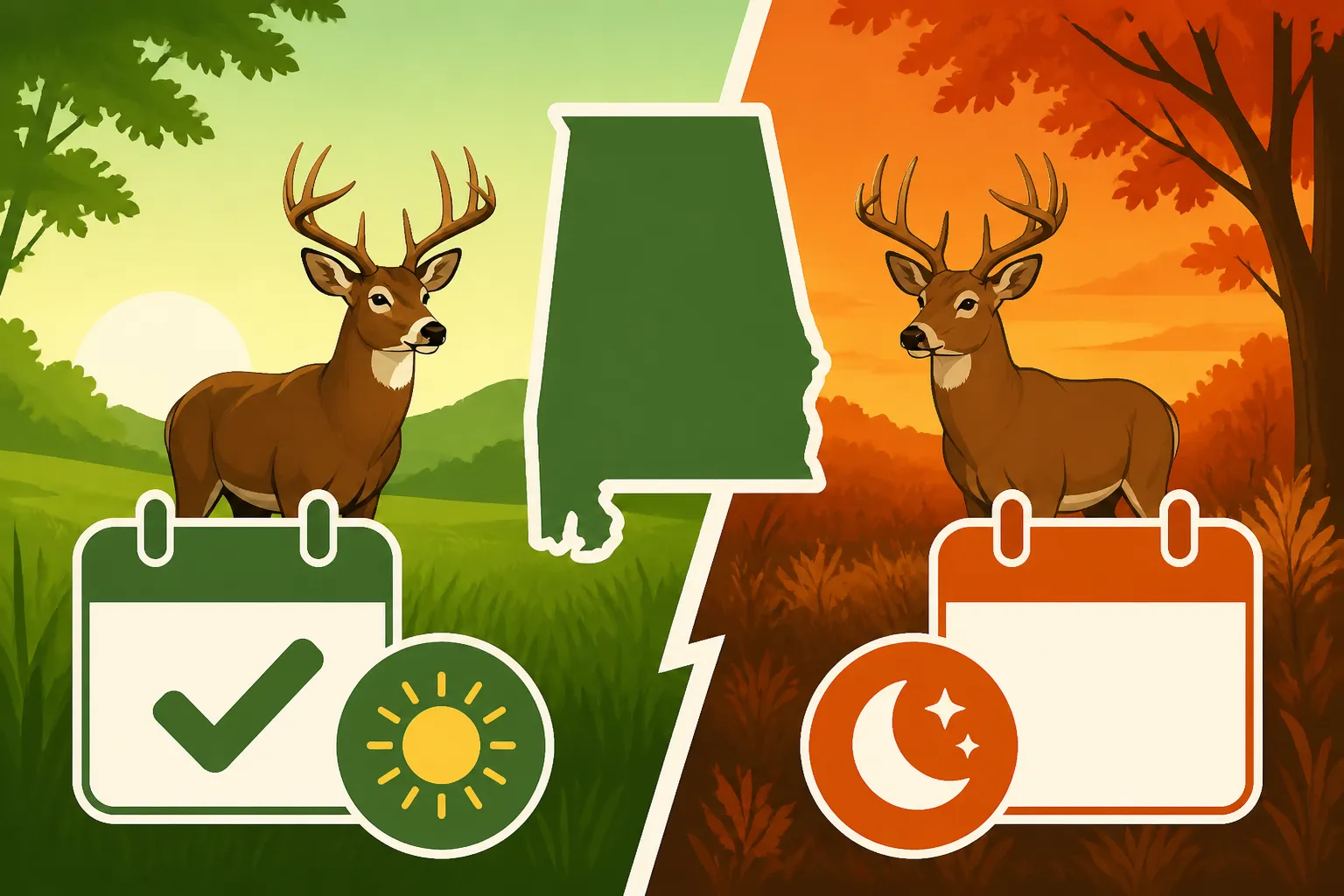
At its heart, the division into Zone 1 and Zone 2 is a pragmatic approach to managing a species that doesn't operate on a statewide calendar. Zone 1 encompasses the majority of central and northern Alabama. Think of counties like Jefferson, Talladega, Cherokee, and most of the state stretching up towards the Tennessee border. This region generally experiences slightly earlier springs, with warmer temperatures and longer daylight hours arriving sooner than the southernmost parts of the state.
Zone 2, on the other hand, covers the southern tier of Alabama, including counties that hug the Gulf Coast and those just inland. Counties like Mobile, Baldwin, Escambia, and Washington fall into this later-opening zone. This area, particularly the coastal plain and delta regions, tends to experience a delayed onset of spring-like conditions suitable for turkey breeding. While it might feel like spring arrives everywhere at the same time, the subtle shifts in temperature and photoperiod are enough to warrant different approaches to season management. Understanding these general boundaries is the first step to making sense of the season dates, and tools like the GoHunt app can be incredibly useful for pinpointing exactly which zone your hunting spot falls into, right down to the property line.
Historical Context of Zone Creation
The concept of splitting Alabama into turkey zones isn't a new whim; it's a long-standing management practice built on decades of observation and biological data. Historically, Alabama's turkey populations faced significant declines by the early 20th century, prompting massive restoration efforts. As these populations rebounded and expanded across the state, biologists began to notice distinct regional variations in turkey breeding cycles. It became clear that a single, uniform statewide season was not optimal for all birds or all hunters.
The primary goal of the Alabama Department of Conservation and Natural Resources (ADCNR) in establishing these zones was to align hunting pressure with the peak of the natural breeding cycle in each region. Opening a season too early, before hens are receptive and gobblers are actively seeking mates, can disrupt breeding, reduce hunter success, and potentially impact future turkey recruitment. Conversely, opening too late means missing the prime gobbling activity that hunters crave. These zones were designed to maximize both conservation effectiveness and hunter opportunity by respecting the natural rhythm of the wild turkey across its diverse Alabama habitats. This thoughtful approach helps ensure the long-term health of the species, as detailed in discussions around Alabama Turkey Population Trends.
The Biological Imperative: Synchronizing Seasons with the Turkey Rut
The core reason behind the staggered turkey season opening dates in Alabama boils down to basic turkey biology and the subtle, yet powerful, influence of nature. Wild turkeys, like many other animals, have distinct reproductive cycles that are heavily influenced by environmental cues. When it comes to gobbling and breeding, it's all about timing.
Phenology and Reproductive Timing
"Phenology" might sound like a fancy scientific word, but it simply refers to the study of cyclic and seasonal natural phenomena, especially in relation to climate and plant and animal life. For wild turkeys, key phenological events include the onset of gobbling, mating, nesting, and hatching. These events are primarily triggered by increasing daylight hours (photoperiod) and rising temperatures in the spring.
In Zone 1, which covers the more northern latitudes of Alabama, these triggers generally arrive a bit earlier. Warmer weather pushes northward, and the days lengthen at a slightly faster pace than in the deeper south. This means that gobblers in Zone 1 typically start their intense strutting and gobbling displays, and hens become receptive, earlier in the calendar year. Biologists meticulously track these patterns through field observations, harvest data, and even hunter reports. By opening the season a week earlier in Zone 1, the ADCNR aims to coincide the start of hunting with the peak of gobbling activity and breeding, when birds are most vocal and responsive. This ensures hunters are in the woods when the action is hottest, and it also allows for harvesting of birds that are actively participating in the breeding cycle.
Impact of Weather and Latitude on Gobbling Activity
Think about it this way: if you're in Florence, Alabama (Zone 1), your average daily temperature and the progression of leaf-out on trees in early March will be noticeably different than if you're in Mobile, Alabama (Zone 2). That extra week of spring warmth and daylight in the north can make all the difference to a gobbler's internal clock. Turkeys in the southern part of the state often hold back on their most intense gobbling and breeding activity until later in March, as their environment takes a little longer to fully transition into spring.
Latitude directly affects how quickly spring progresses. The further south you go, the more delayed these phenological events tend to be. This means that if Zone 2 opened at the same time as Zone 1, hunters in Mobile might be in the woods before gobblers are fully fired up and before hens are consistently receptive. This could lead to lower hunter success rates and potentially put undue pressure on birds that aren't yet in their prime breeding mode. The staggered opener is essentially a biological compromise, acknowledging that Alabama, though one state, is a mosaic of microclimates and ecological timings that demand a tailored approach to wildlife management. This nuanced understanding is why ADCNR works to align the season with the true Alabama Zone 1 Spring Turkey Opening Day versus the later Zone 2 start.
Navigating the Staggered Openers: Hunter Strategies and Considerations
For the dedicated turkey hunter, the staggered opening dates in Alabama aren't just a regulatory detail; they present both challenges and unique opportunities. Instead of seeing it as a hurdle, many seasoned hunters view it as a chance to extend their season and refine their strategies.
Planning Your Hunts Across Zones
The primary advantage of the staggered opener is the potential to hunt turkeys for a longer continuous period. If you have access to land or public hunting opportunities in both Zone 1 and Zone 2, you essentially get an extended "opening week" experience. This means you could potentially start your season in Zone 1, and then, a week later, shift your focus to Zone 2 as those birds begin to heat up. This multi-zone approach allows for maximum time afield during the most exciting phase of the turkey season.
However, executing such a plan requires careful logistical thinking. You'll need to scout effectively in both regions, understand the specific regulations for each zone, and ensure your travel plans are efficient. Many hunters use mapping tools like GoHunt to scout and delineate zone boundaries, allowing them to precisely plan their movements between areas. It’s also important to remember that while the zones offer extended hunting, the overall state bag limits still apply, so always keep track of your harvest to avoid any missteps. Planning often means researching the best areas for Run-and-Gun Turkey Tactics on Public Land in each zone.
Here's a quick reference for the general differences:
| Feature | Zone 1 (Central & North Alabama) | Zone 2 (South Alabama) |
|---|---|---|
| Typical Opening Date | Mid-March | Late March (one week after Zone 1) |
| Spring Onset | Generally earlier, faster warm-up | Generally later, slower warm-up |
| Gobbling Peak | Tends to occur earlier | Tends to occur later |
| Common Habitats | Appalachian foothills, mixed hardwoods | Coastal plain, piney woods, river deltas |
| Early Season Tactics | Focus on active gobblers, roosts | Patience, scouting for initial activity |
Adjusting Tactics for Early vs. Late Season Openers
The week-long difference in opening dates often translates to subtle but significant variations in turkey behavior that demand different hunting tactics. When Zone 1 opens, you might be dealing with birds that are intensely focused on establishing dominance and finding mates. This can mean more aggressive gobbling, more responsive birds to calls, and clearer patterns around roosting and strutting areas. Hunters might focus on Roost Hunting Alabama Gobblers at first light, trying to intercept birds as they hit the ground.
By the time Zone 2 opens a week later, the birds in Zone 1 might still be active, but perhaps starting to feel a bit more pressure, or the initial frenzy might have subsided slightly. Meanwhile, the turkeys in Zone 2 are just kicking into high gear, potentially offering that fresh, unpressured experience. When hunting Zone 2 initially, it's wise to start with tactics that capitalize on fresh activity, such as setting up near known strut zones or dusting bowls, or focusing on calling techniques that mimic the initial stages of breeding. As the season progresses in both zones, you'll need to adapt to changing behavior, whether it's dealing with call-shy gobblers or focusing on finding late-season food sources When Alabama Gobblers Go Quiet in May.
ADCNR's Role in Season Setting and Data Collection
The decision-making process for Alabama's turkey seasons isn't just arbitrary; it's a careful dance between biological science, hunter input, and adaptive management. The Alabama Department of Conservation and Natural Resources (ADCNR) acts as the steward of the state's wildlife, and their decisions are rooted in robust data collection and ongoing monitoring efforts.
Monitoring Turkey Populations and Harvest Data
Biologists with the ADCNR are constantly working to understand the health and trends of Alabama's wild turkey populations. This isn't a one-time assessment; it's an ongoing process that involves several key methods. One crucial tool is the annual spring gobbler harvest survey. Hunters are required to report their turkey harvests through the Game Check system, providing vital information on the number of birds taken, where they were harvested, and even some biological characteristics like spur length and beard length. This data, combined with population estimates derived from breeding surveys and poult-to-hen ratios, helps paint a clear picture of turkey numbers and reproductive success across the state.
Beyond harvest numbers, ADCNR conducts extensive field surveys, including roadside counts and gobbling activity surveys, which provide insights into the timing and intensity of the breeding season in different regions. If these data consistently show that birds in a particular zone are initiating breeding later, it strengthens the biological argument for a later season opener. The entire system is built on understanding the intricacies of the wild turkey's life cycle, ensuring that hunting seasons are set in a way that is both sustainable for the resource and rewarding for hunters. This data helps them determine important rules like Alabama Turkey Bag Limit Rules.
Public Input and Future Adjustments
While science forms the backbone of season-setting, the ADCNR also values the input of hunters and the general public. Wildlife management is a dynamic field, and what works today might need adjustments tomorrow, especially with changing climate patterns or habitat alterations. Public meetings, online surveys, and direct communication with wildlife biologists provide avenues for hunters to share their observations and concerns.
It's a two-way street: hunters provide valuable ground-level observations, and ADCNR communicates the scientific rationale behind their decisions. For instance, if hunters in Zone 2 were consistently reporting very low gobbling activity during the first week of a shared season, that anecdotal evidence, combined with biological data, would reinforce the need for a later opener. This collaborative approach allows for adaptive management, where seasons and regulations can be fine-tuned over time to ensure they remain effective. It's not uncommon for ADCNR to evaluate the success of the staggered season and consider minor tweaks based on cumulative data and feedback, always with the goal of balancing conservation with sustainable recreation.
Practical Implications for Hunters on the Ground
Understanding the "why" behind the staggered turkey season is one thing, but translating that knowledge into successful hunting trips is where the rubber meets the road. For Alabama turkey hunters, the differing zone openers have very real, day-to-day impacts on how they plan, prepare, and execute their spring pursuits.
License and Regulation Awareness
First and foremost, it's absolutely critical to be aware of which zone you're hunting in and to know the exact opening and closing dates for that specific area. Accidentally hunting in Zone 2 when only Zone 1 is open, or vice versa, is a serious violation that can lead to significant fines and loss of hunting privileges. This is where a reliable source of current regulations, like the official Outdoor Alabama app or website, becomes your best friend. Many experienced hunters also rely on detailed mapping applications like GoHunt, which often have layers indicating state hunting zones and regulations, helping to prevent accidental infractions.
Beyond the opening dates, hunters need to be mindful of other regulations that might apply differently across zones or simply during different phases of the season. This includes bag limits, legal hunting hours (Alabama Legal Turkey Hunting Hours), and specific rules regarding decoys or calling devices. Always double-check the latest Alabama regulations before heading afield, especially if you're venturing into a new county or zone. It's easy to get caught up in the excitement, but being informed is a non-negotiable part of responsible hunting.
Maximizing Opportunities with the Staggered Openings
As mentioned earlier, the staggered openings can be a huge boon for hunters who are willing and able to shift their focus geographically. This allows for a strategic approach that can effectively extend your "prime" hunting window. Imagine spending opening week hunting hard in the Black Belt region (Zone 1), capitalizing on those early, eager gobblers. Then, as that initial wave of excitement settles, you could transition south towards the coastal plain (Zone 2) for their opening week, encountering fresh, less pressured birds just beginning their intense gobbling phase. This strategy requires advanced scouting and potentially securing access in both zones, but the reward is often a longer, more action-packed spring season.
Even if you're limited to one zone, understanding the phenological differences can still inform your tactics. For example, if you're in Zone 1, you might push hard during the first few weeks, knowing that the peak gobbling might occur earlier. If you're in Zone 2, you might be prepared for a slightly slower start but anticipate intense action a week or two into your season. Regardless of your access, knowing the biological rhythms that drive the season dates empowers you to hunt smarter, more patiently, and ultimately, more successfully. It gives you an edge in a challenging pursuit like Spring Turkey Hunting in Alabama.
Disclaimer
Please remember that hunting regulations, season dates, and zone boundaries are subject to change. Always consult the official Alabama Department of Conservation and Natural Resources (ADCNR) regulations and advisories before planning or undertaking any hunting activity. This content is for informational purposes only and does not constitute legal advice.