Finding Ground Others Walk Past
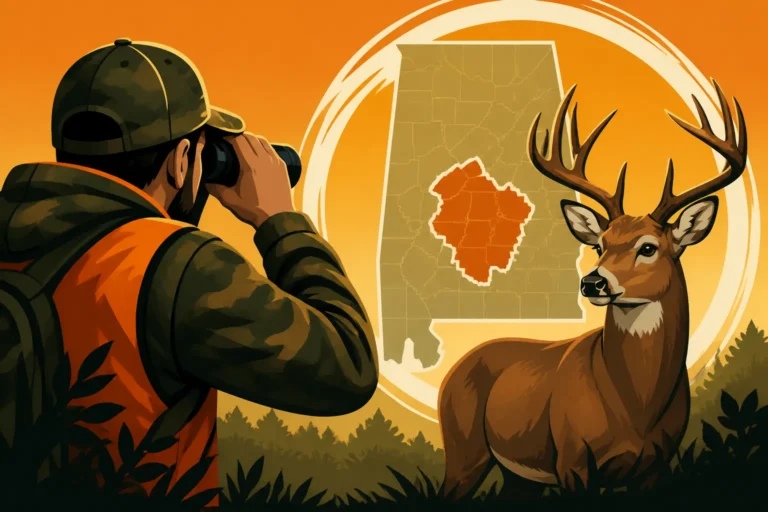
It’s a frustration every Alabama hunter knows intimately: you head to your favorite public land spot, full of anticipation, only to find boot tracks, old stand placements, and clearly visible sign of recent human presence. It feels like every good hunting spot has already been found and pressured to oblivion. This guide is all about changing that narrative, helping you discover those hidden pockets of prime habitat where deer, turkeys, and other game thrive precisely because other hunters consistently walk right on by.
The Challenge of Overlooked Spots in Alabama
Anyone who's spent time chasing whitetails or gobblers in Alabama, especially on public land, knows the drill. You pull up to a trailhead before dawn, hoping to be the first one in, only to see several other trucks already parked. It's disheartening, and it often leads to a pattern: hunters stick to the easiest access points, the well-worn trails, and the spots that are just a convenient walk from the road. This creates predictable pressure pockets, pushing game deeper into less accessible, seemingly "unproductive" areas. But that's where the real opportunity lies.
Why Most Hunters Stick to Easy Access
The reasons hunters gravitate towards easy access are simple: convenience and comfort. After a long week, dragging gear a mile or more into dense woods, especially in the pre-dawn dark, can feel like a chore. Most hunters want to get to their spot quickly, set up efficiently, and minimize physical exertion. This mindset naturally concentrates effort around parking areas, established logging roads, and easily identifiable trails. It's a human tendency, and it's something you can exploit to your advantage. When everyone else is stopping at the first good-looking stand of oaks, you should be asking yourself, "Where aren't people going?" This often means looking at map features that suggest a tougher hike, a creek crossing, or dense cover that simply looks too thick to bother with.
Reading the Landscape for Unpressured Areas
To find ground others walk past, you need to learn to read the landscape with a different lens. Instead of looking for obvious deer trails or fresh scrapes right off the main path, start seeking out terrain features that create natural barriers to human movement but provide sanctuary for game. Think about those steep ravines, thick briar patches, unbridged creek bottoms, or distant points of ridges that require significant effort to reach. These are often the places where deer feel secure, especially when hunting pressure builds up. Learning to identify these spots on a map, and then having the grit to investigate them on foot, is the key to unlocking consistent success. It’s about understanding that what’s inconvenient for a hunter is often ideal for a wary buck.
Deep Dive into Remote Scouting Techniques
Effective scouting for overlooked spots starts long before you ever set foot in the woods. Modern technology has revolutionized our ability to digitally explore vast tracts of public land, allowing us to pinpoint potential hideouts from the comfort of our homes. This saves immense amounts of time and energy, directing our efforts to the most promising areas.
Leveraging Digital Mapping Tools
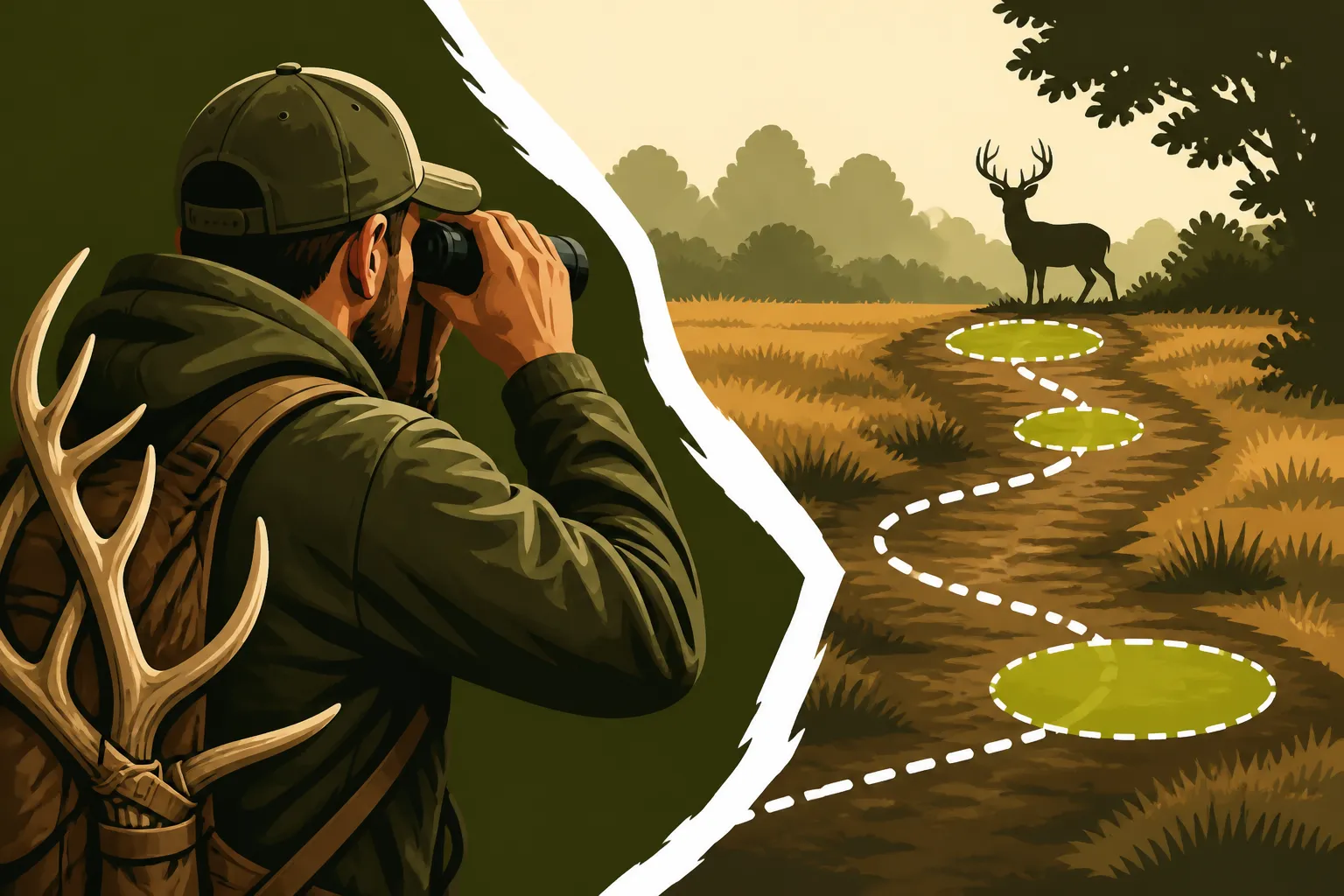
Digital mapping applications are your best friend when it comes to finding overlooked ground. Platforms like onX Hunt, and even sophisticated tools with advanced features similar to those found in GoHunt, allow you to analyze topography, satellite imagery, and public/private land boundaries with incredible detail. Start by zooming out and identifying large blocks of public land. Then, look for areas within those blocks that are furthest from roads, trails, and obvious access points. Pay close attention to subtle changes in elevation, pinch points created by topography or water bodies, and areas of dense, undesirable cover (from a human perspective).
For example, a winding creek might seem like a barrier, but to a deer, it's often a natural travel corridor, and if it's too wide or deep for casual crossing, it acts as a deterrent to most hunters. Similarly, a thick clear-cut that's grown up into a tangled mess of pines and briars might look unappealing, but it offers incredible bedding cover and security for deer. Use the 3D terrain features to visualize the landscape as a deer would see it – finding hidden benches on steep hillsides or secluded pockets of hardwoods within vast pine plantations. Check out this guide on Scouting Alabama Public Land Before Season for more remote scouting tips.
Identifying Undisturbed Travel Corridors
Deer, especially older, wiser bucks, instinctively seek out travel routes that offer maximum cover and minimal human disturbance. These often aren't the obvious, wide-open trails you see crisscrossing a field edge. Instead, look for subtle funnels, benches, and thickets that allow deer to move from bedding to feeding areas under the radar. On your digital maps, look for:
- Finger Ridges: These small, subtle ridges extending off a main ridge can be highways for deer. They offer elevated travel with good visibility for the deer, while often being too small or inconvenient for hunters to focus on.
- Creek or River Bottoms: As mentioned, deep creek bottoms, especially those with dense cover or steep banks, can be natural highways for deer. They follow these features to avoid open areas. Learning how to identify and hunt a funnel like these between two creek bottoms can be incredibly productive.
- Transition Zones: The edges where different habitat types meet – say, a dense pine plantation bordering an old-growth hardwood stand – are always worth investigating. Deer use these transition zones for cover and food.
- Swamps and Wet Areas: Many hunters shy away from wet, mucky ground. This makes swamps, sloughs, and low-lying wet areas prime candidates for overlooked game. Deer will often bed or travel through these areas because they offer sanctuary.
These undisturbed corridors are not always obvious. Sometimes they are only visible as slight depressions on a topographical map or subtle changes in vegetation on satellite imagery. The trick is to identify them digitally, then confirm them on foot, looking for old rubs, faint trails, or unique bedding areas that indicate long-term use.
Recognizing Subtle Habitat Changes
While broad habitat changes like clear-cuts or agricultural fields are easy to spot, finding overlooked spots often means recognizing subtle differences in vegetation or terrain that create microhabitats. These small variations can make all the difference to a deer or turkey looking for security.
- Changes in Timber Stand Age: A section of slightly older pines within a younger stand might offer better bedding. A small pocket of mature hardwoods within a sea of pulpwood could be a hidden food source.
- Topographic Depressions: Even a slight dip in the land can offer a deer a visual break, blocking them from observation and providing a sense of security. These are great places to check for bedding.
- Isolated Food Sources: A single persimmon tree or a small patch of acorns that only drops in certain conditions, far from other similar trees, can be a honey hole if no one else knows it’s there.
- Natural Obstacles: Rock outcroppings, fallen timber piles, or dense thickets created by blowdowns can all act as natural barriers, making an area less appealing to hunters but more appealing to deer seeking refuge. These often create natural "dead zones" where a deer can easily escape hunting pressure. Sometimes, these small changes are only visible on high-resolution satellite imagery or through careful on-the-ground scouting.
On-the-Ground Verification and Access Strategies
Once you've identified potential overlooked spots on your maps, the real work (and fun!) begins. You need to verify these areas on foot and develop a plan to access them without alerting game or other hunters. This is where your commitment to working harder than others truly pays off.
Silent Entry and Exit Routes
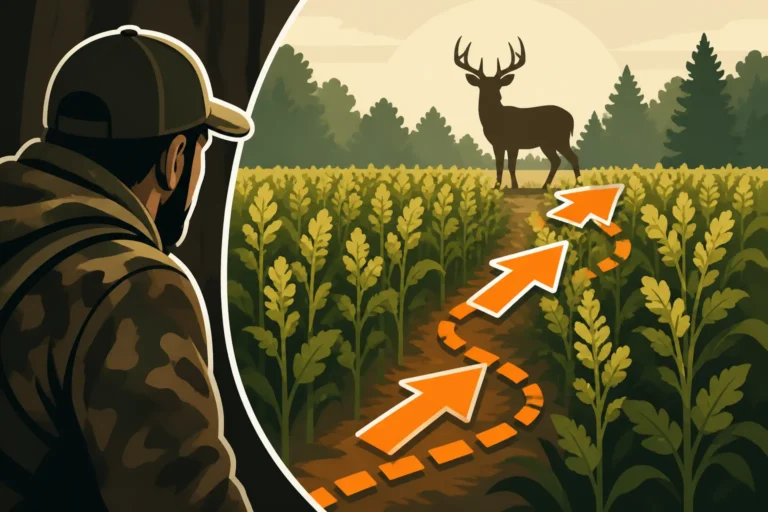
The most critical aspect of hunting overlooked spots is maintaining their "unpressured" status. This means mastering silent entry and exit.
- Avoid Main Trails: The very first thing to do is completely abandon the idea of using established hiking or hunting trails. If you're going to these spots, your path needs to be unique every time, or at least highly camouflaged. This is often where you might have to consider How Far to Walk From a Forest Road to reach true sanctuary.
- Use Natural Cover: Plan your routes to utilize thick brush, creek beds, or low-lying areas that naturally muffle your sound and hide your movement. Think about what a predator would do.
- Wind and Thermals are Key: Always, always, always factor in wind direction and thermals. On public land, where game is especially wary, a shifting wind can ruin your hunt before it even starts. Learn to predict thermals, especially in hilly terrain – cold air sinks in the morning, warm air rises in the afternoon. For advice on reading the wind and thermals, consider this link on Wind and Thermals on a Piedmont Ridge.
- Pre-Scouted Routes: If possible, scout your entry and exit routes during the off-season or midday, marking key turns or obstacles with GPS waypoints, especially if you're navigating dense cover or unfamiliar terrain. This will make your pre-dawn or post-dusk movements much smoother and quieter.
- Crossings: For water crossings, identify the shallowest, firmest spots during scouting. For dense thickets, find the path of least resistance. The goal is to move efficiently and quietly, minimizing disturbance.
Setting Up Without Leaving a Trace
The beauty of finding unpressured ground is that the game is often less accustomed to human scent, sound, and visual cues. This means you have to be extra diligent in keeping it that way.
- Minimal Impact Stands: If using a treestand, choose a lightweight, portable setup that can be put up and taken down quickly and quietly. Consider using a climbing stick system for efficient access. When hanging your stand, try to do it with minimal cutting of branches – you want to leave the area looking as natural as possible. Always check Treestand Rules on Alabama Public Land before heading out.
- Ground Blinds: For those extremely thick spots where a treestand isn't practical or safe, a well-brushed-in ground blind can be incredibly effective. Take the time to gather natural materials (dead branches, leaves, pine straw) to blend it seamlessly into the environment. A guide on Using a Ground Blind on Alabama Public Land can provide more in-depth tips.
- Scent Control: This cannot be emphasized enough. Shower with unscented soap, use scent-eliminating sprays, and store your hunting clothes in airtight containers. Human odor is a huge deterrent, especially to mature game in unpressured areas.
- Clean Up Your Act: Take out everything you bring in. No trash, no flagging tape, no spent shells. Leave no evidence that you were ever there. This helps preserve the "wild" feel of the area and keeps other hunters from easily discovering your spot. This commitment to leaving no trace is part of the ethos of hunting these special places.
Comparing Access and Pressure Points
Here’s a quick overview of how common hunting ground compares to those coveted overlooked spots:
| Feature | Easy-Access Hunting Ground (High Pressure) | Overlooked Hunting Ground (Low Pressure) |
|---|---|---|
| Location | Close to parking, main roads, well-marked trails | Remote, deep in woods, far from roads, difficult terrain |
| Terrain | Flat, open woods, clear paths, gentle slopes | Steep ravines, thick briars, swamps, tangled clear-cuts |
| Game Behavior | Nocturnal, skittish, responds poorly to calls | More active during daylight, less wary, responds better to calls |
| Hunter Activity Sign | Boot tracks, old stands, trash, trimmed branches, noise | Minimal to no human sign, undisturbed natural environment |
| Entry/Exit | Obvious, well-worn paths, noisy, predictable | Stealthy, winding routes through cover, requires effort |
| Success Rate Potential | Lower on average, requires luck or extreme skill | Higher potential for quality encounters, more consistent |
Overcoming Perceived Obstacles to Success
The biggest reason hunters avoid overlooked spots isn't always physical capability, but rather a mental hurdle. It's easy to dismiss a challenging area as "too tough" or "not worth it." However, by reframing these challenges as opportunities, you can unlock incredible hunting experiences.
Embracing the "Uncomfortable" Hunt
Hunting these hidden gems often means stepping out of your comfort zone. It might involve:
- Longer Walks: You might have to walk a mile or more, perhaps through difficult terrain, before you even begin to set up. This extra effort deters many, but it's exactly what creates the sanctuary you're looking for.
- Tougher Terrain: Scrambling up and down steep ravines, navigating through dense tangles of underbrush, or slogging through muddy creek bottoms are often part of the deal. Embrace it as an adventure.
- Different Stand Locations: You might not find the perfect "tree of a thousand deer." Instead, you might be setting up on a less-than-ideal tree in a thicket, or even in a ground blind, prioritizing concealment and minimal impact over textbook perfection. This requires adaptability.
- Mental Toughness: The payoff for these uncomfortable hunts is often a more genuine, wilder experience. When you connect with an animal in a truly remote, unpressured area, the satisfaction is immense. It's a testament to your hard work and dedication.
It's also about managing expectations. You might not see as many deer or turkeys as you would sitting over a food plot, but the quality of the encounter, and the likelihood of seeing a mature animal, often increases significantly. It's a trade-off many serious hunters are willing to make.
Planning for Recovery in Remote Terrain
One crucial aspect of hunting deep in overlooked areas is preparing for the recovery of your game. This is where many hunters get caught unprepared, especially when they suddenly find success in a remote spot.
- Pack Smart: Always carry enough water, a good headlamp with extra batteries, a sharp knife, game bags, and perhaps a small pack frame or heavy-duty sled if you anticipate success. A well-placed shot is paramount, as a long track in difficult terrain is no fun. If you're hunting in the CWD management zone, being prepared for carcass movement restrictions is vital.
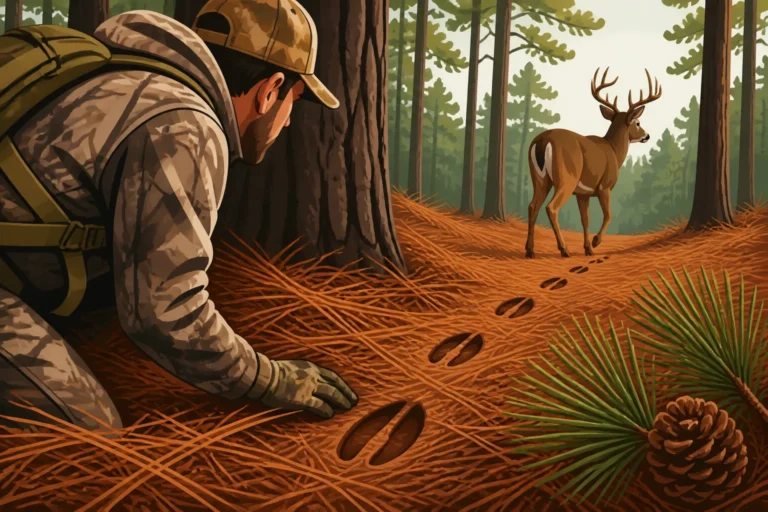
- GPS Tracking: Mark the exact location of your shot on your GPS or mapping app immediately. This is invaluable for blood trailing, especially in dense cover or after dark. Understanding how to Tracking a Deer Through Alabama Pine Straw or other challenging terrain is a skill that will serve you well.
- Buddy System: If possible, hunt with a partner who knows your general area, or at least inform someone exactly where you are heading and when you expect to return. Should you need help with a recovery, having a plan is crucial. Consider the benefits of Deer Drives With Three or Four Hunters for assistance in certain situations, though this is generally more for pushing game than quietly retrieving it.
- Field Dressing: Learn efficient field dressing techniques to lighten the load for the pack out. In Alabama's warmer climate, cooling the meat quickly is essential. If you're far from the truck, proper field dressing is the first step in meat preservation.
By proactively planning for these challenges, you can turn a potentially daunting recovery into a manageable task, ensuring that your hard-earned success in an overlooked spot culminates in delicious, ethical venison.
Disclaimer
Hunting is an inherently dangerous activity. Always prioritize safety, understand and adhere to all Alabama hunting regulations, and respect private property. This guide is for informational purposes only and does not substitute for proper hunter education or professional guidance. Always check the latest regulations from the Alabama Department of Conservation and Natural Resources before hunting.