Opening Weekend Crowds in Zone A
The excitement for Alabama's deer season opener in Zone A is palpable, a feeling every hunter knows well. But let's be honest, that thrill often comes with a distinct challenge: the sheer number of other hunters flocking to the woods, especially on public land. This guide dives deep into understanding and navigating the opening weekend crowds in Zone A, helping you find success and enjoy the tradition, even when it feels like everyone else has the same idea.
Understanding Zone A's Popularity and Pressure
Zone A isn't just a part of the map; it's a deer hunting destination for many, and for good reason. However, with its popularity comes a level of hunting pressure that can be daunting, especially during the opening weekend rush.
Why Zone A Draws Such Large Numbers
Zone A, encompassing a significant portion of central and northern Alabama, is undeniably popular for deer hunting. Part of this popularity stems from its accessibility to major population centers like Birmingham, Huntsville, and Tuscaloosa. For many hunters, it means less travel time to their favorite public lands or leased properties, making it an easy choice for a weekend getaway to the woods.
Historically, this region has also held a reputation for robust deer populations, often producing impressive bucks in certain areas, particularly in the Black Belt counties that straddle Zone A and Zone B. The terrain, ranging from the rolling hills of the Piedmont to river bottoms and national forests, offers diverse hunting opportunities that appeal to a wide range of skill levels and preferences. It’s a place where hunting traditions run deep, passed down through generations, and the opening day is almost a sacred holiday for many families and hunting clubs.
This combination of accessibility, historical game numbers, and ingrained tradition creates a perfect storm for high hunter density. Everyone wants to be out there on day one, experiencing that fresh energy and the chance to tag an early-season deer before they get wise. The collective anticipation builds, and when that clock strikes opening morning, it often feels like a mass migration to the prime hunting spots.
The Impact of Public Land Access
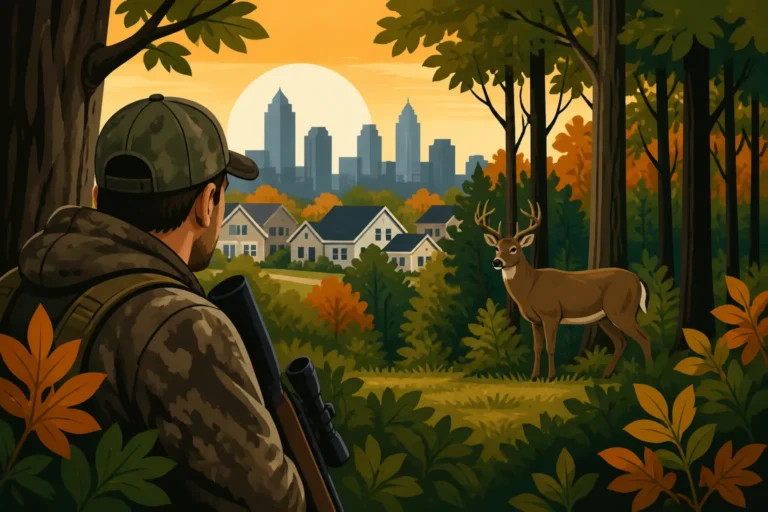
While private land hunting clubs and leases certainly see their share of action, it’s the public lands within Zone A that bear the brunt of opening weekend enthusiasm. Wildlife Management Areas (WMAs) and National Forests like Talladega and Bankhead become magnets for hunters from across the state. These lands, while vast, often have limited access points – gates, parking lots, or boat ramps – which funnel hunters into concentrated areas.
Imagine dozens of trucks lined up at a WMA parking lot before dawn on opening day. Each of those trucks represents one or more hunters heading into the same general direction. This concentration of human activity can quickly push deer deeper into thick cover or onto neighboring private lands. The noise, the scent, and the sheer number of boots on the ground can make deer incredibly skittish after just a few hours. This is why understanding Opening Weekend Crowds on Alabama Public Land is crucial for strategizing.
Even within larger tracts of public land, certain features draw more attention. Easy-to-reach ridges, power line cuts, and established trails are often the first places hunters head. If you're walking in on a popular logging road, you can almost guarantee you're not the first or only one there. This heavy Hunting Pressure on Alabama Public Land means that conventional hunting wisdom might need to be thrown out the window, and a more unconventional approach is often the key to finding success.
Strategies for Navigating the Opening Weekend Rush
When the woods are bustling, you can't just walk in and expect the deer to be waiting. It takes extra effort, smarter planning, and a willingness to go where others won't.
Advanced Scouting for Secluded Spots
Your opening weekend success in a crowded Zone A often hinges on the work you put in before the season even begins. Advanced scouting isn't just about finding deer sign; it's about finding deer sign where other hunters aren't likely to go. This means getting out there weeks, or even months, before opening day.
Start with high-quality mapping tools. Platforms like GoHunt offer incredible satellite imagery, topographical maps, and public/private land overlays that can reveal hidden pockets, dense bedding areas, and overlooked travel corridors. Spend hours poring over these maps, identifying remote ridges, deep creek bottoms, or isolated thickets that are a considerable walk from any road or parking area. Look for changes in elevation, pinch points, or areas of mature timber surrounded by younger, thicker growth – these are often sanctuaries for deer trying to escape pressure. For more on this, check out Scouting Alabama Public Land Before Season.
Once you've identified potential spots on the map, it's time for boots on the ground. Walk those extra miles. Climb those steep hills. Bushwhack through that briar patch. Look for fresh rubs, scrapes, and droppings in these less-accessible areas. Pay attention to water sources and mast crops like acorns, which are critical food sources. Remember, the further you get from easy access, the less competition you'll likely face. Using tools like GoHunt, you can even mark potential stand locations and entry/exit routes right on the map, helping you plan your approach down to the minute. This kind of detailed planning, especially by Reading Aerial Photos for Piedmont Deer, can make all the difference.
Timing Your Entry and Exit to Avoid Peak Traffic
Everyone knows the early bird gets the worm, but on opening weekend in Zone A, sometimes the earliest bird avoids the flock altogether. Most hunters will hit the woods about an hour before legal shooting light. If you can get to your spot even earlier – say, two to two-and-a-half hours before dawn – you'll likely beat the initial wave of hunters, allowing you to slip in quietly and get settled without disturbing other hunters or being disturbed by them. This also gives the woods a chance to calm down after the initial flurry of activity.
Similarly, consider when you leave your stand. Many hunters pack up around 9 or 10 AM, especially if it’s been slow, or they’ve just been sitting still and haven't seen anything. If you can hunt through the mid-day, you might find deer moving as other hunters head back to their trucks for lunch or a break. Deer often use this mid-morning lull to shift from bedding to feeding, or to escape hunters leaving the woods. The same applies to evenings; stay until the very last minute of legal shooting light, even after others have started making noise heading out.
If your schedule allows, consider hunting on a weekday. While not always feasible for opening weekend, the second day (Sunday) often sees a significant drop-off in pressure, and Monday through Friday can be surprisingly quiet. The deer will be there; it's the other hunters who are often the real challenge on a Saturday opener.
Focusing on Overlooked Terrain
Deer, especially pressured deer, are masters of finding and utilizing overlooked terrain. They know where humans tend to avoid, and those are exactly the places you should be targeting. Think about what deters you from going somewhere, and then go there anyway.
Steep, rugged hillsides, especially those with thick timber or rocky outcrops, are often bypassed by hunters looking for easier walking. Deer will bed on these slopes, using the elevation to their advantage for spotting danger and the thick cover for concealment. Similarly, deep, swampy creek bottoms or areas with dense, tangled briar thickets are hell to walk through, but they are prime bedding and travel corridors for deer. If you can manage to quietly slip into these areas, you might find deer that haven't been disturbed all season. Learning Finding Ground Others Walk Past is a critical skill for any public land hunter.
Another often-overlooked feature is small, isolated patches of cover within larger open areas, or tight funnels between seemingly impenetrable blocks of woods. A small clump of pines in a hardwood bottom, a narrow strip of dense brush along an old fencerow, or a tiny finger of woods extending into a field can hold deer, especially if it's far from primary access points. Deer use these micro-habitats as secure travel routes or temporary bedding sites when moving between larger blocks of cover. A well-placed stand in a Hunting a Funnel Between Two Creek Bottoms can be incredibly productive, as deer will often utilize these natural choke points when trying to move unseen.
Tactical Adjustments for High-Pressure Environments
Hunting in a crowded environment demands a different approach than hunting untouched private land. You need to anticipate deer behavior under pressure and adjust your tactics accordingly.
Adapting Your Stand Placement
When hunters are everywhere, deer behavior changes. They become more nocturnal, and their movements during daylight hours are often focused on escape and concealment. This means your typical stand placement might not be as effective. Instead of focusing solely on food sources, prioritize bedding areas and the thick escape routes leading to and from them.
Deer will often bed down in the thickest cover they can find, knowing most hunters won't push into those areas. If you can identify these bedding thickets through scouting, setting up downwind of them, along a natural travel route that leads to a hidden food source or another thicket, can be highly effective. The key is to get in quietly, long before daylight, and ensure your scent is carried away from the bedding area. Consider using a portable climber or saddle to get high into a tree, allowing you to see over cover and keeping your scent dispersed above the deer’s nose. You might even consider a carefully brushed-in ground blind if the cover allows for it. For more specialized advice, explore articles like Treestand Setups in Talladega National Forest.
Remember, wind direction is paramount. Your scent will be the biggest giveaway. Pay close attention to thermals, especially in hilly terrain, which can carry your scent downhill in the mornings and uphill in the evenings. Choose a stand location that not only gives you a shot opportunity but also accounts for the prevailing winds and thermals, minimizing the chance of deer smelling you before you see them.
Utilizing Deer Drives and Still-Hunting
In a crowded setting, simply sitting and waiting might not cut it. Sometimes, you need to actively encourage deer to move, or move very cautiously yourself.
For private land hunters with a small, trusted group, a well-planned, small-scale deer drive can be effective in pushing deer out of thick cover towards waiting standers. The key is small-scale and well-planned. Big, noisy drives on public land often scatter deer wildly and alert every hunter within a mile. A quieter, more strategic approach with only 2-4 hunters, where "drivers" move slowly and deliberately through specific thickets, can gently nudge deer towards an escape route where "posters" are waiting. Safety is paramount here; clear communication and knowing exactly where everyone is are non-negotiable. Learn more about effective strategies in Deer Drives on Alabama Public Land.
Alternatively, for solo hunters or those who prefer a more stealthy approach, still-hunting can be incredibly productive. This isn't about sitting; it's about hunting on the move, taking one slow, deliberate step at a time, pausing to observe your surroundings for extended periods. In high-pressure areas, deer are constantly on alert, and they often hold tight, letting perceived threats pass by. By moving slowly, using binoculars frequently, and picking apart every shadow, you increase your chances of spotting a deer before it spots you. Focus on moving into the wind or crosswind, utilizing natural cover for concealment, and mimicking the slow, deliberate pace of a feeding deer. For excellent tactics on this, refer to Still-Hunting Bankhead Forest Ridges.
Considering Alternative Hunting Methods
While gun hunting dominates opening weekend in Zone A for many, sometimes looking beyond the rifle can offer unique advantages in a crowded environment. Each method has its own season dates and regulations that might lead to different crowd dynamics.
Archery season, for example, often opens earlier than gun season and extends later into the year. While archers certainly face pressure, the sheer volume of hunters is generally less intense than during the first weekend of gun season. Pursuing Bowhunting Alabama's Long Archery Season can offer a more solitary experience, and deer tend to be less wary of human presence before the sound of gunshots fills the air. It forces you to get closer, which usually means deeper into cover, naturally moving you away from the crowds.
Muzzleloader and air rifle seasons also have specific windows that may not always perfectly align with the general gun opener. While some of these overlap, the hunter turnout for these specialized seasons can sometimes be lighter. If you're proficient with a muzzleloader, exploring Muzzleloader Deer Hunting in Alabama or employing Alabama Muzzleloader and Air Rifle Tactics could provide opportunities when other methods face heavier competition. These methods often require a different skill set and level of commitment, which naturally screens out some of the casual hunters. It’s worth checking the specific dates for these methods each year, as they can sometimes offer a less crowded experience, even if just for a day or two.
| Strategy Component | Description | Benefits in Crowded Zone A | Drawbacks/Considerations |
|---|---|---|---|
| Advanced Scouting | Using maps (GoHunt, topo, aerial) and boots-on-the-ground to find remote, overlooked deer sign. | Identifies less-pressured areas where deer will retreat; allows precise planning for silent access. | Requires significant pre-season time and effort; can be physically demanding. |
| Early/Late Entry/Exit | Arriving at your stand 2+ hours before dawn; staying seated through mid-day or until legal shooting light ends. | Avoids direct encounters with other hunters; capitalizes on deer movement during lulls or as others leave. | Requires extreme discipline and patience; can mean long hours in the stand in varying conditions. |
| Overlooked Terrain | Targeting steep hills, dense thickets, deep creek bottoms, or small, isolated cover far from easy access points. | Exploits deer's natural tendency to seek refuge in difficult-to-reach areas; reduces competition. | Physically challenging; often involves bushwhacking and navigating rough terrain; might require specialized gear. |
| Adaptive Stand Placement | Focusing on bedding areas, escape routes, and pinch points in thick cover, rather than just food sources; strict wind consideration. | Intercepts deer as they move defensively or seek refuge; maximizes concealment and scent control effectiveness. | Requires a deep understanding of deer behavior under pressure; might mean setting stands in less "comfortable" spots. |
| Small Deer Drives | Coordinated, quiet pushes with a small group to move deer towards waiting hunters (private land). | Can effectively move deer out of dense cover; provides action in slow periods. | Requires trusted, disciplined hunting partners; safety is paramount; often not suitable for public land or large groups. |
| Still-Hunting | Moving extremely slowly, observing constantly, pausing frequently to spot deer before they spot you. | Allows covering ground while remaining stealthy; effective for intercepting deer that are holding tight. | Requires immense patience and focus; can be physically taxing over long periods; not ideal for covering vast distances quickly. |
| Alternative Methods | Utilizing archery, muzzleloader, or air rifle seasons, which might have less hunter density. | Can offer a less crowded experience; extends hunting opportunities outside peak gun season. | Requires specialized equipment and proficiency; specific season dates and regulations must be followed. |
Gear and Mindset for Crowded Openers
Beyond the tactics, being prepared with the right gear and maintaining the right attitude are crucial for a successful and enjoyable opening weekend, even with company.
Essential Gear for Public Land Safety and Success
When heading into crowded public lands in Zone A, specific gear choices can significantly enhance your safety and your chances of success. Safety should always be your top priority, especially when there are many hunters in the woods. Always wear sufficient blaze orange, as mandated by Alabama law during gun season. Even if you're bowhunting during a gun season, How Much Blaze Orange Alabama Requires is important to know. This makes you highly visible to other hunters, dramatically reducing the risk of accidents. A blaze orange vest and hat are minimums, but covering more of your body is always a good idea.
Effective communication is another essential. While cell service can be spotty in some remote public land areas, a fully charged cell phone is a must for emergencies. Consider carrying a personal locator beacon (PLB) or a satellite messenger like a Garmin inReach if you plan to venture deep into expansive national forest lands where cell service is non-existent. Two-way radios can be useful for small groups hunting together, but be mindful of their range and privacy in shared airwaves.
Scent control is absolutely critical. In crowded woods, deer are bombarded with human scent from every direction. Do everything you can to minimize your own scent signature. This includes using scent-eliminating sprays, washing your hunting clothes in scent-free detergent, and storing them in airtight bags. A portable ozone generator can also help eliminate odors from your gear. While it won't make you invisible, it can buy you crucial seconds. Don't forget a quality headlamp with a red light option for early morning and late evening trips to and from your stand, allowing you to navigate without spooking deer (or blinding other hunters) with a bright white beam.
Maintaining a Positive and Respectful Mindset
Perhaps the most challenging, yet crucial, aspect of hunting crowded public lands on opening weekend is maintaining a positive and respectful mindset. It's easy to get frustrated when you hear other hunters crashing through the woods, or when you find someone has set up too close to your carefully scouted spot. However, going into the experience with an expectation of encountering others can help manage these frustrations.
Remember that everyone out there is pursuing their passion, just like you. A friendly nod, a polite wave, or a quiet "good luck" can go a long way. If you encounter another hunter near your spot, rather than confrontational, try a diplomatic approach. A simple "Hey, I was planning on hunting this area, just wanted to let you know" can often resolve potential conflicts before they escalate. Most hunters are decent folks who just want to enjoy their time afield. If someone is truly infringing on your hunt in an unsafe or disrespectful way, always prioritize safety and consider moving to another spot rather than escalating a situation.
Focus on the privilege of being in the woods, the beauty of the Alabama landscape, and the excitement of the chase. Even if you don't fill your tag, a day spent in nature, observing wildlife (even if it's just squirrels and birds), and enjoying the peace that comes with it, is a successful day. The opening weekend is a celebration for many, and a positive attitude, even amidst the crowds, can make all the difference in your overall experience.
Disclaimer
Please note: Hunting regulations can change. Always consult the latest Alabama Department of Conservation and Natural Resources (ADCNR) regulations before planning your hunt. This guide is for informational purposes only and does not replace official state regulations or hunter education courses.