Hunting the Rut in the Southern Zones
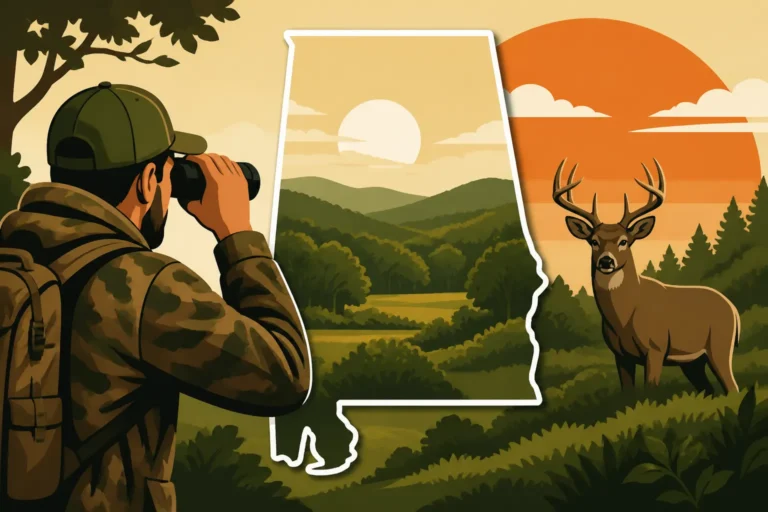
If you've spent any time chasing whitetails in Alabama's southern zones during the rut, you know it can feel like you're hunting a completely different animal than those up north. The weather's often still balmy, the deer behavior can seem sporadic, and finding that intense, daylight breeding activity that hunters dream about feels like finding a needle in a haystack. But don't despair! This guide is all about equipping you with the specific knowledge and tactics you need to unlock success when hunting the rut in the uniquely challenging, yet rewarding, southern regions of Alabama.
Decoding Alabama's Southern Rut Timing
One of the biggest frustrations for hunters new to Alabama's southern regions is trying to figure out "when the rut is." Forget those hard and fast dates you might be used to in other states or even northern Alabama; down here, it's a much more nuanced affair. The breeding season often stretches out, influenced by genetics, habitat, and even historical factors that have shaped the herd over generations.
Why the Southern Rut is Different
The deer rut in Alabama's southern zones, particularly in areas like the Black Belt or closer to the Gulf Coast, often occurs later in the calendar than what many hunters anticipate. While the northern parts of the state might see peak breeding in mid-January, it's not uncommon for bucks in the deep south to be actively chasing does well into February, and sometimes even March. This extended, often later rut period is believed to be a genetic trait passed down, potentially influenced by the historical presence of deer translocated from other southern states with similar late breeding cycles.
Another critical factor is the weather. Southern Alabama often experiences mild winters. Unlike states where a sudden cold snap might trigger a more intense, synchronized rut, the consistent warm weather down here can contribute to a more drawn-out breeding period. Bucks aren't as pressured by brutal cold to find a receptive doe quickly, and does can come into estrus over a longer timeframe. This can make the "peak rut" feel less like a frantic, all-out chase and more like a series of smaller, localized breeding events. Knowing this fundamental difference is your first step to adjusting your expectations and, more importantly, your hunting strategy.
Pinpointing Peak Activity by Zone
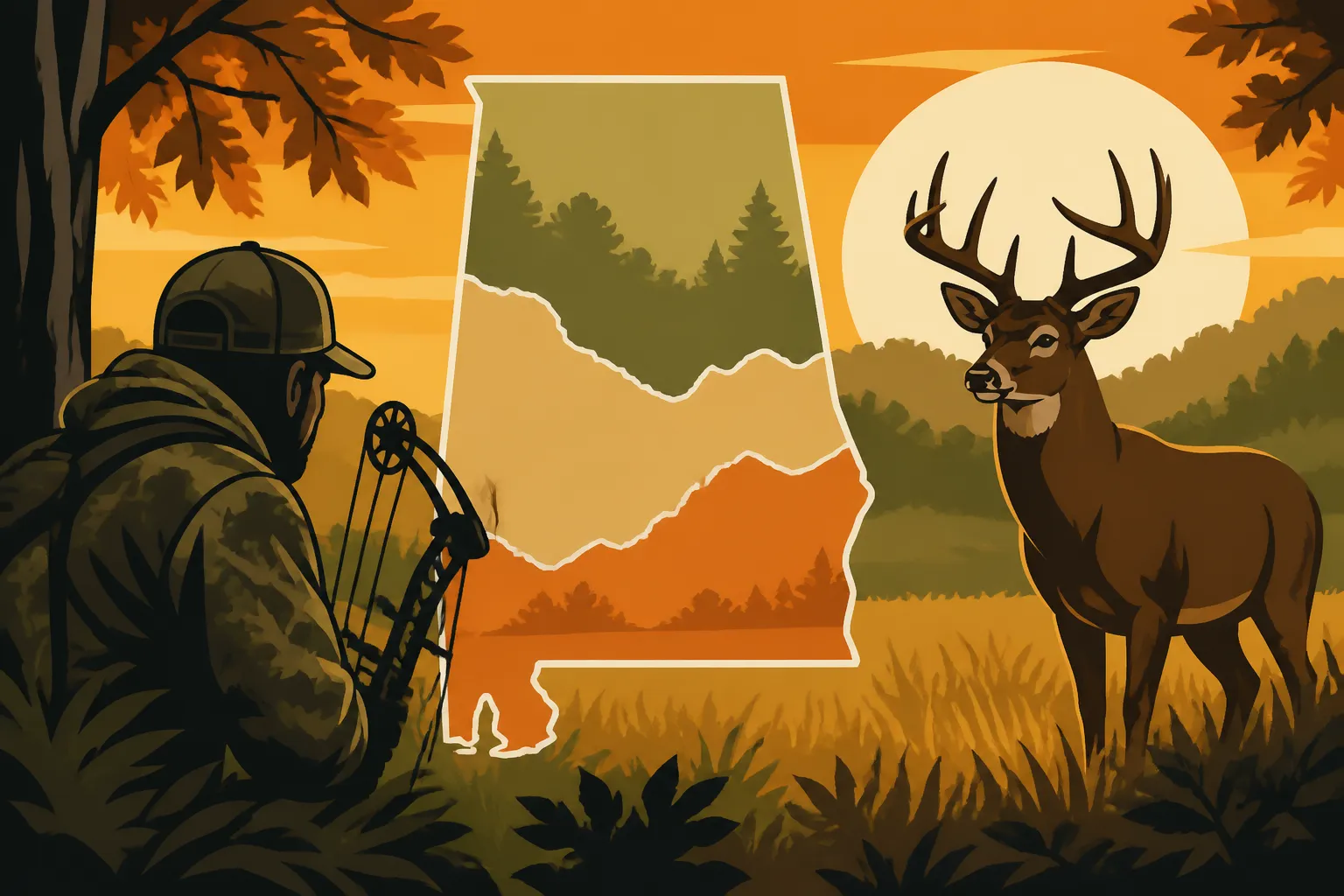
While general trends exist, drilling down to specific counties or even smaller regions within Alabama's large southern zones is key. The Alabama Department of Conservation and Natural Resources (ADCNR) has done extensive research on breeding dates, and it's invaluable. For instance, you might find that while Zone A, encompassing much of Southwest Alabama, often sees its peak rut in late January to mid-February, areas like the Wiregrass Region in Southeast Alabama (part of Zone B) could have a slightly earlier or later peak.
To truly pinpoint the best time to be in your stand, you need to combine regional data with your own scouting. Look for scrape lines along a logging road or fresh rubs appearing on smaller trees. These are real-time indicators that bucks are becoming more active. A quality mapping application, like one from GoHunt, can overlay historical harvest data or even highlight areas with known later rut timings, helping you concentrate your efforts. Understanding these nuances within Alabama's Five Deer Zones is critical for planning your trips.
Estimated Peak Rut Timing for Southern Alabama Deer Zones
| Region/County Example | Deer Zone | Typical Peak Breeding Dates | Notes |
|---|---|---|---|
| Mobile, Baldwin, Clarke Co. | Zone A | Late January – Mid-February | Often later, influenced by coastal climate. |
| Dallas, Wilcox, Lowndes Co. | Zone B | Mid-January – Early February | Black Belt influence, potentially more intense. |
| Barbour, Dale, Houston Co. | Zone B | Early February – Late February | Wiregrass region, can vary year to year. |
| Conecuh, Escambia Co. | Zone A | Early February – Mid-February | Southern tier, often mild weather. |
This table provides general guidelines; always check local ADCNR resources and scout thoroughly. The "peak" might not feel as dramatic as northern ruts due to the extended breeding window.
Essential Scouting and Setup for the Southern Rut
Once you understand the general timeframe, your next move is to double down on scouting and perfecting your stand setups. The southern rut's unique characteristics—especially the warmer weather and often thicker cover—demand a different approach to finding and hunting cruising bucks.
Locating Key Pre-Rut and Rutting Sign
In the southern zones, pre-rut activity might not be as explosive as in colder climates, but the signs are still there if you know what to look for. Focus on areas where food sources meet thick cover. During the late January and February rut, bucks are still keenly aware of available nutrition, even as they ramp up breeding activity. Fields of standing cotton for late deer or green fields planted for deer will be hot spots. Look for clusters of fresh rubs, which indicate a buck actively working an area, and fresh scrapes, particularly those along travel corridors between bedding and feeding areas. Don't just look for big scrapes; smaller "community scrapes" used by multiple deer can be just as informative.
Also, pay close attention to doe bedding areas. Since the does are the prize, bucks will inevitably be cruising the edges of these thicker sanctuaries. River bottoms and dense pine thickets offer excellent bedding, and trails leading out of them will be high-traffic zones. Using satellite imagery on your GoHunt app or a similar mapping tool to identify these thickets and then ground-truthing them is crucial.
Strategic Stand Placement in Warmer Climates
Hunting the southern rut often means dealing with warmer temperatures, which impacts deer behavior significantly. Deer will move less during the heat of the day and gravitate towards shade, water, and areas with better air circulation. When choosing your treestand setups in Talladega National Forest or any southern hunting grounds, prioritize locations that offer these advantages. Look for saddles on ridges that might catch a breeze, creek bottoms that provide cooler temperatures and easy access to water, or the shaded sides of dense pine plantations.
Thermals play a huge role, especially in the mornings and evenings. In the mornings, thermals rise, carrying your scent upwards; in the evenings, they fall, pushing your scent down into valleys. Position your stand to account for these shifts, ensuring your scent cone doesn't blow directly into anticipated travel routes or bedding areas. Consider setting up on the downwind side of a known travel corridor, but far enough away that a buck cruising won't catch your scent. Sometimes, even using a ground blind on Alabama public land in a strategically brushed-in spot can be more effective than a treestand if you can get away with minimizing your scent.
Effective Hunting Tactics During the Southern Rut
With your scouting done and stands set, it’s time to talk about the actual hunting. The southern rut demands patience, adaptability, and a willingness to tweak conventional tactics to suit the local conditions.
Calling and Decoying Strategies
Calling can be highly effective during the southern rut, but the approach might need adjusting. Aggressive rattling volume in thick pine cover might work for a short period when bucks are first getting fired up, but a more subtle approach often yields better results. Start with light rattling sequences, mimicking two smaller bucks sparring, rather than two heavyweights going at it. Pair this with soft grunt calls in mature Alabama timber, trying to imitate a buck trailing a doe or a social grunt. This can pique a cruising buck's curiosity without immediately putting him on high alert.
Decoys can also be powerful, especially a single doe decoy set up to look receptive. Bucks will often approach a doe decoy cautiously, trying to scent-check it before committing. This gives you precious time for a shot. Place your decoy so the approaching buck will naturally offer a good shot angle before he gets directly downwind of your stand. Remember, Alabama has specific Decoy Timing Under Alabama's Ten-Day Rule, so make sure you're compliant. Combining a subtle call with a well-placed decoy can be a deadly combination for drawing in those rutting bucks.
Adapting to Warm Weather and Hunter Pressure
Warm weather makes deer movement notoriously tricky. Instead of the all-day cruising you might see up north, southern deer often move most intensely during the cooler parts of the day: dawn, dusk, and sometimes a brief period around midday, especially on overcast days or just before a front. This means longer sits, even if it feels uncomfortable. A buck might not show up until 10 AM, but he might still be cruising looking for that last receptive doe.
Another challenge, particularly on public lands, is hunter pressure. When opening weekend crowds in Zone A hit the woods, deer quickly learn to go nocturnal or move into the thickest cover available. To counter this, focus on finding ground others walk past. This might mean hiking deeper into less accessible areas or targeting smaller, overlooked pockets of cover on the edges of larger public tracts. If you're on private land, consider how your neighbors are hunting and adjust accordingly. Remember, deer will always prioritize security, especially when pressured. Employing a solid Warm-Weather Sitting Strategy in Alabama is essential for enduring those long, often humid days in the stand.
Post-Rut and Late-Season Opportunities
Just because the peak rut has passed doesn't mean your chances are over. The extended nature of the southern Alabama breeding season often means there are valuable opportunities in the weeks following the main event, particularly for those patient hunters who stick it out.
Targeting Bucks Recovering from the Rut
After weeks of chasing, breeding, and fighting, bucks are often worn down, having lost a significant amount of body weight. Their primary focus shifts from breeding to recovery. This is when food sources become paramount again. Bucks will be looking for easily digestible, high-energy foods to replenish their reserves. Think about those green fields, any remaining acorns if it wasn't a poor acorn year, or even browse in areas with good habitat management.
Locate these food sources and then scout the thick cover nearby for bedding areas. Bucks won't be as aggressive or as prone to cruising wide open spaces. Instead, they'll move from bedding to feeding and back, conserving energy. Your tactics should shift from trying to intercept a cruising buck to ambushing a buck moving predictably between food and bed. This might involve hunting a funnel between two creek bottoms or setting up on a field edge where deer are entering a food plot at last light.
The Secondary Rut and Leftover Does
The "secondary rut" is a real phenomenon in Alabama's southern zones and can offer some fantastic late-season action. This occurs when some fawns born early in the season come into estrus for the first time, or when mature does that weren't bred during the primary rut cycle back in. While typically less intense than the main rut, it can still spur bucks into renewed activity, especially younger bucks or those who didn't get a chance during the primary breeding phase.
This often happens in late February and even into March in some southern regions. Continue to monitor for fresh rubs and scrapes, albeit potentially fewer than during the peak. Focus your efforts around known doe bedding and feeding areas. A lone doe decoy can be particularly effective during this time, as a buck might be more inclined to check it out if he's still searching for a receptive mate. Even though the main show might be over, staying persistent and adapting your approach for this late breeding window can lead to filling those remaining tags, even if it means filling two unantlered tags in Zone A.
Disclaimer
Hunting is an inherently dangerous activity. Always prioritize safety, understand and follow all local and state regulations, and obtain proper landowner permission. The information provided in this guide is for informational purposes only and should not replace professional guidance or official regulations. Verify all dates, rules, and licensing requirements with the Alabama Department of Conservation and Natural Resources (ADCNR) before engaging in any hunting activities.