Roost Hunting Alabama Gobblers
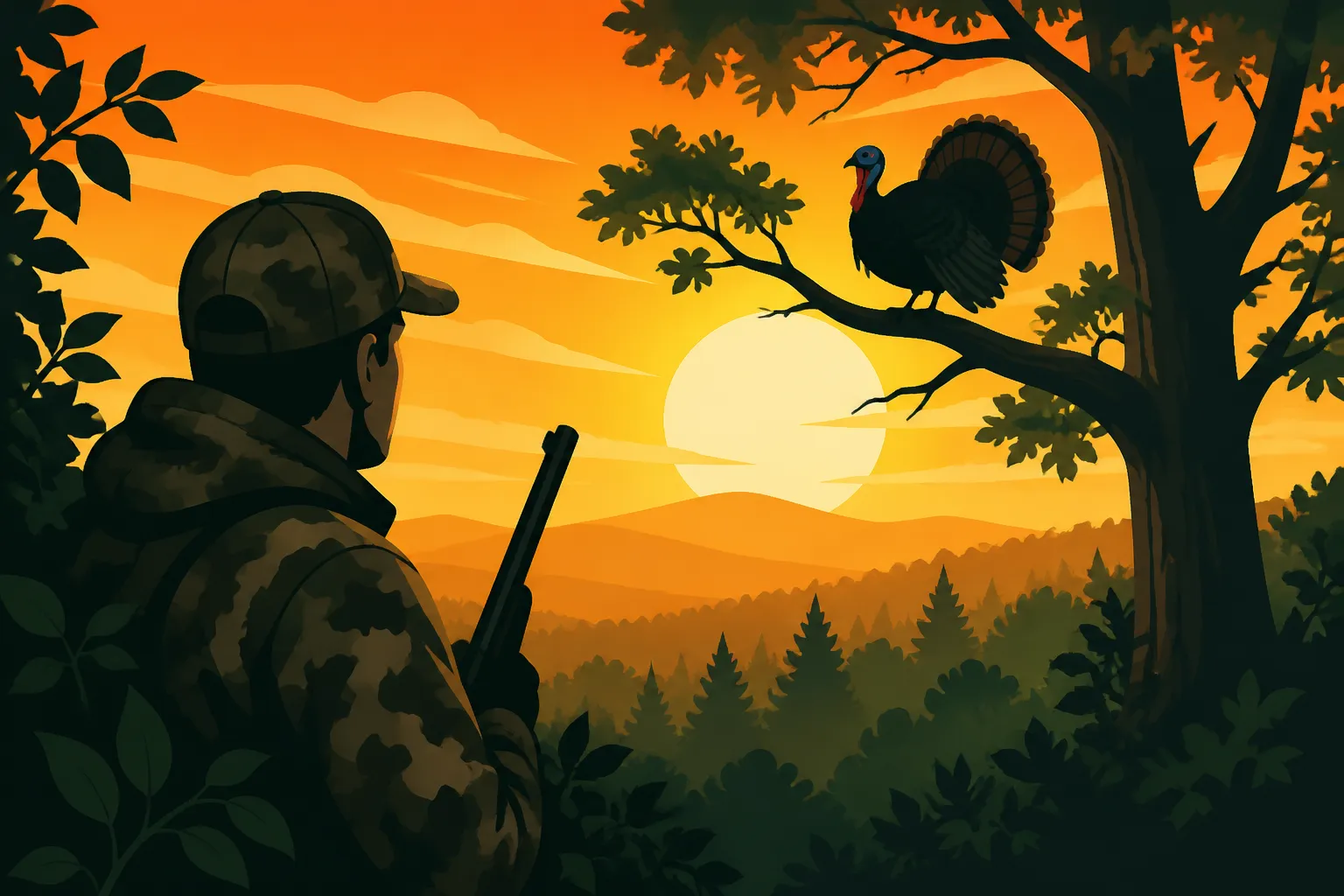
There's nothing quite like the electric anticipation of a spring morning in the Alabama woods, especially when you know a big gobbler is perched just overhead. But let's be real, turning those thrilling pre-dawn gobbles into a successful harvest is often far easier said than done. From silent fly-downs to birds that decide to strut off in the wrong direction, roost hunting can test the patience of even the most seasoned turkey hunter. This guide will dive deep into the nuances of roost hunting Alabama gobblers, sharing practical strategies to help you get that longbeard off the limb and into your vest.
Understanding the Roost Hunt Mentality in Alabama
Roost hunting isn't just about hearing a gobble; it's about understanding the entire sequence of a turkey's morning ritual, from the moment they awaken on the limb until they decide to hit the ground. In Alabama, with its varied terrain from the mountainous north to the Black Belt and coastal plains, these rituals can have subtle differences. The goal is always to get close, but not too close, and to be positioned perfectly when that bird decides to make his grand entrance.
The Allure of First Light Gobbles
That first gobble that cuts through the pre-dawn stillness is pure magic. It signals the beginning of the hunt and often gives away the location of a bird that might have been silent the evening before. Many hunters are drawn to roost hunting because it feels like the most direct path to a turkey. You know exactly where he is, at least for a little while, which eliminates a lot of the guesswork that comes with mid-morning run-and-gun tactics. It’s an intimate experience, listening to the woods wake up around you, feeling the temperature drop just before dawn, and waiting for that moment when a vocal tom sounds off just a few hundred yards away. It truly sets the stage for an exciting day of Spring Turkey Hunting in Alabama.
However, this allure can also lead to mistakes. The excitement of a booming gobble can cause hunters to rush their setup, move too quickly, or get too aggressive with their calling. Remember, a turkey on the limb has the ultimate vantage point. He can see a long way and hear the slightest misplaced crunch of leaves underfoot. Patience and careful observation are paramount when those first light gobbles start. It's about being in the right place, at the right time, with the right strategy.
Identifying Prime Roosting Habitat
Finding where a gobbler wants to spend the night is half the battle. In Alabama, turkeys typically prefer large, mature trees that offer good limb structure for perching, often over water or in areas with open understories that provide a clear view of approaching predators. Think big pines or hardwood giants along creek bottoms, river bends, or on ridge tops with good visibility. These spots provide a sense of security and allow the turkeys to easily fly up to their roost at dusk and fly down safely in the morning.
For instance, in the hilly terrain of North Alabama, you might find birds roosting in towering oaks or hickories on a prominent ridge, especially if it overlooks a food source or a creek. In the flatter Black Belt region, they might favor old-growth pines or cypress trees in a low-lying area. Using mapping tools like those from GoHunt or the Scouting With the Outdoor Alabama App can really help identify these prime areas. Look for dark timber on aerial maps, particularly areas adjacent to open fields, clearings, or water. Keep an eye out for tell-tale signs like droppings, scattered feathers, and even disturbed leaves directly under potential roost trees. These clues are gold when you're trying to figure out Where Alabama Gobblers Roost.
Pre-Dawn Reconnaissance and Approach
The moments leading up to fly-down are critical. Your success often hinges on how well you prepare the evening before and how stealthily you move in the dark. A poorly planned approach can blow your chances before the sun even thinks about peeking over the horizon.
Locating Gobblers the Evening Before
The best way to roost hunt is to know exactly where a turkey is going to sleep. This means putting in the legwork (or windshield time) the evening before. As dusk approaches, position yourself near potential roosting areas, listen for those final "goodnight" gobbles, or even the distinctive sound of wings beating as birds fly up to their limbs. You don't need to get right on top of them; often, just getting within earshot from a road or field edge is enough.
If you hear a bird gobble on the roost, mark its general location on your map. This intel is invaluable for your morning plan. Sometimes, a shock gobble from an owl or crow call can get a tom to give away his position, but often, they'll gobble on their own a few times before settling in. This reconnaissance allows you to plan your morning approach, taking into account wind direction, terrain, and potential obstacles. It helps you anticipate their general direction of fly-down and choose a setup that gives you the advantage. Remember, even if you don't hear a bird, knowing the prime roosting spots gives you a starting point for a blind setup the next morning.
Stealthy Entry Routes and Setup Considerations
Once you've identified a roosted bird, the challenge shifts to getting into position silently and effectively in the dark. Your entry route needs to be meticulously planned. Avoid walking through thick brush that will create noise, cross open fields where you might be silhouetted against the pre-dawn sky, or trek directly towards the roost. Instead, try to use natural contours of the land, old logging roads, creek beds, or field edges to your advantage. A good mapping app, like GoHunt, can be a game-changer here, allowing you to scout your route digitally and even mark quiet walking paths.
The goal is to set up within 100 to 150 yards of the roost tree, if possible, without being seen or heard. This puts you close enough to engage the bird effectively but far enough away that he doesn't feel pressured on the limb. Always consider your backdrop and potential shooting lanes. Setting Up Against a Big Oak or a cluster of pines can break up your silhouette, offering crucial concealment. Think about where the turkey is likely to fly down and position yourself accordingly. If he flies down behind you, your morning could get very frustrating, very quickly. It's a delicate balance of concealment, proximity, and anticipation.
Calling Tactics When Birds Are on the Limb
Once you're set up and the first hints of light begin to pierce the darkness, the calling game begins. This isn't the time for aggressive, booming calls. Your initial interactions with a roosted gobbler need to be subtle, seductive, and designed to pique his interest without spooking him.
Soft Calls to Arouse Curiosity
When a gobbler is still on the limb, his priority is surveying his surroundings and listening for hens. He's vulnerable up there, and any overly aggressive or unnatural calling can make him wary. Start with very soft, simple tree yelps, clucks, and purrs. These are the natural sounds a hen makes as she's waking up and stretching on the roost. They are meant to say, "Good morning, handsome, I'm over here, just waking up too." Don't call too frequently; a few soft calls every 10-15 minutes, or in response to his gobbling, is often plenty.
The idea is to confirm your presence and create a sense of intrigue. You want him to think there's a hen in the area who's getting ready to fly down. Resist the urge to gobble back at him, especially if you're close. Let him be the king of the roost. Your job is to be an inviting presence. This soft approach is key to Calling an Alabama Gobbler Off the Roost without him hanging up or flying down in the opposite direction.
Reading the Bird's Mood and Adjusting Calls
Turkeys, like people, have different personalities and moods. One gobbler might respond aggressively to soft calls, while another might need a little more convincing. You have to be a detective, listening carefully to his gobbles and reactions. Is he gobbling harder after your soft calls? Is he turning on the limb, indicated by the direction of his gobble? These are positive signs. If he suddenly goes quiet, you might have done too much, or he might have heard something else.
If soft calls aren't eliciting much response after a few rounds, you might gradually increase the volume or add a fly-down cackle. But be cautious! A fly-down cackle before a bird is ready to hit the ground can signal impatience and make him suspicious. If he's gobbling consistently on the limb and seems interested, stick to those softer calls. The most important thing is not to overcall. Let him do most of the talking on the limb, and respond just enough to keep his interest. Remember, you're trying to draw him to you, not engage in a gobbling contest with a rival.
Post-Fly-Down Strategy and Follow-Up
The fly-down is the moment of truth in roost hunting. Everything you've done until now has led to this. What happens in the minute or two after his feet touch the ground can dictate the entire hunt.
The Critical Fly-Down Window
When that gobbler finally pitches off the limb, often with a loud beat of wings, the game changes. He's on the ground, likely looking for the hen he's been hearing. This is the critical window. You need to be ready for him to come in quickly, especially if you're well-positioned. Often, turkeys will hit the ground, stretch, and then start looking around. If he sees or hears nothing, he might start moving away.
At this point, a soft series of clucks and yelps, perhaps with a little more conviction than your pre-fly-down calls, can be very effective. It reinforces that "I'm here" message and can draw him in. However, if he flies down and immediately gobbles, and you haven't called since he was on the limb, it might be a good idea to remain silent for a moment. Let him wonder where you went. The curiosity can be a powerful draw. Be ready to shoot as soon as he steps into a visible shooting lane. Many roosted birds will come in silently after fly-down, so keep your gun up and your eyes peeled.
Adapting to Their Ground Movement
Not every bird comes charging in after fly-down. Many will hit the ground and start moving in a different direction, or they might gobble from a distance without committing. This is where adaptation becomes key. If the bird flies down and starts moving away from you, you have a few options:
- Aggressive Calling: Sometimes, a sudden burst of louder, more excited yelping can stop him or even make him turn around. You're trying to simulate a hen that's getting impatient.
- Decoys: If you're using a decoy, ensure it's set up to be visible but not too close. A lone hen decoy can be very effective, especially if you're trying to pull a bird across an open area. Be mindful of Decoy Timing Under Alabama's Ten-Day Rule, which restricts their use early in the season.
- Repositioning: If the bird is clearly heading in a direction you can't intercept, and the terrain allows for a silent move, you might try a very careful, quick repositioning. This is risky and requires exceptional stealth. Often, it's better to stay put and try to pull him back with calls, but sometimes, a quick, quiet move can save the hunt.
The key is to pay attention to his body language and gobbling intensity. A bird that's gobbling hard but not moving is likely hung up, possibly waiting for the hen to come to him. A bird that's gobbling and moving steadily away might be with real hens or simply not interested in your calls.
Calling Strategies for Roosted Gobblers
| Stage of Hunt | Call Types (Examples) | Volume | Frequency | Purpose | Common Mistakes |
|---|---|---|---|---|---|
| Pre-Fly-Down | Soft tree yelps, soft clucks, purrs | Very low | Infrequent (every 10-15 min or after his gobble) | Establish presence, pique curiosity, reassure | Overcalling, loud calls, aggressive calls |
| Fly-Down | Soft clucks, subtle yelps, wing beats (optional) | Low to medium | Infrequent to moderate | Confirm location, guide to setup, imitate hen landing | Calling too much, calling too aggressively |
| Post-Fly-Down (Close) | Soft clucks, purrs, short yelps | Low | Moderate | Pull to final shooting position, reassure | Moving, making noise, not being ready to shoot |
| Post-Fly-Down (Hung-Up) | Increase volume slightly, add some excited yelps | Medium | Moderate to frequent | Break him loose, sound impatient | Giving up too soon, being too timid with calls |
| Post-Fly-Down (Moving Away) | Louder, more aggressive yelps, cutting, cackles (if needed) | Medium to high | Moderate to frequent | Get his attention, make him turn, simulate hen leaving | Not adapting, letting him get too far |
Common Roost Hunting Challenges and Solutions
Roost hunting isn't always a walk in the park. There are plenty of things that can go wrong, and knowing how to troubleshoot them can make all the difference between a successful hunt and a frustrating morning.
Dealing with Hung-Up Birds
The "hung-up" gobbler is the bane of every turkey hunter's existence. He's gobbling his head off, he knows you're there, he's interested, but he absolutely refuses to come into range. This often happens because he's waiting for the hen (you) to come to him, or he might have real hens with him that are pulling him in another direction.
One common scenario is when a gobbler flies down to a point where there's an obstacle between him and you – a fence, a creek, a thicket, or just an open field he doesn't want to cross alone. Your initial strategy should be patience. Keep calling softly, letting him know you're still there. If that doesn't work, you might need to get more aggressive. Sometimes, a series of loud, excited yelps, or even a cutting sequence, can make him think the hen is getting impatient and might leave. This can often be enough to make him commit. If you have a partner, one hunter can stay put and call, while the other tries a silent, wide flank to get ahead of the bird and cut him off. But this requires excellent communication and extreme caution. If you're on public land, a Run-and-Gun Turkey Tactics on Public Land approach might become necessary if he simply won't budge.
Handling Pressure and Competing Hunters
Alabama public lands can get busy, especially during prime times like the Hunting the Zone 1 Turkey Opener. Nothing ruins a roost hunt faster than another hunter walking in on your setup or starting to call aggressively in another direction. This is a very real frustration, and it takes careful navigation.
First, always be aware of your surroundings. Check online resources or use mapping apps to see if you're in a heavily trafficked area. If you hear other hunters, it's often best to back off and try to find another bird. Your safety is paramount, and crowding another hunter's setup is not only unethical but dangerous. If a bird is being heavily pressured, he's less likely to respond naturally. Sometimes, the best strategy is to find those less obvious roosting areas, perhaps deeper into public land, or to hunt mid-week when pressure is lighter. Trying to out-call another hunter is usually a losing battle and can easily spook the bird entirely. Be flexible; if your roost hunt is spoiled, transition to a mid-morning search pattern, covering ground and listening for other birds.
Safety and Ethics of Roost Hunting
Turkey hunting, especially in the low light of dawn, demands an extra level of vigilance when it comes to safety and ethics. We all want to bag a bird, but not at the expense of safety or the integrity of the sport.
Safe Shooting Lanes and Backdrop Awareness
When setting up for a roosted gobbler, always assume the bird will come from the direction you expect, but prepare for the unexpected. Identify clear shooting lanes, ensuring there are no obstructions between you and where you expect the bird to appear. Crucially, always be aware of your backdrop. Never shoot at a turkey if you don't know what's beyond it. In the low light of dawn, identifying your target and ensuring a safe shot is paramount.
Confirm that your target is indeed a gobbler. Look for key identifying features: a red, white, and blue head, a distinct beard, and spurs. Avoid "sound shooting" or shooting at movement you can't positively identify. If you're wearing camouflage, remember that another hunter might not see you, so choose your location carefully and avoid any setup that could put you in the line of fire of another hunter. This is where bright orange vests for walking in and out, or flagging your position, can be crucial, though always be mindful of legal requirements for blaze orange, as Alabama has specific rules for some types of hunting.
Ethical Considerations for Success
Ethical roost hunting goes beyond just safety; it's about respecting the bird and the land. One key ethical consideration is not shooting a turkey off the roost. While generally legal in Alabama, it's often considered poor sportsmanship by many hunters. The thrill of the hunt comes from calling the bird in, getting him to commit to the ground, and outsmarting him face-to-face. Shooting a bird while he's essentially defenseless in a tree robs you of that challenge and the true essence of turkey hunting.
Furthermore, being a good steward of the land means leaving no trace, respecting private property boundaries, and abiding by all regulations, including Alabama Legal Turkey Hunting Hours. If you're hunting near a road, choose your calling and shooting locations with extra care. Always report your harvest through the Game Check system, which helps wildlife biologists monitor Alabama Turkey Population Trends. By adhering to these ethical guidelines, we ensure that the tradition of turkey hunting remains strong and respected for generations to come.
Disclaimer
Hunting is an inherently dangerous activity. Always prioritize safety, understand and follow all local, state, and federal hunting regulations. The information provided here is for educational purposes only and should not replace proper hunter education and personal responsibility. Consult the Alabama Department of Conservation and Natural Resources (ADCNR) for the most current and complete hunting regulations.