Booking an Alabama Hunt as a Nonresident
Traveling to a new state to hunt can feel like trying to solve a complicated puzzle, especially when you're not familiar with the local regulations, terrain, and best hunting spots. For nonresidents eyeing Alabama's rich hunting opportunities, the thought of securing licenses, understanding zone specific seasons, and finding prime access can be daunting. This comprehensive guide will walk you through everything you need to know about booking an Alabama hunt as a nonresident, helping you plan a successful and enjoyable trip.
Understanding Alabama's Nonresident Hunting Landscape
Alabama boasts an incredibly diverse range of hunting opportunities, from abundant deer and turkey to robust populations of feral hogs and excellent waterfowl potential. However, navigating this landscape as an out-of-state hunter requires careful preparation. The rules and regulations can seem complex, and the best hunting grounds aren't always obvious.
License Requirements and Costs for Nonresidents
The very first step for any nonresident hunter is securing the proper licenses. Alabama, like most states, has a tiered licensing system, and what you need will depend on what you plan to hunt and for how long. You can't just show up and expect to buy a cheap permit; there are specific requirements and varying costs involved.
For starters, you'll need a nonresident hunting license. This can often be purchased for an annual period, or in shorter increments like a 10-day or even a 3-day trip, which can be a budget-friendly option if you're just visiting for a long weekend. Beyond the basic hunting license, you'll likely need additional privileges or stamps depending on your target species. For instance, if you're pursuing migratory birds like ducks or doves, a state migratory bird stamp and a federal duck stamp are mandatory, along with HIP certification. Deer and turkey hunting generally fall under the base hunting license, but always double-check for any specific tags or reporting requirements. It's really important to confirm these details well in advance of your trip, as requirements can shift. For more general information, take a look at Alabama Hunting Licenses and What They Cost.
Another critical component is hunter education. If you were born on or after August 1, 1969, you absolutely must complete a hunter education course. Alabama recognizes hunter education certifications from other states, so if you've already completed one elsewhere, you should be good to go, but always carry proof. If not, you'll need to complete a course, which can often be done online, before you hit the woods. Alternatively, an apprentice license allows you to hunt under the direct supervision of a licensed adult, offering a pathway for those who haven't yet completed hunter ed.
Season Dates and Zones: Planning Your Target Species
Alabama's hunting seasons are not a one-size-fits-all affair. The state is divided into multiple deer zones and turkey zones, and the season dates, bag limits, and legal methods can vary significantly between them. This is where many nonresident hunters get tripped up, thinking "deer season" means the same thing everywhere. It simply doesn't.
For deer hunters, Alabama has five distinct zones, each with its own specific opening and closing dates for archery, gun, and muzzleloader seasons, as well as varying antlered and unantlered deer limits. A prime example is how the rut peaks at different times across the state; you might find bucks chasing hard in one zone while they're still in velvet in another. Understanding these nuances is crucial for timing your trip correctly and maximizing your chances of success. You can find a great overview of these complexities in Comparing Alabama's Five Deer Zone Calendars. Similarly, turkey hunting is also divided into zones, with Zone 1 typically opening earlier than Zone 2, impacting when you should plan your spring gobbler pursuit. Checking Alabama Spring Turkey Zones and Dates is essential if you're planning a turkey hunt. Knowing your target species and the specific zone you'll be hunting in is the key to aligning your travel dates with open seasons and legal hunting methods.
Public vs. Private Land Access: The Nonresident Challenge
Access to hunting land is often the biggest hurdle for nonresident hunters. Alabama boasts a decent amount of public land, including National Forests and Wildlife Management Areas (WMAs). However, these areas can be vast, heavily pressured, and require extensive scouting and local knowledge to hunt effectively. Showing up cold on a WMA you've never seen before can be a recipe for frustration, especially if you're not used to hunting timber company land or pine plantations. For more details on public land, read Public Hunting Land in Alabama.
Many nonresidents opt for private land access, which offers more control and often higher quality hunting. This can come through leasing land, joining a hunting club, or, ideally, booking with an outfitter. For a nonresident, trying to gain permission on private land can be incredibly difficult without established local connections. Landowners are often hesitant to grant access to strangers from out of state, especially with concerns about liability and property respect. If you're considering this route, Getting Private Land Permission in Alabama offers some valuable insights, but be prepared for a lot of legwork and potentially many polite rejections. This is precisely why many nonresident hunters lean heavily on the services of experienced outfitters.
The Role of Outfitters and Guides for Nonresidents
When it comes to nonresident hunting in Alabama, outfitters and guides aren't just a luxury; they can often be the most practical, and sometimes the only, way to ensure a high-quality and successful trip. They take the guesswork out of scouting, access, and even game recovery, allowing you to focus on the hunt itself.
What a Guided Hunt Typically Offers
A guided hunt with an established Alabama outfitter provides a comprehensive experience that addresses many of the challenges nonresidents face. First and foremost, guides offer access to prime private land, often leased specifically for hunting, which might be otherwise inaccessible to the public. This land is usually scouted year-round, has established food plots, and may even have stands already in place, dramatically increasing your chances of success compared to a self-guided public land hunt.
Beyond access, a good outfitter provides invaluable expertise. They understand the local game movements, weather patterns, and optimal hunting strategies for their specific properties. Most guided packages include lodging, often in comfortable hunting lodges, and delicious meals, taking care of all your basic needs. Transportation around the hunting property, game recovery services (which can be a huge relief, especially for large game like deer or hogs), and even basic field dressing are often part of the package. Some outfits even offer assistance with taxidermy arrangements or getting your meat processed locally. Essentially, they handle all the logistics so you can immerse yourself in the hunt. For an idea of typical costs and offerings, check out What a Guided Alabama Deer Hunt Costs.
Popular Guided Hunt Species in Alabama
Alabama offers fantastic guided opportunities for several species, making it a great destination for a multi-species trip if planned right.
- White-tailed Deer: This is by far the most popular guided hunt. Outfitters in the famed Black Belt region, known for its fertile soils and larger deer, often specialize in trophy buck hunts. Other regions offer high-success opportunities for both antlered and unantlered deer. A good guide will know the best times to hunt based on the rut in their specific area.
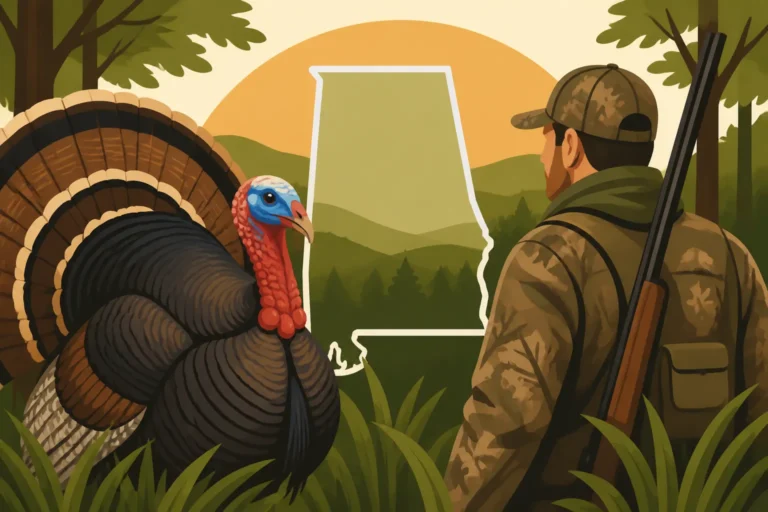
- Wild Turkey: Spring turkey hunting in Alabama is phenomenal, with strong populations of Eastern wild turkeys. Guides know the roosting patterns, strutting zones, and calling sequences that bring gobblers into range. Finding a reputable guide can be the difference between a frustrating silent morning and an exhilarating encounter with a wary gobbler. If you're looking for a spring hunt, Finding a Turkey Guide in Alabama can offer great advice.
- Feral Hogs: Alabama has a year-round feral hog problem, making them a popular target, especially since many outfitters offer dedicated hog hunts outside of deer and turkey seasons. Night hunting with thermal optics is a thrilling experience often offered by guides, providing an adrenaline rush unlike any other. They can also be hunted as an add-on during deer or turkey seasons.
- Waterfowl: Along the Tennessee River Valley and the Mobile-Tensaw Delta, excellent waterfowl hunting opportunities exist. Guides with leased timber, private impoundments, or strategic field setups can put you on ducks and geese during the colder months, complete with decoys and blinds.
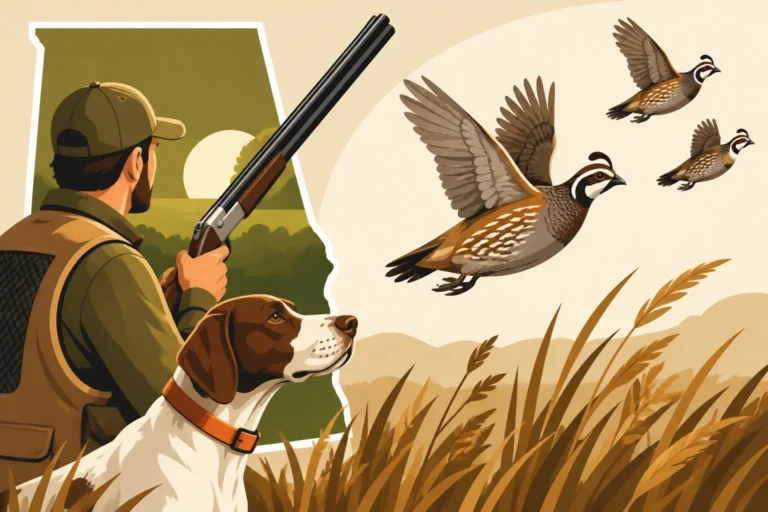
- Bobwhite Quail: While wild quail hunting can be challenging, Alabama's Black Belt is renowned for its managed quail plantations. These guided hunts offer a classic Southern experience with pointing dogs, skilled dog handlers, and plenty of fast-flying action.
Finding and Vetting Reputable Outfitters
Choosing the right outfitter is paramount to a successful nonresident hunt. This isn't a decision to rush. Start by looking for outfitters with a proven track record, specific to the species you want to hunt. Websites like BookYourHunt or GoHunt are excellent resources to begin your search, offering listings and client reviews that can help narrow down your options.
Once you have a few potential outfitters in mind, do your due diligence. Contact them directly, ask for references from past clients, and follow up with those references. Inquire about their land access – is it owned, leased, or a combination? How many acres do they manage, and how many hunters do they host at one time? A good outfitter will be transparent and happy to answer all your questions. Check out Vetting an Alabama Outfitter Before You Book for a detailed checklist of what to look for. Beware of outfitters making unrealistic promises or having vague answers to specific questions about success rates or what's included in the price. Read reviews on independent platforms and look for consistent feedback.
Planning Your Nonresident Alabama Hunting Trip
With so many variables involved, planning a nonresident hunt requires meticulous attention to detail. From budgeting to timing and asking the right questions, preparation is everything.
Budgeting for Your Hunt: Beyond the Booking Fee
Hunting in a new state, especially with a guide, involves more than just the cost of the hunt itself. As a nonresident, your hunting license will generally be more expensive than a resident's. Factor in travel costs: flights or gas for driving, potential overnight stays en route, and vehicle rentals if needed. Then there's the outfitter's fee, which can vary widely based on the species, duration, and level of service (e.g., fully inclusive lodge packages versus day hunts).
Don't forget about tipping your guide and any other staff (cooks, dog handlers). This is customary and expected, often making up a significant portion of their income. Plan for meat processing and taxidermy, especially if you harvest a trophy. These services aren't usually included in the hunt price. Finally, consider incidental expenses: ammunition, gear, souvenirs, and any last-minute supplies you might need. A realistic budget will prevent any unpleasant surprises down the road. You can get more details on gratuities from Tipping Guides and Dog Handlers.
Timing Your Trip for Success: Peak Activity Windows
The timing of your hunt is critical, especially when targeting specific behaviors like the deer rut or peak turkey gobbling.
- Deer: While Alabama's deer season runs for a long stretch, the rut (breeding season) varies significantly by zone. In some southern zones, the rut can peak in late January or early February, while northern zones might see it in December. A good outfitter will know their specific area's rut timing and can advise you on the best weeks to book for chasing bucks.
- Turkey: For spring turkey, the peak gobbling activity often occurs a few weeks after the season opens, when hens are bred and gobblers are more actively seeking new mates. However, early season can also be good for catching birds still grouped up. Again, an experienced guide will have the best insight into when their birds are most vocal and active.
- Waterfowl: Waterfowl hunting is highly dependent on weather and migration patterns. Colder fronts to the north push birds south into Alabama. Booking later in the season (December-January) often provides the best chances for consistent flights.
By communicating your goals with your outfitter, you can align your trip dates with the highest likelihood of encountering active game.
Essential Questions to Ask Your Outfitter
Before you commit to a booking, have a list of detailed questions ready. This is where you clarify expectations and ensure there are no misunderstandings.
- What is the total price, and what exactly is included (e.g., lodging, meals, guide, transportation on property, game recovery, field dressing)?
- What is not included (e.g., license, tags, tips, meat processing, taxidermy, alcohol)?
- What are the nearest airports and how will transportation from the airport be handled, if at all?
- What are the specific hunting methods (e.g., stand hunting, still-hunting, calling, dog drives)?
- What is the typical guide-to-hunter ratio? Will I have a dedicated guide, or will guides rotate?
- What are the success rates for my target species, and are those harvest rates or opportunity rates?
- What are the physical demands of the hunt? (e.g., long walks, steep terrain, treestand climbing).
- What equipment do I need to bring (e.g., specific clothing, weapon type, optics)?
- What are the deposit requirements, cancellation policies, and refund options?
- Are there any specific rules or regulations I should be aware of for their property?
- Can they provide references from recent nonresident clients?
Asking these questions upfront, and getting clear answers, is vital for managing your expectations and ensuring you pick the right experience for you. For more questions, see Questions to Ask Before Booking an Alabama Hunt.
Self-Guided Options and Challenges for Nonresidents
While a guided hunt is often the path of least resistance for nonresidents, some hunters prefer the challenge and independence of a self-guided trip. This is absolutely possible in Alabama, but it comes with a unique set of obstacles that require considerable planning and a robust spirit of adventure.
Public Land Scouting and Navigation for the Uninitiated
Alabama has a significant amount of public hunting land, including national forests and WMAs. These areas are open to anyone with a valid license and permit (if applicable for WMAs). However, public land hunting, especially for big game, can be immensely challenging for someone unfamiliar with the terrain and local game behavior. Unlike managed private lands, public areas often see considerable Hunting Pressure on Alabama Public Land, particularly on opening weekends or during peak rut.
Successfully hunting public land requires extensive pre-season scouting, which is difficult for a nonresident. You need to identify pinch points, bedding areas, travel corridors, and key food sources. This often involves boots-on-the-ground exploration, studying topographic maps and aerial imagery, and understanding game sign. Without this groundwork, you're essentially walking blind, and your chances of success plummet. The sheer size of some of these areas, like the Talladega or Bankhead National Forests, can be overwhelming, and finding specific, productive spots without local knowledge is a monumental task.
Gaining Private Land Access Without Connections
For many resident hunters, gaining access to private land involves knowing a landowner, offering services in exchange for hunting rights, or being part of a local club. For a nonresident, initiating this kind of relationship from afar is exceedingly difficult. Landowners are understandably cautious about granting permission to strangers, and liability concerns are always top of mind.
While it's not impossible to knock on doors and ask for permission, the success rate for nonresidents is generally low. You'd need to arrive well before season, devote significant time to driving rural roads, and be prepared for numerous rejections. You must also be intimately familiar with What Alabama Trespass Law Requires and understand the importance of explicit permission. The time and effort involved might be better spent focusing on a guided hunt that guarantees prime access.
Logistical Hurdles and Self-Reliance
A self-guided nonresident hunt means you are responsible for every single detail. This includes:
- Transportation: Getting yourself and all your gear to and from Alabama, and then navigating potentially rugged backroads to your hunting spots.
- Lodging: Finding and booking accommodations near your hunting area, which might be limited in remote regions.
- Equipment: Ensuring you have all necessary gear for the elements, specific hunting methods, and potential emergencies, as you won't have a guide's backup.
- Game Recovery: If you harvest an animal, you are solely responsible for tracking, recovering, and extracting it from the woods, which can be a Herculean task for a large deer or hog, especially in thick Alabama cover.
- Field Dressing & Processing: Preparing your animal for transport and finding a local processor who can handle it promptly. This is critical in Alabama's often warm climate.
Essentially, a self-guided nonresident hunt is a true DIY adventure that requires maximum self-reliance and a high tolerance for uncertainty. While rewarding for some, it's not for everyone, particularly if your primary goal is a high-odds harvest.
Here's a quick comparison to help you weigh your options:
| Feature | Guided Hunt (Nonresident) | Self-Guided Hunt (Nonresident) |
|---|---|---|
| Land Access | Guaranteed access to private, managed land | Public land (WMAs, National Forests) or difficult private access |
| Local Knowledge | Provided by experienced guide | Requires extensive personal scouting & research |
| Hunting Success Rate | Generally higher due to managed land & guide expertise | Highly variable, dependent on personal skill & luck |
| Logistics | Often all-inclusive (lodging, meals, transport on site) | You handle all aspects: travel, lodging, food, gear |
| Game Recovery/Care | Guide assists with tracking, recovery, field dressing | Solely your responsibility |
| Cost | Higher upfront cost (package price, tips) | Lower direct costs, but higher potential for wasted time/money |
| Time/Effort Required | Minimal planning once booked | Significant pre-trip planning, scouting, and in-field effort |
| Overall Experience | Structured, comfortable, higher chance of harvest | Adventurous, challenging, more independent, lower odds |
Disclaimer
This article is for general informational purposes only and does not constitute professional advice. Laws, prices and regulations vary by location and change over time. Consult a qualified professional for guidance on your specific situation.