Dog-Drive Hog Hunt Pricing in Alabama
The problem of rampant feral hog populations across Alabama means hunters often look for effective, exciting ways to help manage them. Dog-drive hog hunts offer a unique, adrenaline-pumping experience, but understanding the financial commitment involved can be a bit of a maze. This guide will walk you through the various factors that influence the pricing of dog-drive hog hunts in Alabama, helping you plan your adventure without unwelcome surprises.
Understanding Dog-Drive Hog Hunts in Alabama
There's nothing quite like the sound of baying hounds echoing through the Alabama woods, signaling that a pack of wild pigs has been located. Dog-drive hog hunts are a deeply ingrained tradition in many parts of the South, offering a raw, physical, and often unpredictable hunting experience. But beyond the thrill, they're also a highly effective method for controlling the destructive numbers of Feral Hogs Across Alabama.
What Exactly is a Dog-Drive Hog Hunt?
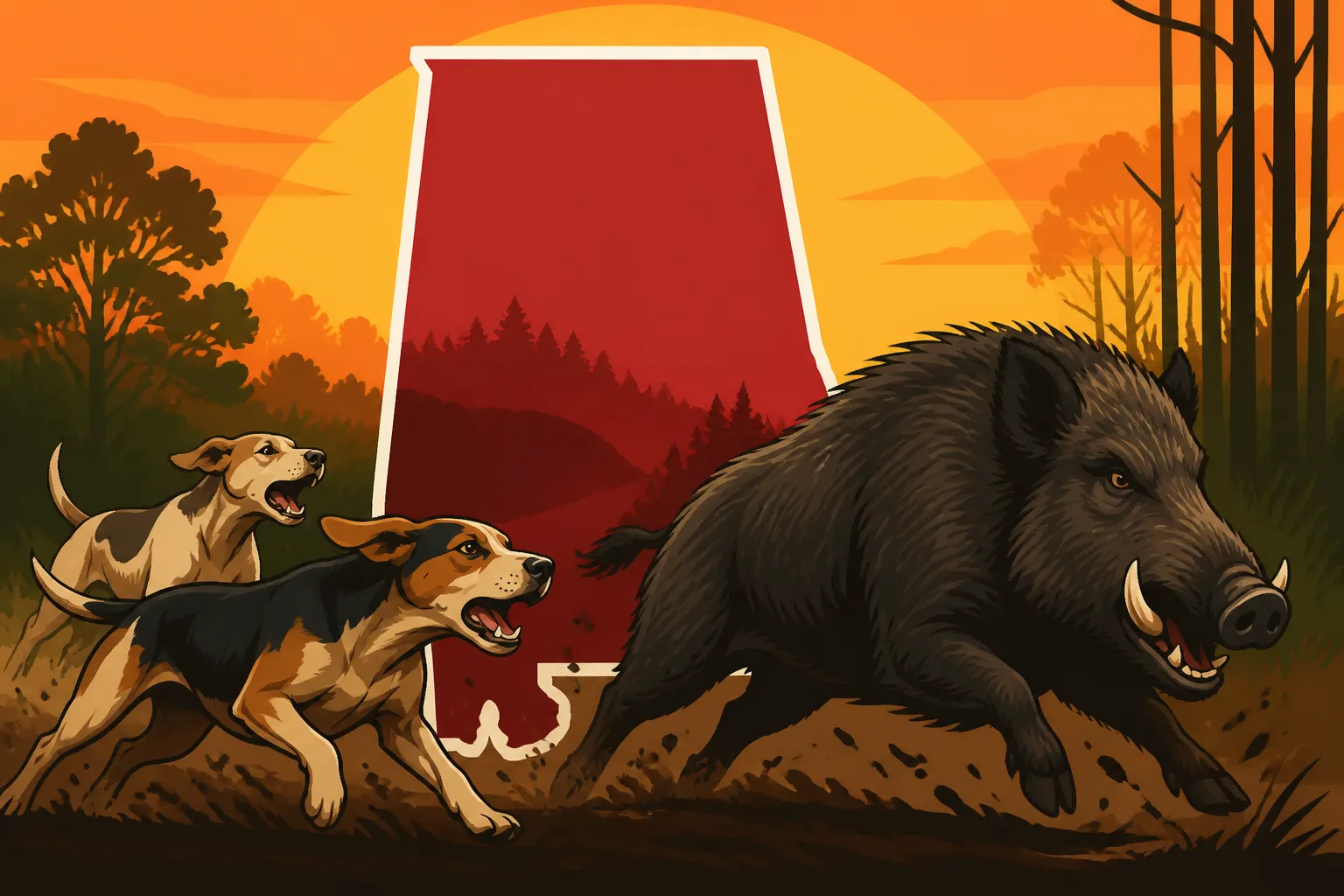
A dog-drive hog hunt is an intense, active pursuit where specially trained dogs are used to locate, chase, and corner (or "bay") feral hogs. It's a team effort, usually involving several hunters, a lead dog handler (often called the "hog man" or "dog man"), and a pack of hounds. The hunt typically begins with dogs being released in an area known for hog activity, like dense river bottoms, overgrown clear-cuts, or thick pine plantations where hogs love to hide.
Once the dogs pick up a scent, the chase is on. The dogs, a mix of "bay dogs" (which keep the hog at bay, barking and circling) and sometimes "catch dogs" (which grab and hold the hog), work together to stop the hog's escape. Hunters follow, listening to the dogs' calls, navigating through challenging terrain. The goal is to reach the bayed hog quickly and dispatch it safely and humanely, often with a knife or a short-barreled firearm. It’s a very different experience than sitting in a stand, requiring quick reactions, good stamina, and an understanding of how hogs and dogs behave in the wild. If you've ever heard tales of hunters literally running through briar patches after dogs, they were probably talking about a hog drive! This method is one of the most proactive ways of Running Dogs on Alabama Feral Hogs.
Why Dog Drives are Popular for Hogs
The popularity of dog-drive hog hunts stems from several key factors. First and foremost, they are incredibly effective. Feral hogs are notoriously elusive and intelligent, often moving mostly at night or holding tight in the thickest cover. Still-hunting or stand hunting can be challenging, especially in dense Alabama terrain. Dogs, with their superior sense of smell and relentless pursuit, can root out hogs from places humans simply can't penetrate efficiently.
Secondly, it's an exhilarating experience. The anticipation as the dogs hit a fresh track, the building intensity of the chase, and the confrontation with a wild hog—it all makes for an unforgettable hunt. It's a very social style of hunting too, often involving a group of friends or family, sharing the excitement and challenges. For many Alabamians, it's also a deep cultural tradition, passed down through generations. Plus, unlike some game, hog hunting doesn't always have strict seasonal restrictions on private land, offering opportunities for year-round action. This consistent opportunity makes it a valuable tool in mitigating the extensive agricultural damage caused by these invasive animals.
Factors Influencing Dog-Drive Hog Hunt Pricing
When you start looking into booking a dog-drive hog hunt in Alabama, you'll quickly notice that prices aren't one-size-fits-all. A variety of factors play into how much an outfitter or guide will charge for this unique experience.
Type of Outfitter and Inclusions
The biggest variable often comes down to who you're hunting with and what's included. You might find a local landowner or a smaller, family-run operation offering day hunts on their property, often for a more accessible rate. These might be very basic: you show up with your gear, hunt for the day, and any hogs harvested are yours to take. They might provide the dogs and the dog handler, and that’s about it.
On the other end of the spectrum, you have more established professional outfitters. These operations often provide a comprehensive package that can include meals, lodging, multiple days of hunting, and even initial processing of the hog. They might have a dedicated lodge, experienced guides beyond just the dog handler, and well-maintained equipment. Naturally, these all-inclusive experiences come with a higher price tag. Websites like BookYourHunt or GoHunt can be great resources to start your search, offering a curated list of outfitters and allowing you to compare their offerings and read reviews before committing. When considering Booking a Guided Alabama Hog Hunt, always clarify what is and isn't part of the advertised price.
Hunt Duration and Group Size
It stands to reason that a longer hunt will generally cost more. A single day of dog-driving will be the most budget-friendly option. If you're looking for a multi-day experience, perhaps with overnight stays and additional opportunities to pursue hogs, the price will increase accordingly. Many outfitters offer two-day or three-day packages, often with a slight discount compared to simply booking multiple single days.
Group size also plays a role. If you're a solo hunter, you might either pay a premium for a private guide and dog team, or you'll be integrated into a larger group. Many dog drives are designed for a small group of hunters (typically 3-6 people) to effectively cover ground and assist when a hog is bayed. Some outfits will have a per-person rate, while others might offer a flat rate for a small group, making it more economical if you can round up a few friends. Confirming these details upfront is essential, as some places might require a minimum number of hunters to run a drive.
Location and Land Access
Alabama is a big state with diverse ecosystems, and not all areas are equally productive for hog hunting. Prime hog country, often found in the fertile river bottomlands of the Black Belt or extensive agricultural areas, tends to draw more hunters and can command higher prices due to the sheer abundance of pigs. Outfitters with exclusive access to large tracts of private land—especially those known for producing a consistent stream of hogs—will factor that valuable access into their pricing. This is because private land minimizes hunting pressure from other parties and often means less public road noise or interference.
Conversely, hunting on public land, while certainly possible, often involves more logistical challenges and can be more unpredictable. Outfitters specializing in public land access might still charge a fee for their services (dogs, expertise, handling), but the overall cost structure could be different. However, it's important to remember that most dog-drive hunts for hogs, particularly those offered by commercial guides, take place on private land where the guide has established permission and manages the hog population.
Typical Cost Breakdown for Dog-Drive Hog Hunts
Let's get down to brass tacks: what kind of costs are you really looking at? While I can't give you exact figures, I can describe the typical ranges and what influences them, so you can set realistic expectations.
Day Rates Versus Package Deals
Most dog-drive hog hunts are structured either as a day rate or as a multi-day package deal.
- Day Rates: An entry-level day rate for a guided dog-drive hog hunt in Alabama might represent a modest investment for a half-day or full-day experience. This usually covers the guide's time, the use of their dogs, and access to the hunting property for that specific day. It's often the most straightforward option for hunters looking for a single, intense outing without the additional frills. You'll typically be responsible for everything else: your lunch, snacks, drinks, transportation, and potentially any post-hunt processing. If you're driving a long distance, remember to factor in fuel costs for the day.
- Package Deals: Multi-day packages, especially those that include lodging and meals, represent a more significant outlay. These can range from a comfortable mid-tier experience to a premium, all-inclusive lodge stay. A typical two or three-day package might include several dog drives, comfortable accommodations at a hunting lodge, home-cooked meals, and perhaps some initial field dressing or skinning services. Some higher-end packages might even throw in airport pickup or the use of specific gear. These packages offer convenience and a more immersive hunting vacation, allowing you to focus purely on the hunt without worrying about logistics.
What's Usually Included (and What's Not)
Understanding what's covered in your booking is crucial to avoid any surprises.
Here's a general table outlining common inclusions and exclusions:
| Feature | Basic Day Hunt (Often Excluded) | All-Inclusive Package (Often Included) |
|---|---|---|
| Guide/Dog Handler | Yes | Yes |
| Access to Land | Yes | Yes |
| Dogs for the Hunt | Yes | Yes |
| Meals | No | Yes (breakfast, lunch, dinner) |
| Lodging | No | Yes (lodge, cabin) |
| Initial Field Dressing | Sometimes, for a fee | Often included |
| Caping/Quartering | No | Sometimes, for a fee |
| Meat Processing | No | No, but guide can often arrange |
| Hunting License/Permits | No | No |
| Gratuities (Tips) | No | No |
| Beverages/Snacks | No | Sometimes |
| Transportation during hunt | Sometimes | Often included (on property) |
It's vital to clarify each point with your chosen outfitter. For instance, while some guides might assist with initial field dressing, full butchering and freezing services for your hog meat are almost universally extra or something you arrange yourself. Similarly, your hunting license and any required permits, like the Alabama Hog Hunting Permit Requirements, will always be your responsibility to purchase beforehand.
Hidden Costs and Unexpected Expenses
Even with a clear understanding of inclusions, a few "hidden" costs can sometimes sneak up on hunters.
- Gratuities: Tipping your guide and dog handlers is customary and expected, much like in other service industries. The amount can vary depending on the quality of the hunt, the service, and whether a hog was harvested. This is an important part of the overall cost and should be budgeted for.
- Meat Processing: While field dressing might be included, professional meat processing (turning your hog into cuts and sausage) is almost always an additional expense. These costs can add up, especially for larger hogs, and vary by processor. Be sure to ask your guide about local processing options and their estimated costs. You might also need coolers and ice for transport, especially for Handling a Hog After the Shot in Alabama's warm climate.
- Licenses and Tags: As mentioned, your Alabama hunting license is separate. Depending on how many hogs you plan to harvest, you might also need to understand additional tag requirements, though feral hogs generally have liberal limits. Ensure you're familiar with Alabama Feral Hog Regulations before your trip.
- Travel Expenses: Don't forget the cost of getting to and from the hunting location. Fuel for your vehicle, potential airfare, and any pre- or post-hunt overnight stays if you're traveling a long distance can significantly add to the total.
- Gear and Equipment: While guides often provide the dogs, you're responsible for your own hunting gear. This includes appropriate clothing, sturdy boots (expect to get muddy!), a good knife, and potentially a firearm if that's your preferred method of dispatch. Some hunters might even invest in protective vests for their own dogs if they are participating. Remember, hunting hogs with dogs can be very physically demanding, so proper footwear and clothing are a must. In contrast to other methods like Night Hog Hunting With Lights on Private Land, which might require specialized thermal gear, dog drives usually rely on more traditional hunting attire.
Getting the Most Value from Your Dog-Drive Hog Hunt
A dog-drive hog hunt is an investment, both of your time and money. To ensure you have a safe, successful, and satisfying experience, it pays to do your homework and prepare properly.
Researching and Vetting Outfitters
The success and enjoyment of your hunt largely depend on the outfitter you choose. Don't just pick the first one you find. Take the time to research thoroughly.
- Online Resources: Start by looking at outfitter listings on platforms like BookYourHunt or GoHunt. These sites often feature photos, detailed descriptions of hunt packages, and most importantly, client reviews. Pay close attention to what previous clients say about the guide's professionalism, the quality of the dogs, the abundance of hogs, and the overall experience.
- Direct Contact: Once you've narrowed down your options, reach out to the outfitters directly. Don't be shy about asking questions. Inquire about their experience, the number and type of dogs they run, their success rates (and what "success" means to them), safety protocols, and what specific gear they recommend you bring. Ask about their property, whether it's high-fenced or free-range, and how they manage their hog population. This is where you can use the insights from Questions to Ask Before Booking an Alabama Hunt.
- References: A reputable outfitter should be happy to provide references from past clients. Take the time to call these references and ask about their experience. What did they like? What would they have changed? Was the hunt as advertised?
- Licensing and Insurance: While specific licensing for hog guides isn't always as strict as for big game outfitters, it’s still wise to ensure they operate professionally and carry appropriate liability insurance. This protects both you and the outfitter in case of an unforeseen incident, which, given the nature of chasing wild hogs, isn't entirely out of the realm of possibility. Looking into Vetting an Alabama Outfitter Before You Book can help you navigate this process.
Preparing for Your Hunt
Dog-drive hog hunting isn't for the faint of heart or the out of shape. Proper preparation will make your hunt much more enjoyable and safe.
- Physical Conditioning: Be realistic about the physical demands. You'll likely be walking, running, and navigating through thick brush, often quickly and sometimes uphill or through mud. Spend some time leading up to the hunt getting your body ready. Go for walks, hikes, or jogs to build up your stamina.
- Gear Check: Ensure you have the right clothing (layers are key, even in Alabama), sturdy, waterproof boots, a good knife, and any other personal hunting gear you typically use. If you're bringing your own firearm for dispatch, ensure it's sighted in and you're comfortable with it. Review guidelines for Shot Placement on a Feral Hog to ensure a quick, ethical harvest.
- Safety First: Listen intently to your guide's safety briefing. They know the terrain, the dogs, and the hogs. Pay attention to how they want you to position yourself when a hog is bayed, and always prioritize safety over getting the perfect shot. This includes understanding the specific rules for Deer Drives With Three or Four Hunters if you're used to deer hunting, as hog drives have their own unique safety considerations.
Setting Expectations for Success
Remember, it's hunting, not grocery shopping. There are no guarantees when it comes to wild animals. While dog drives are highly effective, weather, hog movement, and sheer luck can all play a role in whether you harvest an animal.
- Focus on the Experience: Go into the hunt with the mindset of enjoying the entire experience—the sounds of the dogs, the challenge of the chase, the camaraderie with your fellow hunters and guide. If you harvest a hog, that's a fantastic bonus.
- Hog Numbers: While Alabama has an abundance of hogs, their patterns can change. A good outfitter will be transparent about current conditions and manage expectations. Even if you don't bag a hog, participating in a successful drive that helps reduce hog numbers is a win for the local ecosystem.
- Understand the "Trophy" Aspect: For many, the "trophy" of a hog hunt is the experience itself and the meat. While some very large hogs are taken with dogs, it's not typically a "trophy hunt" in the same vein as deer for antlers. Instead, focus on the unique challenge and the satisfaction of contributing to wildlife management.
Dog-drive hog hunting in Alabama offers an unparalleled hunting experience. By understanding the pricing factors, what's included, and how to prepare, you can ensure your adventure is both exciting and within your budget.
Disclaimer
This article is for general informational purposes only and does not constitute professional advice. Laws, prices and regulations vary by location and change over time. Consult a qualified professional for guidance on your specific situation.