Lodge Accommodation and Meals
Booking a guided hunt in Alabama is exciting, but it's natural to have a lot of questions about the practical side of things, especially where you'll be staying and what you'll be eating. No one wants to spend their hard-earned money only to find themselves in a rundown bunkhouse with questionable meals. This guide aims to pull back the curtain on the typical lodge accommodations and dining experiences you can expect when booking a hunt in our great state, helping you make an informed decision for a comfortable and memorable trip.
Understanding Alabama Hunting Lodge Accommodations
When you envision a hunting lodge, different images might pop into your head. For some, it's a rustic cabin with bare-bones essentials. For others, it's a plush retreat with all the comforts of home, or even more. Alabama offers a wide spectrum of lodging experiences, and understanding these differences is key to setting your expectations correctly.
The Range of Lodging Experiences
The type of accommodation you encounter can vary wildly depending on the outfitter, the region, and the price point of your hunt. You might find anything from a basic, no-frills bunkhouse to a sprawling, luxurious estate. Smaller operations, often family-run on private land in places like the Black Belt, might offer a comfortable but simple farmhouse stay. These are often places where you become part of the family for a few days, sharing stories around a kitchen table that has seen decades of hunting tales. The charm here is in the authenticity and personal touch.
On the other end of the spectrum, larger, more established outfitters, especially those offering Booking a Black Belt Quail Plantation Hunt or premium deer packages, often boast custom-built lodges designed specifically for hunters. These can feature multiple private bedrooms, en-suite bathrooms, and spacious common areas. Think grand stone fireplaces, mounted trophy heads adorning the walls, and expansive porches overlooking prime hunting habitat. It's important to clarify with your outfitter what their specific accommodations entail, perhaps even asking for photos, to ensure it aligns with your preferences.
What to Expect from a Standard Lodge
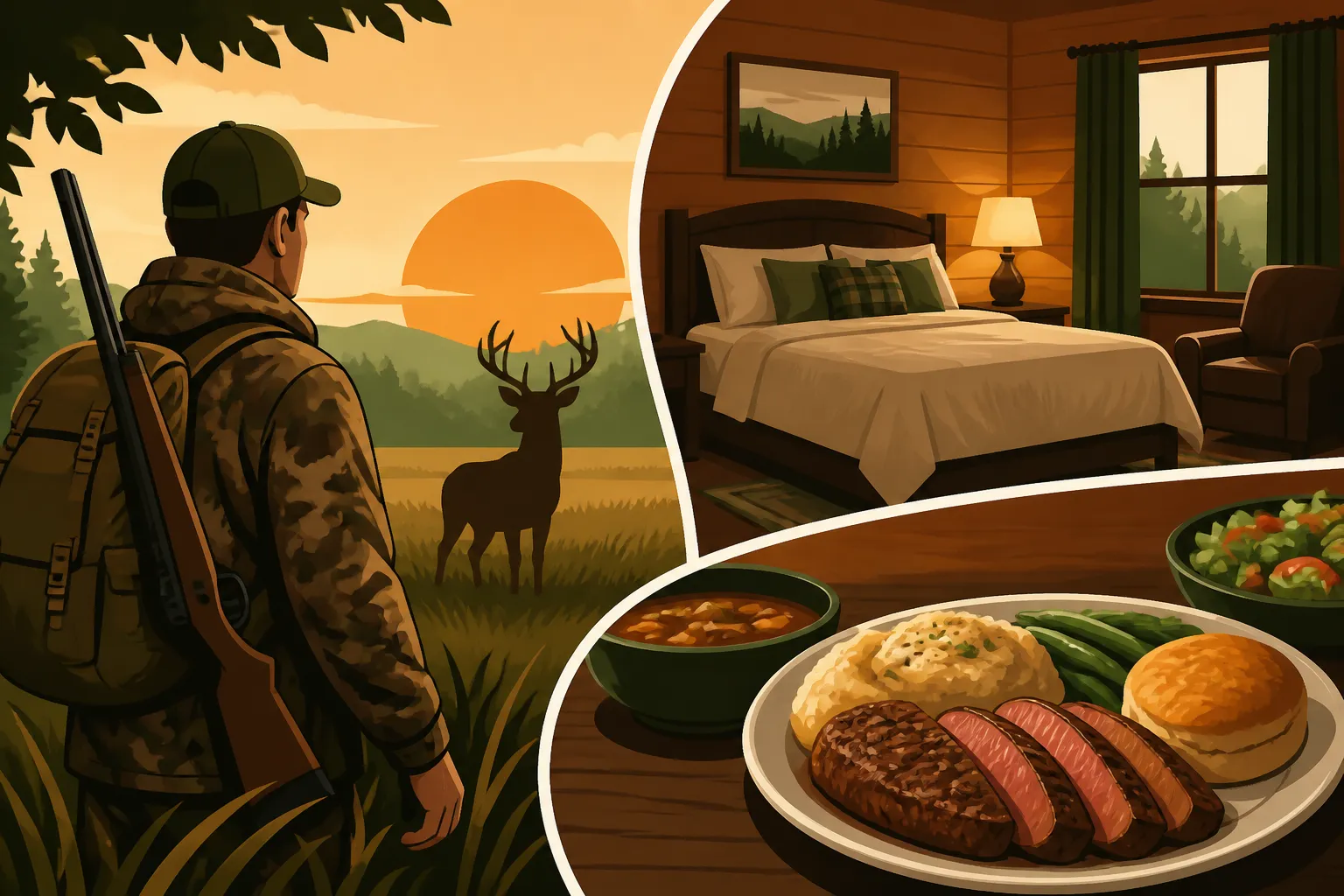
For most guided hunts in Alabama, you can expect accommodations that are clean, comfortable, and functional, even if they aren't five-star luxury. A standard lodge typically provides private or semi-private rooms, often with two beds per room (think twin or bunk beds). Shared bathrooms are common in more rustic settings, though many modern lodges now offer private or jack-and-jill style bathrooms for guest convenience. You should anticipate basic linens, towels, and a warm place to sleep after a long day afield.
Common areas are a staple of lodge life. These are spaces where hunters gather to share stories, plan for the next day's hunt, or just relax. Expect a living room with comfortable seating, maybe a television, and often a designated dining area. These spaces foster camaraderie, which for many, is a significant part of the guided hunt experience. Don't be surprised if these areas become lively hubs of conversation, especially in the evenings as everyone unwinds.
Amenities That Elevate the Stay
While comfort and functionality are standard, some lodges go above and beyond with amenities that truly enhance the hunting experience. Imagine coming in from a cold, damp morning hunt and having a dedicated mudroom with boot dryers to ensure your gear is ready for the afternoon. Or perhaps a roaring fireplace in the main lounge where you can sip coffee and plan your strategy for Hunting the Rut in the Northern Zones.
Beyond the basics, some lodges offer features like Wi-Fi (a blessing for staying connected, or even just checking the forecast), satellite TV, pool tables, or outdoor fire pits for evening gatherings under the stars. Private cabins separate from the main lodge, each with its own bathroom and perhaps a small sitting area, offer a greater sense of privacy for those who prefer it. Some even include a dedicated game room or a well-stocked bar area where you can relax with a beverage of your choice after tagging out. These extras contribute significantly to the overall comfort and enjoyment of your stay, making it more than just a place to sleep.
Culinary Experiences: Meals at Alabama Hunting Lodges
Food is more than just sustenance on a hunting trip; it's often a highlight, a bonding experience, and a much-needed refuel after hours in the field. Alabama hunting lodges are known for their hospitality, and the meals provided are a huge part of that. From hearty, traditional Southern cooking to more refined dishes, you'll find a range of culinary experiences.
Traditional Camp Fare
For many Alabama hunters, the image of a hunting camp comes with the smell of breakfast cooking before dawn and a big, satisfying dinner after dark. Traditional camp fare is often hearty, stick-to-your-ribs kind of food designed to fuel long days outdoors. Expect classic Southern staples like biscuits and gravy, eggs, bacon, and sausage for breakfast. Lunch might be a packed sandwich and snacks for the field, or a quick return to the lodge for chili, stew, or a barbecue plate.
Dinners are usually the main event, often featuring dishes like fried chicken, pot roast, grilled venison (if you're lucky and the previous hunters were successful!), mashed potatoes, green beans, and cornbread. Desserts, too, are often homemade and comforting, like pecan pie or peach cobbler. This style of cooking emphasizes comfort, generous portions, and a taste of local Alabama cuisine, perfect for unwinding and sharing stories around the table. Alabama Deer Camp Traditions are built around these kinds of meals.
Gourmet Offerings and Special Diets
While traditional camp fare is beloved, some high-end lodges, particularly those offering What a Trophy Black Belt Buck Hunt Costs or Multi-Day Duck Lodge Package Pricing, elevate their dining experience to gourmet levels. Here, you might find professional chefs preparing more sophisticated menus, incorporating wild game harvested on the property, or featuring locally sourced ingredients. Think perfectly seared duck breast, venison loin with a rich reduction, or fresh-caught Gulf seafood if the lodge is closer to the coast.
It’s always a good idea to communicate any dietary restrictions or allergies well in advance of your trip. Most reputable outfitters are happy to accommodate reasonable requests, whether you're vegetarian, gluten-free, or have specific allergies. However, providing this information during the booking process allows them ample time to plan and ensure they have the necessary ingredients on hand. Don't wait until you arrive to mention a severe peanut allergy, for example; communicate early and clearly.
Dining Schedules and Flexibility
Hunting schedules dictate a lot, and meal times are no exception. Expect early morning breakfasts, often before legal shooting light, to get you out into the woods or fields in time. Lunch can vary; some outfitters provide sack lunches to take with you, especially if hunting far from the lodge or planning an all-day sit. Others might have you return to the lodge for a warm midday meal, which can be a nice break.
Dinner is typically served after everyone has returned from the afternoon hunt, often a set time that allows for cleanup and relaxation. While most lodges operate on a fairly rigid meal schedule to ensure smooth operations, some might offer a bit more flexibility, particularly if you're on a private land hunt with fewer guests. It's always best to inquire about the typical meal schedule when you're making your booking so you know what to expect and can plan your hunting day accordingly.
Comparing Lodge Services and Costs
Choosing a guided hunt involves more than just picking a date; it means understanding the complete package. The cost of a guided hunt often reflects the quality and extent of the lodge accommodations and meal services provided. It's not just about the hunting; it's about the entire experience from start to finish.
What Influences the Price Tag
The price of a guided hunt package is a complex calculation, with lodging and meals playing a significant role. Generally, the more luxurious the accommodations and the more upscale the dining, the higher the overall cost. Think about it: a hunt where you're staying in a private room with an en-suite bathroom and eating chef-prepared meals will naturally cost more than one where you're in a shared bunkhouse with simple, home-cooked food. The remoteness of the lodge can also be a factor; building and maintaining a comfortable lodge in a truly wild area incurs different costs than one closer to a town.
Other factors include the size of the hunting property, the number of guides, the quality of hunting equipment provided, and the specific species you're pursuing. A Trophy Buck Guides in the Black Belt hunt, for instance, implies a certain level of investment in habitat management and guide expertise that often goes hand-in-hand with higher-end lodging and dining. When reviewing Average Cost of a Guided Alabama Deer Hunt, always consider what's included in terms of your stay and your plate.
All-Inclusive vs. A La Carte Options
Most guided hunt packages in Alabama are "all-inclusive" regarding accommodation and meals. This means that once you've paid your upfront fee, your lodging, all meals, and often non-alcoholic beverages are covered for the duration of your stay. This simplicity is a major draw for many hunters, as it allows them to focus solely on the hunt without worrying about additional daily expenses for food and shelter. It's a clear, straightforward approach.
However, some outfitters might offer more a la carte options, particularly for shorter trips or specific types of hunts. For example, a single-day hog hunt might include guiding services and access, but you'd be responsible for your own lodging and meals. Always confirm What's Included in an All-Inclusive Deer Package when you book. Clarify whether snacks, soft drinks, or any alcoholic beverages are part of the package, or if those are extra costs you'll need to budget for. A detailed discussion upfront prevents any unwelcome surprises when it's time to settle the bill.
The Value of Comfort Beyond the Hunt
It's easy to get caught up in the excitement of the hunt itself, but don't underestimate the value of comfortable lodging and good food. Hunting, especially in Alabama's varied terrain and weather, can be physically demanding. Having a warm, dry, and comfortable place to rest and recharge each night makes a huge difference in your energy levels and overall enjoyment. A good meal shared with fellow hunters fosters camaraderie and provides a time to debrief and share experiences.
Beyond physical comfort, a well-run lodge with excellent hospitality contributes significantly to the mental and emotional enjoyment of your trip. Knowing that details like meals and sleeping arrangements are taken care of allows you to relax and fully immerse yourself in the hunting experience. For many, a guided hunt is a vacation, a chance to escape the daily grind, and the creature comforts of a good lodge are central to that escape.
Preparing for Your Lodge Stay
You've booked your hunt, you know what to expect from the accommodations and meals – now it's time to prepare! A little foresight can go a long way in ensuring your lodge stay is as smooth and enjoyable as possible. This isn't just about packing your hunting gear, but also preparing for the downtime at the lodge.
Packing Essentials for Lodge Life
While your outfitter will provide a packing list for your hunting gear, consider what you'll need for your time off the stand or out of the duck blind. Comfortable casual clothes are a must for evenings at the lodge. Think sweatpants, t-shirts, and comfortable shoes or slippers. A good book, a tablet for movies, or even a deck of cards can be great for unwinding in the evenings. Don't forget your toiletries, any personal medications, and a phone charger.
For those who rely on technology, a portable power bank can be a lifesaver, especially if outlets are limited in older lodges or if you're spending a lot of time reviewing maps on an app like onX. Earplugs might be a good idea if you're a light sleeper and sharing a room with a snorer! Also, consider bringing a small cooler for any personal snacks or drinks that aren't provided as part of the package, or for storing game meat that you might bring back from the field before final processing.
Communication with Your Outfitter
Effective communication with your outfitter before your arrival is paramount. This isn't just about hunting details, but also about logistics for your stay. Reconfirm your arrival and departure times, and let them know if you anticipate any delays. If you have any last-minute questions about the lodge or meals, now is the time to ask. This proactive approach helps the outfitter prepare for your arrival and ensures your trip starts off on the right foot.
Don't hesitate to ask specific questions like "Will there be Wi-Fi available?" or "Is there a communal fridge for guests?" If you're a non-resident, you might also ask about specific rules regarding transporting game meat home, especially for things like Handling Venison From the CWD Management Zone. Platforms like BookYourHunt often have contact information readily available for outfitters, making it easy to reach out with any queries.
Navigating Lodge Etiquette and Group Dynamics
When you're sharing a lodge with other hunters, a little etiquette goes a long way. Be respectful of shared spaces, keep your gear tidy, and be mindful of noise, especially in the early mornings or late evenings when others might be trying to sleep. A communal lodge is a melting pot of personalities and experiences, and contributing positively to the group dynamic enhances everyone's trip.
Be open to meeting new people and sharing stories. This is often where some of the best memories are made, exchanging tips or recounting the day's events. If there's an issue, address it respectfully with your guide or the outfitter, rather than letting frustrations simmer. Remember, everyone is there to enjoy the hunt and the camaraderie. Also, don't forget about Tipping Guides and Dog Handlers at the end of your trip; it's a customary way to show appreciation for their hard work and hospitality.
Finding the Right Fit for Your Hunt
With so many options available, choosing the right Alabama outfitter and lodge can feel a bit overwhelming. It's about aligning your expectations with what the outfitter genuinely offers, ensuring your hunting vacation is everything you dreamed of.
Using Online Platforms to Research
The internet is your best friend when researching guided hunts. Websites like BookYourHunt allow you to browse numerous outfitters, often with detailed descriptions of their lodges, photo galleries of the accommodations, and sample menus. These platforms can be incredibly helpful for comparing options side-by-side, giving you a comprehensive overview of what's available in different regions of Alabama, from the fertile Black Belt to the rugged Appalachian foothills.
Don't just look at the hunting photos; pay close attention to pictures of the lodge, dining areas, and guest rooms. Do they look clean and comfortable? Do they match the description? Use these resources to create a shortlist of potential outfitters that align with your budget and preferences for comfort and cuisine. For broader research on hunting conditions in a specific area, resources like GoHunt can provide insights into terrain and game populations, which might indirectly influence the type of lodge available.
Reading Reviews and Asking Questions
Once you've found a few potential outfitters, dive into reviews from past clients. Look for comments specifically mentioning the accommodations and meals. Were they as advertised? Was the food good and plentiful? Was the lodge clean and comfortable? While individual experiences can vary, a pattern of positive or negative feedback is a strong indicator. Don't just skim the star ratings; read the actual comments for specifics.
Crucially, once you've done your research, don't hesitate to ask direct questions to the outfitter. This is especially important for aspects that aren't clearly detailed on their website or if you have specific needs. Ask about bed arrangements, bathroom facilities, meal schedules, and any dietary accommodations. Getting a clear understanding upfront can save you a lot of grief and ensure you avoid any Red Flags When Booking in Alabama. The more questions you ask, the more confident you'll be in your choice.
Considerations for Different Hunting Styles
The ideal lodge accommodation and meal plan can also depend heavily on your specific hunting style and what you prioritize. If you're planning a rigorous Run-and-Gun Turkey Tactics on Public Land or a long-distance deer hunt in a place like Bankhead National Forest, you might prioritize a hearty breakfast and dinner, and simply need a clean, comfortable place to crash at night. The luxury of the lodge might be secondary to the quality of the hunting itself.
However, if you're booking a more relaxed experience, perhaps a managed quail plantation hunt where downtime and social interaction are key, then the lodge's common areas, amenities, and gourmet meal options might become much more important. For a What an Alabama Deer Hunt Package Includes where you're expecting a full experience, the lodge is part of the overall adventure. Consider what kind of trip you're truly seeking – a hardcore hunting expedition or a more leisurely blend of hunting and relaxation – and let that guide your assessment of a lodge's offerings.
Disclaimer
This article is for general informational purposes only and does not constitute professional advice. Laws, prices and regulations vary by location and change over time. Consult a qualified professional for guidance on your specific situation.