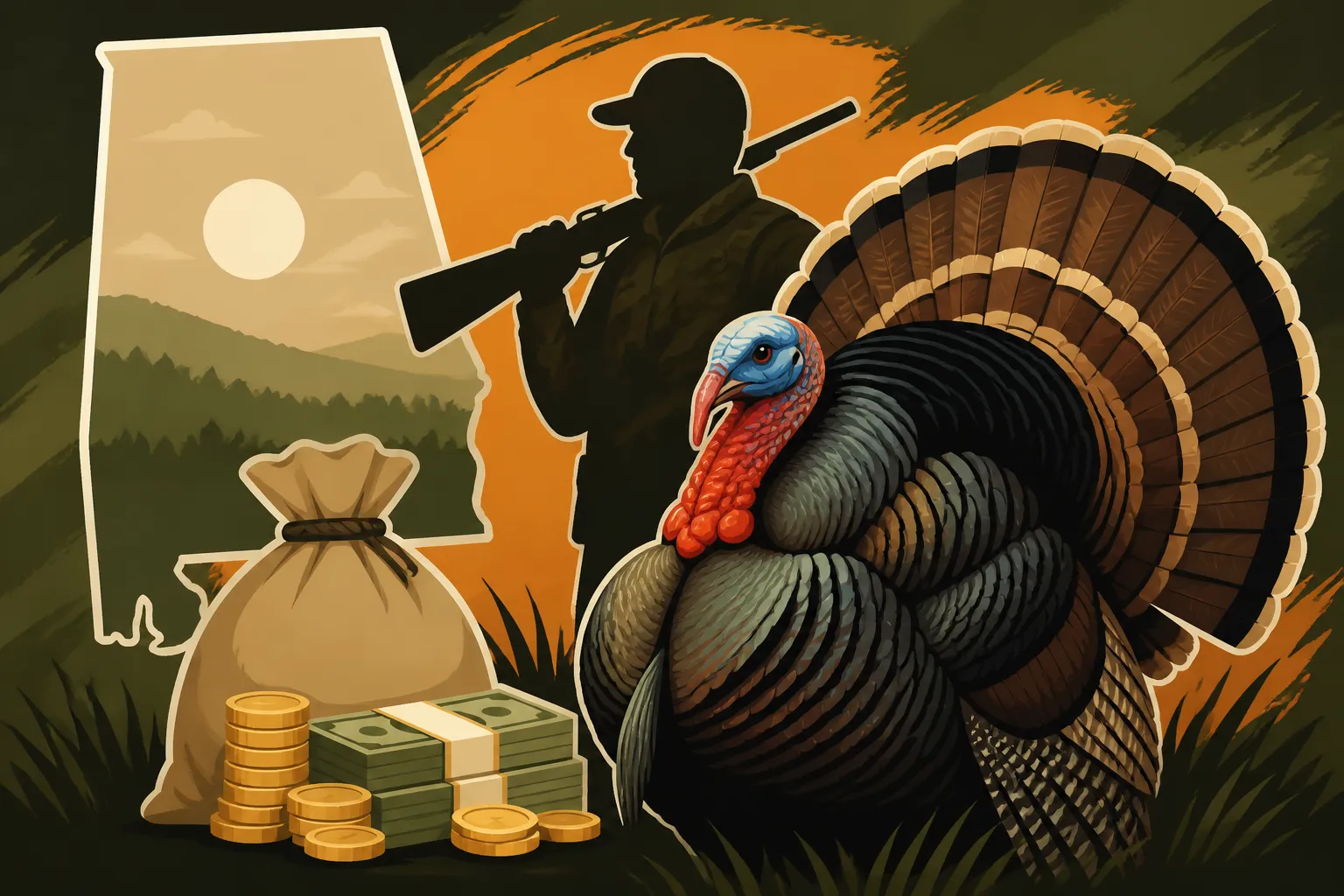
What a Guided Zone 1 Turkey Hunt Costs
It's no secret that the thrill of chasing a gobbling longbeard through the Alabama woods is an experience unlike any other. However, for many hunters, especially those new to the state or traveling in, the idea of a guided turkey hunt in our renowned Zone 1 brings up a big question mark: what exactly does it cost, and what do you get for your hard-earned money? It can feel overwhelming trying to navigate different outfitter claims and package details, but this guide is here to break down everything you need to know about guided Zone 1 turkey hunt costs so you can plan your spring adventure with confidence.
Understanding Alabama's Zone 1 Turkey Season
Before we dive into the nitty-gritty of costs, it’s crucial to understand why Alabama's Zone 1 is such a coveted destination for turkey hunters and what the season entails. Knowing the landscape and regulations will help you appreciate the value that a good guide brings to your hunt.
Key Dates and Regulations for Zone 1
Alabama's spring turkey season is a highly anticipated event, and Zone 1 often kicks things off with some of the earliest opportunities to chase gobblers. This early start, typically in mid-March, means hunters in Zone 1 might get a crack at birds that haven't been pressured as much as those in later-opening zones. But with that excitement comes a need to be absolutely dialed in on the rules. You'll need to know the specific Alabama Zone 1 Spring Turkey Opening Day and understand the bag limits, which usually allow for one gobbler per day, with a season total that allows you to pursue more than one bird over the course of the season, provided you're adhering to the Alabama Spring Turkey Bag Limit. It's not just about the dates, either; understanding legal hunting hours, equipment restrictions, and licensing requirements are all part of the puzzle. A guided hunt means your guide should be intimately familiar with all these details, taking a significant burden off your shoulders.
Beyond the actual hunting dates, remember that specific regulations apply to how you conduct your hunt. For instance, there are rules around using decoys, especially early in the season, and certainly, you'll need to have your Alabama Resident Hunting License Options or non-resident equivalent squared away. Getting your license sorted out beforehand is a must, and while a guide can't buy it for you, they can certainly remind you of the need and point you to the Outdoor Alabama website. Don't forget, if you're under a certain age or haven't taken hunter education, there are specific Alabama Hunter Education Requirements to consider as well. All these seemingly small details pile up, and part of what you're paying for in a guided trip is having someone knowledgeable about them.
Why Zone 1 is a Popular Choice for Hunters
Zone 1 covers a significant portion of northern Alabama, offering a diverse range of habitats from rolling hardwoods to pine plantations and agricultural fields. This variety contributes to generally healthy turkey populations and a reputation for producing some excellent birds. The chance to hunt these areas, often on private lands that are otherwise inaccessible, is a huge draw. Plus, the earlier season opener provides an advantage for hunters who want to get out before peak hunting pressure hits other states or even other zones in Alabama. The opportunity to Roost Hunting Alabama Gobblers at first light in prime habitat, without the worry of scouting unknown land, is a major selling point.
Many hunters dream of hearing that booming gobble reverberate through the springtime woods, and Zone 1 delivers on that promise. Outfitters who operate here often have established relationships with landowners, securing access to thousands of acres of well-managed turkey habitat. This means less competition from other hunters and more opportunities to work birds. The guides themselves are often lifelong residents who have spent countless hours patterning these birds, understanding their movements, and knowing the best spots for a morning fly-down or an afternoon strut. It’s this deep local knowledge, combined with access to top-tier land, that makes Zone 1 a highly sought-after destination for guided turkey hunts, justifying the investment for many. The sheer density of birds in some of these areas, as reflected in Alabama Turkey Population Trends, certainly adds to the appeal.
Factors Influencing Guided Turkey Hunt Costs
When you start researching guided turkey hunts in Alabama, you'll quickly notice that prices aren't one-size-fits-all. Several key factors contribute to the overall cost. Understanding these elements can help you make an informed decision and find a hunt that aligns with your budget and expectations.
Guide Experience and Reputation
Just like any profession, the experience and reputation of your turkey guide can significantly impact the price of a hunt. A seasoned guide with decades of successful hunts, a deep understanding of local turkey behavior, and a consistent track record of putting clients on birds will naturally command a higher fee. These guides often have an extensive network of private land access and a proven system for scouting and calling. You're not just paying for a day in the woods; you're paying for their hard-earned expertise, their ability to read a bird, and their skill in Calling an Alabama Gobbler Off the Roost.
On the flip side, newer guides or those looking to build their reputation might offer more competitive rates. While this can be a great way to save money, it's essential to do your due diligence. Ask for references, check reviews (sites like BookYourHunt can be useful for this, providing client feedback), and inquire about their specific experience in Zone 1. Remember, a cheaper hunt isn't always a better value if the guide lacks the skills to make your trip successful. The peace of mind that comes with a highly reputable guide, knowing they'll work tirelessly to get you an opportunity, is often worth the extra investment for many hunters.
Property Access and Quality
The quality and exclusivity of the land you'll be hunting on is another major cost driver. Outfitters who have secured leases on large tracts of private land, especially those with prime turkey habitat and minimal hunting pressure, will typically charge more. These properties are often managed specifically for wildlife, meaning better food sources, roosting areas, and less disturbance, which translates into higher odds of encountering a gobbler. Imagine having thousands of acres of pristine hardwoods and fields to yourself, as opposed to hunting a smaller, more pressured tract.
Public land, while offering great opportunities for a Run-and-Gun Turkey Tactics on Public Land approach, requires extensive scouting and often means dealing with more competition. A guide with exclusive access to private land means they've likely put significant resources into leasing or maintaining that land. They've also spent countless hours scouting it before the season, identifying key travel corridors, strut zones, and roost sites. This pre-season work and guaranteed access to quality habitat are invaluable and contribute directly to the hunt's cost. Sometimes, these lands also border larger national forests, like sections of the Talladega National Forest, offering a diverse hunting experience.
Season Timing and Demand
Just like booking a beach vacation, the time of year you want to hunt can affect the price. The opening weeks of Alabama's Zone 1 turkey season are often the most sought-after and, consequently, the most expensive. This is when birds are typically most active, vocal, and responsive to calls, making it prime time for many hunters. Demand for these early slots is high, allowing outfitters to charge premium rates. As the season progresses, and birds become more "educated" or pressured, the demand might slightly decrease, potentially leading to more flexible pricing.
If your schedule allows for flexibility, considering a hunt later in the season might offer a more budget-friendly option. However, be aware that late-season birds can be more challenging to hunt, requiring different tactics and more patience. Some hunters prefer the challenge and the potentially lower price point. When you're looking at different outfitters, pay close attention to their pricing tiers based on dates. Weekends and holidays also tend to be pricier than weekdays due to higher demand. Booking well in advance, especially for those coveted opening week slots, is almost always necessary to secure your desired dates and guide. It’s also wise to check if an outfitter offers a different rate for What a Late-Opener Zone Turkey Guide Costs if Zone 1’s peak isn’t a must-have for you.
Types of Guided Turkey Hunt Packages
Outfitters understand that hunters have different needs, budgets, and preferences. That's why you'll find a variety of package types when looking into guided turkey hunts in Alabama's Zone 1. Knowing the differences can help you choose the best fit for your spring adventure.
Day Hunts vs. Multi-Day Packages
One of the most significant distinctions you'll encounter is between day hunts and multi-day packages. A day hunt, as the name suggests, typically covers a single day of hunting. This can be a great option for local hunters, those on a tight schedule, or someone looking to test the waters with a particular outfitter without a long-term commitment. Day hunts usually offer the most straightforward pricing, focusing purely on the guide's time and access for that specific day.
Multi-day packages, on the other hand, are designed for hunters who want a more immersive experience, often spanning two to four days. These packages provide more opportunities to chase gobblers, especially if the weather changes or birds are uncooperative on a particular day. They also allow for more time to bond with your guide and truly explore the hunting area. While the upfront cost is higher, the per-day rate might sometimes be slightly lower than booking individual day hunts, offering better value for an extended stay. For many, the travel involved makes a multi-day trip more practical, ensuring sufficient time to achieve success.
Fully Inclusive Lodge Stays vs. Hunt-Only Options
This is where the amenities really start to differentiate packages. Some outfitters offer "hunt-only" options, meaning the price covers just the guiding service and access to land. You're responsible for your own lodging, meals, and any other comforts. This can be a more affordable choice if you prefer to stay in a nearby hotel, camp, or have family/friends in the area you can stay with. It allows for more flexibility and can significantly reduce the overall cost of the trip.
Then there are the fully inclusive lodge stays. These packages go beyond just the hunt, providing comfortable accommodations, delicious home-cooked meals, and sometimes even a cleaning station for your bird. Imagine coming back from a successful morning hunt to a hearty breakfast, relaxing in a lodge, and swapping stories with fellow hunters. These all-inclusive experiences offer convenience and a touch of luxury, making the trip a true vacation. Naturally, the added services and amenities of a lodge, especially one managed by a brand like BookYourHunt, will increase the overall price, but for many, the seamless experience and lack of additional planning are well worth it.
Semi-Guided Versus Fully Guided Experiences
The level of direct involvement from your guide also plays a role in pricing. A fully guided hunt means your guide is with you every step of the way, from scouting, setting up in the dark, calling the bird, to helping with recovery. They handle all the intricate details, allowing you to focus purely on the thrill of the hunt. This hands-on approach is often preferred by less experienced hunters or those who want the highest chance of success, leveraging every bit of the guide's expertise. Setting Up Against a Big Oak at 5 AM with a knowledgeable guide calling beside you is a different experience than trying to figure it out yourself.
A semi-guided hunt, conversely, offers a balance of guidance and independence. The outfitter might provide pre-scouted areas, drop you off at specific locations, or offer advice on calling tactics, but they won't be actively hunting with you throughout the day. You might be responsible for your own calling and setup. This option is generally more affordable and appeals to experienced turkey hunters who enjoy the challenge of calling their own birds but appreciate the advantage of pre-scouted private land and expert insights. It’s a middle-ground that can be excellent value for those with solid turkey hunting skills but limited access to prime ground.
What's Typically Included in the Price
When you're looking at a guided turkey hunt, the listed price can sometimes feel like a mystery. What exactly are you paying for? It's crucial to understand the standard inclusions and common exclusions so you're not hit with unexpected costs down the road.
Essential Inclusions: Guide, Scouting, Gear
At its core, a guided turkey hunt in Zone 1 will always include the services of an experienced turkey guide and access to the hunting property. This means your guide has done the legwork of securing permission to hunt, whether through leases or landowner relationships. Beyond that, the guide typically handles extensive pre-season and in-season scouting. They've spent hours out in the woods locating roost sites, identifying travel patterns, and understanding where the birds are currently active. This crucial groundwork, which saves you days of personal scouting, is a significant part of the value.
Most guided hunts also include basic gear that might be necessary for the hunt, such as ground blinds, decoys, and calls. You won't typically need to bring your own specialized calls, though many hunters prefer to use their own. The guide will have a variety of calls, from mouth diaphragms to slate and box calls, and know how to use them effectively in the varied terrain of Alabama, whether you're in open fields or thick timber. Transportation around the hunting property, often in a UTV or truck, is usually also part of the package, ensuring you get to and from your setup efficiently. This saves you from having to figure out "how to get there" on unfamiliar land.
Common Exclusions and Hidden Costs
While many things are included, it's just as important to be aware of what isn't. The most common exclusion is your Alabama hunting license and applicable stamps. You are always responsible for purchasing these yourself before your hunt begins. Similarly, transportation to and from the outfitter's location (flights, gas for driving) is almost never included. You'll also need to bring your own personal hunting gear, like your shotgun, ammunition, camouflage clothing, boots, and any personal items you need for the duration of the trip. Some outfitters might have a limited supply of loaner gear, but it's always best to be self-sufficient.
Another often overlooked "hidden" cost is gratuity for your guide. Tipping is customary in the outdoor industry and is a way to show appreciation for your guide's hard work and dedication. While not mandatory, it's an expectation, and you should factor it into your budget. The amount can vary, but a percentage of the hunt cost is a common guideline. Some outfitters might also have small fees for bird processing or packaging if they offer those services, especially if you get a bird and need it cleaned or quartered. Always clarify these potential extra costs upfront to avoid surprises.
Services That Add to the Bottom Line
Certain services, while not always standard, can be added to your package for an extra cost and will naturally increase the bottom line. For instance, some outfitters offer airport pickup and drop-off, which can be incredibly convenient for out-of-state hunters. Others might provide taxidermy services or caping and freezing your bird for transport, saving you the hassle of finding a local taxidermist or butcher. These value-added services are designed to make your trip as smooth and stress-free as possible.
If you're interested in pursuing other game species during your trip, some outfitters might offer combo hunts or the option to add on a hog hunt, for example, for an additional fee. While the focus here is turkey, remember Alabama also has a year-round Alabama Feral Hog Regulations on private land, so some outfitters might offer this as an add-on. For those looking for professional photography or videography to capture their hunt, some high-end operations might have these services available, or they can connect you with independent professionals. These extras enhance the overall experience but come with their own price tag. Always discuss what's important to you and whether these services are available and what they cost.
Questions to Ask Your Guide Before Booking
Booking a guided hunt is an investment, and like any significant investment, it pays to do your homework. Having a clear conversation with your potential guide or outfitter before committing can prevent misunderstandings and ensure you have the best possible experience.
Inquiring About Success Rates and Expectations
It’s completely reasonable, and frankly, smart, to ask about an outfitter’s success rates for turkey hunting in Zone 1. However, don't just ask for a percentage; inquire about what that number truly means. Do they define "success" as a bird killed, or simply a shot opportunity? What factors influence their success rate, and what are the typical challenges encountered during a hunt? A good outfitter will be transparent and realistic, explaining that while they work hard, hunting involves wild animals and no guarantees. They should be able to give you a clear picture of what to expect in terms of calling activity, bird numbers, and the amount of effort you'll need to put in.
Beyond success rates, ask about the typical hunting style. Will you be primarily Run-and-Gun Turkey Tactics on Public Land on private ground, or sitting in ground blinds over food plots? Understanding the methodology will help you know if it aligns with your preferred hunting style and physical capabilities. If they mention specific brands or technologies they use, like the mapping capabilities of GoHunt, it can also give you insight into their planning process and level of preparation. It’s also important to understand if they practice fair chase principles and what their ethical guidelines are.
Understanding Logistics and What to Bring
Logistics can make or break a hunting trip, so get all the details sorted out ahead of time. Ask about the closest airport if you're flying in, and whether they offer transportation from there. Clarify check-in and check-out times for lodge stays. Most importantly, get a detailed list of what you need to bring. This should cover everything from specific camouflage patterns recommended for the local terrain to boot requirements, rain gear, and personal items. Ask about firearm requirements, including minimum gauges or acceptable ammunition types if they have specific preferences.
It's also wise to discuss the daily schedule. What time does hunting typically start and end? Are there breaks for meals? What happens if you fill your tag early? What if the weather turns bad? Knowing these practicalities will help you pack appropriately and manage your expectations for the flow of the hunt. Don't be afraid to ask about specific local conditions, such as insect pressure or terrain difficulty, so you can prepare mentally and physically. For instance, hunting the rolling hills of north Alabama might be more physically demanding than sitting a field edge in the Black Belt, even though this article focuses on Zone 1.
Deposit, Payment, and Cancellation Policies
Financial transparency is paramount. Clearly understand the deposit requirements – how much is needed upfront, and is it refundable? What are the payment deadlines for the remainder of the balance? What payment methods do they accept? Some outfitters might require cash for the final payment or for guide gratuities, so it’s good to know in advance.
Crucially, review their cancellation policy. Life happens, and sometimes trips need to be postponed or canceled. What happens to your deposit if you need to reschedule? Are there any fees for cancellation? Do they offer rebooking options for future dates? Some outfitters might offer travel insurance recommendations, which can be a smart investment for a significant trip. Getting all of these financial and logistical details in writing, if possible, provides peace of mind and protects both you and the outfitter. Remember, Booking an Alabama Turkey Guide in Advance often means these policies are locked in well before your hunt.
Comparing DIY vs. Guided Turkey Hunts for Zone 1
Deciding whether to go on a guided hunt or to tackle the challenge yourself (often referred to as DIY, or "Do-It-Yourself") is a fundamental choice for any hunter. Both options have their merits and drawbacks, particularly when it comes to chasing gobblers in Alabama's Zone 1.
The DIY Appeal: Freedom and Cost Savings
For many seasoned hunters, the allure of a DIY turkey hunt is undeniable. The primary draw is often cost. By eliminating guide fees, lodging, and meal packages, you can significantly reduce the overall expense of your trip. This makes turkey hunting accessible to a wider range of budgets, allowing you to allocate funds to other necessities like gear upgrades or longer stays in the field. Beyond finances, DIY hunting offers unparalleled freedom. You get to set your own schedule, choose your own tactics, and hunt at your own pace. There's a deep satisfaction that comes from personally scouting, locating, and calling in a gobbler entirely on your own terms.
In Alabama's Zone 1, public lands like portions of the Talladega National Forest or various Wildlife Management Areas (WMAs) provide ample opportunities for DIY hunters. While these areas often experience higher hunting pressure, with diligent Scouting Alabama Public Land Before Season and a willingness to walk further off the beaten path, success is absolutely possible. You might spend more time learning the terrain and less time actually hunting, but for many, that learning process is part of the adventure. The sense of accomplishment when you outwit a wary gobbler that you've personally patterned and called in is a reward in itself, proving that the trophy isn't always the biggest, but the one earned through personal effort.
The Guided Advantage: Expertise and Access
On the flip side, a guided turkey hunt in Zone 1 offers distinct advantages that can be incredibly appealing, especially for hunters with limited time, experience, or access to private land. The biggest benefit is the guide's expertise. They live and breathe turkey hunting in their specific region, understanding the nuances of local bird behavior, call sequences, and setup strategies. This knowledge significantly shortens the learning curve and increases your chances of success. They can often tell you when Alabama Gobblers Go Quiet in May or how to adjust to changing weather patterns.
Access to prime private land is another huge draw. Many of the best turkey hunting properties in Alabama are privately owned, leased, or managed by outfitters. A guided hunt provides you with exclusive access to these less-pressured areas, which often boast higher bird densities and larger, older gobblers. This means less competition, more calling opportunities, and a more enjoyable, less stressful hunt. For out-of-state hunters, or those with limited vacation days, a guided trip maximizes your hunting time by taking care of all the planning, scouting, and logistical headaches. You just show up, ready to hunt, knowing all the groundwork has been done for you. This often leads to a more efficient and potentially more successful hunt, especially if your goal is to harvest a bird.
Deciding Which Option is Right for You
The choice between DIY and guided hunting ultimately depends on your personal circumstances, hunting goals, and experience level. If you're an experienced turkey hunter with plenty of time for scouting, a passion for self-reliance, and a desire to keep costs down, a DIY hunt on public land in Zone 1 might be a fantastic and rewarding adventure. It allows you to immerse yourself fully in the process and learn the intricacies of the local landscape. You could even use online mapping tools like those from GoHunt to aid in your scouting efforts.
However, if you're new to turkey hunting, an out-of-state hunter with limited time, or simply want to maximize your chances of success and enjoy a comfortable, stress-free experience, a guided hunt is likely the better choice. It provides invaluable expertise, guaranteed access to top-tier private land, and handles all the logistics, allowing you to focus on the pure thrill of the hunt. Consider your budget, your available time, your tolerance for uncertainty, and what you hope to gain from your Zone 1 turkey hunting experience. There's no wrong answer, just the one that fits you best.
To help you visualize some of the trade-offs, here’s a quick comparison:
| Feature | DIY Turkey Hunt (Zone 1 Public Land) | Guided Turkey Hunt (Zone 1 Private Land) |
|---|---|---|
| Cost | Lower initial cost, primarily licenses, gear, travel. | Higher initial cost, includes guide fees, access, often lodging/meals. |
| Access | Public lands (WMAs, National Forests), potentially higher pressure. | Exclusive private land access, less pressure, often better habitat. |
| Scouting | Your responsibility; requires significant time and effort. | Handled by guide; saves you time and ensures productive areas. |
| Expertise | Relies on your own knowledge and skills; learning curve can be steep. | Leverages guide's deep local knowledge, calling, and bird behavior. |
| Success Rate | Varies greatly based on individual skill, scouting, and luck. | Generally higher due to expertise, access, and focused effort. |
| Flexibility | High; set your own schedule, change plans easily. | Less flexible; adhere to outfitter's schedule and package terms. |
| Logistics | All your responsibility (lodging, meals, travel, licensing). | Often handled (or assisted) by outfitter (lodging, meals, in-field transport). |
| Experience | Rewarding sense of accomplishment, raw immersion in nature. | Stress-free, educational, focused on hunting, comfortable amenities possible. |
This article is for general informational purposes only and does not constitute professional advice. Laws, prices and regulations vary by location and change over time. Consult a qualified professional for guidance on your specific situation.