Why Oakmulgee Draws So Many Black Belt Hunters
When you’re an Alabama hunter, finding a piece of ground that consistently produces good hunting opportunities can feel like hitting the lottery. So many of us spend countless hours scouting, driving, and knocking on doors, only to come up short. That's why places like the Oakmulgee District of the Talladega National Forest hold such a special place, particularly for those of us drawn to the quality hunting often associated with Alabama's famed Black Belt region. This guide is all about peeling back the layers to understand exactly what makes Oakmulgee such a magnet for serious deer and turkey hunters.
The Allure of Oakmulgee's Unique Habitat
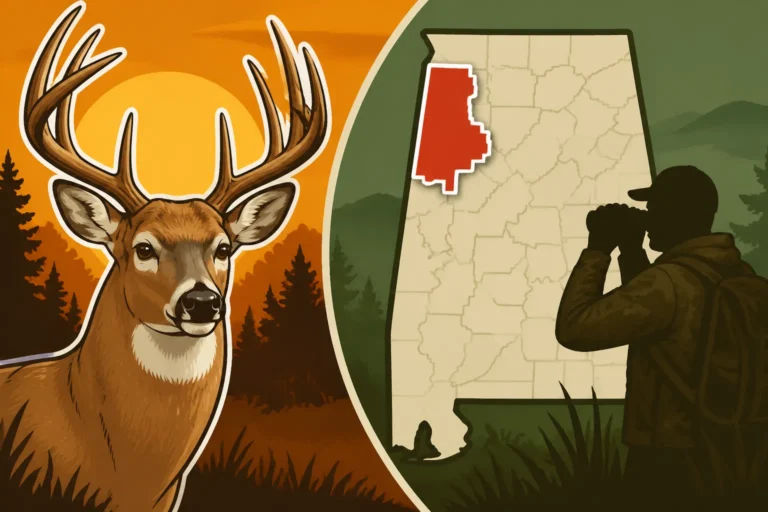
The Oakmulgee District, part of the larger Talladega National Forest, isn't just a patch of woods; it’s a distinct landscape that boasts a captivating blend of characteristics. While it sits primarily in west-central Alabama, north of the geographical "Black Belt" soil region, its reputation for quality hunting draws those who appreciate the robust deer and turkey populations often found in the fertile areas to its south. Think of it as a prime public land destination that offers a similar caliber of hunting experiences.
A Diverse Tapestry of Forests and Waterways
What truly sets Oakmulgee apart is its incredible habitat diversity. You're not just looking at endless pine plantations here. Instead, the district offers a rich mosaic of longleaf pine uplands, mixed pine-hardwood stands, and crucial bottomland hardwoods hugging its many creeks and rivers. This varied terrain provides everything a healthy deer herd and thriving turkey population need: food, water, and cover. The creeks, like the Little Cahaba River and its tributaries, carve through the landscape, creating natural travel corridors and pockets of dense vegetation that offer sanctuary for game. This natural variety is a huge draw for hunters because it means different hunting strategies can be effective throughout the season.
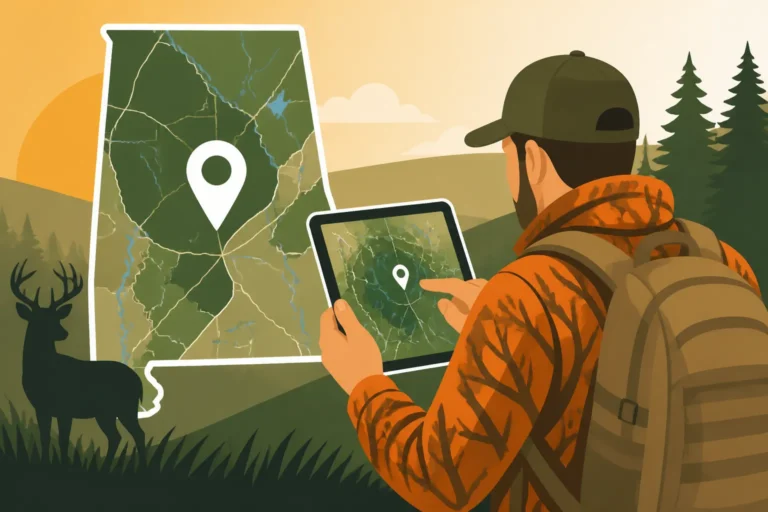
Imagine walking through those longleaf pine forests, the needles soft underfoot, knowing that bucks might be browsing on various forbs and grasses that thrive in the thinned, fire-maintained understory. Then, just a short hike away, you might drop into a steep-sided creek bottom, where mature oaks drop acorns in the fall, creating a natural magnet for deer and hogs. This ever-changing environment keeps animals moving and provides a challenge, but also a great reward for hunters who learn to read the landscape. For hunters relying on digital tools, services like onX Hunt become indispensable here, allowing you to quickly identify these transitions between pine ridges and creek bottoms, or locate those crucial property lines within the vast public land.
Managed Land, Better Hunting
Another key factor in Oakmulgee's appeal is the active management practices employed by the U.S. Forest Service. This isn't just a place where trees grow; it's a managed ecosystem. Prescribed burns are a common tool, mimicking natural fire regimes that benefit wildlife. These controlled burns clear out dense underbrush, stimulate new plant growth that deer browse on, and create open areas turkeys prefer for feeding and strutting.
The management also often includes selective timber harvests that create diverse age classes of timber. You’ll find areas of young, regenerating clear-cuts that provide dense cover and abundant forage, alongside mature timber that offers mast crops and thermal protection. This creates a patchwork quilt of habitat types, ensuring food and cover are available year-round. For hunters, this means there are always new edges and transitions to explore, new food sources emerging, and consistent opportunities if you put in the legwork to scout these changes. Understanding these management cycles can give you a real edge, allowing you to anticipate where deer might be feeding or where turkeys might be roosting.
Abundant Game and Consistent Opportunities
Hunters aren't drawn to Oakmulgee just for the pretty scenery; they're there for the game. The district consistently supports robust populations of white-tailed deer and wild turkeys, with feral hogs also being a significant presence and a year-round hunting opportunity. This consistency is what keeps hunters coming back year after year.
Whitetails: The Primary Draw
Deer hunting is undeniably the biggest draw to the Oakmulgee District. The combination of diverse habitat and active management creates an environment where deer can thrive. Hunters often report seeing healthy deer, and while it might not produce a Boone and Crockett buck every season, the chances of encountering a mature deer are significantly higher than in many other public land areas. The varying topography, from rolling hills to steep river bluffs, combined with dense thickets and mature hardwoods, provides excellent cover and feeding opportunities.
During the archery season, early success often hinges on finding those early-dropping acorns or natural browse in secluded pockets. As the season progresses into gun season, deer patterns might shift towards heavier cover or newly regenerating clear-cuts that offer both food and sanctuary. Hunting the Alabama Rut by Zone means understanding that the rut can vary, even within a specific WMA, but generally, late January to mid-February offers some of the best action. The sheer amount of ground available also allows hunters to spread out, reducing pressure in specific spots if you're willing to walk a bit further. Using tools like onX Hunt to scout remote areas and plan your entry routes can make a world of difference in avoiding crowds and finding undisturbed deer.
Turkeys and Hogs: Added Excitement
Beyond deer, Oakmulgee also holds a strong appeal for turkey hunters. The managed longleaf pine ecosystems, with their open understories, provide ideal strutting and feeding habitat for wild turkeys. Hearing a gobbler thunder across a ridge on a crisp spring morning is an experience that keeps hunters coming back. The mix of mature hardwoods for roosting and open areas for bugging provides excellent conditions for these wary birds. Spring Turkey Hunting in Alabama requires patience and strategic calling, and Oakmulgee offers plenty of challenging but rewarding opportunities.
Then there are the feral hogs. While often considered a nuisance, they provide a challenging and year-round hunting opportunity that many hunters eagerly pursue. Hogs are destructive to habitat, so their removal is encouraged, and they offer a chance to extend your hunting season. They thrive in the dense bottomlands and can be found rooting in the pine uplands. Whether you're still-hunting, setting up over bait (where permitted), or even using thermal optics at night on private land adjoining the forest, hogs add an exciting dimension to hunting in Oakmulgee. The presence of hogs means you're always on alert, and encountering a sounder can provide an adrenaline rush unlike any other.
Navigating Oakmulgee: Challenges and Tips for Success
Like any popular public hunting area, Oakmulgee comes with its own set of challenges. However, with the right approach and a bit of preparation, these challenges can be overcome, leading to some of the most rewarding hunting experiences Alabama has to offer.
Understanding Public Land Pressure
It’s no secret that public land, especially highly regarded areas like Oakmulgee, can see significant hunting pressure. Especially during opening weekends or peak rut periods, you might find more vehicles parked along forest roads than you’d prefer. This is a reality of hunting popular public ground, but it doesn't mean you can't find success. The key is to adapt your strategy.
One common tactic is to go where others won't. This often means walking further from access points or targeting areas with difficult terrain. Most hunters stick to within a quarter to half-mile of roads. Push past that, explore some of the more rugged creek drainages, or find a steep ridge, and you'll often discover pockets of undisturbed game. This is where detailed topographic maps, either paper or digital like those offered by onX Hunt or GoHunt, are invaluable. They can help you identify those less accessible areas, predict game movement, and plan strategic entry and exit routes. It also pays to scout during the off-season to learn the lay of the land without the pressure of other hunters. Scouting Alabama Public Land Before Season is not just a suggestion, it's a necessity.
| Feature / Aspect | Description | Hunting Implication |
|---|---|---|
| Diverse Habitat | Mix of longleaf pine, mixed pine-hardwood, bottomland hardwoods, creek drainages. | Provides year-round food and cover; offers varied hunting scenarios (still-hunting, stand hunting, spot-and-stalk). |
| Active Management | Prescribed burns, selective timber harvests creating varied age classes. | Creates new browse, opens up areas for turkeys, dense cover for deer; forces hunters to adapt to changing landscape. |
| Strong Deer Herd | Healthy population, consistent presence of mature deer. | High potential for success; requires persistent scouting to find travel corridors and food sources. |
| Turkey Opportunities | Open understories in pine stands, mature hardwoods for roosting. | Excellent spring gobbler hunting; knowledge of calling and roosting patterns is key. |
| Feral Hogs | Present throughout, especially in bottomlands. | Year-round hunting opportunity; adds excitement; helps manage population destructive to habitat. |
| Public Land Access | Extensive acreage within Talladega National Forest. | Free access for licensed hunters; can lead to pressure during peak times. |
| Topography | Rolling hills, steep bluffs, numerous creeks. | Offers natural funnels and bedding areas; can make travel challenging but rewarding. |
Strategic Scouting and Stand Placement
Success in Oakmulgee, like any national forest, often boils down to diligent scouting and smart stand placement. Don't just show up on opening day hoping for the best. Spend time before the season, or even during early archery season, to identify key areas. Look for natural funnels created by topography or changes in vegetation. Hanging a Stand on a Talladega Ridge or identifying pinch points along creek bottoms can be incredibly effective.
Food sources will dictate deer movement. In the early season, this might be specific mast crops like white oak acorns. Later in the season, after the primary acorn drop, deer will switch to browse or other natural food sources. Pay attention to fresh tracks, rubs, and scrapes, and use trail cameras (where permitted) to monitor activity. The vastness of Oakmulgee can be daunting, but with detailed mapping software, you can break it down into manageable sections, focusing your efforts on areas with the most promising sign. Don't be afraid to move your stand if the deer aren't using the area as expected; adaptability is a public land hunter's best friend.
Planning for the Long Haul
Hunting in Oakmulgee often means covering a lot of ground and being prepared for a full day, or even multiple days, in the field. This isn't always a quick morning hunt. Pack plenty of water, snacks, and emergency supplies. Be mindful of severe weather, which can roll through quickly in Alabama. Have a plan for extracting game, especially if you're deep in the woods or in rugged terrain. A good game cart or a hunting buddy can be invaluable. Always let someone know where you're going and when you expect to be back, especially if you're venturing into more remote sections.
Ultimately, Oakmulgee’s enduring popularity among "Black Belt hunters" and others comes down to its undeniable quality. It offers a challenging, yet highly rewarding, public land hunting experience that embodies the spirit of hunting in Alabama. It might require more effort than a private lease, but the satisfaction of finding success in such a wild and beautiful place is hard to beat.
Disclaimer
This article is for general informational purposes only and does not constitute professional advice. Laws, prices and regulations vary by location and change over time. Consult a qualified professional for guidance on your specific situation.