Alabama Deer Antler Restrictions Debate
Oh, the age-old debate about deer antler restrictions in Alabama! It's one of those topics that can really stir the pot at hunting camp, sparking passionate discussions around the fire. Many of us have felt the frustration of trying to understand exactly what antler restrictions mean for our local hunting grounds, or wondered if they truly achieve what they set out to do. This guide is going to dig deep into the discussion, exploring the nuances of antler point restrictions (APRs), the goals behind them, and the very real impact they have on hunters and our deer herd here in the Heart of Dixie.
The Core of the Debate: Why Antler Restrictions?
Let's be honest, for decades, many of us grew up with the simple adage: if it's brown, it's down. The focus was often on filling the freezer, and while that's still a huge part of why we hunt, the conversation around deer management has evolved. Antler restrictions, or antler point restrictions (APRs), are a prime example of this evolution. They're designed to influence the age structure of the buck population, aiming for a healthier herd and, for some, a better chance at harvesting a mature animal.
Biological Goals Behind the Rules
At its heart, the idea behind antler restrictions is rooted in wildlife biology. The thinking goes that if hunters are required to pass on younger bucks with fewer antler points, these bucks will have a chance to grow older. As bucks mature, they typically grow larger antlers, not just in terms of points, but also in mass and spread. This shift in the age structure is believed to lead to several positive outcomes. Firstly, it allows more bucks to reach their physical prime, contributing to a more natural breeding cycle. When younger bucks are harvested disproportionately, it can create an imbalance where many does are bred by yearling bucks, which can affect fawn vigor and overall herd health. Secondly, by increasing the number of older, more dominant bucks, there's a theory that the rutting activity can become more intense and spread out, as these mature deer compete for breeding opportunities. The hope is to foster a more balanced Alabama Deer Population Estimate and improve the overall Alabama Buck Age Structure. It's about letting those young bucks walk so they can mature into the magnificent animals we all admire.
Hunter Perception and Frustrations
Now, while the biological goals might sound great on paper, the reality on the ground for hunters can be a mixed bag, to say the least. Many hunters express frustration with antler restrictions, often feeling that they complicate what should be a straightforward hunting experience. There's the fear of making a mistake, especially in low light conditions, and accidentally harvesting a deer that doesn't meet the antler requirements. Imagine spending hours on a stand, finally seeing a buck, only to have to make a split-second judgment call on antler points while your heart is pounding. That's a real pressure many hunters feel. Some also argue that these rules primarily benefit trophy hunters, potentially reducing opportunities for those who simply want to put meat on the table. For folks who rely on venison to feed their families, passing up a legal-sized deer, even if it's a young one, can feel counterintuitive to the very purpose of their hunt. The complexities of Alabama Deer Season Structure Explained are already enough to navigate, and antler restrictions can add another layer of challenge.
Alabama's Approach to Antler Restrictions
Alabama's deer management strategy is dynamic, and antler restrictions have been part of that conversation for a while, though not uniformly across the state. It's not a one-size-fits-all situation, and understanding the specific rules for your hunting area is absolutely crucial. The state tries to balance regional deer populations, habitat quality, and hunter preferences when implementing any management tools, including antler restrictions.
Zone-Specific Rules and Exceptions
Alabama is divided into several deer management zones, and within these Alabama's Five Deer Zones, you'll find variations in how antler restrictions are applied, if at all. For instance, you might encounter a "four points on one side" rule in certain areas. This means a buck must have at least four points, one inch or longer, on one antler to be considered legal. This is designed to ensure that only bucks that are at least 2.5 years old, and often older, are harvested. However, there are often exceptions or specific conditions to these rules. A notable example is The Four-Point Rule Exception in Barbour County, where local management efforts led to different guidelines. These regional variations can be confusing, especially if you hunt in multiple parts of the state or if you're a new hunter. It means you can't just assume the rules from one county apply to the next, which is where careful research and using resources like the Outdoor Alabama app or a mapping tool like GoHunt become indispensable.
The Role of Voluntary Efforts and DMAP
While mandatory antler restrictions are debated, Alabama also strongly encourages voluntary management efforts, often through programs like the Deer Management Assistance Program (DMAP). DMAP allows landowners and hunting clubs to work directly with state biologists to manage their deer herds based on specific property goals and data. Instead of blanket antler restrictions, these programs focus on habitat improvements, tailored harvest quotas, and data collection. This often means that on DMAP lands, the emphasis shifts from specific antler points to harvesting based on age class and herd health, as determined by the biologist and the land manager. This approach provides flexibility and a more holistic view of deer management, empowering private landowners, who control the vast majority of Alabama's hunting land, to make informed decisions. Many hunters find this kind of site-specific management more appealing, as it takes into account the unique conditions of their property rather than a broad statewide mandate.
Pros and Cons: A Look at Both Sides of the Coin
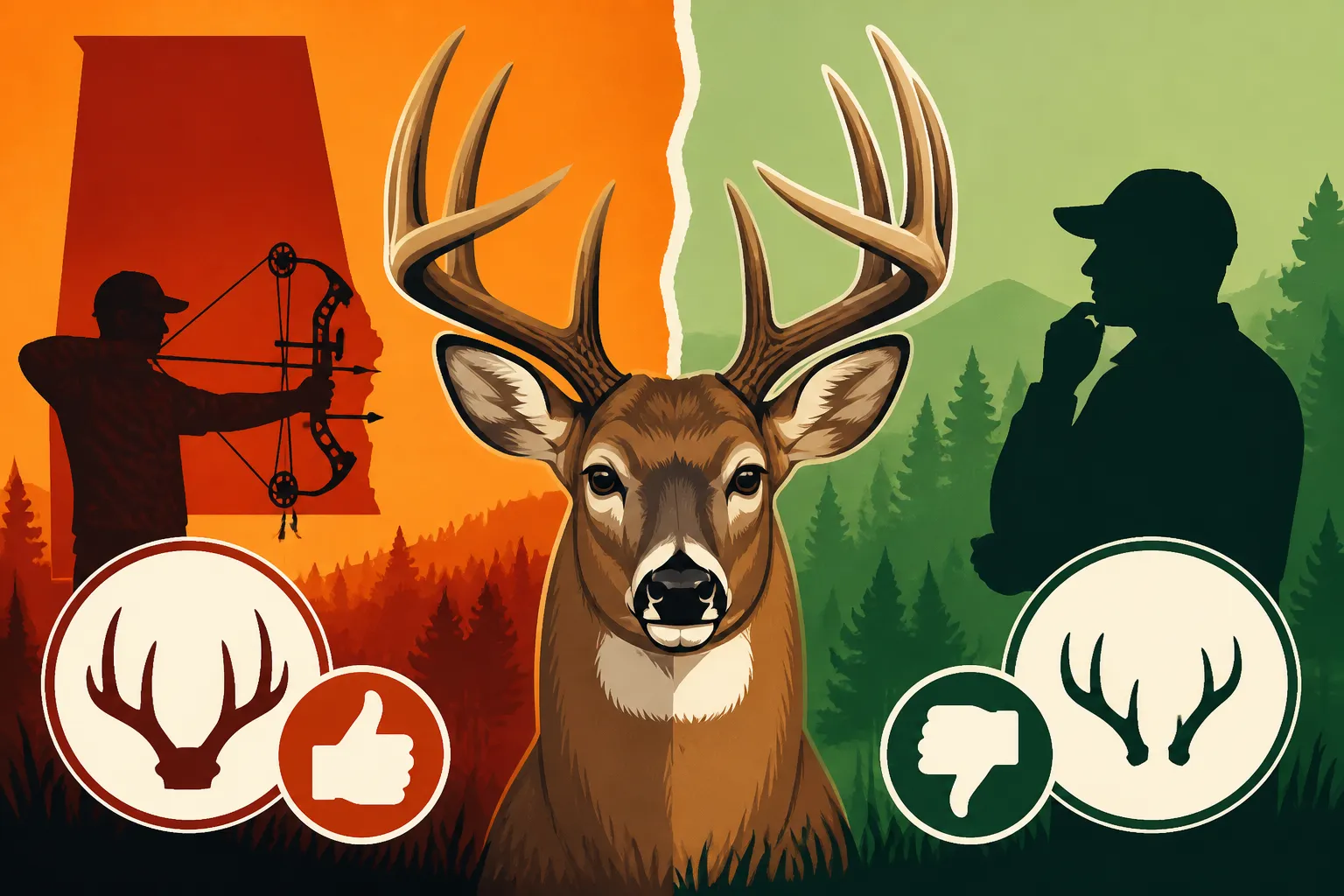
The debate around antler restrictions isn't just about biological theory; it's about real-world impacts on hunters, deer populations, and the overall hunting culture. There are valid arguments on both sides, and understanding them helps in appreciating why this discussion continues to be so passionate.
Arguments For Antler Restrictions
Supporters of antler restrictions often point to several key benefits they believe these rules bring to the deer herd and the hunting experience. Firstly, the primary biological goal is often achieved: an improvement in the buck age structure. By requiring hunters to pass on younger, smaller-racked bucks, more males get to survive past their first year or two, allowing them to mature. This can lead to a more balanced sex ratio, better rutting activity, and potentially larger-bodied, healthier deer. Secondly, many hunters appreciate the increased odds of encountering a truly mature buck. It's exciting to see those older, wiser deer on camera or from the stand, and some believe APRs contribute to a higher quality of hunting by increasing the likelihood of seeing such animals. For hunters specifically looking for a "trophy" animal, or simply an older, more challenging quarry, these regulations can be seen as a direct path to achieving that goal. Some argue it creates a more ethical approach, where hunters are more selective. Furthermore, the data collected from areas with antler restrictions can provide valuable insights into deer population dynamics and health, which helps wildlife agencies like the Alabama Department of Conservation and Natural Resources (ADCNR) make better management decisions for the entire state. The idea is to cultivate a deer herd that is both robust and yields impressive animals, contributing to Alabama Deer Harvest Records that reflect careful management.
Arguments Against Antler Restrictions
On the flip side, there are equally strong arguments against widespread antler restrictions, primarily voiced by hunters who feel these rules impose unnecessary burdens or have unintended negative consequences. One of the most common complaints is the potential for reduced hunting opportunities. If hunters are forced to pass on a significant number of bucks that would otherwise be legal, it can lead to fewer successful hunts, particularly for new hunters, youth hunters, or those who simply want to harvest a deer for meat. This can be especially disheartening when prime opportunities arise, but the antlers just don't quite make the cut. Another major concern is the difficulty in field judging. In thick timber, at dawn or dusk, or when a buck is moving quickly, accurately counting antler points or assessing their length can be incredibly challenging. This can lead to hunters either passing on a perfectly legal deer out of fear of misjudgment or, worse, accidentally harvesting an illegal deer, resulting in penalties. Many hunters also argue that antler restrictions can shift the harvest pressure onto does, as hunters prioritize their antlerless tags to avoid the buck restrictions. While doe harvest is crucial for population control, an imbalanced focus could create other issues. Lastly, some feel that these rules dictate too much of the hunting experience, taking away the individual hunter's choice and connection to the land and the animals they pursue. They believe that responsible harvesting decisions should be left to individual hunters, supported by general bag limits, rather than strict antler criteria. This perspective often aligns with the view that hunting is about much more than just antler size.
| Argument Category | Pros of Antler Restrictions | Cons of Antler Restrictions |
|---|---|---|
| Herd Health | Improves buck age structure | May shift pressure to does |
| More balanced sex ratio | Can lead to imbalanced doe harvest | |
| Better breeding dynamics | Focuses solely on antlers, not overall health | |
| Hunting Experience | Higher chance of seeing mature bucks | Reduced harvest opportunities for some hunters |
| Encourages selective hunting | Field judging in challenging conditions is hard | |
| Potential for larger antlers | Frustration and fear of accidental violations | |
| Management | Data informs population trends | May not fit all local conditions |
| Supports long-term quality | Can be seen as overly prescriptive |
Navigating the Rules and Making Informed Decisions
Whether you're a proponent of antler restrictions or you find them frustrating, the reality is that they are a part of deer management in many areas, including parts of Alabama. As responsible hunters, our job is to understand the rules that apply to our specific hunting grounds and make informed decisions that align with ethical hunting practices and conservation goals.
Staying Informed with Current Regulations
The most critical step for any hunter in Alabama is to stay absolutely up-to-date on the current deer hunting regulations. These rules, especially those pertaining to antler restrictions, can change from year to year, or even vary within different zones or WMAs. Don't rely on what you heard at deer camp last year or what worked in a different state. Always consult the official Alabama Department of Conservation and Natural Resources (ADCNR) regulations. Their website, Outdoor Alabama, is a fantastic resource, and they publish a yearly hunting and fishing digest that outlines all the rules. It's also incredibly helpful to utilize modern mapping and regulation tools. Platforms like GoHunt often integrate state-specific regulations directly into their maps, helping you visualize property boundaries and understand rules for specific areas, which is invaluable when you're planning a hunt on unfamiliar public land or a new lease. Being caught off guard by a regulation you weren't aware of is a situation no one wants to be in. Familiarize yourself with the Alabama Hunter Education Requirements and ensure you're always acting within the law.
Advocating for Change (or Support)
If you have strong feelings about antler restrictions, whether you support them or believe they need to be reconsidered, there are avenues for your voice to be heard. Wildlife management is a dynamic field, and hunter input is a valuable component. Attend public meetings hosted by the ADCNR or your local wildlife agency. Engage with conservation organizations like the Alabama Wildlife Federation or the Quality Deer Management Association (now part of the National Deer Association), which often lead discussions and advocate for various management strategies. You can also write letters or emails to your state representatives or to the ADCNR. Providing constructive feedback, backed by your experiences and observations, can contribute to the ongoing dialogue about how best to manage Alabama's deer herd for future generations. Remember, the goal is always to find the best balance for the deer, the habitat, and the hunting community. Understanding topics like Alabama Deer Antler Growth Timeline can also help you frame your perspective when discussing management strategies. When using resources like GoHunt, you might even find community forums or discussions where other hunters are sharing their thoughts on these very topics, offering another way to engage with the broader hunting community.
Disclaimer
This article is for general informational purposes only and does not constitute professional advice. Laws, prices and regulations vary by location and change over time. Consult a qualified professional for guidance on your specific situation.