Alabama Wildlife Disease Monitoring
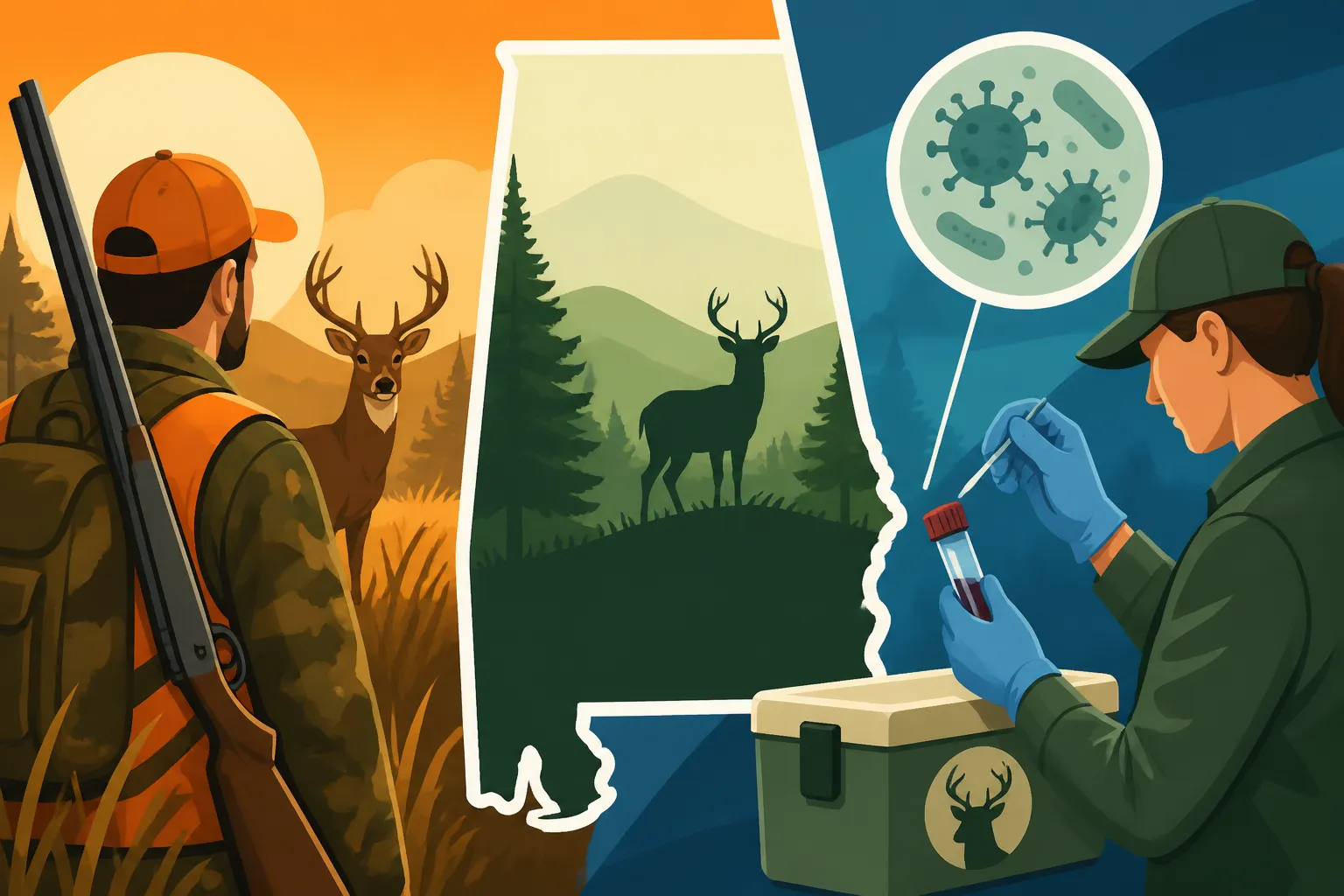
It’s a natural worry for any hunter in Alabama: seeing a deer that just doesn't look right, or finding an animal that’s died under mysterious circumstances. These sights can be unsettling, sparking concerns about the health of our deer herds and other wildlife, and whether something widespread is affecting the animals we love to pursue. This guide aims to pull back the curtain on Alabama’s wildlife disease monitoring efforts, explaining what diseases are on their radar, how they track them, and most importantly, how we as hunters can play a crucial role in keeping our state's wild populations healthy.
Understanding Wildlife Disease Monitoring in Alabama
The health of Alabama's wildlife is a cornerstone of our rich hunting heritage. When disease impacts a population, it doesn't just affect individual animals; it can ripple through an entire ecosystem, impacting everything from population numbers to hunting seasons and even the traditions we pass down through generations. That's why understanding how wildlife diseases are monitored is so vital for every sportsman and outdoors enthusiast.
Why Wildlife Health Matters for Hunters
Think about it: a healthy deer herd means robust fawns, strong bucks, and plenty of opportunities to fill your freezer or chase that trophy of a lifetime. Conversely, a sick herd can lead to reduced numbers, poor antler development, and a general decline in the quality of the hunting experience. Beyond the hunt itself, there's an ethical responsibility to ensure the animals we pursue are thriving. No one wants to see suffering in the woods. When widespread diseases, like the ever-present threat of Chronic Wasting Disease (CWD), emerge, they can cast a shadow of uncertainty over entire regions, making hunters question the safety of venison or the long-term viability of their favorite hunting grounds. It's a heavy thought, and it's why monitoring is so critical.
Who is Responsible for Monitoring Efforts
In Alabama, the primary responsibility for wildlife disease monitoring falls squarely on the Alabama Department of Conservation and Natural Resources (ADCNR), specifically through its Wildlife and Freshwater Fisheries Division. But they don't operate in a vacuum. This vital work is a collaborative effort, often involving state veterinarians, university researchers from institutions like Auburn, and even federal agencies. These partnerships bring a wealth of scientific expertise, laboratory resources, and manpower to the table, creating a robust network designed to detect, track, and manage wildlife diseases. It's truly a team effort, and we, as hunters, are a vital part of that team, serving as the eyes and ears on the ground.
The Proactive Approach to Disease Surveillance
Disease monitoring isn't just about reacting when a problem crops up; it's about being proactive. Alabama employs various surveillance methods to catch potential issues early. This includes things like routine sampling of harvested deer during hunting season for diseases such as CWD, examining carcasses found dead in the wild, and even monitoring general animal health observations reported by the public. Think of it like a public health system for animals, working constantly in the background to ensure everything is running smoothly. This forward-thinking strategy helps biologists understand disease prevalence, identify new threats, and implement management strategies before problems escalate. They are constantly looking for patterns, whether it's unusual behavior, unexplained deaths, or new symptoms popping up in a region. This isn't just a seasonal effort; it’s a year-round commitment to protecting our state’s wildlife resources.
Key Diseases Monitored and Their Impact
Alabama's wildlife health professionals keep a watchful eye on several diseases that can impact our game animals. While some are relatively common and cyclical, others represent significant threats that require ongoing vigilance and management. Understanding these specific diseases helps us, as hunters, appreciate the effort involved and how our actions contribute to the bigger picture.
Chronic Wasting Disease (CWD) in Alabama
Without a doubt, CWD is at the forefront of everyone’s mind when we talk about deer diseases. It’s a neurological disease that affects deer, elk, and moose, and it’s always fatal. The terrifying part about CWD is that it's a prion disease, meaning it’s incredibly persistent in the environment and can spread directly from animal to animal or indirectly through contaminated soil. When CWD was first detected in Alabama, it was a game-changer for deer management.
The state acted swiftly, establishing Alabama's Chronic Wasting Disease Management Zone in response. This zone encompasses specific counties where the disease has been detected or where there's a heightened risk. Within these areas, regulations often change significantly. For instance, there are typically mandatory testing weekends where hunters must bring their harvested deer to a sampling station. This data collection is absolutely crucial for understanding the disease's prevalence and spread. Furthermore, strict Moving a Deer Carcass Out of the CMZ rules are often in place to prevent hunters from inadvertently spreading the disease by transporting high-risk parts like brains and spinal cords out of the affected areas. Every piece of information helps, and detailed records, perhaps even those you keep through hunting apps like GoHunt, can give you personal insights into what you're seeing in your specific hunting areas. Knowing How Many Deer Have Tested CWD-Positive Since 2022 is an ongoing effort that the ADCNR constantly updates, providing transparency to hunters.
Epizootic Hemorrhagic Disease (EHD)
While CWD is a slow-burning, long-term threat, Epizootic Hemorrhagic Disease (EHD) is a fast-acting killer that can cause localized, but sometimes severe, deer die-offs. EHD is a viral disease transmitted by biting midges, often called "no-see-ums." You'll typically see outbreaks in late summer and early fall, particularly after dry spells followed by rain. The symptoms are stark: deer become lethargic, develop swelling of the head, neck, and tongue, and often seek water to cool their fever, sometimes dying near ponds or streams.
Unlike CWD, EHD doesn't appear to be uniformly fatal to all deer. Some deer may develop antibodies and survive, making it a cyclical disease. However, significant die-offs, such as EHD Die-Offs in Alabama Deer, can occur in localized areas, causing temporary dips in deer populations. Hunters often encounter carcasses that are victims of EHD, and it’s important to understand that while it can be alarming, it's a naturally occurring disease that deer populations often recover from over time, given good habitat and favorable conditions.
Other Noteworthy Wildlife Diseases
Beyond the primary concerns of CWD and EHD, state wildlife biologists also monitor a host of other diseases and health issues that can affect Alabama’s diverse wildlife.
- Mange in Coyotes and Foxes: You might occasionally see a coyote or fox looking scruffy, with significant hair loss, sometimes even open sores. This is often due to mange, a parasitic skin infection caused by mites. While it’s not a direct threat to deer or humans, it can be debilitating for the affected canids and Mange in Alabama Coyotes and Foxes is part of the broader monitoring of furbearer health.
- Rabies: Though less common in game animals, rabies is a significant public health concern. It's a viral disease that affects the nervous system and is almost always fatal once symptoms appear. Wildlife officials monitor for rabies in furbearers like raccoons, foxes, and skunks, and any animal exhibiting abnormal behavior should be reported immediately.
- Avian Influenza: For bird hunters, avian influenza can be a concern, especially for waterfowl. While generally low risk to humans, outbreaks in bird populations can lead to large-scale mortality. Wildlife agencies monitor for significant die-offs in waterfowl and other bird species.
- Other Issues: Less common but still monitored are various bacterial infections, parasites, and even environmental toxins that can impact wildlife health. The constant surveillance ensures that new and emerging threats are identified promptly, allowing for appropriate responses.
How Hunters Can Help in Disease Surveillance
As boots on the ground, Alabama hunters are absolutely invaluable in the state’s wildlife disease monitoring efforts. You spend countless hours in the woods, observing animals more closely than almost anyone else. Your keen eye and willingness to report unusual findings can make all the difference in detecting and managing disease outbreaks.
Reporting a Sick or Dead Animal
Seeing a sick animal can be unsettling, but your immediate action can provide crucial information to wildlife biologists. If you encounter an animal that appears sick, lethargic, disoriented, or exhibiting any other unusual behavior, or if you find a carcass with no obvious cause of death, it's incredibly important to report it. Don't handle the animal yourself unless absolutely necessary and with proper precautions. Instead, make note of the exact location (GPS coordinates are best!), the date, the species, and a detailed description of the symptoms or condition of the animal.
Then, contact the ADCNR's Wildlife and Freshwater Fisheries Division. They have specific procedures in place for Reporting a Sick Animal in Alabama. Often, a local conservation enforcement officer or biologist will follow up. Your report could be the first indication of a new disease presence in an area, or help confirm an existing one, contributing directly to the health of the deer herd and other species.
Participating in Sample Collection Programs
Beyond reporting, active participation in sample collection is perhaps the most direct way hunters contribute. For CWD, this is particularly critical. During designated mandatory sampling periods or at voluntary CWD sampling stations, hunters are asked to present their harvested deer for tissue collection. These samples (typically lymph nodes from the head) are then sent to a lab for testing. This process allows biologists to map the spread of the disease and assess its prevalence.
The state will announce when and where these stations are available, particularly within Alabama's Chronic Wasting Disease Management Zone. It's a small but significant effort on your part that yields massive data for the state's wildlife health program. Keeping meticulous records of your harvests, perhaps utilizing digital tools like GoHunt to log your success and observations, can help you remember details that might become relevant if questions arise about specific harvest locations. Even outside of CWD zones, sometimes voluntary samples for other research are requested, and your cooperation is always appreciated. Hunters are truly partners in conservation when they engage in these programs.
Best Practices for Hunter Safety and Carcass Handling
When you're out in the field, especially when dealing with harvested animals or encountering sick ones, practicing good hygiene and safety is paramount, not just for you but for the broader wildlife community.
Here's a quick guide to best practices:
- Wear Gloves: Always wear rubber or latex gloves when field dressing an animal. This protects you from potential pathogens and helps prevent the spread of anything from the animal to you or vice-versa.
- Carcass Disposal: If you are in a CWD Management Zone, adhere strictly to the Moving a Deer Carcass Out of the CMZ regulations. Generally, if you're not in a CWD zone, dispose of carcass remains properly by burying them or bagging them and placing them in a landfill. Never leave high-risk parts where other deer or scavengers can access them.
- Clean Your Tools: Thoroughly clean and disinfect all knives, saws, and other equipment used for field dressing. A bleach solution or a commercial disinfectant works well.
- Process Meat Safely: Take care when butchering your animal. If you have concerns about CWD, consider getting your deer tested. For any venison, ensure it's cooked thoroughly.
- Avoid Sick Animals: Do not consume meat from any animal that appeared sick.
- Dog Safety: If you use hunting dogs, ensure they are vaccinated against rabies and other common diseases. Keep them away from carcasses of unknown cause.
By following these simple steps, you not only protect yourself and your family but also contribute to preventing the potential spread of diseases to other wildlife.
The Role of Research and Management
Wildlife disease monitoring isn't just about collecting data; it's about using that information to make informed decisions that protect and sustain Alabama's wildlife for future generations. This process is dynamic, constantly adapting to new challenges and scientific understanding.
Data Collection and Analysis for Informed Decisions
Every sample collected, every sick animal reported, every carcass examined—it all funnels into a larger database. This wealth of information is then meticulously analyzed by wildlife biologists and researchers. They look for patterns, track the geographic spread of diseases, assess prevalence rates, and identify trends. For instance, data from Reading an Alabama Harvest Report can reveal insights into the overall health and age structure of the deer herd, which indirectly relates to disease susceptibility. Platforms like GoHunt can even give individual hunters a way to track their own harvest data over years, sometimes revealing localized trends that are important to them personally, though they aren't official state data.
This rigorous data analysis allows the ADCNR to understand the true scope of a problem, such as Alabama Deer Herd Size fluctuations or localized die-offs. It helps them answer critical questions: Is a disease spreading rapidly? Is it localized to a specific region? What age classes are most affected? The answers to these questions directly inform how the state manages its wildlife and crafts its hunting regulations.
Adaptive Management Strategies and Regulations
Based on the scientific data and analysis, Alabama implements adaptive management strategies. This means that regulations and management actions are not set in stone; they can and do change to address emerging threats or new understanding of existing issues.
For example, when CWD was detected, it led to the creation of the CWD Management Zone and specific rules like Mandatory CWD Testing Weekends and changes to Alabama Deer Reporting Rules. These regulations are not arbitrary; they are carefully designed to slow the spread of the disease and protect the long-term health of the deer herd. Similarly, if an EHD outbreak is particularly severe in an area, the department might consider specific harvest recommendations or even adjust season structures if the impact is significant enough. It’s a delicate balance of science, public input, and the goal of maintaining a healthy, huntable population.
Future Challenges and Ongoing Research
The landscape of wildlife diseases is constantly evolving. New pathogens can emerge, existing ones can mutate, and environmental changes can create new pathways for disease transmission. That's why ongoing research is absolutely vital. Universities, like Auburn, and state agencies are always engaged in studies to better understand these diseases, develop new diagnostic tools, and refine management strategies.
This includes investigating questions like the long-term environmental persistence of CWD prions, developing better ways to detect diseases in live animals, and understanding how different wildlife populations respond to disease pressure. The goal is always to stay one step ahead, protecting Alabama’s natural resources and ensuring that future generations can enjoy the incredible hunting opportunities our state offers. It's a continuous battle, but with dedicated professionals and an engaged hunting community, we stand a much better chance of success.
Disclaimer
This article is for general informational purposes only and does not constitute professional advice. Laws, prices and regulations vary by location and change over time. Consult a qualified professional for guidance on your specific situation.