Alabama Duck Harvest Numbers
For many waterfowlers across Alabama, there's a constant question that echoes through their minds as duck season approaches: "How were the numbers last year? What can I expect this season?" It's a natural frustration, feeling like you're heading into the blind without a full picture, especially when you've invested time and money. This guide is here to shed some light on Alabama's duck harvest numbers, not by giving you precise figures from last year, which can be misleading and quickly out of date, but by helping you understand why these numbers matter, how they're gathered, and how you can interpret their trends to become a more informed and successful hunter.
The Importance of Understanding Alabama's Duck Harvest
When you're shivering in a flooded timber hole or huddled in a layout blind on a frigid morning, waiting for ducks to cup their wings, you want every advantage you can get. Understanding duck harvest information isn't about predicting the exact number of birds you'll shoot, but about gaining a broader perspective on the health of the waterfowl population and the factors that influence hunting success across our state. It's a piece of the puzzle, alongside local scouting and weather patterns, that can truly elevate your strategy.
Why Hunters Look at Harvest Data
Hunters often pore over harvest reports from previous seasons, and for good reason. These reports, while general, offer a snapshot of what happened in the past, suggesting patterns in migratory movements, population health, and hunter success rates. You might wonder if certain species were more prevalent in different parts of the state, or if overall success was up or down compared to historical averages. This isn't just curiosity; it's an attempt to anticipate the coming season. If there was a poor hatch year far to our north, for example, that might signal fewer young birds making the migration south. Conversely, a strong hatch could mean more birds in the overall flyway population, potentially leading to better opportunities if weather patterns align. Alabama Duck Daily Bag Limit and season dates are set based on these broader population health metrics, so understanding the underlying trends helps you grasp the bigger picture.
It's also about managing expectations. We've all had those seasons where it felt like the ducks just weren't here, or conversely, those magical years when every hunt seemed to produce. Harvest data, even in general terms, can validate those feelings and provide context. It helps us understand if a perceived "good" or "bad" season was an anomaly or part of a larger trend. For the dedicated duck hunter, knowing the pulse of the population and the success of past seasons allows for more strategic planning, from where to focus scouting efforts to when to schedule vacation days for peak migration.
The Process of Collecting Waterfowl Harvest Information
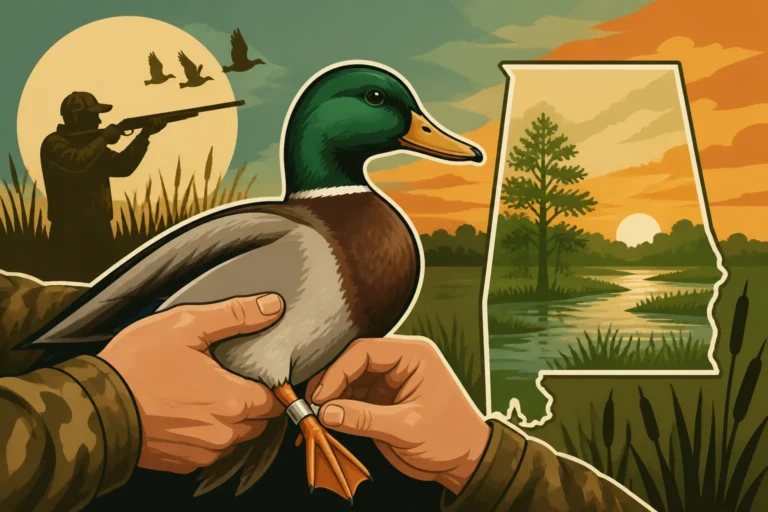
You might ask yourself, "How do they even know how many ducks were harvested?" It's a comprehensive, multi-layered effort primarily driven by state and federal wildlife agencies. In Alabama, the Department of Conservation and Natural Resources (ADCNR), in conjunction with the U.S. Fish and Wildlife Service, works to gather this crucial data. It starts with hunter participation. When you purchase your hunting license and then your federal duck stamp, you're usually asked to complete a Harvest Information Program (HIP) survey. This isn't just busywork; it's how they determine who hunted migratory birds. Alabama HIP Certification for Bird Hunters is a vital step for every waterfowl hunter.
After that, a selection of these HIP-certified hunters are asked to participate in more detailed surveys, where they voluntarily report their hunting activity, including the number of days they hunted, the species they harvested, and where they hunted. This creates a statistical sample that's extrapolated to estimate the total harvest. Additionally, biologists conduct intensive surveys, such as aerial counts of wintering waterfowl populations, to get a better handle on the overall number of birds available. This combination of hunter-reported data and scientific observation gives wildlife managers the best possible picture of both population trends and hunter success. It's a testament to the dedication of both hunters and wildlife agencies that this data, even in its general form, is continuously gathered to inform conservation efforts and season setting.
Deciphering Trends in Alabama's Duck Harvest
Understanding the general trends in Alabama's duck harvest means looking beyond a single season and considering the larger environmental and migratory forces at play. It's rarely about one silver bullet or a simple explanation; rather, it's a complex interplay of factors that influence when ducks arrive, where they settle, and how successful hunters are at finding them.
Key Factors Influencing Annual Fluctuations
Several critical elements dictate the ebb and flow of Alabama's duck harvest from one year to the next. One of the most significant is weather patterns, both in our state and far to the north. Harsh winters in the upper Midwest and Canada can push birds south earlier and in larger numbers, leading to a potentially stronger harvest in Alabama. Conversely, a mild winter up north might mean ducks linger longer, arriving in Alabama later in the season or in fewer concentrations. Local weather matters too; prolonged periods of cold temperatures can freeze shallow water, forcing ducks to concentrate in specific areas or move further south. Duck Migration Timing Through Alabama is heavily influenced by these broad weather fronts.
Habitat conditions are another huge factor. Water levels in major river systems like the Tennessee River, Mobile-Tensaw Delta, or smaller sloughs and impoundments across the Black Belt play a massive role. If water levels are low, prime feeding and resting areas might be inaccessible or simply not attractive to migrating birds. Abundant rainfall, however, can flood timber and agricultural fields, creating new havens for ducks and spreading them out, which can sometimes make them harder for hunters to pattern. The availability of natural food sources, like acorns in flooded hardwoods or waste grain in agricultural fields, also impacts where ducks choose to spend their winter in Alabama. Tools like GoHunt can offer satellite imagery and landowner information that, while not directly showing duck numbers, can help you scout potential habitat changes and identify key areas of flooded timber or available fields before you even set foot in the woods.
Species-Specific Harvest Patterns and Their Meanings
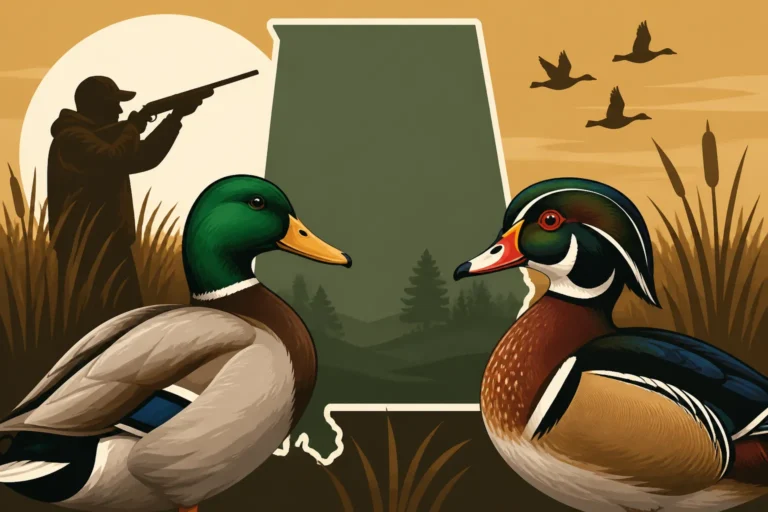
While overall duck harvest numbers give a general sense, breaking it down by species offers even more insight. Different duck species react differently to environmental cues and hunting pressure. For instance, mallards often show up in numbers when cold fronts really start pushing south, and their harvest tends to peak during the coldest parts of the season. Hunting Flooded Timber for Mallards is a classic Alabama experience, and successful mallard harvests are often tied to persistent cold weather that drives them to these specific food sources.
Wood ducks, being more resident and also migrating shorter distances, might show more consistent harvest numbers earlier in the season, particularly in the river swamps and beaver ponds they favor. Jump-Shooting Alabama Beaver Ponds for Wood Ducks is a popular tactic, and their harvest often reflects local breeding success as much as long-distance migration. Pintails and gadwalls, on the other hand, are often more sensitive to widespread drought conditions or changes in major flyway migration routes. Monitoring these species-specific trends can help you prioritize scouting efforts. If reports indicate a particularly strong year for pintails, for example, you might focus more on open water, shallow marsh habitat, or expansive agricultural fields, whereas a strong wood duck year might encourage more focus on timbered creeks and backwater sloughs.
Leveraging Harvest Insights for Successful Duck Hunting
Understanding the generalized duck harvest numbers for Alabama isn't just an academic exercise; it's a practical tool that can inform your hunting strategy and help you make more effective decisions in the field. Think of it as another layer of intelligence to add to your scouting and weather observations.
How to Interpret Data for Your Hunting Strategy
When you hear or read about general harvest trends, don't look for a precise number for your specific hunting spot. Instead, look for directional information. If the statewide harvest for a particular species, like the gadwall, was noted as being "above average" in the previous season, that suggests a healthy population and potentially more birds moving through the flyway. This doesn't guarantee a limit for you, but it should encourage you to seek out habitat that gadwalls prefer, such as shallow, open water and fields. Conversely, if a species like the wigeon showed a "below average" trend, it might mean adjusting your expectations or shifting your focus to other more numerous species.
Consider the timing, too. If historical trends suggest peak harvest for mallards typically occurs in late December and early January, you can strategically plan your hunting trips around those windows. This combined with observing current weather patterns – like a strong cold front pushing through Arkansas – can give you a powerful edge. While you can't get real-time harvest numbers, you can look at long-term patterns and apply them with current conditions. Utilize mapping applications, perhaps even advanced ones like GoHunt, to cross-reference historical waterfowl concentration areas with current water levels and available forage on public or private lands. This can help narrow down your focus and increase your odds.
Resources for Deeper Dive and Planning
For the dedicated Alabama waterfowl hunter, there are excellent resources available to help you piece together the larger picture. The Alabama Department of Conservation and Natural Resources (ADCNR) regularly publishes reports and updates on waterfowl populations and hunting seasons. While they won't give you exact "harvest numbers" for the current season in progress, they offer insights into population status, habitat conditions, and general outlooks. These are invaluable for setting your expectations and identifying potential hotspots. Alabama Waterfowl Zones and Seasons information, for instance, is always available and dictates legal hunting periods.
Beyond state agencies, national organizations like Ducks Unlimited and Delta Waterfowl provide extensive research and conservation updates that can inform your understanding of broader flyway health. These organizations track population trends, breeding success, and habitat projects that directly impact the number of birds migrating south each year. Engaging with your local ADCNR wildlife biologists or attending public meetings can also provide nuanced, hyper-local insights into conditions in specific regions, such as Hunting the Tennessee River Delta for Waterfowl or the Mobile-Tensaw Delta. Furthermore, while GoHunt is often associated with big game, its mapping and land management features can be incredibly useful for scouting duck hunting areas, identifying publicly accessible flooded timber, or understanding how adjacent private land management might impact waterfowl movements in your area. By combining all these resources, you move from just hoping for ducks to making informed, strategic decisions that can greatly improve your success.
Disclaimer
This article is for general informational purposes only and does not constitute professional advice. Laws, prices and regulations vary by location and change over time. Consult a qualified professional for guidance on your specific situation.