Alabama Boone and Crockett Whitetails
The dream of tagging an Alabama Boone and Crockett whitetail—a true giant of the woods—is a powerful one for many hunters, but let's be real, it often feels like chasing a ghost. Many of us have hunted the Red Hills, the Black Belt, or the piney woods for decades, and while we've seen plenty of deer, bucks of that caliber are a whole different beast. This guide isn't here to promise you a record breaker next season, but to honestly explore what it means to pursue such an animal in Alabama, where they might be found, and the dedication it truly takes to make that dream a reality.
Understanding Boone and Crockett in Alabama
When we talk about a "Boone and Crockett buck," we're not just talking about any big deer. We're talking about an animal that has grown antlers of truly exceptional size, symmetry, or mass, qualifying for entry into one of the most prestigious record books in North America. For many, it's the pinnacle of deer hunting achievement, a testament to a combination of genetics, nutrition, age, and often, a healthy dose of luck.
What is a Boone and Crockett Whitetail?
At its core, the Boone and Crockett Club's scoring system is designed to objectively measure the size and characteristics of a deer's antlers. It's a meticulous process that accounts for main beam length, spread, circumference, and the length of each point. What often trips people up is the distinction between "typical" and "non-typical" entries. A typical whitetail is judged on the symmetry of its rack – how closely one side mirrors the other. Any abnormal points (those not growing off the main beam in a symmetrical fashion) are considered deductions in a typical score. For a typical whitetail to make the All-Time Records, it needs a minimum of 170 inches.
Non-typical deer, on the other hand, are celebrated for their character and unique growth. Abnormal points are added to the overall score, resulting in racks that can be truly wild and impressive. While symmetry still plays a role, it's not penalized in the same way. The minimum score for a non-typical whitetail to enter the All-Time Records is a staggering 195 inches. Achieving either of these benchmarks requires a buck that has had every advantage in life – excellent genetics, abundant nutrition, and, most importantly, enough years to reach its full antler growth potential. These aren't your average 2.5-year-old basket racks; these are mature, often ancient, bucks.
Alabama's Place in the Record Books
Let's address the elephant in the room: Alabama isn't typically known as a "trophy state" in the same breath as, say, Iowa or Kansas. For years, our state has garnered a reputation for producing a high quantity of deer, offering fantastic hunting opportunities and generous bag limits across Alabama Deer Season Structure Explained. It's a place where you can often see deer every time you hunt, which is a huge draw for many of us. However, that high harvest pressure, especially on younger bucks, historically meant fewer deer reaching the age classes needed to grow truly massive racks.
Despite this, Alabama has indeed produced Boone and Crockett whitetails. They might not be as numerous as in some other states, but those big-bodied, heavy-horned deer do exist within our borders. These rare giants are often the result of very specific circumstances: properties with strict Quality Deer Management (QDM) practices, exceptional habitat, or pockets of land that simply don't experience the same hunting pressure. The possibility, however slim, of encountering such a buck is what keeps the dream alive for many Alabama hunters, reminding us that every rustle in the leaves could be the one. The key is understanding that these are exceptions, not the rule, and that pursuing them requires a strategic, long-term approach rather than just hoping to get lucky on any given hunt. You'll hear whispers of certain counties or regions, and those whispers often point to areas with unique attributes.
Where the Giants Roam: Key Regions for Big Bucks
While a Boone and Crockett buck can theoretically come from anywhere in Alabama, some areas certainly have a higher propensity for producing these monsters. It largely comes down to habitat, soil quality, and management intensity. These aren't secrets; they're well-known for a reason.
The Legendary Black Belt
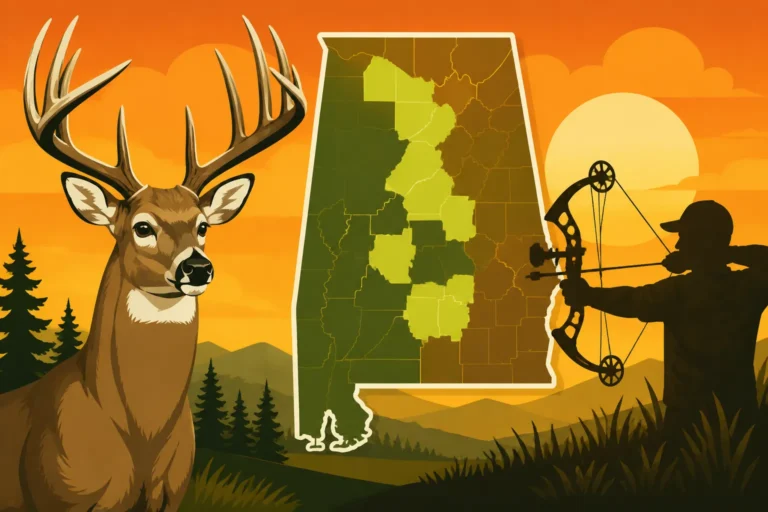
If there's one region in Alabama that consistently gets mentioned when "big bucks" come up, it's the Black Belt. Stretching across the central part of the state, this crescent-shaped band of fertile soil is legendary for its agricultural richness. Historically, this area was known for its cotton production, and today, it's still a breadbasket of row crops like corn, soybeans, and peanuts, all of which provide a superior nutritional foundation for deer. The rich, calcareous soils translate directly into healthier forage, which in turn leads to bigger-bodied deer with the minerals necessary for exceptional antler growth.
On top of the natural bounty, many properties in the Black Belt are under intense, long-term Quality Deer Management (QDM) programs. Landowners and hunting clubs in these counties understand the value of letting young bucks walk, maintaining a balanced buck-to-doe ratio, and actively managing their habitat for optimal deer health. This commitment means that bucks have the chance to reach 4.5, 5.5, or even 6.5 years of age – precisely when their antlers are at their peak. You'll often find that counties within the Black Belt, or those bordering it, are frequently cited when discussing Why the Black Belt Grows Big Bucks. Areas around Lowndes, Dallas, Wilcox, and Marengo counties, for example, are often whispered about among those serious about trophy hunting. These managed properties are doing more than just planting food plots; they're cultivating a true trophy environment.
North Alabama's Underrated Potential
While the Black Belt might be the headliner, it would be a mistake to completely overlook other parts of Alabama, especially North Alabama. Areas along the Tennessee River Valley, for instance, offer some fantastic deer habitat, particularly in counties like Lauderdale, Limestone, and Colbert. The river bottomlands are incredibly rich, providing dense cover and diverse food sources, and many of these areas are less intensively farmed than the Black Belt, leading to different challenges and opportunities. The mix of hardwoods, agriculture, and riverine habitat can provide everything a buck needs to thrive.
Furthermore, parts of the Piedmont region and the foothills of the Appalachian Mountains also hold surprising potential. While the mountainous terrain can make hunting physically demanding, it also provides pockets of less-pressured deer. Deer in these areas might not always be as massive in body as their Black Belt counterparts, but mature bucks with impressive racks can certainly be found. Public lands like the William B. Bankhead National Forest or the Talladega National Forest, while notoriously challenging due to hunting pressure, still hold surprises for the diligent hunter who is willing to put in the work. Learning to read the terrain and find those untouched pockets, understanding Reading Aerial Photos for Piedmont Deer, can sometimes pay off with a buck that's flown under the radar. These regions prove that while genetics and nutrition are key, sometimes it's the sheer will and survival instincts of a buck, coupled with remote habitat, that allow it to reach trophy status.
The Recipe for a Boone and Crockett Buck
Hunting a Boone and Crockett caliber whitetail isn't just about stumbling into a big deer; it's about understanding the intricate formula that creates such an animal. There are three primary ingredients that, when combined, can lead to that elusive record-book rack.
Age, Nutrition, and Genetics: The Big Three
Let's break down the pillars of trophy antler growth. First and foremost, age is non-negotiable. A buck simply cannot grow a Boone and Crockett rack unless it lives long enough to do so. For most whitetails, antler growth peaks between 4.5 and 6.5 years old. Before that, even bucks with excellent genetics and nutrition are still "growing up," allocating resources to body development rather than maximum antler expression. This is why disciplined harvest strategies that protect younger bucks are so crucial on properties managed for trophies. Understanding the Alabama Buck Age Structure in your hunting area is vital; if hunters are consistently harvesting 2.5 and 3.5-year-old bucks, the odds of seeing a truly mature animal plummet.
Next, nutrition plays a massive role. Antlers are bone, and bone requires specific minerals and proteins. A buck needs a consistent, high-quality diet year-round to express its full genetic potential. This means access to lush forage, healthy mast crops like acorns (unless it's Hunting After a Poor Acorn Year), and agricultural crops. In areas where natural forage is lacking or over-browsed, landowners often supplement this with managed food plots, mineral supplements, or sometimes, strategic feeding programs where legal. The better the nutrition, the healthier the deer, and the more resources it can dedicate to growing impressive antlers.
Finally, genetics provide the blueprint. While a deer needs age and nutrition to reach its potential, that potential itself is inherited. Some deer simply have the genetic makeup to grow bigger, wider, heavier racks with more points. You can't change the genetics of a wild deer herd overnight, but QDM practices over time can favor bucks with superior antler genetics. When you combine strong genetics with the opportunity to age and abundant high-quality food, that's when you start seeing truly exceptional whitetails.
Intensive Management and Patience
The pursuit of a Boone and Crockett buck almost always involves some level of intensive management and a whole lot of patience. For private land hunters, this often means implementing strict Quality Deer Management (QDM) principles. This isn't just about putting out a food plot; it's a comprehensive approach that includes:
- Passing young bucks: This is perhaps the hardest rule to follow, but it's paramount. If you want mature deer, you have to let them walk for a few years.
- Balancing the herd: Managing the doe population to ensure there's enough food for everyone and to maintain a healthy buck-to-doe ratio is critical. This often means diligently Filling Two Unantlered Tags in Zone A to help with herd control.
- Habitat improvement: Creating diverse food sources, improving bedding cover, and ensuring water access are all part of the puzzle. This could involve selective timber thinning, prescribed burns, or planting specific forage types.
- Minimizing pressure: Mature bucks become nocturnal and wary under heavy hunting pressure. Managing hunting access and creating sanctuaries where deer feel safe can be just as important as food and genetics.
This kind of management isn't a one-season affair; it's a long-term commitment, often spanning years or even decades. It requires discipline, investment, and a collective agreement among all hunters on a property to stick to the plan. Patience becomes your greatest virtue, both in managing the land and in the stand. Waiting for that truly mature animal to present a shot, especially during key periods like Hunting the Rut in the Southern Zones, can test the nerves of even the most seasoned hunter.
Strategies for Pursuing a B&C Dream Buck
So, you've got the knowledge about what makes a B&C buck and where they might be found. Now, how do you actually go about pursuing one? It's a blend of meticulous preparation, advanced scouting, and disciplined hunting.
Scouting Beyond the Ordinary
Chasing a truly exceptional buck demands a level of scouting that goes far beyond simply looking for tracks a week before opening day. You need to become intimately familiar with your hunting ground and, ideally, with individual deer. This means year-round effort.
- Trail Cameras are Your Eyes: Deploying trail cameras strategically throughout the year, especially during the off-season, can help you identify bucks that have the potential to grow into giants. You'll want to place them on scrapes, along travel corridors, and near food sources. Keep detailed records of what bucks you're seeing, when, and where. This information helps you understand patterns, home ranges, and even individual buck personalities.
- Deep Dive into Maps and Data: Modern hunting tools are invaluable. Platforms like
GoHuntoffer incredible mapping capabilities, allowing you to analyze terrain features, identify bedding areas, natural funnels, and potential stand sites from your couch. Layering satellite imagery with topo maps helps you visualize how deer might move through the landscape. Understanding these nuances is crucial for predicting where a mature buck might be. - Reading the Landscape: Beyond the digital tools, nothing replaces boots on the ground. Look for rub lines, old scrapes, and large tracks that indicate a mature buck is in the area. Pay attention to subtle changes in elevation, water sources, and cover types. This is about knowing the land so well that you can almost predict where a buck will be given certain conditions. It's also crucial for understanding Scouting Alabama Public Land Before Season to gain an edge where pressure is higher.
Precision Hunting and Opportunity
Once you've done your homework and identified a potential trophy buck, the hunt itself shifts to a game of precision and patience. These are not "spray and pray" hunts; they are calculated moves for an animal that has likely survived multiple hunting seasons.
- The Right Conditions are Everything: Don't just go hunting because you have a free Saturday. Wait for the perfect wind direction, ideal temperatures, and the opportune time within the rut. For example, knowing the peak of the rut and utilizing tactics like Rattling and Grunting in Alabama can be incredibly effective, but only if the timing and conditions are right. A mature buck will exploit any scent advantage or perceive threat.
- Stealth and Low Impact: Your entry and exit routes to and from your stand need to be meticulously planned to avoid alerting deer. Hunt smart, not just hard. Minimize your scent, control your movements, and don't over-hunt a particular spot, especially if you believe a big buck is using it. Pressure makes mature deer nocturnal, and you want them moving during legal hunting hours.
- Make the Shot Count: When the moment finally arrives, there's often only a brief window of opportunity. Practice your shooting diligently, know your weapon's limitations, and understand proper shot placement. There's immense pressure when a record-book buck steps out, but composure is key to making an ethical and effective shot.
Record Keeping and Recognition
Let's imagine the impossible happens, and you've successfully harvested that buck of a lifetime. The journey doesn't end there! There are specific steps to take if you believe your deer might qualify for the Boone and Crockett record book.
- Initial Assessment: After the recovery and field dressing, take a moment to admire the animal. Get some good photos. You'll want to rough score the antlers yourself to get an idea of its potential. Look at the main beams, the length of the points, and the mass.
- Drying Period: Before an official score can be taken, the antlers need a 60-day drying period. This allows for any shrinkage that might occur, ensuring a fair and accurate measurement. Rushing this step will only lead to a lower official score.
- Official Scoring: Contact an official Boone and Crockett measurer. You can find certified measurers through the B&C Club's website. They will meticulously measure your buck's antlers according to the official rules, ensuring every detail is accounted for. If it meets the minimums for either typical or non-typical, you'll be on your way to a potential entry into the Alabama Deer Record Book and the national records. It's a rigorous process, but the recognition of having harvested one of Alabama's truly exceptional whitetails is a reward in itself.
| Factor | Typical B&C Requirements (Whitetail) | Non-Typical B&C Requirements (Whitetail) | Contribution to Trophy Potential |
|---|---|---|---|
| Minimum Score | 170 inches | 195 inches | Threshold for All-Time Records |
| Antler Symmetry | High degree of symmetry required | Irregularities and abnormal points | Defines typical vs. non-typical |
| Age of Buck | 4.5 years + generally | 4.5 years + generally | Critical for antler development |
| Nutrition | Excellent year-round diet | Excellent year-round diet | Maximizes antler mass & points |
| Genetics | Inherited potential for large antlers | Inherited potential for large antlers | Sets the maximum ceiling |
| Pressure | Low hunting pressure | Low hunting pressure | Allows bucks to reach maturity |
The pursuit of an Alabama Boone and Crockett whitetail is a challenging but immensely rewarding endeavor. It's not just about the score; it's about the journey, the dedication, and the respect for the animal and the land. Whether you hunt public land in one of Alabama's Five Deer Zones or a meticulously managed private lease, the principles remain the same: understand your quarry, put in the work, and appreciate every moment you spend in Alabama's wild places.
Disclaimer
This article is for general informational purposes only and does not constitute professional advice. Laws, prices and regulations vary by location and change over time. Consult a qualified professional for guidance on your specific situation.