Alabama Annual Deer Harvest
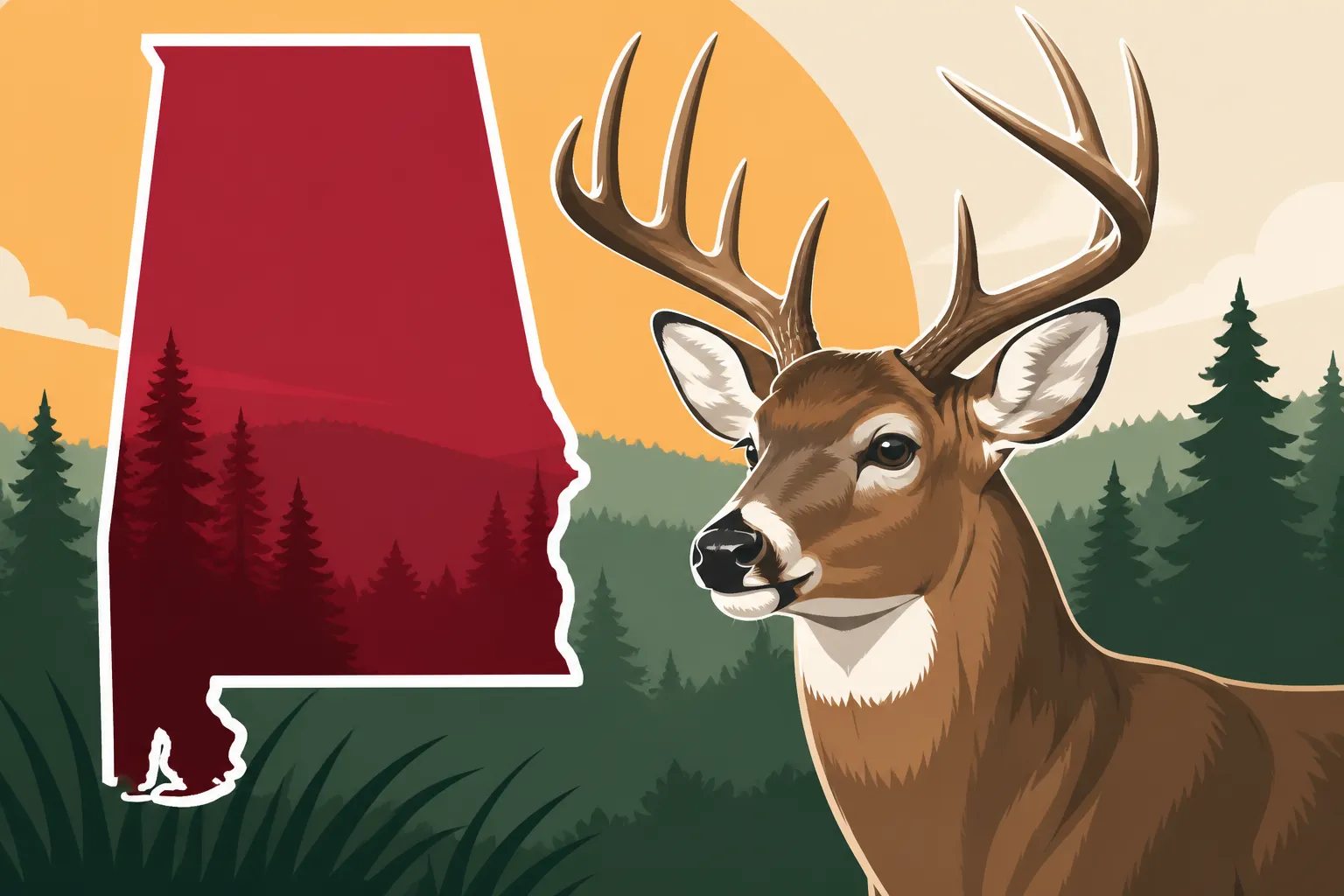
One of the most common questions and sources of fascination for deer hunters in Alabama is, "How many deer are harvested each year?" It's a question that reflects not just curiosity, but also a deeper desire to understand the health of our deer herd and the potential for a successful season. This guide will dive deep into what the annual deer harvest numbers actually mean, where they come from, and how you can interpret them to become a more informed and effective hunter in the Yellowhammer State.
Understanding Alabama's Deer Harvest Data
For hunters in Alabama, there's always a sense of anticipation each season. We spend countless hours scouting, setting stands, and dreaming of that perfect buck or a freezer full of venison. But beyond our individual experiences, there's a larger picture that tells us a lot about the state of our deer herd: the annual deer harvest data. This data isn't just a dry set of statistics; it's a living snapshot of deer populations, hunter effort, and the health of our ecosystems. It can feel overwhelming to sift through, but once you understand the basics, it becomes an invaluable tool.
The Importance of Game Check
You know that feeling after a successful hunt? The adrenaline, the satisfaction, the hard work of getting your deer out of the woods. Well, that feeling is followed by a crucial step that contributes directly to Alabama's understanding of its deer herd: Game Check. Every single deer harvested in Alabama, whether it's a mature buck or a plump doe, is required to be reported through the Alabama Deer Reporting Rules. This isn't just bureaucracy; it's the backbone of how our state wildlife agencies track the harvest.
Think about it: without every hunter taking a few minutes to log their harvest, the data would be incomplete and less useful. This system relies on our collective participation. It might seem like a small detail in the grand scheme of your hunting trip, but reporting your harvest via phone or online is absolutely vital. It allows biologists to monitor trends, assess population health, and make informed decisions about future regulations, which ultimately benefits all of us. When you use a platform like GoHunt to analyze regional success rates, remember that the data feeding those insights starts with every hunter doing their part.
Reading the Numbers: What "Annual Harvest" Truly Represents
When you see a figure for Alabama's "annual deer harvest," what exactly does that encompass? It's not just the big bucks you see plastered on social media. It includes every antlered deer, every unantlered deer, taken by every hunter across all seasons – archery, gun, and muzzleloader. This comprehensive count provides a holistic view of the overall deer take.
It's important to differentiate between total harvest and deer population. The harvest number tells us how many deer were removed from the population by hunters, not the total number of deer in the population. However, by tracking these numbers year after year, alongside other metrics like buck-to-doe ratios and antlerless harvest percentages, biologists can infer population trends. For instance, a consistent high harvest of does in certain areas might indicate a healthy, robust population that can sustain that level of harvest, or it might be a management strategy to balance the herd. Conversely, a declining harvest might signal a dip in the population due to environmental factors, disease, or even declining hunter numbers. Analyzing this requires looking at the big picture and understanding the context of the Alabama Deer Season Structure Explained.
Factors Influencing the Annual Harvest
The number of deer harvested each year isn't a static figure; it's a dynamic reflection of countless interacting elements. From the subtle shifts in weather patterns to broader ecological changes, a multitude of factors play a role in shaping how many deer end up in our freezers. Understanding these influences can help you anticipate better hunting conditions and adapt your strategies.
Weather and Habitat: Mother Nature's Role
Mother Nature is arguably the biggest influencer on the annual deer harvest. A mild winter followed by a wet spring can lead to an abundance of forage, which means healthier does, more fawns, and stronger antler growth. Conversely, a prolonged drought can stress the herd, leading to lower fawn survival rates and potentially smaller antler development. Acorn crops are another huge factor in Alabama. A bumper acorn crop might mean deer are widely dispersed, making them harder to pattern, while a poor acorn year can concentrate deer around other food sources, potentially making them more vulnerable to hunters.
Severe weather events can also have an impact. Hurricanes, severe floods, or ice storms can directly affect deer populations and their habitat, altering movement patterns and access for hunters. For example, knowing the Late-Season Food Sources for Alabama Whitetails can be critical in years where natural mast crops are scarce, guiding your hunting efforts to planted food plots or agricultural fields. The conditions on the ground truly dictate much of the deer's behavior, and subsequently, hunter success. GoHunt users often share insights into how local weather impacts their specific hunting areas, which can be invaluable when planning.
Hunter Effort and Participation: The Human Element
While deer populations are a major component, hunter behavior also profoundly shapes the harvest. Simply put, if fewer people are hunting, or if hunters aren't spending as much time in the woods, the harvest numbers can reflect that, regardless of deer abundance. Factors like gas prices, economic conditions, and even the popularity of hunting among younger generations can influence overall hunter effort.
The strategies hunters employ also matter. Are more hunters focused on trophy bucks, leading to fewer does being harvested? Are more hunters using modern scouting tools and staying out longer? The rise in popularity of platforms like GoHunt that provide satellite imagery and detailed land data means more hunters are coming to the woods better prepared, potentially increasing success rates even with similar deer numbers. The Alabama Hunter Education Requirements ensure new hunters are well-versed in safety and regulations, but the experience and dedication of the hunting community itself plays a huge role in how many deer are ultimately taken each season.
Disease and Predation: Challenges to the Herd
No discussion of deer populations and harvest numbers would be complete without acknowledging the challenges posed by disease and predation. Diseases like EHD (Epizootic Hemorrhagic Disease) can cause significant localized deer die-offs, drastically impacting harvest numbers in affected areas for a season or two. Alabama's ongoing vigilance regarding Chronic Wasting Disease (CWD) also affects how deer are managed and harvested, particularly in the Alabama's Chronic Wasting Disease Management Zone. While direct harvest might be restricted in certain ways, management efforts often involve increased sample collection which contributes to our understanding of herd health.
Predation, primarily from coyotes in Alabama, also plays a role, particularly in fawn survival. While coyotes rarely take down mature, healthy deer, their impact on the fawn crop can subtly influence the overall deer population growth and, over time, the number of deer available for harvest. It's a complex ecological balance, and these factors are constantly monitored by wildlife agencies to ensure sustainable hunting opportunities.
Regional Differences in Harvest
Alabama is a wonderfully diverse state, and what holds true for deer hunting in the Black Belt doesn't necessarily apply to the mountains of North Alabama or the pine forests of the Wiregrass region. Each area has its unique characteristics – habitat, soil quality, hunting pressure, and hunter traditions – all of which contribute to distinctly different annual deer harvest numbers and patterns.
The Black Belt's Influence: Big Deer and High Harvest
When people talk about deer hunting in Alabama, the Black Belt region often comes up first, and for good reason. This arc of highly fertile soil stretches across the central part of the state, historically named for its rich, dark topsoil. This isn't just good for agriculture; it's phenomenal for deer. The nutritious forage, combined with a tradition of quality deer management on large private tracts, leads to robust deer populations and some of the largest-bodied and biggest-antlered bucks in the state. This is why you often hear the phrase, Why the Black Belt Grows Big Bucks.
Naturally, these conditions translate into high annual deer harvest numbers for the region, both in terms of total deer and trophy-class animals. Hunters flock to the Black Belt, whether through private leases, guided hunts, or drawing coveted public land permits. GoHunt users in this region often report high success rates and a consistent presence of mature deer. The strategy here often involves managing for age structure and providing ample food, which directly impacts harvest success.
North Alabama's Dynamics: Different Landscapes, Different Results
Head north, and the landscape changes dramatically from the Black Belt. Here you find the Appalachian foothills, more rugged terrain, extensive timberlands, and national forests like the Talladega and Bankhead. Deer density might not be as universally high as in the Black Belt, but north Alabama still offers fantastic hunting, albeit with different challenges and rewards.
The harvest numbers in north Alabama reflect these differences. While still significant, they might be influenced more by public land access, hunter density, and the sheer effort required to navigate hillier terrain. Deer in these areas are often wilder, more attuned to hunting pressure, and their movements are dictated by mast crops (especially acorns) and cover. Hunters often focus on tactics like Still-Hunting Bankhead Forest Ridges or understanding When the Alabama Rut Peaks by Zone for these specific areas. The annual harvest data from these northern counties provides crucial insights into how deer thrive in these distinct environments and how hunters adapt their strategies accordingly.
Coastal Plains and Wiregrass: Unique Challenges and Opportunities
Moving south and east into the Coastal Plains and Wiregrass regions, you encounter another distinct set of conditions. Here, pine plantations dominate the landscape, interspersed with agricultural fields and river bottom swamps. The soils tend to be sandier, less fertile than the Black Belt, which can influence deer body size and antler development.
Despite these differences, these regions still contribute substantially to Alabama's annual deer harvest. Deer populations are healthy, though management might focus more on maintaining herd numbers through antlerless harvest, especially in areas with extensive pine monocultures. Hunters in these parts often adapt their strategies to target deer moving between clear-cuts and planted fields, or to those inhabiting the dense cover of swamps. Understanding Alabama's Five Deer Zones is particularly important here, as seasons can vary slightly. The harvest data from these southern and eastern counties completes the picture, showing how deer thrive and are harvested across the full spectrum of Alabama's diverse habitats.
Implications for Hunters
So, you've seen the numbers, you understand where they come from, and you know how various factors influence them. But what does all of this really mean for you as a hunter? The annual deer harvest data isn't just a report for biologists; it's a powerful tool that can inform your hunting decisions, refine your strategies, and even shape your expectations for the season ahead.
Planning Your Hunts: Using Data Wisely
For the savvy hunter, the annual deer harvest data is like a treasure map. By reviewing historical harvest trends for specific counties or even WMAs, you can identify areas that consistently produce high numbers of deer. This doesn't guarantee success, of course, but it can certainly increase your odds. If you see a county with consistently high antlerless harvests, it suggests a healthy, robust doe population that might offer more opportunities for meat hunters. Conversely, if certain regions show a consistent harvest of older-aged bucks, it might indicate areas with strong quality deer management programs.
Platforms like GoHunt provide valuable tools that allow you to overlay this kind of public data with topographic maps and satellite imagery, helping you pinpoint potential hotspots. For instance, if you're planning a trip to one of the public lands, understanding the general deer density and harvest success in that area can help you decide how long to hunt, what tactics to employ, and even where to focus your Scouting Alabama Public Land Before Season. It helps you set realistic expectations and make the most of your time in the field.
Beyond the Numbers: Ethical Considerations
While harvest numbers are important, hunting is about more than just statistics. As ethical hunters, we have a responsibility to not only respect the game we pursue but also to contribute to sound wildlife management. Understanding the annual harvest data helps us do this. For example, if you see that a particular area has had a low antlerless harvest for several years, and you know the doe population is thriving, deciding to take an unantlered deer can be a positive management action, helping to balance the herd and ensure future health. This is particularly relevant when considering your options for Filling Two Unantlered Tags in Zone A.
The data also reminds us of the power of collective action. Every time you correctly report a deer through Game Check, you're contributing to the integrity of this data. This allows wildlife managers to monitor the Alabama Deer Population Estimate and make decisions that benefit the entire deer herd and the hunting community. Ultimately, being an informed hunter means understanding the bigger picture and making choices that contribute to the long-term health of Alabama's incredible deer resource.
Disclaimer
This article is for general informational purposes only and does not constitute professional advice. Laws, prices and regulations vary by location and change over time. Consult a qualified professional for guidance on your specific situation.