Mourning Doves in Alabama
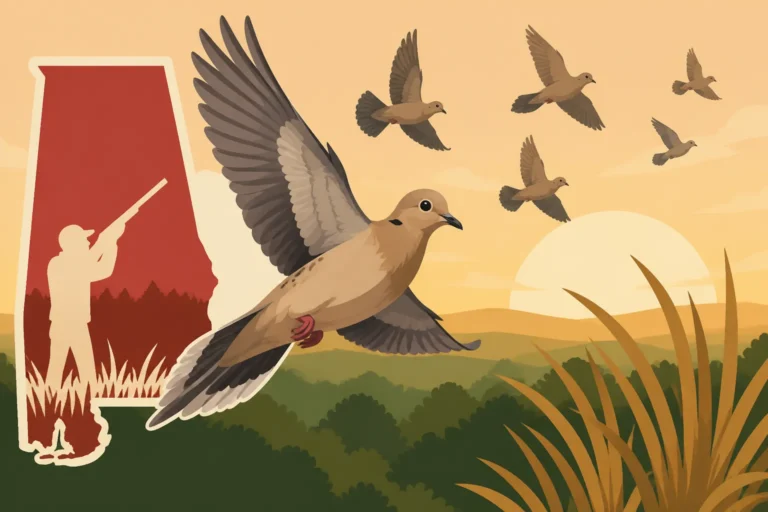
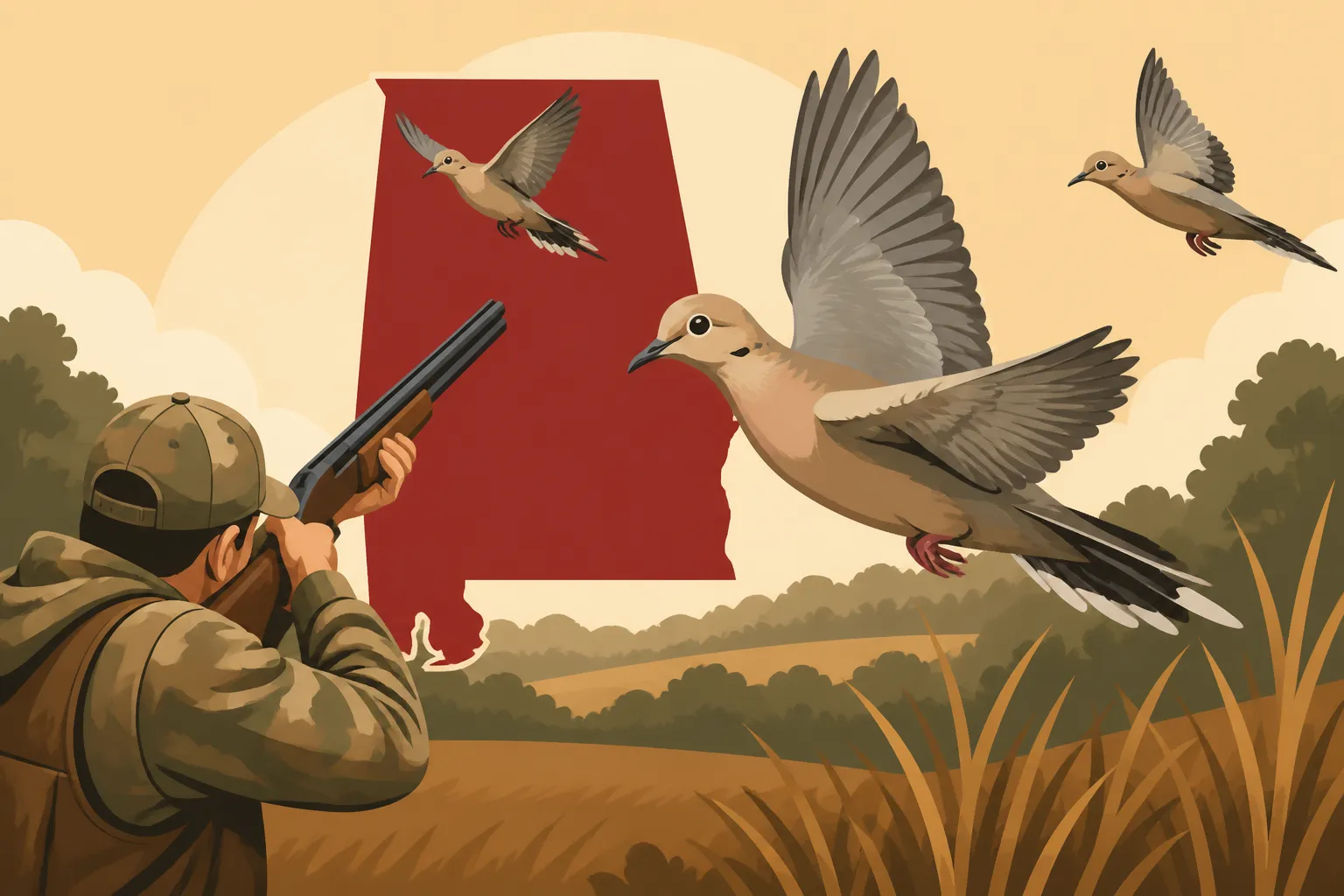
Many hunters eagerly anticipate the fast-paced action of dove season, but understanding the nuances of mourning dove behavior, migration patterns, and the specific regulations in Alabama can feel like trying to hit a fast-flying target in a crosswind. From figuring out the best fields to navigating the specific season splits, it’s a lot to keep track of. This comprehensive guide is here to walk you through everything you need to know about pursuing mourning doves in Alabama, ensuring you're well-prepared for a successful and enjoyable hunt.
Understanding Alabama's Mourning Dove Population
Mourning doves are a staple of Alabama's hunting scene, beloved for their challenging flight and delicious meat. To become a more effective hunter, it's incredibly helpful to understand their natural behaviors, from how they distribute themselves across the landscape to their unique breeding habits. These aren't just random targets; they're intelligent, adaptable birds with predictable patterns that, once understood, can lead to more consistent success in the field.
Dove Density and Distribution Across the State
Mourning doves are one of the most widespread game birds in North America, and Alabama is no exception. You'll find them virtually everywhere, from the meticulously managed agricultural fields of the Black Belt to suburban power lines, and even in the smaller timber stands throughout the state. Their adaptability is truly remarkable, allowing them to thrive in diverse habitats. While they are ubiquitous, their densities can vary significantly depending on the local availability of food, water, and suitable roosting cover. Areas with a mix of agricultural land, open fields, and nearby woodlands tend to hold higher concentrations of birds.
In north Alabama, especially around the Tennessee River Valley, you might find doves congregating in fields surrounded by mature timber, offering them both feeding opportunities and safe roosting sites. Down in the Black Belt, it's all about the vast expanses of agriculture, particularly fields planted with corn, sunflowers, wheat, or millet. These regions are prime real estate for doves because they offer a consistent and abundant food supply, which is critical for their survival and reproductive success. Even in the more urbanized areas near Birmingham or Montgomery, doves are common visitors to backyard bird feeders and small patches of cultivated land.
The beauty of dove hunting in Alabama is that you often don't have to travel far to find birds, though the sheer numbers might dictate a longer drive to a prime spot. Understanding where these birds prefer to forage and rest is the first step to a productive hunt. They're constantly on the move, flying from roosts to feeding grounds, and then to water sources, creating predictable flight patterns that hunters can capitalize on. This constant movement makes them an exciting and challenging bird to pursue, and part of the thrill is anticipating their next flight path.
Migration Patterns and Their Impact on Hunting
While many mourning doves are year-round residents in Alabama, we also see significant migratory movements, especially as cooler weather approaches in the fall. These migratory birds, often coming from states further north in the Mississippi Flyway, augment our local populations and can create fantastic hunting opportunities. Imagine a field that seemed a little thin on doves one week, only to be swarming with new birds after a cold front pushes through from up north – that's the magic of migration at work!
The exact timing and intensity of these migrations can vary from year to year, influenced by factors like weather fronts, food availability, and breeding success further north. Generally, the early part of Alabama's dove season, particularly the first split, often targets resident birds that have bred and raised their young in the state. These local birds tend to be more predictable in their movements, often sticking to familiar feeding and watering areas. This makes scouting crucial for early season success, as you're trying to pinpoint where these established populations are concentrated.
As the season progresses into the second or even third split, especially after late September and into October, hunters often encounter more migratory birds. These doves might be passing through or settling in for the winter, and their patterns can be a bit different. They might use new fields, roost in different timber blocks, or have less predictable flight times as they adapt to new surroundings. Being aware of these shifts in population can help you adjust your hunting strategy, perhaps moving to a different field or scouting new areas where fresh birds might be settling in. This is why knowing when to plan for Hunting the Second Dove Split in October can be a game-changer. These migratory patterns are part of the larger picture of Alabama Mourning Dove Migration Timing.
Life Cycle and Breeding Habits in Alabama
Mourning doves are prolific breeders, which is a major reason why their populations remain robust despite significant hunting pressure. In Alabama, their breeding season can begin as early as February or March and extend well into the fall, sometimes even into October if conditions are favorable. They are one of the few bird species that can raise multiple broods in a single season, often laying two eggs at a time. This rapid reproductive cycle is key to their abundance and resilience.
Doves typically build flimsy nests of twigs in trees, shrubs, or sometimes even on the ground. Both parents share incubation duties, and once the squabs hatch, they feed them "pigeon milk" – a nutritious, protein-rich secretion from their crop. The young grow quickly, often leaving the nest within two weeks. This fast turnaround means that a single pair can attempt several nesting cycles, contributing significantly to the local dove population. It's truly amazing how quickly they can go from egg to fledgling.
Understanding this life cycle helps us appreciate the importance of habitat. Good dove habitat isn't just about food; it's also about safe nesting and roosting cover. Dense hedgerows, small timber blocks, and even ornamental trees in suburban areas can provide vital nesting sites, keeping the local populations healthy and strong. When you're out scouting, remember that while you're looking for feeding fields, the surrounding cover is just as important for the birds you hope to encounter. This natural cycle is what makes mourning doves such a renewable resource for hunters in Alabama.
Alabama Mourning Dove Season and Regulations
Successfully hunting doves in Alabama means playing by the rules, and it’s critical to be completely up-to-date on the latest regulations. The Alabama Department of Conservation and Natural Resources (ADCNR) sets these rules to ensure sustainable populations and fair chase. Ignoring these can lead to serious legal trouble and impacts conservation efforts, so paying close attention is non-negotiable for a responsible hunter.
Key Season Dates and Splits
Unlike some single-season hunts, Alabama’s mourning dove season is typically broken into multiple "splits." These splits are designed to coincide with various migration patterns and local population peaks, offering hunters several opportunities to get into the field. The opening weekend is often a huge event, a social gathering that marks the unofficial start of hunting season for many Alabamians. Historically, the first split begins around the first Saturday in September, running for a couple of weeks. This is usually when Alabama Dove Season Opening Weekend takes place.
After a short closure, usually in mid-September, the season reopens for a second, longer split, often extending from early October through late November. Then, after another break, there's frequently a third split in December and sometimes into early January, aligning with the late migratory pushes. These staggered seasons allow ADCNR to maximize hunting opportunities while still protecting the overall dove population. It also means you can plan multiple trips throughout the fall. Always double-check the official ADCNR Hunting and Fishing Digest each year, as exact dates can shift slightly.
Daily Bag Limits and Possession Limits
Bag limits are put in place to ensure that hunters take a reasonable number of birds without negatively impacting the population. For mourning doves in Alabama, the daily bag limit is generally 15 birds. This means you can legally harvest up to 15 doves per day. It sounds like a lot, but on a good day, with fast-flying birds and sharp shooting, it can happen quicker than you think! It’s easy to get caught up in the excitement, so keep a mental tally or use a bird counter.
The possession limit, which refers to the maximum number of legally taken game you can have in your possession at any given time, is usually three times the daily bag limit. So, if the daily limit is 15, your possession limit is typically 45 doves. This is especially important for hunters who might be staying at a camp for several days or traveling home with birds from multiple hunts. Make sure you understand the Alabama dove daily bag limit before you head out. These limits are federal guidelines, enforced by state wildlife agencies, and they apply across the board to ensure consistency and conservation.
Legal Shooting Hours and Equipment
Legal shooting hours for doves are another crucial regulation to observe. Typically, shooting hours begin one-half hour before sunrise and extend until sunset. However, on opening day of the first split, there's often a special rule where shooting only begins at noon local time. This noon opening on the first day is a long-standing tradition in many states, including Alabama, thought to give the birds a bit of a break and allow hunters to socialize and prepare for the afternoon hunt. Always confirm this detail in the annual regulations. After opening day, it's generally the standard half-hour before sunrise to sunset.
When it comes to equipment, doves are almost exclusively hunted with shotguns. There are restrictions on shotgun capacity; typically, you cannot hunt migratory birds with a shotgun capable of holding more than three shells. This means a plug must be inserted into the magazine of your shotgun if it holds more than two shells in the magazine plus one in the chamber. As for ammunition, lead shot is generally legal for doves on private land, but you must use non-toxic shot (like steel, bismuth, or tungsten-iron) when hunting doves on any state or federal lands, including most Alabama Wildlife Management Areas. This is a critical distinction that many hunters overlook, so make sure you check your shot type, especially if you're on public land.
| Season Split | Approximate Dates (Annual Variation) | Daily Bag Limit | Possession Limit | Opening Day Hours (1st Split) | General Hours (Other Days) |
|---|---|---|---|---|---|
| First Split | Early Sept – Mid Sept | 15 | 45 | Noon to Sunset | ½ hr before sunrise to sunset |
| Second Split | Early Oct – Late Nov | 15 | 45 | ½ hr before sunrise to sunset | ½ hr before sunrise to sunset |
| Third Split | Dec – Early Jan | 15 | 45 | ½ hr before sunrise to sunset | ½ hr before sunrise to sunset |
Always verify exact dates and regulations with the official ADCNR Hunting and Fishing Digest for the current year.
Finding and Scouting Productive Dove Fields
Finding the right spot is often the biggest challenge and the key to a successful dove hunt. Doves are creatures of habit when it comes to feeding, watering, and roosting, so understanding their needs is paramount. It’s not just about showing up on opening day; it’s about putting in the groundwork ahead of time, which requires careful scouting and a bit of detective work.
Identifying Ideal Habitat and Food Sources
Mourning doves are primarily seed-eaters, which means productive dove fields almost always involve agricultural crops or natural weed patches that produce abundant seeds. Think about what doves love to eat: cereal grains like wheat, milo (grain sorghum), millet, and corn are absolute magnets. Sunflowers are another huge draw, especially when they're mature and starting to drop seeds. Farmers will often leave a portion of a crop unharvested, or manage a field specifically for doves, by disking strips or leaving stubble.
When scouting, look for fields that have been recently harvested or cut, leaving scattered grain on the ground. Doves are ground feeders, so they need open ground to access seeds. Fields with bare patches or strips of disked soil are often more attractive than those with dense, tall cover. Beyond cultivated fields, natural weed seeds from plants like croton (also known as dove weed), pokeberry, and various grasses can also attract doves. A crucial element is proximity to water – doves need to drink regularly, especially in warmer weather. Ponds, creeks, or even shallow puddles near a feeding field can create a perfect scenario. Furthermore, look for dead trees or power lines nearby. Doves love to perch high, scanning for predators and assessing the safety of a feeding area before dropping down.
Public Access Dove Fields and Special Opportunity Areas
For many Alabama hunters, finding private land can be a real hurdle. Thankfully, Alabama offers a variety of public land options, including numerous Wildlife Management Areas (WMAs) and "Special Opportunity Areas" specifically managed for dove hunting. These fields are often planted with dove-attracting crops like sunflowers, corn, or millet and are managed by the ADCNR. While these areas can be fantastic, they also tend to draw crowds, especially on opening day. You might want to consider Alabama Public Land Hunting Hours when planning your trips.
To find these public fields, the Outdoor Alabama website and their app are invaluable resources. They typically publish a list of WMA dove fields and special opportunities well in advance of the season, often including maps and directions. Some of these public fields might even require a quota hunt application or a sign-in process, so always check the specific rules for the WMA you plan to visit. While they can be crowded, these public lands offer a level playing field and often provide consistent action throughout the season, especially if you scout them after the initial rush. Using a mapping tool like GoHunt can also help identify potential public access points and property boundaries, giving you an edge.
Securing Private Land Permission for Dove Hunting
Hunting private land often provides the most consistent and least crowded dove hunting experience. However, getting permission can be challenging. The best approach is always to ask well in advance of the season, preferably in late summer. Farmers and landowners are often more receptive to requests from courteous, respectful individuals who offer to help out or perhaps share some of the harvest. A simple knock on the door, a polite introduction, and a clear explanation of your intentions can go a long way.
When you speak with a landowner, be clear about your plans: how many hunters will be with you, when you plan to hunt, and that you'll be respectful of their property. Offer to pick up spent shells and any trash, and always follow through on that promise. Sometimes, offering a share of the harvested doves or even helping with a small chore around the farm can open doors. Building a good relationship with a landowner over time can secure you a long-term hunting spot. Remember, even if a field looks unkempt, it doesn't mean it's abandoned. Always seek explicit permission to avoid trespassing issues. Understanding Do You Need Written Permission in Alabama? is also critical for maintaining good relations and staying legal. Learning about Alabama Dove Field Baiting Rules is also vital to avoid unintentionally breaking federal laws.
Effective Tactics for Alabama Dove Hunting
Once you've found a promising field and understand the regulations, it's time to talk tactics. Dove hunting is often seen as a casual affair, but a few strategic choices can drastically improve your success rate and make the experience much more enjoyable. It’s not just about pointing and shooting; it’s about understanding dove flight patterns, using concealment effectively, and leveraging tools like decoys to your advantage.
Pass-Shooting Strategies and Setup Considerations
Pass-shooting is the most common and often the most productive method for hunting doves. It involves positioning yourself along a natural flight path that doves use to travel between feeding, watering, and roosting areas. Think about it: doves aren't just randomly flying; they have a purpose. They'll fly from a timber block (roost) to a cut cornfield (feed), then possibly to a pond (water), and then back. Your goal is to intercept them along these routes.
Key to pass-shooting success is concealment. While doves aren't typically as wary as deer or turkeys, they do have excellent eyesight. Wearing camouflage, or at least drab colors, and setting up next to natural cover like a hedgerow, a stand of trees, or even a bale of hay, can make a huge difference. Don't stand out in the open. Pay attention to the sun's position – if you can, set up with the sun at your back, making it harder for doves to spot you and easier for you to see them approaching. Wind direction is also crucial; doves, like most birds, tend to fly into the wind when landing and taking off, so understanding this can help predict their approach. Practicing Pass-Shooting Doves Over a Water Hole can be particularly effective during warm weather when birds are thirsty.
Decoy Use and Timing
While not as critical as for ducks or geese, dove decoys can definitely improve your success, especially on days when birds are a bit more scattered or hesitant. Doves are social birds, and seeing others on the ground or perched can draw them in. There are two main types: static decoys and motion decoys. Static decoys are simple plastic birds that clip onto fences, branches, or sit on the ground. Place them in visible spots near your position, especially on prominent perching spots like a dead limb or a power line.
Motion decoys, like spinning-wing doves (e.g., Mojo Dove), are highly effective. The flashing wings catch doves' attention from a distance, drawing them in closer for a shot. Place motion decoys high and in an open area where they can be seen from afar. On slow days, a single motion decoy can turn a quiet morning into a flurry of action. However, be mindful of their use. Some hunters feel they are too effective, and sometimes doves can get "educated" to them, becoming wary after seeing them repeatedly in heavily hunted areas. Use them strategically, especially when you're targeting new birds or those just passing through. Understanding the nuances of decoy placement is part of Setting Up a Dove Field Before Opening Day.
Managing Your Shotgun and Ammunition
Dove hunting often involves a lot of shooting, which means managing your shotgun and ammunition efficiently is key. A lightweight 12-gauge or 20-gauge shotgun is typically preferred for doves, as you'll be swinging it frequently. Many hunters opt for an open choke, like improved cylinder or skeet, to get a wider pattern for fast-flying, erratic birds. Some might use a modified choke for longer shots.
Ammunition-wise, light field loads with 7.5 or 8 shot are standard. You'll want to bring plenty – it's not uncommon to shoot a box or two, or even more, to bag your limit, especially if the birds are flying fast and you're a little rusty. Shell pouches or vests with multiple pockets are incredibly useful for carrying extra shells, a water bottle, and any harvested birds. Practicing your swing and lead before the season starts can also significantly improve your hit ratio. Doves are notoriously tricky to hit; they zig and zag, appear out of nowhere, and often present fleeting targets. Don't get discouraged if you miss; it's part of the game! The constant action is what makes Alabama Small Game Season Rules so exciting.
Post-Harvest Care and Regulations
The hunt doesn't end when the bird hits the ground. Proper care of your harvested doves and adherence to post-harvest regulations are just as important as the hunt itself. This ensures the meat is good, and you stay on the right side of the law. Ignoring these steps can lead to spoiled meat or, worse, legal trouble, so every hunter should be diligent about these details.
Proper Field Dressing and Storage
Doves are small birds, and in Alabama's often warm early season, they can spoil quickly if not handled properly. The best practice is to field dress them as soon as possible after the hunt. This usually means breasting them out – removing the breast meat from the bone. This is quick, easy, and minimizes the amount of material that can cause spoilage. Simply pluck the breast feathers, make an incision down the breastbone, and peel the meat away. You can also pluck the entire bird if you prefer, but breasting is far more common due to the small size and quick cooking nature of dove meat.
Once breasted, cool the meat down rapidly. A cooler with ice is essential. Even if it's not scorching hot, internal body heat can quickly degrade the meat. Place the breasts directly on ice or in a Ziploc bag surrounded by ice. Get them home and into the refrigerator as soon as possible. Doves offer delicious meat, often described as a rich, dark poultry flavor, and proper care ensures you'll have a quality meal. For longer storage, vacuum-seal and freeze the breasts. Properly packaged, they'll last for several months in the freezer.
HIP Certification and Migratory Bird Documentation
This is a critical, yet often overlooked, legal requirement for hunting doves and any other migratory game birds in Alabama. Before you even step foot in a dove field, you must have a valid Alabama Resident Hunting License Options (or nonresident equivalent), and you must be HIP (Harvest Information Program) certified. HIP certification is essentially a brief survey you complete when you purchase your hunting license, asking about your migratory bird hunting success from the previous year. This data helps wildlife agencies monitor harvest rates and manage populations across the country.
It's not a separate stamp or physical document in most cases; it's simply a certification code printed on your license or recorded digitally. Without it, you are legally hunting migratory birds without the proper documentation. The good news is that getting HIP certified is usually free and takes only a minute when you buy your license online or at a license vendor. Make sure to check the box for Alabama Migratory Bird Certification when you renew your license each year. Federal game wardens and state conservation officers frequently check for this, so don't skip it!
Reporting Your Harvest
Currently, Alabama does not require hunters to individually report harvested mourning doves through a system like Game Check, which is used for deer and turkeys. However, this could always change, so it's vital to stay informed by checking the latest regulations. While individual reporting isn't mandatory, the HIP survey (mentioned above) is the primary way ADCNR gathers data on migratory bird harvests.
Even without mandatory reporting, consider keeping your own records. Noting the date, location, number of birds harvested, and even the weather conditions can provide valuable insights for future hunts. This personal record-keeping helps you become a better, more consistent dove hunter over time. And, of course, always be honest and ethical in your hunting practices, ensuring that your harvest stays within the legal limits.
Conservation and the Future of Alabama Doves
Mourning doves are one of Alabama's most popular game species, and their abundance is a testament to effective conservation efforts. Hunters play a vital role in this, not just through license fees that fund wildlife management, but also through habitat improvement and ethical practices. The continued health of our dove populations relies on a combination of scientific management and responsible stewardship by the hunting community.
Habitat Management for Doves
Good dove habitat is essentially good agricultural or open field management. Doves thrive in areas with a mosaic of food sources, water, and roosting/nesting cover. On private land, farmers can contribute significantly to dove conservation by managing their fields with doves in mind. This might involve planting dove-friendly crops like sunflowers, browntop millet, or corn, and then manipulating them – such as strip disking, bush-hogging, or controlled burning – to make the seeds accessible to ground-feeding doves. Simply harvesting corn or wheat and leaving the stubble can create excellent dove habitat.
Even small landowners can help by creating "dove patches" with annual grains or native seed-producing weeds. Maintaining hedgerows and scattered trees around fields provides crucial roosting and nesting cover. On public lands, the ADCNR actively manages numerous dove fields across various Alabama Wildlife Management Areas. They strategically plant, cultivate, and manipulate these fields to attract and hold doves, ensuring that public hunting opportunities are robust. These efforts benefit not only doves but a host of other small game and songbird species that rely on similar open-field habitats.
The Role of Hunters in Conservation
Hunters are the original conservationists, and dove hunters are no exception. Every hunting license and federal duck stamp (though not typically required for doves, it's a related concept) purchased contributes directly to wildlife conservation through the American System of Conservation Funding. A portion of these funds goes towards habitat acquisition, research, and management programs that benefit doves and countless other wildlife species. These funds are vital for sustaining all game species in Alabama.
Beyond financial contributions, ethical hunting practices are paramount. This includes adhering to bag limits, avoiding baiting violations (illegal for migratory birds, and often misunderstood), and ensuring quick, humane kills. Reporting poachers or any suspicious activity to game wardens also contributes to conservation by upholding the integrity of hunting and protecting wildlife populations from illegal activities. It’s about being a responsible steward of the resource, ensuring that future generations can enjoy the thrill of a dove hunt just as we do today. This commitment to ethics often starts with comprehensive Alabama Hunter Education Requirements.
Monitoring Dove Populations in Alabama
The health of Alabama's mourning dove population is continuously monitored by wildlife biologists. This isn't guesswork; it's a scientific process that involves several key surveys and studies. One of the primary tools is the Mourning Dove Call-Count Survey, a nationwide effort conducted by state and federal biologists. During the breeding season, observers drive specific routes, stopping at designated points to count doves heard cooing and seen flying. This data provides an index of breeding populations and helps track long-term population trends.
Banding efforts are another critical component. Biologists capture doves, attach small, numbered aluminum bands to their legs, and then release them. When these banded birds are harvested by hunters, the band number is reported (either online or by mail), providing valuable information on dove survival rates, migration patterns, and harvest distribution. This scientific data is what allows wildlife managers to make informed decisions about season lengths, bag limits, and habitat management strategies, ensuring that dove populations remain strong year after year. Thanks to these dedicated efforts, and the cooperation of hunters, mourning doves remain a healthy and sustainable game species in Alabama. Tools like GoHunt can help hunters engage with this data by providing insights into game populations and movements based on publicly available surveys.
Gear for a Successful Alabama Dove Hunt
While dove hunting can be a minimalist affair, having the right gear can significantly enhance your comfort, safety, and success in the field. You don't need a truck full of gadgets, but a few essentials will make all the difference, especially when you're spending hours under the Alabama sun. Planning your gear thoughtfully will allow you to focus on the birds, not on discomfort or missing equipment.
Essential Personal Items
First and foremost, you need your valid Alabama hunting license and proof of HIP certification. No exceptions! Beyond that, comfort is key, especially during the often-warm early season. Light, breathable camouflage or drab-colored clothing is important for concealment and to avoid overheating. A good pair of comfortable, broken-in boots is a must, as you might be walking across uneven stubble fields. Don't forget bug spray; mosquitoes and gnats can be relentless, especially near water sources or in shaded areas. Sunscreen and a wide-brimmed hat or cap are also crucial to protect against the strong Alabama sun.
Hearing protection is non-negotiable. Even with a small-gauge shotgun, repeated shooting can damage your hearing over time. Earplugs or earmuffs are cheap insurance. Eye protection, too, is a smart choice to guard against stray shot, ricochets, or even just dust and debris in the field. A good pair of shooting glasses can also enhance contrast, helping you spot those fast-flying birds against the sky. Finally, carry plenty of water. Dehydration is a real risk in the early season heat. A small backpack or a hunting vest with multiple pockets is ideal for carrying these items, along with your shells and any harvested birds. GoHunt's gear section often reviews practical items for various hunting scenarios, including what to pack for a day in the field.
Shotgun, Ammunition, and Accessories
As discussed, a 12 or 20-gauge shotgun is standard. An auto-loader or pump-action is generally preferred over a break-action for the quicker follow-up shots. Ensure your shotgun is clean, functioning properly, and has a plug installed if its magazine capacity exceeds two rounds. Bring plenty of ammunition – a minimum of two boxes (50 shells) per hunter is a good starting point, and many seasoned dove hunters bring more. Light field loads (7.5 or 8 shot) are the go-to.
Beyond the gun and ammo, a good shell pouch or a hunting vest with built-in shell loops is invaluable. It keeps your shells organized, easily accessible, and prevents them from getting scattered in the dirt. If you're using decoys, remember to bring them and any necessary stakes or hanging clips. A small cooler with ice for your harvested birds is also essential, especially in warm weather, to prevent spoilage. Some hunters also like to bring a small stool or a bucket to sit on. This can be a lifesaver for comfort during a long afternoon wait, preventing fatigue and allowing you to stay focused.
Scouting Tools and Navigation
Before you even step into the field on opening day, smart scouting makes all the difference. Modern technology has made this easier than ever. Apps like GoHunt, which often have detailed aerial imagery and property line overlays, are incredibly useful for identifying potential fields, scouting for water sources, and understanding surrounding cover. You can mark waypoints for promising areas, access public land boundaries, and even check topography to anticipate flight patterns.
Even with apps, a good old-fashioned pair of binoculars is still a critical scouting tool. Use them to glass distant fields, spot doves flying into and out of areas, and identify potential roost trees or watering holes without disturbing the birds. A rangefinder can also be useful for judging distances in the field, helping you set up at an optimal range and estimate shot distances. Finally, always have a way to navigate. Whether it's your phone's GPS, a dedicated GPS unit, or even a detailed paper map, knowing your location and property boundaries is crucial, especially when hunting unfamiliar public lands or negotiating private land permissions. Proper scouting and navigation can mean the difference between an empty game bag and a successful hunt.
Common Challenges and Troubleshooting in the Dove Field
Even the best-laid plans for a dove hunt can run into snags. Understanding common issues and how to troubleshoot them can turn a frustrating outing into a productive one. From unexpected crowds to birds that just aren't flying right, being prepared to adapt is a hallmark of an experienced dove hunter. Don't let a minor setback ruin your whole day in the field.
Dealing with Crowds on Public Land
One of the biggest frustrations, especially on opening weekend, is overcrowding on public dove fields. Everyone has the same idea, and it can feel like a shooting gallery rather than a hunt. If you find yourself in a crowded situation, here are a few ways to cope. First, arrive early. Like, really early. This allows you to claim a good spot, set up, and be ready before the masses descend. Often, the best spots are those that require a bit of a walk, so be prepared to put in some legwork to get away from the immediate parking areas.
If a field is already packed, consider a different strategy. Instead of focusing on the main feeding areas, try setting up along flight corridors that doves use to approach or leave the crowded field. Birds will often shy away from intense pressure, so look for less-used routes to and from roosts or water. Another option is to hunt during weekdays or later in the season. Weekday hunts almost always offer significantly less pressure. For later-season hunts, try Hunting the Second Dove Split in October, as crowds typically thin out considerably. Remember to always maintain safe shooting distances from other hunters – safety is paramount.
Slow Flying Days and Educated Birds
Sometimes, doves just aren't flying like they should be. It could be due to weather (high pressure, no wind), a lack of new migratory birds, or simply that the local birds have become "educated" to hunting pressure, changing their flight patterns or becoming warier. Don't give up! First, reassess your setup. Are you well-hidden? Is the sun in your face? Is your position too far from the main flight paths? Sometimes a subtle shift in position can make a big difference.
If birds are flying high, consider changing your decoy setup. Use more motion decoys to grab their attention from afar. If they're shying away from a specific field, try moving to an adjacent field or a nearby water source, which might see less pressure. Sometimes, the solution isn't about where you're set up, but when. Doves often have peak flight times – usually early morning and late afternoon. If the midday is slow, take a break and return during these prime windows. Patience is a virtue in dove hunting, and sometimes waiting out a lull is the best strategy. Even with the best scouting, doves can surprise you.
Weather Challenges and Safety
Alabama weather, especially in early September, can be hot, humid, and prone to sudden thunderstorms. Heat exhaustion and dehydration are real risks. Drink plenty of water before, during, and after your hunt. Wear light clothing, and don't push yourself if you start feeling unwell. Remember that temperatures in direct sun in a stubble field can be significantly higher than the reported air temperature.
Thunderstorms can pop up quickly. Always be aware of the forecast, and if lightning is approaching, seek shelter immediately. Holding a shotgun in an open field during a lightning storm is incredibly dangerous. Strong winds can also impact dove flight, making them fly lower and faster, which can be challenging for shooting. Adjust your lead accordingly. Conversely, very calm conditions can make birds more wary. Being prepared for the full range of Alabama weather ensures a safer and more enjoyable hunt. Always prioritize your safety and the safety of those around you.
Disclaimer
The information provided in this guide is for general informational purposes only and does not constitute legal advice. Hunting regulations, season dates, and bag limits are subject to change annually by the Alabama Department of Conservation and Natural Resources (ADCNR). It is the hunter's sole responsibility to consult the most current official ADCNR Hunting and Fishing Digest and relevant state and federal laws before engaging in any hunting activities. Always ensure you have the appropriate licenses and permits, and adhere to all safety guidelines.