How Long Alabama CWD Results Take
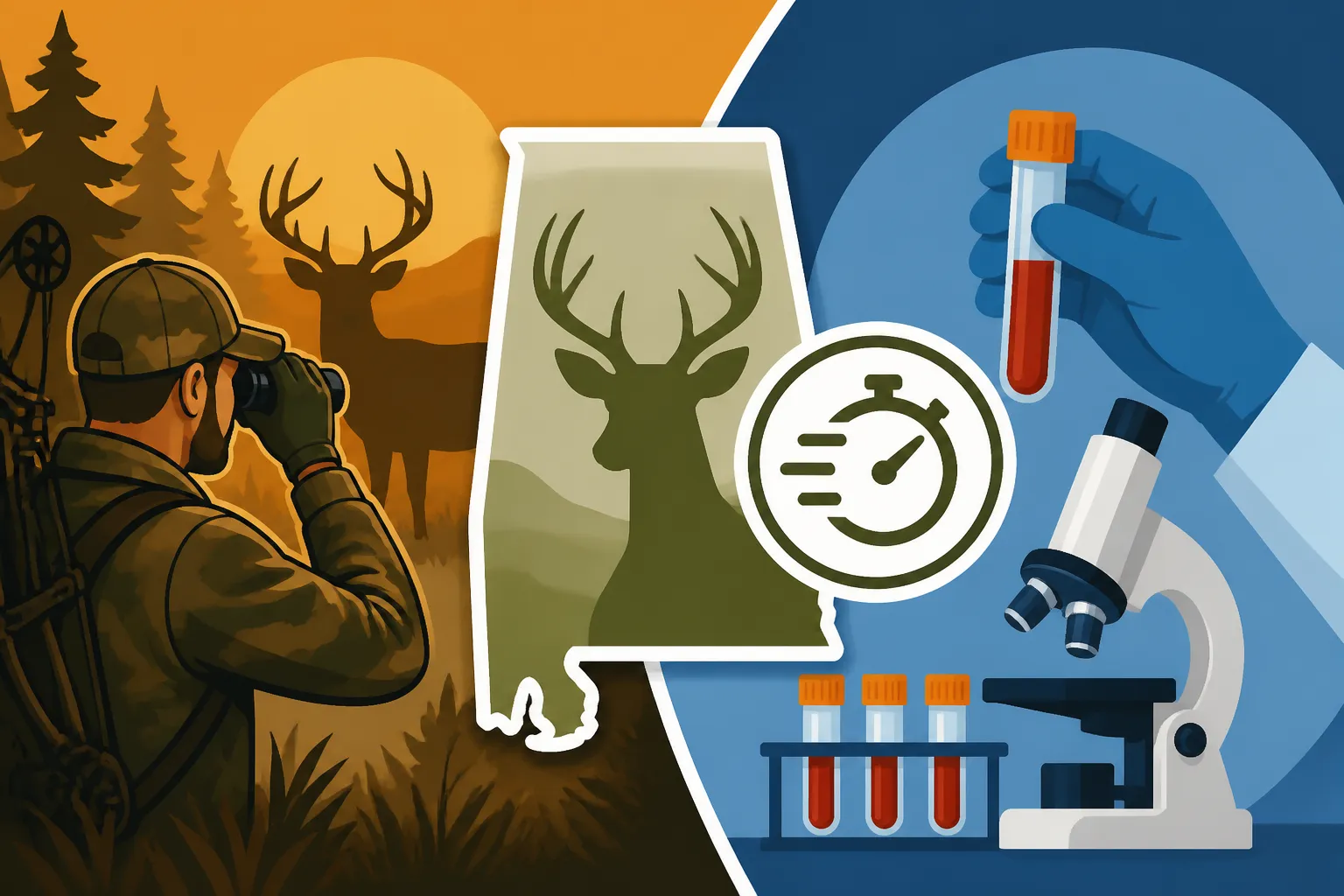
The anticipation of a successful hunt in Alabama is a feeling like no other, but bringing home a deer from a Chronic Wasting Disease (CWD) management zone brings with it a whole new layer of waiting: the CWD test results. It’s a real frustration, this limbo, where you've done your part and now just want to know if your hard-earned venison is safe to enjoy. This guide will walk you through the CWD testing process in Alabama and give you a realistic idea of how long those crucial results typically take, helping you manage expectations and plan accordingly.
Navigating the CWD Testing Process in Alabama
Getting a CWD test for your harvested deer in Alabama is a critical step, especially if you're hunting within or near the designated CWD Management Zone (CMZ). It’s not just a recommendation; in some areas and during specific periods, it's mandatory. Understanding the nuts and bolts of how samples are collected and where they go can alleviate some of the mystery surrounding the waiting game.
The Initial Sample Collection and Submission
Your role as a hunter starts at the point of harvest. If you take a deer in a county within the CMZ, or if you simply choose to have your deer tested as a precautionary measure, you’ll need to collect specific tissue samples. The Alabama Department of Conservation and Natural Resources (ADCNR) primarily requests the brain stem and/or retropharyngeal lymph nodes. These are the tissues where the CWD prions accumulate and are most detectable. It sounds a bit daunting if you've never done it, but ADCNR provides clear instructions and often offers assistance.
Proper collection is paramount. If samples are damaged, too small, or incorrectly taken, they might be rejected by the lab, meaning you'll have to either go back and try again (if possible) or, worse, you won't get a result at all. Many hunters obtain CWD testing kits from local wildlife offices or participating deer processors, which include detailed instructions and the necessary tools for collection. During mandatory testing weekends, usually early in the gun season, there are often official ADCNR sampling stations set up where biologists can collect the samples for you, which is a huge help and ensures proper technique. These dedicated staff are trained and efficient, taking the guesswork out of it for you.
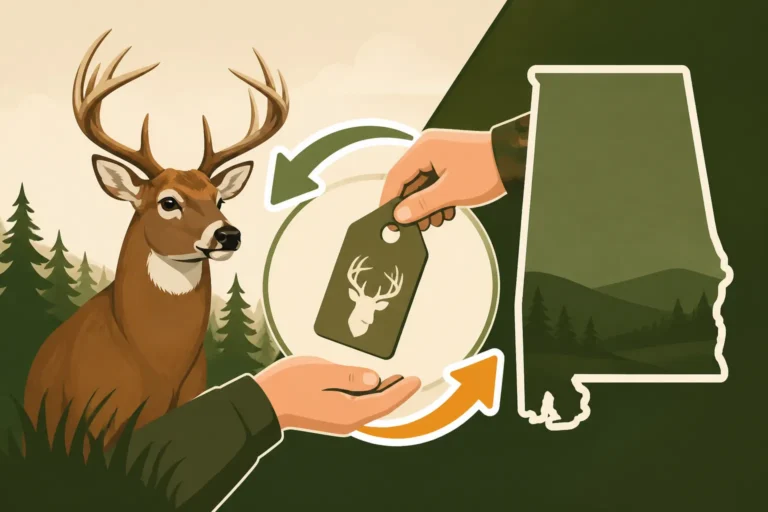
Once collected, these precious samples need to be submitted. This typically involves dropping them off at a designated CWD sampling station, often located at check stations, deer processors, or county extension offices. Make sure your sample is clearly labeled with all the required information, including your name, contact details, and the location of the harvest. The accuracy of this information is vital for connecting your sample to you and for epidemiological tracking of the disease. Without it, your sample could be delayed or even become untraceable.
Journey from Field to Lab
After you've submitted your sample, it begins its journey from a local drop-off point to the central collection facility, and then eventually to the diagnostic laboratory. This isn't an instantaneous process. Samples might be held at a collection point for a few days until enough accumulate to warrant transport. Think of it like a mail system; there’s a scheduled pickup, not an immediate courier service for every single sample.
The ADCNR plays a coordinating role in this. They manage the network of collection sites, organize transport, and ensure samples reach the official state diagnostic lab. These labs are often part of a university system or state veterinary diagnostic service, equipped with specialized personnel and equipment. For Alabama, samples are typically processed at the state diagnostic laboratory, which adheres to strict protocols for handling CWD samples.
At the lab, the initial screening process begins. This usually involves a rapid ELISA (Enzyme-Linked Immunosorbent Assay) test, which can quickly detect the presence of CWD prions. This test is efficient and designed to handle a large volume of samples, acting as the first filter. If an ELISA test comes back positive or inconclusive, it doesn't automatically mean your deer has CWD. It triggers the need for a confirmatory test. This second stage, often a Western Blot or Immunohistochemistry (IHC) test, is much more labor-intensive and takes longer, but it's essential for a definitive diagnosis. It's this confirmatory stage that ensures accuracy and avoids false positives, which is why the process can feel drawn out, especially if your sample is one of the few that needs this extra scrutiny.
Realistic Expectations for CWD Result Turnaround Times
This is the burning question for every hunter: how long? The honest answer is, it varies. While state agencies strive for efficiency, the reality of biological testing, especially during peak seasons, means patience is a virtue you’ll absolutely need.
Standard Processing Windows
Typically, hunters in Alabama can expect CWD results to be available within 2 to 4 weeks after their sample is submitted. This is the ideal timeframe under normal operating conditions. However, it's crucial to understand that this is an average, and there are many variables that can shift these numbers. The ADCNR aims to keep hunters informed of these general timeframes via their website and at sampling stations.
Seasonal variations have a massive impact. If you submit a sample right at the beginning of the Alabama gun season by Zone A, or during the peak of the rut in your specific zone, the lab will be inundated with samples. Thousands of deer are harvested across the state during these busy periods, and each one that's submitted for CWD testing adds to the queue. It's not uncommon for turnaround times to stretch to 4-6 weeks or even longer during these high-volume windows. Imagine a major holiday shopping season, but instead of packages, it's deer brains. Labs, like any other facility, have finite resources and staff. This can be frustrating, especially when you're eager to process and enjoy your venison, but it's a reality that hunters across many states, not just Alabama, face. Other states often report similar delays, especially in areas with high deer harvest rates or new CWD detections.
| Factor | Impact on Turnaround Time |
|---|---|
| Submission Volume | High: Peak season (opening weekend, rut) significantly increases wait times (4-6+ weeks). Low: Off-peak or late season sees faster results (2-3 weeks). |
| Lab Staffing/Resources | Limited: Holidays, staff shortages, or budget cuts can extend wait times. Adequate: Consistent staffing helps maintain average times. |
| Testing Type | ELISA Screening: Relatively quick. Confirmatory Testing (IHC/Western Blot): Adds significant time (extra week or more) if initial screen is positive/inconclusive. |
| Sample Quality | Poor/Damaged: May require re-submission or make testing impossible. Good: Expedites initial processing. |
| Logistical Delays | Severe weather, transport issues, or administrative backlogs can add unexpected delays. |
| CWD Zone Pressure | Higher priority given to samples from new CWD detections or high-risk zones, potentially slowing other samples. |
Checking Your Results and Staying Informed
Once your sample has been processed, the results are typically made available through the ADCNR's online Game Check system. This is the same system you use to report your deer harvest, and it acts as a central hub for your hunting data. You'll usually need the confirmation number from your harvest report to access the CWD test results associated with that particular deer. It's a convenient way to check from home without having to call or wait for a letter.
It's tempting to check every day, or even multiple times a day, but constant checking won't make the results come faster and can honestly just add to your stress. Give it a reasonable amount of time, perhaps checking once a week after the initial two weeks have passed. If you've passed the expected turnaround window (say, 4-6 weeks) and still don't see results, then it might be appropriate to reach out to the ADCNR's Wildlife and Freshwater Fisheries Division. However, be prepared for them to reiterate the general delays.
In the rare but critical event of a positive CWD result, the ADCNR will typically contact you directly. This isn't usually a general notification through the online portal; rather, a biologist or other official will reach out to discuss the findings, explain the implications, and advise you on the next steps, including carcass disposal and any other mandatory actions. This direct communication underscores the seriousness of a positive diagnosis and the department's commitment to managing the disease. It’s also a good reminder to ensure your contact information on your hunting license and Game Check profile is always up-to-date.
Factors That Can Influence Result Delays
It’s easy to get frustrated when your CWD results take longer than expected, but understanding why these delays occur can help manage that frustration. It’s rarely due to negligence; more often, it’s a confluence of logistical, scientific, and human factors.
Volume of Samples and Lab Capacity
Without a doubt, the single biggest factor influencing CWD test turnaround times is the sheer volume of samples. Picture the opening weekend of gun season in Zone A or during the peak of the rut in the Northern zones. Thousands of deer are harvested, and many of them are submitted for CWD testing, particularly from within the CWD Management Zone Under New Rules. The diagnostic labs, while equipped, have a finite capacity. They can only process so many samples per day.
This bottleneck is compounded by limited lab personnel. CWD testing requires highly trained technicians and specialized equipment. There aren't an endless supply of these resources, and operating budgets for state wildlife agencies and diagnostic labs can sometimes be tight, impacting staffing levels and the ability to purchase more high-throughput machinery. So, when a surge of samples comes in, it essentially creates a backlog that can take weeks to clear. An unexpected detection of CWD in a new area can also divert resources, as samples from that region may be prioritized, further delaying results from other areas. For hunters who rely on tools like GoHunt to scope out new hunting grounds, understanding these peak times can help them anticipate potential CWD testing delays, even if they're not directly in a CWD zone.
Holidays, Weekends, and Unforeseen Circumstances
Beyond the sheer volume, logistical realities like holidays and weekends significantly contribute to delays. Labs operate on a standard workweek, and samples submitted on a Friday afternoon might not even begin processing until the following Monday. Throw in a federal or state holiday, and you’re looking at even more downtime. The pipeline of samples simply sits, waiting for operations to resume.
Unforeseen circumstances, while hopefully rare, can also throw a wrench into the works. Severe weather events, such as hurricanes or ice storms common in Alabama, can disrupt transportation routes, damage facilities, or prevent staff from reaching the lab. Equipment malfunctions, though rare in modern labs, can also halt processing until repairs are made. These aren't common occurrences, but they are real possibilities that can add days or even weeks to your wait. It’s important to remember that the process isn’t just scientific; it’s administrative and logistical too. Samples need to be logged, assigned, tracked, and results communicated, all of which require human input and a functioning system, which can sometimes slow down.
Prudent Steps While Awaiting CWD Confirmation
The waiting period for CWD results can be anxiety-inducing, but it doesn't have to be a complete standstill. There are practical steps you can take to ensure the safety of your venison and to prepare for future hunting endeavors, all while being a responsible steward of Alabama's wildlife.
Handling and Storing Your Harvest
The most critical advice during the waiting period is to not consume any venison from a deer submitted for CWD testing until you have received and confirmed a negative result. This is paramount for food safety. The good news is that proper meat processing can still proceed. You can debone, cut, and package your venison as usual.
Once processed, your best bet is to freeze all the meat. Freezing will keep the venison in excellent condition for an extended period, easily covering the typical 2-6 week waiting window. Make sure it's well-wrapped and sealed to prevent freezer burn. If your results come back negative, you can then enjoy your venison with peace of mind. Should the unlikely happen and your deer tests positive, you would then need to dispose of the meat according to ADCNR guidelines, which usually involves double-bagging and landfill disposal. This is a difficult scenario for any hunter, but freezing the meat keeps your options open.
While you wait, it’s also a good practice to thoroughly clean all your hunting equipment, knives, saws, and processing surfaces. This isn't just about CWD, but general hygiene. If your deer was from the CWD Management Zone, or if you plan on Hunting the CWD Management Zone Under New Rules again, consider using a dilute bleach solution or other recommended disinfectant for surfaces that came into contact with the deer, especially bone and brain matter. This minimizes any theoretical risk of spreading prions, though direct human transmission of CWD has not been observed.
Planning Future Hunts and Staying Vigilant
Use this waiting period to be proactive about your future hunts. First and foremost, deepen your understanding of Alabama's Chronic Wasting Disease Management Zone. Knowing the boundaries, special regulations, and mandatory testing periods for these areas is crucial for responsible hunting. The ADCNR frequently updates its CWD information, so make it a habit to check their official website before each season, and even during, as new cases can lead to swift changes.
You can also use this time for scouting and planning. While you're waiting on a specific deer's results, you could be thinking about Scouting Alabama Public Land Before Season for your next outing. Tools like GoHunt can be incredibly valuable here. They allow you to overlay CWD zone boundaries with public land maps, helping you identify areas that might have different regulations or mandatory testing requirements. You can also research new potential hunting spots, considering access points, terrain, and food sources, all while being mindful of CWD zones. By staying informed and using available resources, you not only prepare for your next hunt but also contribute to the collective effort of managing CWD in Alabama.
The more you understand the disease, its distribution, and the state's response, the better equipped you'll be to make informed decisions for yourself and for the health of Alabama's deer herd. Staying vigilant isn't just about getting test results; it's about being a well-informed and ethical hunter committed to the long-term health of our wildlife resources.
Disclaimer
The information provided in this guide is for general informational purposes only and does not constitute legal advice or official guidance from the Alabama Department of Conservation and Natural Resources (ADCNR). Hunting regulations, CWD management policies, and testing protocols are subject to change. Always consult the most current official ADCNR regulations and guidelines before planning or engaging in any hunting activities.