Working a Black Belt Quail Covey Rise
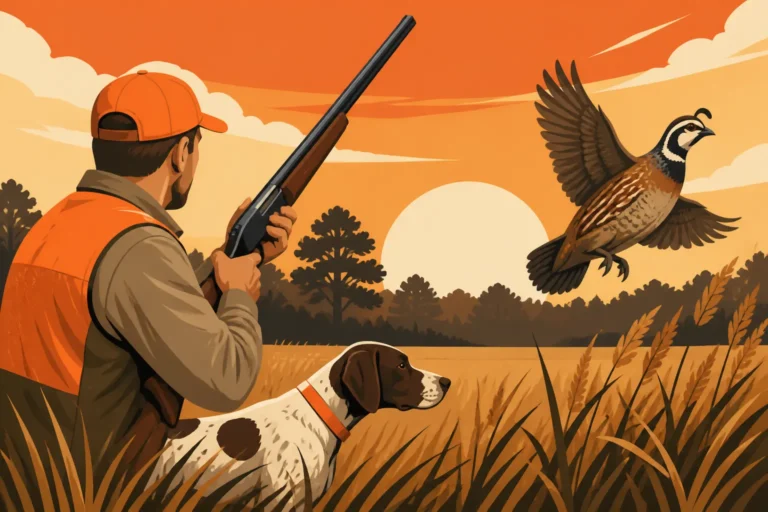
There’s nothing quite like the heart-stopping adrenaline rush of a covey of wild bobwhite quail exploding from beneath your feet, especially in Alabama’s legendary Black Belt. It’s a moment that can be exhilarating, overwhelming, and, if you’re not prepared, a little frustrating when those birds disappear into the pines without a shot fired. This guide is all about helping you understand the intricacies of that covey rise, from the moments leading up to it to the strategic follow-up, ensuring you make the most of those precious seconds.
Understanding the Black Belt Quail Environment
Hunting wild quail in the Black Belt isn't just about walking fields; it's about understanding the complex ecosystem these birds call home. The unique combination of soil, vegetation, and land management practices in this region creates a prime environment for bobwhites, but knowing where to look and what to anticipate is crucial for a successful hunt.
Habitat Characteristics That Influence Quail Location
The Black Belt region of Alabama, named for its dark, fertile soil, once harbored vast expanses of wild bobwhite quail. While their numbers have seen fluctuations over the decades, dedicated conservation efforts and thoughtful land management are bringing them back to certain areas. What makes this area so special for quail? It's largely due to the remnants of native longleaf pine savannas. These aren't your dense, dark pine plantations; rather, they are open woodlands with a sparse overstory, allowing plenty of sunlight to reach the ground. This sunlight fuels the growth of a diverse understory of native grasses and forbs—plants that produce the seeds and insects quail need to thrive.
Prescribed burns are a vital tool in maintaining this habitat. Controlled fires periodically clear out thick underbrush, preventing woody vegetation from choking out desirable food and nesting cover. This creates a mosaic of burned and unburned areas, offering quail both escape cover and open feeding grounds. You'll often find quail along the edges where these diverse habitats meet—think where a managed pine stand borders a fallow field, or a strip of native warm-season grasses meets a dense thicket. Even specific agricultural edges, like strips of sorghum or millet, can draw them in. Understanding these habitat nuances is the first step to knowing where your dog is likely to go on point. For a deeper dive into the restoration efforts, check out our guide on how to hunt specific areas like where managed pine restored Black Belt quail.
Reading the Signs Before the Flush
Before that thunderous covey rise, quail often leave subtle clues that savvy hunters and their dogs can pick up on. Your dog is, of course, your most valuable asset here. A good pointing dog will become birdy, showing a change in demeanor, an intense focus, or a sudden, deliberate slowing of pace as it scents birds. When they go on a staunch point, nose high and tail rigid, that’s your cue. But even before the point, look for your dog "head-snapping" or making short, choppy movements as it processes scent.
Beyond canine indicators, keep an eye out for physical signs. Fresh quail tracks, which are small and three-toed, can be found in soft dirt, especially near water sources or dusting bowls. Dusting bowls are small depressions in the dirt where quail "bathe" to clean their feathers and deter parasites; finding these indicates recent activity. Scat, small and dark, can also be present. And don’t forget their vocalizations! While they’re often quiet when hiding, sometimes a soft "bob-white" call or the anxious "scatter call" of a disturbed covey can give away their presence before the dogs even get close. Learning to read these subtle cues helps you anticipate the flush, placing you and your hunting partners in better positions for the shot and maximizing your chances when working pointing dogs on Black Belt quail.
Strategic Approaches to the Covey Rise
The moment a covey rises is pure chaos and exhilaration. But amidst the flurry of wings and dust, a hunter needs a clear head and a solid strategy. Your approach to the point, your position, and your reaction time can make all the difference between a memorable retrieve and a missed opportunity.
Approaching the Point: Footwork and Communication
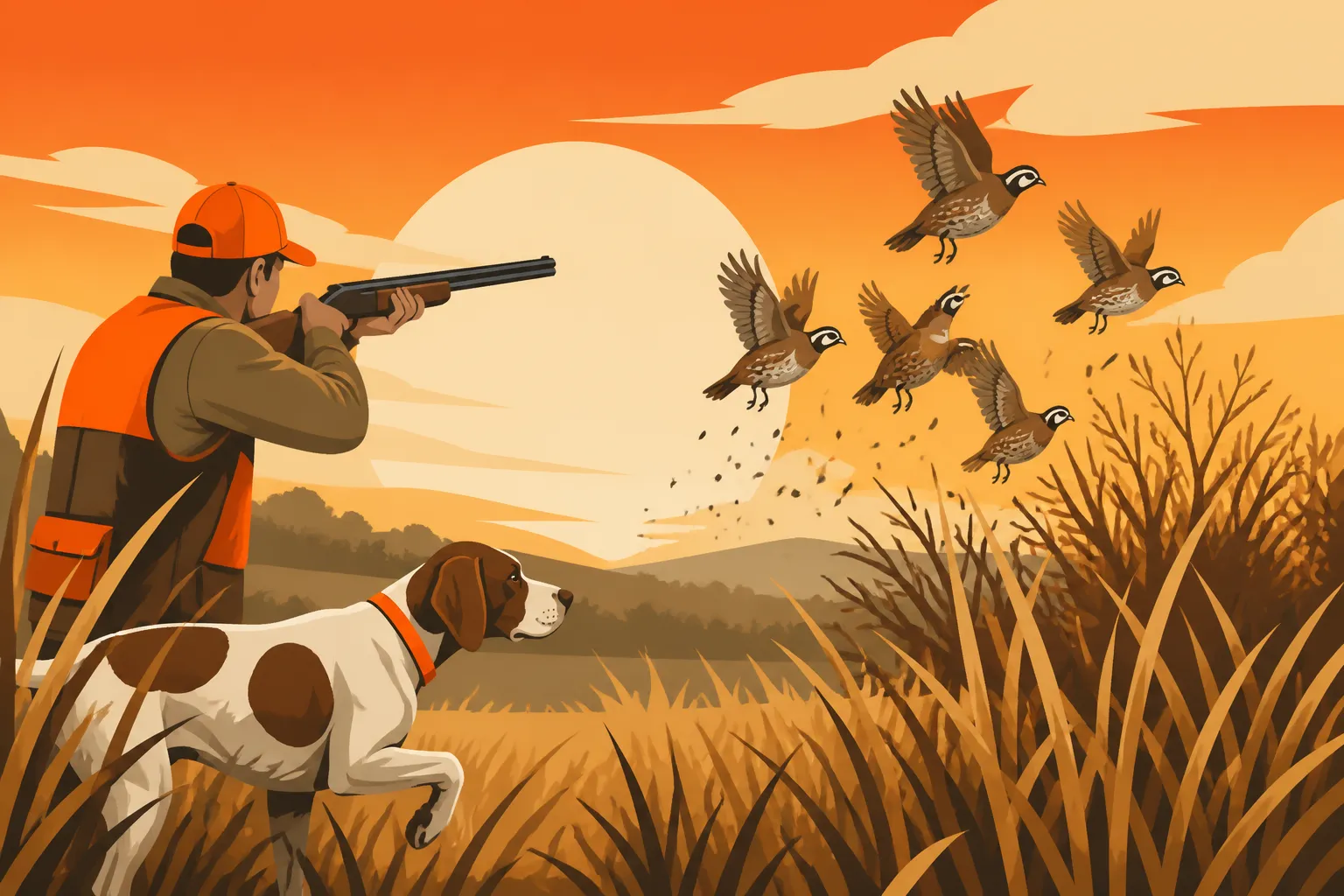
When your dog locks up on point, the real dance begins. This isn't the time to rush in carelessly; doing so can cause a premature flush, scattering birds before anyone is ready. Instead, approach slowly and deliberately, paying close attention to your dog's intensity. If you have multiple hunters, communicate clearly about who will approach from which side to maximize coverage and ensure safety. Often, one hunter will take the lead, walking in from the direction the dog is pointing, while another hunter or two positions themselves slightly to the sides, creating a wider net for the birds as they flush.
The lead hunter should walk with purpose, but not haste, directly towards the anticipated flush point. Keep your gun ready, held in a low-ready position, allowing for a quick mount to the shoulder. Pay attention to the terrain – uneven ground, briars, or thick cover can trip you up or impede your swing. Your footwork needs to be steady and balanced. Sometimes, just as you get close, the birds might run a bit, and your dog might creep or reposition. Trust your dog, but be prepared for anything. This slow, deliberate approach ensures everyone is mentally and physically ready for the explosive rise that's about to occur.
The Flush: Deciding Your Shot
When that covey explodes, it's a sensory overload. The sudden, drumming sound of wings, the flurry of motion, and the sheer number of birds can make even seasoned hunters freeze up for a split second. The key to success is staying calm, picking a bird, and making a decisive move. Don't try to shoot into the "middle" of the covey; that rarely works. Instead, focus on a single bird as it gains altitude or clears the immediate cover. Pick one, swing with it, and pull the trigger. Then, if time and safety allow, quickly acquire a second bird.
Your shotgun choice and gauge play a significant role here. Many quail hunters favor lighter gauges like a 20-gauge or even a 28-gauge, which are quick to mount and maneuver. For ammunition, shot sizes 7.5 or 8 are standard, delivering a dense pattern that's effective on small birds without over-killing them. Choke choice is also critical. For the initial covey rise, a more open choke like Skeet or Improved Cylinder is often preferred, giving you a wider pattern to account for the rapid, unpredictable flight of multiple birds. The Black Belt's mixture of open fields and dense brush means you'll rarely get long-range shots on a covey. Focus on getting your gun mounted smoothly, tracking your chosen bird, and making a clean shot.
After the Rise: Singles and Follow-Up
The covey rise is just the beginning of the hunt. After the initial explosion, those birds don't simply vanish; they scatter and become single, often even more challenging, targets. This is where a good dog and keen observation skills truly shine.
Marking Singles and Relocating Birds
The moment the covey flushes, pay close attention to the individual birds that peel off and fly in different directions. This is called "marking singles." Try to pick out landmarks – a specific tree, a dip in the terrain, a bush – where you see birds pitch down. This is where a mapping application, such as the GoHunt platform, can become an invaluable tool. Many hunters use these apps to drop a pin precisely where they think a single bird landed. The accuracy of GPS on modern devices is incredible, and while a pin won't guarantee you find the bird, it gives your dog a much smaller area to work.
After the initial excitement, take a breath, retrieve any birds downed from the covey rise, and then turn your attention to those marked singles. Often, birds will fly a couple of hundred yards, sometimes more, before dropping into cover. The stronger your dog's retrieving instincts, the better your chances. But even the best retriever needs guidance, and your mental map (or your GoHunt pins) will be crucial. Remember, these singles will often hold much tighter than covey birds, sometimes even running a little before flushing again. Patience is key. This careful approach can truly maximize your success, especially when considering the strategies for filling a three-buck season limit, which also stresses careful post-shot actions.
Working Singles: A Different Challenge
Working single birds requires a different mindset and approach than tackling a covey rise. A single quail that has been flushed and landed often holds incredibly tight, sometimes refusing to fly until you're nearly stepping on it. This can be frustrating, especially in thick cover, but it also creates some of the most satisfying points and flushes of the day. Your dog will work these birds differently, often with a more intense, methodical approach, knowing there's only one bird to find.
When your dog points a single, approach cautiously. These birds are often more prone to running, so be prepared for your dog to relocate the point a few times. Once you're in position, kick through the cover around your dog. The flush of a single is less dramatic than a covey, but the bird's flight can be equally erratic. Be ready for a quick, close-range shot. Since the bird is alone, it's less likely to be obscured by others, offering a clearer shot opportunity. Many hunters will switch to a tighter choke, like Modified or even Full, on their second barrel if they anticipate longer shots on running singles, but for most Black Belt hunting, Improved Cylinder or Modified is usually sufficient. Remember, every single bird you bring to hand is a testament to your dog's skill and your perseverance.
Essential Gear and Best Practices for Black Belt Quail Hunting
Beyond the strategy of the hunt itself, having the right gear and adopting best practices ensures a safer, more enjoyable, and ultimately more successful experience in the field.
Shotguns, Ammunition, and Choke Choices
Choosing the right firearm and ammunition is paramount for quail hunting. While any shotgun can theoretically harvest a quail, certain configurations make the job much more efficient and enjoyable. As mentioned, lightweight shotguns in 20-gauge or 28-gauge are incredibly popular. Their lighter recoil and quick handling are perfect for the fast-paced action of a covey rise. A 12-gauge can certainly work, but its heavier weight and recoil might be less desirable over a long day of walking.
For ammunition, shot sizes 7.5 and 8 are the standard. They provide a dense pattern with enough energy to cleanly dispatch a small quail without excessive damage to the meat. You might consider carrying a mix—perhaps 8s for the first barrel on a covey rise and 7.5s for the second shot or for working singles. When it comes to chokes, a common setup is an Improved Cylinder or Skeet choke in the first barrel for the wide, fast-spreading covey flush, and a Modified choke in the second barrel for slightly longer shots on singles or birds that get away further. This versatility ensures you're prepared for the unpredictable nature of quail hunting.
Dog Care and Handling in the Field
A well-trained bird dog is not just an asset; it's the heart and soul of wild quail hunting. Without a good pointing dog, finding these secretive birds in the dense Black Belt cover becomes incredibly challenging. But a dog is a partner, and their care is your responsibility. Hydration is non-negotiable. Carry plenty of water and offer it frequently, especially on warm Alabama days. Dogs can overheat quickly.
Foot care is also critical. Alabama's terrain can be rough, with briars, sharp sticks, and abrasive dirt. Inspect your dog's pads regularly for cuts or abrasions. Many hunters use protective booties, especially for dogs with sensitive feet. Furthermore, a good GPS collar system, while not essential, can be a game-changer for keeping track of a wide-ranging pointer, giving you peace of mind that you can always locate your valuable partner, even if they range far in search of birds. A well-cared-for dog hunts harder, longer, and safer.
Technology for Enhanced Success
While quail hunting is a traditional pursuit, modern technology offers some fantastic tools to enhance your experience. Handheld GPS devices or mapping applications on your smartphone have revolutionized scouting and navigation. Platforms like GoHunt offer detailed satellite imagery, topographic maps, and the ability to mark waypoints for bird locations, truck parking, or even where a dog went on point. This kind of detailed mapping is invaluable for scouting Alabama public land before season. Before you even step foot in the field, you can study aerial photos to identify prime quail habitat—the edges of timber and fields, old clear-cuts, or areas with good linear cover.
In the field, these mapping tools help you navigate unfamiliar terrain, stay aware of property lines (especially crucial when hunting near private land boundaries), and, as mentioned, accurately mark the fall location of flushed singles. Some hunters also use long-range binoculars or monoculars to spot their dogs at a distance, particularly in open fields or rolling terrain. These tools, used judiciously, complement traditional hunting skills, giving you an edge in the challenging pursuit of wild bobwhite quail in Alabama.
| Feature | Covey Rise (First Shot) | Singles (Second Shot/Follow-up) |
|---|---|---|
| Gauge | 20ga, 28ga (12ga also acceptable) | 20ga, 28ga (12ga also acceptable) |
| Shot Size | 7.5 or 8 (dense pattern for multiple birds) | 7.5 or 8 (consistent pattern for single birds) |
| Choke | Skeet or Improved Cylinder (wide pattern) | Modified or Full (tighter pattern for range) |
| Pace | Fast, instinctive shot | More deliberate, often closer range |
| Dog Work | Initial point, steady to flush | Marking fall, re-pointing in cover |
| Hunter Focus | Pick a single bird, swing, shoot | Locate marked bird, prepare for tight flush |
Disclaimer
Hunting is an activity with inherent risks. Always prioritize safety, follow all local, state, and federal regulations, and practice ethical hunting practices. The information provided here is for educational and informational purposes only and should not be taken as legal advice. Always consult official Alabama Department of Conservation and Natural Resources (ADCNR) resources for the most up-to-date regulations and licensing requirements.