Blood Trailing After Dark in Alabama
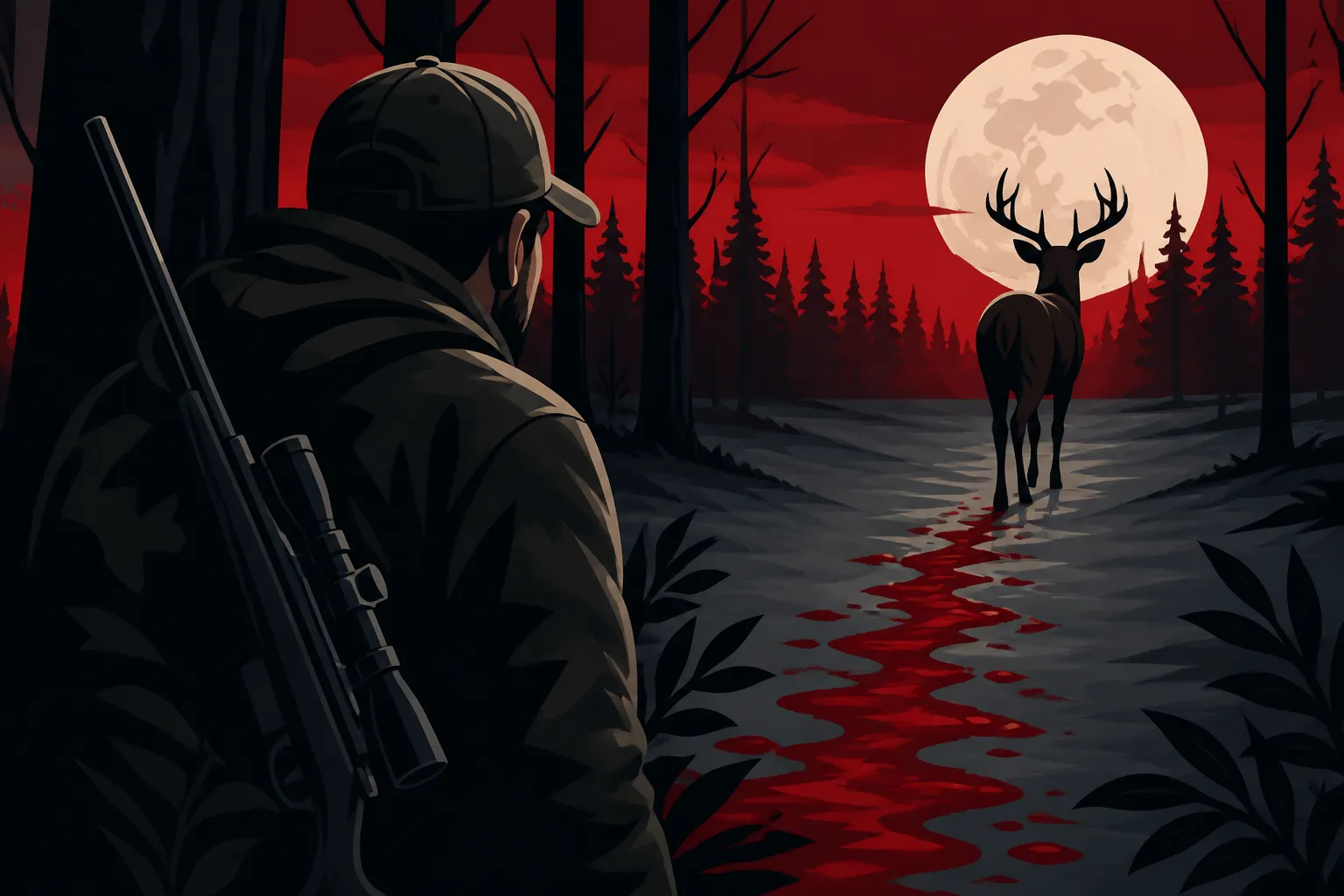
The heart-sinking feeling of making a shot as dusk descends, only to find a sparse blood trail that quickly vanishes into the deepening shadows, is a scenario every Alabama hunter dreads. Losing a deer after dark isn't just frustrating; it’s an ethical challenge that weighs heavily on the conscience. This guide is here to equip you with the knowledge, tools, and techniques needed to confidently and successfully blood trail a wounded deer through the Alabama night, ensuring you do everything possible to recover your animal.
Understanding the Unique Challenges of Night Trailing
Trailing a wounded deer during daylight hours is already a meticulous task, but when darkness falls over the Alabama woods, the difficulty level ramps up significantly. You're not just fighting against the clock; you're battling optical illusions, natural elements, and your own weary mind.
The Vanishing Blood Trail
As the sun dips below the horizon, even the brightest crimson against the forest floor can seem to disappear. What was a clear, albeit faint, path in the fading light becomes an impossible riddle in pitch black. Dew begins to settle, especially in those damp creek bottoms or open fields, diluting and washing away precious blood sign. A light rain, common in Alabama's milder hunting seasons, can compound this issue, turning what was a viable trail into a ghost. Beyond just the elements, Alabama's abundant wildlife, from opossums to coyotes, can quickly move in on a downed or wounded animal, further complicating the recovery. Knowing how to interpret any sign, not just blood, becomes critical.
Mental and Physical Fatigue
After a day of hunting, often involving long walks, stand sits, and the intense focus leading up to the shot, your mind and body are already taxed. The rush of adrenaline from the shot itself can quickly turn into anxiety and exhaustion as you face the daunting task of trailing in the dark. This mental fatigue can lead to rushed decisions, overlooked signs, and even getting disoriented in familiar territory. Patience, often preached but rarely fully practiced, becomes your most valuable asset here. You might feel a desperate urge to push forward, but a slow, methodical approach is almost always more effective.
Legal and Ethical Considerations
In Alabama, the ethical responsibility to recover wounded game is paramount. It’s part of the hunter's code. However, you also need to be aware of the practical and legal boundaries. While it's generally permissible to track a wounded animal at night, specific local regulations or private property lines might present challenges. If you suspect the animal has crossed onto private land, seeking permission from the landowner before continuing the pursuit is crucial. Knocking on a farmer's door at 10 PM isn't ideal, but it’s far better than being accused of trespassing. Always ensure your firearm is unloaded and cased when moving across properties or if you cease active hunting for trailing, especially if crossing public roads. Familiarize yourself with the nuances of Alabama hunting regulations concerning nighttime activities.
Essential Gear for Successful Night Trailing
You wouldn't head into the woods without your rifle or bow, and you shouldn't attempt a dark-hour blood trail without the right tools. Preparation is key, and having the right gear can make the difference between a successful recovery and a lost animal.
Lighting Solutions
This is perhaps the most critical piece of equipment. You'll need more than just your phone's flashlight.
- High-Lumen Flashlights: A powerful handheld flashlight (or two!) with a focused beam is indispensable. Look for models with at least 500-1000 lumens. A headlamp is also crucial, freeing up your hands for marking the trail or carrying other gear. Consider models that offer different light settings, including a low-light red or green option which can preserve your night vision while still offering enough illumination for close-up inspection.
- Specialized Blood Tracking Lights: Many hunters swear by specialized lights designed to enhance blood visibility. These often use specific wavelengths (like green, blue, or UV) that cause blood to stand out more vividly against natural foliage. While not a magic bullet, they can certainly aid in distinguishing faint specks of blood that might be missed by a standard white light. Brands like Primos and Coyote Light offer popular options.
- Backup Lights and Batteries: Always, and I mean always, carry spare batteries for all your lights. If you're using rechargeable lights, ensure they're fully charged before you head out, and consider a portable power bank. Getting deep into a trail only for your main light to die is a nightmare scenario.
Marking the Trail
Losing the trail is easy, especially when you lift your head to scan ahead. Marking every speck of blood or every piece of sign is vital for maintaining direction and being able to re-trace your steps if needed.
- Fluorescent Marking Tape or Toilet Paper: These are your best friends. Tie small pieces of tape or strips of toilet paper on branches or bushes above each blood spot you find. The bright color will be visible even in low light with your flashlight. Toilet paper is great because it degrades naturally and leaves no lasting impact on the environment.
- Reflective Tacks or Flags: For longer trails, especially if you anticipate having to leave and return, reflective tacks can be invaluable. They catch light from your flashlight at a distance, making it easier to see the path you've already covered. Some hunters use small, brightly colored flags that are easily spotted during daylight if the recovery extends into the next morning.
- GPS Devices or Mapping Apps: A reliable GPS unit or a hunting app like GoHunt on your smartphone is incredibly useful. You can mark each significant blood sign as a waypoint, creating a digital breadcrumb trail. This allows you to visualize your progress, note the animal's direction of travel, and easily navigate back to your starting point or your vehicle. When you're Scouting With the Outdoor Alabama App before the season, take the time to learn its GPS functions.
Personal and Safety Gear
Don't forget the essentials for your own comfort and safety.
- Warm, Waterproof Clothing: Alabama nights, even in fall, can get surprisingly chilly, especially after sitting still for a while. Add dew, potential rain, and wading through damp undergrowth, and you can quickly get uncomfortably cold and wet. Layered, waterproof clothing is a must.
- Insect Repellent: Mosquitos and ticks don't clock out just because the sun does. A good repellent is crucial for maintaining focus and avoiding annoying bites or potential disease.
- First-Aid Kit: Accidents happen, especially when navigating unfamiliar terrain in the dark. A basic first-aid kit with bandages, antiseptic wipes, pain relievers, and any personal medications is essential.
- Communication Device: A fully charged cell phone is a given, but be aware that service can be spotty in many remote Alabama hunting areas. Consider a satellite messenger or a two-way radio if you're with a partner and covering significant ground.
- Water and Snacks: Staying hydrated and keeping your energy up will help combat fatigue and maintain focus during a potentially long night of trailing.
| Light Type | Primary Benefit | Best Use Case | Pros | Cons |
|---|---|---|---|---|
| High-Lumen White Light | General illumination, broad spectrum | Initial trailing, general navigation | Powerful, versatile, common | Can wash out faint blood, harsh on eyes |
| Dedicated Blood Tracking | Enhances blood contrast | Faint or sparse blood trails, detailed checks | Specialized to make blood "pop" | Often lower lumens, less versatile |
| Headlamp | Hands-free operation | Marking trail, field dressing, steady light | Keeps hands free, good for close work | Beam follows head movement, limited range |
| UV/Blue Light | Reacts with specific blood components | Micro-drops of blood, dried blood | Can reveal otherwise invisible sign | Expensive, less effective on fresh blood |
| Green Light | Good contrast, preserves night vision | General trailing, less jarring on eyes | Good balance of visibility and comfort | Not as specialized as UV for blood |
Mastering Night Trailing Techniques
Successfully trailing a deer at night is less about brute force and more about meticulous technique, sharp observation, and unwavering patience.
Slow and Methodical Progress
This is the golden rule of night trailing. Once you've established the shot and given the deer enough time, approach the last known blood sign. Mark it with tape or toilet paper. From there, your progress should be painfully slow.
- Mark Every Speck: Every single drop, smear, or disturbed leaf that you can definitively identify as a sign of the wounded animal should be marked. This creates a clear path and allows you to look up and scan without losing your last known point.
- Grid or Expanding Circles: If the trail vanishes, don't panic. Go back to your last marked spot. From there, you can move in an expanding grid pattern or slow circles, radiating out from the last known sign. Get low, look at the ground from different angles, and use multiple light sources simultaneously. Sometimes, it's about seeing the absence of something (like disturbed leaves) as much as seeing the blood itself. When Tracking a Deer Through Alabama Pine Straw, pay close attention to bent or broken straw that indicates foot placement.
- Look for Secondary Signs: Blood is king, but it's not the only indicator. Look for disturbed leaves, scuffed earth, broken twigs, or hair caught on briars. Even subtle changes in vegetation can indicate an animal's passage. If it's a gut shot, look for stomach contents or watery fecal matter. These non-blood signs often become crucial when the blood trail dwindles. Understanding Reading Alabama Mud for Fresh Deer Movement can also help, as fresh tracks will stand out in the softer ground of river bottoms or damp areas.
- Utilize Multiple Light Sources and Angles: Don't just hold your flashlight straight down. Angle it sharply from the side, then from the other side. This creates shadows that can make faint blood drops pop out that were invisible with a direct overhead light. If you have a partner, have them shine their light from a different angle simultaneously.
The Importance of a Tracking Partner
While a solo night trail is possible, having a partner dramatically increases your chances of success and enhances safety.
- Two Sets of Eyes are Better Than One: Quite simply, two people can cover more ground visually, scrutinize different areas, and spot signs one person might miss. One person can focus on the immediate trail while the other marks or scans slightly ahead.
- One Person on the Trail, One Marking: A common and effective technique is for one person to be the "trailer," keeping their eyes glued to the ground and searching for the next sign. The other person acts as the "marker," walking behind the trailer, placing tape or flags, and potentially scanning a wider area or acting as an anchor point if the trailer gets ahead.
- Maintaining Communication: Constant, clear communication is essential. If one person finds blood, they alert the other. If the trail goes cold, both come back to the last known point to reassess. This prevents unnecessary backtracking and frustration. It's also a safety measure, as it's easy to get separated in the dark. If you're planning a Deer Drives With Three or Four Hunters, having a designated trailing team ready can save valuable time.
When to Call in a Tracking Dog
Sometimes, despite your best efforts, the trail goes cold, or you're simply unable to find enough sign to continue. This is where a trained tracking dog can be a game-changer.
- Understanding Their Capabilities: A properly trained and certified tracking dog can follow a scent trail that is completely invisible to the human eye, even hours after the shot, and often through challenging conditions. These dogs are specifically bred and trained for this exact purpose.
- Finding Certified Tracking Dog Services in Alabama: Alabama has a growing community of certified tracking dog handlers. Do your research before the season starts. Keep a list of handlers and their contact information in your phone or wallet. Websites like United Blood Trackers or various state-specific tracking dog associations can provide lists of certified handlers in your area.
- Legal Aspects of Using Tracking Dogs at Night: Generally, using a leashed, certified tracking dog for game recovery is legal in Alabama. However, it's always wise to double-check the latest regulations and confirm with your chosen handler. They will be well-versed in the specifics. Don't wait until morning if you think you need a dog – the fresher the trail, the better their chances.
Post-Recovery Considerations
Congratulations, you've successfully recovered your deer in the dark! But the work isn't quite done. There are still important steps to take to ensure a complete and respectful harvest.
Field Dressing in the Dark
Field dressing a deer at night is challenging, messy, and cold, but it’s often necessary, especially in Alabama’s warmer climates where meat spoilage can occur rapidly.
- Proper Lighting: You'll need excellent lighting for this. A bright headlamp is essential, and a hands-free portable lantern or another person holding a powerful flashlight will make the job much easier.
- Safety Precautions: Be extra careful with your knife. The darkness, cold, and fatigue increase the risk of an accident. Go slow, know where your hands are, and consider wearing cut-resistant gloves. Learn the proper techniques for Field Dressing a Deer in Warm Weather, as doing it quickly and efficiently can protect your venison.
- Handling the Carcass: Once field dressed, cool the carcass as quickly as possible. If temperatures are warm, even a few hours can make a difference. Get it to your vehicle and then to a cooler or processing facility. If it’s very late, consider hanging it in a well-ventilated, secure spot if you have access to a deer camp and can resume transport in the cool morning. For tips on how to prepare your harvest, check out our guide on Butchering a Deer at Camp.
Reporting Your Harvest
Alabama has a mandatory Game Check system, and it's your legal responsibility to report your harvest promptly.
- Alabama's Game Check System: You can report your deer online via the Outdoor Alabama website or through their mobile app. You'll need your license number, the date of harvest, county, deer zone, sex of the deer, and the type of antler (if applicable).
- Understanding the Reporting Deadlines: While it's best to report as soon as possible, Alabama law generally requires you to report your harvest within 48 hours of taking the animal. Don't let the fatigue of a late-night recovery cause you to forget this important step. Our article on Reporting a Deer Through Game Check has all the details.
Learning from the Experience
Every hunt, especially one involving a challenging recovery, is a learning opportunity.
- Reviewing Shot Placement: Take the time to analyze your shot. Where did the arrow or bullet enter and exit? How far did the deer run based on your marks? This helps you understand the effectiveness of your shot and refine your aiming points for future hunts.
- Analyzing the Blood Trail: Look at the quality and quantity of blood. Was it bright red and frothy (lung)? Dark and thick (liver)? Watery with gut contents (gut)? This post-analysis helps you better interpret blood sign in the future and estimate potential recovery times.
- Improving Future Hunting and Trailing Skills: What worked? What didn't? Did you have enough light? Was your GPS charged? Every difficult trail makes you a better, more prepared hunter. Remember that factors like Wind and Thermals on a Piedmont Ridge can affect a deer's behavior after the shot and thus impact the trail. Consider how Hunting Pressure on Alabama Public Land might influence deer movement after being wounded.
Ultimately, blood trailing after dark in Alabama is a test of skill, patience, and ethics. With the right gear, methodical techniques, and a commitment to responsible hunting, you can turn a potentially heartbreaking situation into a rewarding recovery.
Disclaimer
The information provided in this guide is for informational purposes only and is not a substitute for official regulations. Hunters are responsible for knowing and adhering to all current Alabama hunting laws and regulations. Always prioritize safety, obtain proper licenses, and respect private property.