What Lodge Meals Typically Include
After a long, chilly morning in a deer stand or a strenuous walk through a Black Belt quail field, there's little that warms the soul and re-energizes the body quite like a hearty, delicious meal. Many hunters assume that "lodge meals included" means they're set, but the reality of what to expect from the dining experience can vary widely. This guide will meticulously break down the typical culinary offerings at Alabama hunting lodges, helping you understand what's usually on the menu and what you might want to clarify before booking your next guided hunt.
The Core Culinary Experience: What to Expect from Lodge Meals
When you book an Alabama hunting trip that includes lodging and meals, you're often signing up for more than just sustenance; you're joining a tradition of hospitality. These aren't typically gourmet restaurants, but rather places that understand the specific needs of hunters: warmth, comfort, and plenty of calories. The focus is almost always on satisfying, home-style cooking designed to fuel your days afield and provide comfort in the evenings.
Hearty Southern Comfort Food is King
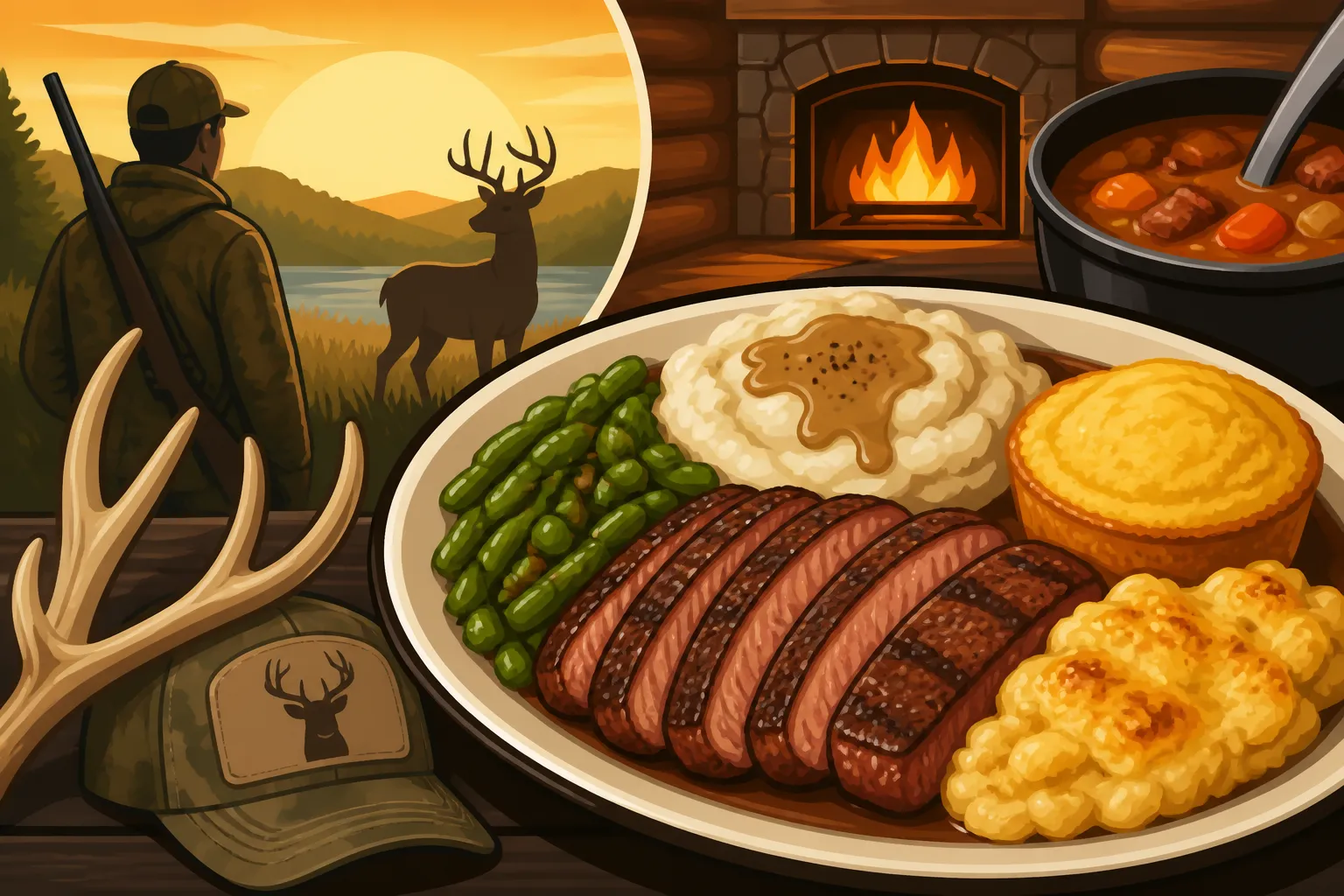
Expect your taste buds to be treated to a genuine taste of the South. Alabama lodges pride themselves on serving up meals that feel like they came straight from grandma's kitchen, often with a hunter's appetite in mind. This usually means generous portions and dishes that stick to your ribs. You might find anything from slow-cooked roasts to fried chicken, with plenty of Southern staples like collard greens, mashed potatoes, and cornbread rounding out the plates. The idea is to send you out full and bring you back to something just as filling. It’s all part of the unique experience of Alabama Deer Camp Traditions.
Often, the lodge will have a dedicated cook or a small team that specializes in turning out these comfort-focused meals. They know that after hours in the crisp morning air, hunters aren't looking for small plates and delicate flavors; they want robust, satisfying food that makes them feel at home. This attention to hearty fare is a hallmark of many Alabama hunting lodges, making the meal experience an integral part of the overall adventure.
The All-Important Breakfast Spread
The most crucial meal of the day for any hunter is breakfast, and lodges usually treat it with the respect it deserves. You’ll rarely find a meager continental spread. Instead, prepare for a full-on Southern breakfast designed to give you the energy you need for a long morning hunt, whether you're climbing into a treestand or chasing a gobbler. Think hot, fresh coffee brewing from before dawn, often accompanied by big plates of scrambled eggs, crispy bacon, savory sausage patties, and fluffy biscuits.
Many lodges will also offer creamy grits, sausage gravy, and maybe even a pancake or waffle option to truly load you up. The timing is usually early, ensuring you have plenty of time to eat, gather your gear, and make it to your hunting spot before first light. It’s a vital ritual, not just for nutrition but for the camaraderie it fosters as hunters quietly prepare for the day ahead. Some places even offer a 'grab and go' option if you're an early bird looking to hit the woods even before the main breakfast is ready.
Packed Lunches and Mid-Day Sustenance
For many guided hunts, especially for deer or turkey, the expectation is that you'll be out in the field for the better part of the day. This means lunch typically isn't a sit-down affair back at the lodge. Most Alabama outfitters understand this and will provide a packed lunch that you can take with you. These usually consist of practical, easy-to-eat items that don't require heating and can withstand being carried in a backpack.
You can often expect a sandwich – perhaps ham and cheese, turkey, or even a classic peanut butter and jelly – along with some portable snacks. Think bags of chips, a piece of fruit like an apple or banana, a cookie or a brownie, and a bottled water or soft drink. The goal is to provide enough calories and hydration to keep you going until you return to the lodge for dinner. While it might not be fancy, a solid packed lunch is invaluable for maintaining energy and focus when you're sitting patiently in a blind or still-hunting through the timber. It's a critical component of what makes for a successful day afield, allowing you to stay on stand longer without succumbing to hunger.
Beyond the Basics: Understanding Meal Service Nuances
While the core of lodge dining revolves around hearty, home-style meals, there are often subtle differences in how these services are delivered and what additional provisions are made available. Understanding these nuances can enhance your experience and help you prepare for your trip.
Dinner: The Day's Culmination and Social Hub
Dinner at an Alabama hunting lodge is often the highlight of the day's culinary experience. After the afternoon hunt concludes, hunters return to a warm, inviting lodge environment, often greeted by the tantalizing smells of a freshly prepared meal. This is where the stories are shared, the day's successes (and misses!) are recounted, and the bonds of fellow hunters are forged. The menu often continues the theme of Southern comfort food but can sometimes feature local specialties or even wild game harvested by previous hunters, if the lodge prides itself on farm-to-table freshness.
Expect dishes like roasted chicken, pork loin, a classic pot roast, or even a fish fry, especially if the lodge is near a prominent water source. Side dishes are typically abundant and varied, including staples like green beans, macaroni and cheese, sweet potato casserole, and fresh garden salads. Dessert is also often part of the evening meal, providing a sweet finish to a satisfying day. Dinner is more than just food; it’s a communal event, a chance to unwind, laugh, and discuss tactics for the next day's hunt. It’s definitely a time to reflect on topics like Hunting the Alabama Rut by Zone or Late-Season Food Sources for Alabama Whitetails.
Snacks, Drinks, and Special Requests
Beyond the structured meals, many lodges will have some provisions for snacks and drinks throughout the day. This might include a snack bar with granola bars, cookies, or fruit, and a cooler stocked with soft drinks and water that guests can access. Coffee is usually available all day, a welcome amenity for those early mornings and late-night story sessions. However, the extent of these extra offerings can vary. Some lodges might have a fully stocked fridge, while others might offer a more limited selection.
If you have specific dietary restrictions or allergies – whether it's gluten-free, vegetarian, or a severe nut allergy – it's absolutely crucial to communicate this with the outfitter well in advance of your trip. While many lodges are accommodating, they need time to plan and purchase special ingredients. Don't assume they can cater to every need on the fly. Some might be able to easily adjust, while others might have limited options, or even charge an additional fee for highly specialized requests. This is one of those Questions to Ask Before Booking an Alabama Hunt.
Alcohol Policies at Alabama Hunting Lodges
This is a common question, and the answer can vary quite a bit, so it’s always best to clarify directly with the outfitter. Generally, most Alabama hunting lodges operate under a few common policies. Some lodges might have a strict "no alcohol" policy, especially if it’s a family-oriented lodge or they want to maintain a focused hunting environment. More commonly, lodges allow guests to bring their own alcoholic beverages for consumption in moderation during evening social hours. They might even provide a designated area or fridge for guest beverages.
A few upscale lodges might have a small bar with beer, wine, or spirits available for purchase, but this is less common for typical hunting camps. What is almost universally prohibited, however, is consumption of alcohol before or during a hunt for obvious safety reasons. You'll find that lodges are very serious about safety afield, and that extends to ensuring hunters are clear-headed and focused. Always respect the lodge’s rules on this; it’s for everyone’s safety and enjoyment. You can often find specifics on the lodge's website or by asking directly when you book through platforms like BookYourHunt or GoHunt.
Reading Between the Lines: What "Lodge Meals Included" Really Means
The phrase "lodge meals included" sounds comprehensive, but like many things in life, the devil can be in the details. It's important to understand not just what is typically provided, but also what might not be, to avoid any surprises during your stay.
Clarifying What's Not Always Covered
While three square meals and basic drinks are usually part of the package, there are often things that fall outside this scope. For example, if you prefer specific premium beverages – say, a particular brand of soda, craft beer, or top-shelf liquor – these are almost certainly not included and would be your responsibility to bring. Similarly, specialized snacks beyond basic offerings, such as protein bars, specific diet snacks, or unique treats, are usually things you'll want to pack yourself. Think of it this way: the lodge provides a general menu for the majority; personal indulgences are often on you.
Also, as mentioned before, highly restrictive or medically necessary diets might incur an extra charge or require you to bring some of your own supplemental items. Don’t assume that "meals included" means they can replicate your exact home diet. It means they'll feed you well within their established Southern-style framework. Always get specific confirmations if you have significant dietary needs, as it might impact the type of hunt or lodge you choose from resources like BookYourHunt.
The Role of Lodge Staff and Tipping Etiquette
It’s important to remember that the individuals preparing and serving your meals are often part of the lodge staff who work tirelessly to ensure your comfort and enjoyment. These often unsung heroes contribute significantly to your overall experience. Just like your hunting guide, these staff members, including the cooks, housekeepers, and general lodge assistants, are typically compensated through a combination of their salary and tips from appreciative guests.
When considering Tipping Guides and Dog Handlers, remember to extend that same consideration to the lodge staff who keep you fed and comfortable. A common practice is to leave a general tip for the lodge staff at the end of your stay, which the manager or owner can then distribute. This acknowledges their hard work in making your stay enjoyable, from the hot coffee in the morning to the delicious dinner at night. A general guideline might be to allocate a certain percentage of your total trip cost for all tips, ensuring everyone who contributed to your experience is recognized.
Planning for Your Palate: Tips for a Satisfying Culinary Hunt
To truly make the most of your Alabama hunting trip, a little pre-planning regarding your dining experience can go a long way. Don't leave your comfort to chance; be proactive and prepare.
Asking the Right Questions Before You Book
Before you commit to a guided hunt, especially if food is a significant part of your enjoyment or if you have specific needs, take the time to ask detailed questions about the meal plan. Don't be shy – a reputable outfitter will appreciate your thoroughness. Inquire about a typical daily menu, asking for examples of breakfast, lunch, and dinner options. Clarify how packed lunches are handled, including what drinks are provided. This is especially helpful if you're looking at Alabama Lodge and Package Hunts.
If you have allergies, dietary restrictions, or strong food preferences, spell them out clearly and ask what accommodations can be made. Confirm if there are any extra charges for special requests. You can also ask about the availability of snacks and non-alcoholic beverages outside of meal times. The more information you gather upfront, the fewer surprises you'll encounter, and the more you can relax and focus on the hunt itself. Websites like GoHunt often list contact information directly, making these conversations easier to initiate.
Supplemental Snacks and Drinks for Personal Comfort
Even with hearty lodge meals, bringing a few personal snacks and drinks can significantly enhance your comfort, especially on long days afield or during downtime at the lodge. Consider packing energy bars, trail mix, or your favorite jerky for quick boosts while in the stand. Electrolyte packets to add to water can be a lifesaver on warmer hunting days, especially during early archery season or late-season turkey hunts.
Your favorite type of coffee, tea bags, or a specific flavor of soda might also be a welcome personal touch. A small cooler for your vehicle can be handy for storing these personal provisions. This is particularly true if you have a favorite beverage you like to enjoy after the hunt, or if you simply want something familiar to snack on. While the lodge provides the core, these small additions can make a big difference in making you feel right at home. It’s all part of preparing for What to Pack for a Guided Alabama Hunt.
Typical Lodge Meal Offerings
Here's a breakdown of what you can generally expect from the meals included at an Alabama hunting lodge:
| Meal Type | Common Offerings | Details & Notes |
|---|---|---|
| Breakfast | Eggs (scrambled), Bacon, Sausage (patties or links), Grits, Biscuits, Gravy (sausage, sawmill), Pancakes/Waffles | Usually served early, designed to be very filling. Hot coffee, juice, and milk are standard. Sometimes includes oatmeal or cold cereal as lighter options. A critical meal to fuel up before hitting the woods, often starting before dawn. Expect a social, yet focused, atmosphere as hunters prepare for the day. |
| Lunch | Sandwiches (ham, turkey, PB&J), Chips, Fruit (apple, banana), Cookies/Brownies, Bottled Water/Soft Drink | Typically packed for consumption in the field. Items are chosen for portability and ease of eating without requiring reheating. Hunters often grab these before heading out for the morning or during a short mid-day break. Focus is on quick energy and hydration. You'll likely stow this in your pack along with other essential gear, ensuring you can stay out longer on stand. |
| Dinner | Roasted Meats (chicken, pork loin, pot roast), Fried Chicken, Fish Fry, Steaks, Southern Vegetables (greens, beans) | A full, sit-down meal, often the largest of the day. Accompanied by sides like mashed potatoes, macaroni & cheese, cornbread, salads, and dessert. This is the main social event, where hunters share stories and unwind. The atmosphere is usually relaxed and communal, providing a perfect end to a day of hunting. Lodge staff may even incorporate wild game if available, adding a unique touch to the experience. |
| Snacks/Drinks | Coffee, Water, Soft Drinks, Granola Bars, Cookies | Availability varies. Coffee is generally self-serve throughout the day. Water and some soft drinks are usually accessible. Specific or specialty snacks often need to be brought by the hunter. Clarify what's available outside of structured meal times if you have particular needs or preferences. Some lodges might have a small selection of items for purchase, but don't count on it for specific brand-name items. |
Disclaimer
This article is for general informational purposes only and does not constitute professional advice. Laws, prices and regulations vary by location and change over time. Consult a qualified professional for guidance on your specific situation.