Family Membership Rules at Alabama Clubs
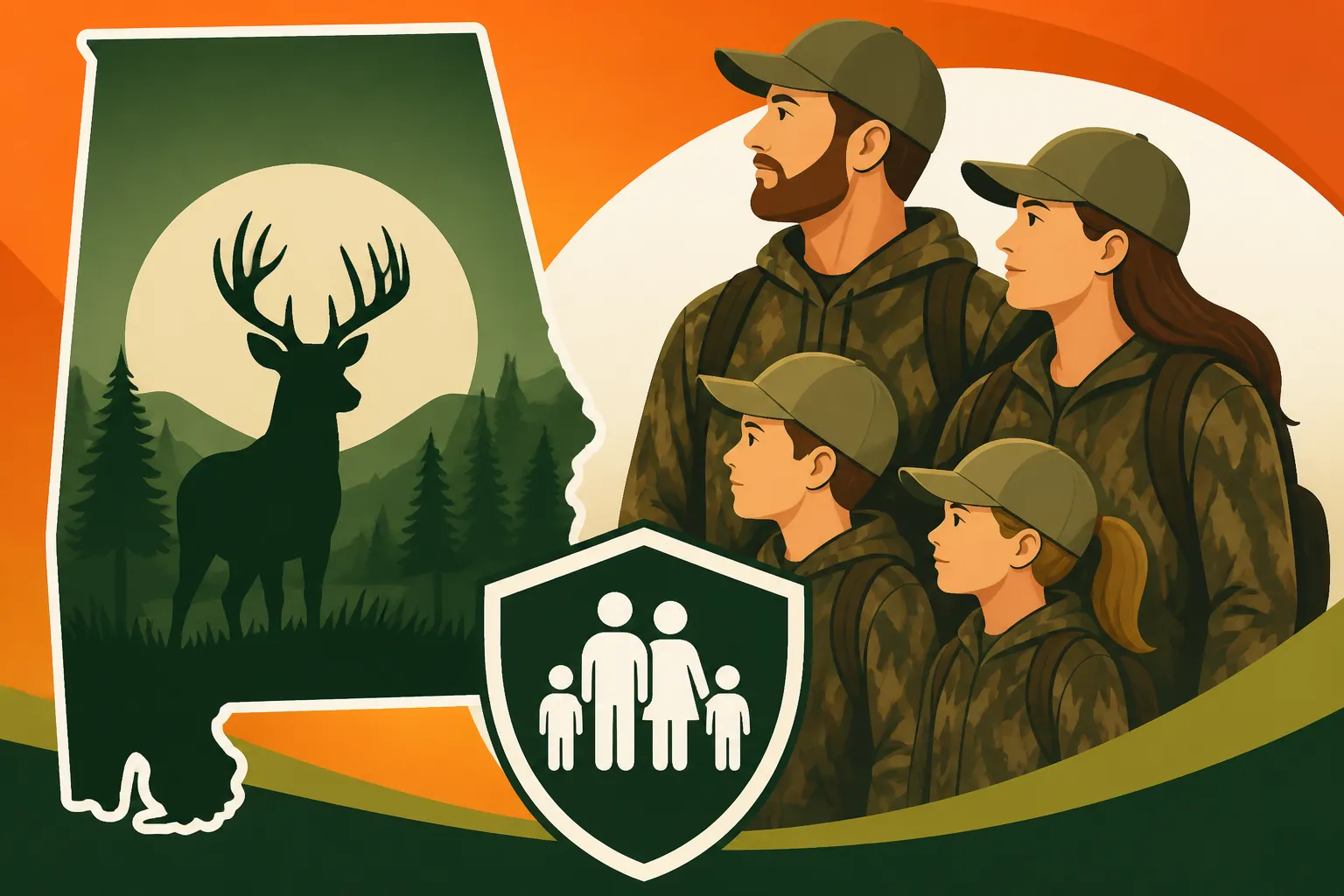
Finding the right hunting club in Alabama can feel like searching for a needle in a haystack, especially when you're looking to include your whole family in the experience. Many of us dream of sharing the outdoors and the tradition of hunting with our kids and grandkids, but club rules around family memberships can be a real head-scratcher, often leading to confusion and frustration. This guide will help you understand the common structures of family membership rules in Alabama hunting clubs, what questions you need to ask, and how to navigate those sometimes tricky bylaws to ensure your whole crew can enjoy the woods together.
The Lure of an Alabama Hunting Club for Families
For many Alabamians, hunting isn't just a pastime; it's a deep-rooted tradition, a way of life, and something that binds generations together. A hunting club can offer incredible access to prime hunting ground, shared resources, and a camaraderie that solo hunting often lacks. When you add family into the mix, that appeal only grows stronger.
Beyond Just the Hunting: A Family Tradition
Imagine crisp autumn mornings spent in a deer stand with your son, or quiet afternoons walking a food plot with your daughter learning to read tracks. These are the moments that truly stick with us, creating memories that last a lifetime. Joining a hunting club as a family means more than just having a place to chase deer or turkeys. It means having a consistent, safe, and often well-managed environment where you can introduce your children and grandchildren to the ethics of hunting, wildlife conservation, and the sheer joy of being in nature. Many clubs foster a strong sense of community, with shared meals at the lodge, workdays where everyone pitches in, and stories swapped around a fire. These social aspects are invaluable for solidifying family bonds and forging new friendships, making the club feel like a second home where traditions are not just maintained, but actively built. This is particularly true in areas like the Black Belt, where clubs often manage large tracts with family in mind.
Common Frustrations with Club Rules and Families
While the idea of a family hunting experience is idyllic, the reality of navigating club bylaws can be less so. It’s a common frustration: you find a club with great land, only to discover their definition of "family" is stricter than yours, or their guest rules make it nearly impossible for your kids to hunt without paying exorbitant extra fees. Perhaps your teenager, who has completed their Alabama Hunter Education Requirements, is ready to hunt independently, but club rules dictate they must always be directly supervised, even in a different stand. Or maybe you want your grandkids to join you for a weekend, but the guest policy severely limits how often they can visit or what species they can pursue. These limitations can really dampen the family hunting spirit, turning what should be a shared joy into a logistical headache. It’s crucial to understand these potential roadblocks upfront, because nothing sours a season faster than unexpected restrictions.
Understanding Different Family Membership Structures
Alabama hunting clubs vary widely in their approach to family memberships. There's no single statewide regulation that dictates how clubs must define "family" or what privileges those family members receive. Each club sets its own bylaws, often reflecting its history, land size, and the values of its members.
"Family" Defined: What Most Clubs Consider
When a hunting club talks about a "family membership," they usually have a specific definition in mind, and it's almost always narrower than a casual interpretation. Typically, it covers the primary member, their spouse, and their dependent children. Dependent children usually means minors living at home, or sometimes college students up to a certain age (e.g., 22 or 25) who are still financially supported by the primary member. Adult children who have moved out and started their own lives are often not included, requiring their own membership or coming as a guest. Grandchildren are even less likely to be directly covered under a standard family membership and might fall under guest rules.
It’s paramount to get these definitions in writing and ask for clarification during the application process. For instance, some clubs in the Wiregrass Region, often smaller, more informal arrangements, might be more lenient, while larger, more structured clubs in the Black Belt might have stricter definitions due to the demand for hunting pressure management. Don't assume anything; what one club calls "family" might be very different from another, and it could significantly impact your ability to hunt with loved ones.
Guest Privileges for Family Members Beyond the Primary Member
Even if certain family members aren't considered full "members" under a family plan, many clubs offer guest privileges that allow them to participate. However, these privileges come with their own set of limitations. You might find that your spouse or a non-dependent child can join you as a guest, but only for a limited number of days per season, or only for certain species, like small game during the Alabama Small Game Season Rules rather than prime deer hunting. Some clubs might have specific "youth hunting days" where minors can hunt free, but otherwise, they are considered a regular guest.
It's also common for clubs to require that guests, especially minors, be accompanied by the primary member at all times, or at least be on the property when the primary member is. This is not just a club rule but often tied to liability and Alabama Mentored Youth Hunting Rules. If your goal is for your child to eventually hunt on their own, ask if the club has a pathway for this, perhaps after reaching a certain age or demonstrating proficiency. Always clarify if a guest fee applies to family guests, and if there are any restrictions on guest frequency or the areas they can hunt within the club's territory.
Financial Implications of Family Membership
Let's be realistic: hunting club memberships in Alabama aren't cheap, and bringing the family along often adds to the cost. When comparing clubs, you'll usually see a tiered pricing structure: individual membership, family membership, and sometimes a youth-only add-on. A family membership will invariably cost more than a single membership, but it's typically less than buying individual memberships for every single family member. However, there can be hidden or extra costs.
For example, while a family membership might cover the basic hunting rights for your spouse and dependent children, it might not cover everything. You might need to purchase additional Alabama Hunting Licenses and What They Cost for each family member who plans to hunt, as these are personal licenses, not club benefits. Some clubs might charge per-person "lodge fees" if your family stays overnight, or have an additional fee for each deer harvested beyond a certain quota assigned to the primary member. If the club manages food plots or maintains roads, there might be mandatory workdays or an assessment fee that increases with the number of family members utilizing the club's resources. It's vital to get a full breakdown of all potential costs beyond the base membership fee, including potential increases for Alabama Hunting Club Dues and Costs for the family tier, so you can budget appropriately.
| Membership Type | Typical Coverage | Common Additional Costs | Guest Privileges for Extended Family |
|---|---|---|---|
| Individual | Primary member only | None, beyond base | Restricted; often limited days/species, fee per guest |
| Family (Standard) | Primary member, spouse, dependent children (minors) | Extra deer tags, lodge fees per person, certain amenities | Limited for adult children/grandchildren, often requiring guest fees |
| Family (Expanded) | Primary member, spouse, all children (regardless of age), sometimes grandchildren | Fewer per-person surcharges, but higher base fee | More generous for extended family, but still may have limits |
Navigating the Nuances: Key Questions to Ask Clubs
When you're serious about joining an Alabama hunting club, don't be shy about asking detailed questions. The clearer you are upfront, the fewer surprises you'll have down the road. This is especially true when trying to align club policies with your family's hunting aspirations.
Age Restrictions and Youth Hunting Opportunities
This is perhaps the most critical area for families. You need to understand precisely what age cutoff the club uses for "dependent" children. Is it 16? 18? 22 if they're in college? Beyond that, ask about rules for youth hunters. Can a 14-year-old legally hunt deer with a parent in the stand? Does the club have specific youth-only hunting days or weekends that align with Hunting the Alabama Youth Gun Weekend Dates? Are there requirements for supervision, even if your child is fully hunter-education certified and capable? Some clubs might insist on direct adult supervision for minors, meaning an adult must be in the same stand or within sight and sound. Other clubs, particularly those focusing on fostering new hunters, might offer more lenient policies for youth who have demonstrated responsibility and safety. Always clarify any specific mentorship requirements.
It's also worth asking about liability. If a minor is hunting, what are the club's expectations regarding parental responsibility? Do they require specific waivers? Understanding these details can help you plan your family's hunting outings safely and within club rules, whether you're chasing White-Tailed Deer Across Alabama or Wild Turkeys in Alabama.
Spouse and Grandchild Access
These are two common areas of ambiguity. Many standard family memberships include the primary member's spouse, assuming they are also interested in hunting. But what if your spouse isn't a hunter but enjoys coming to the camp for the social aspect or to relax? Are they still fully covered, or are there separate "non-hunting spouse" policies? This is particularly relevant if the club has a nice lodge or other amenities.
Grandchildren are even trickier. Most clubs don't automatically include grandchildren in a standard family membership. If you want to take your grandchildren hunting, you'll likely need to either pay a guest fee for them, or they might fall under stricter guest limitations. Ask if there's a specific "grandparent/grandchild" day or a discounted youth guest rate. Some clubs might have specific rules for adult children who bring their own kids (your grandkids) to the property; often, this means your adult child would need their own membership. These nuanced scenarios are where checking the specific bylaws or talking directly to a club officer is essential to avoid misunderstandings.
Usage Beyond Hunting Season
A hunting club isn't just for hunting season. Many families enjoy using the property year-round for activities like fishing, camping, hiking, or simply enjoying the outdoors. Clarify if a family membership grants access for these activities outside of the official hunting seasons. Some clubs may restrict off-season access to primary members only, or only allow other family members if the primary member is present. Others might have specific areas designated for recreational use, separate from hunting areas.
For example, if the club leases land near a good fishing stream, can your family go fishing during the summer? Are ATVs allowed for trail riding when deer season is closed? What about camping, especially during school breaks? These seemingly small details can greatly enhance the overall value of a family membership and make it a truly year-round family outdoor experience. Confirming these rules helps you maximize your investment and ensure your family can enjoy the property whenever they wish, not just during the pursuit of game.
Finding the Right Club for Your Family's Needs
Choosing a hunting club is a significant decision, both financially and in terms of time commitment. When your family is involved, it becomes even more critical to find a place that aligns with everyone's interests and expectations.
Prioritizing Family Values in Your Club Search
Before you even start looking at specific clubs, sit down with your family and discuss what truly matters to you all. Are you looking for a trophy-buck-focused club in Dallas County, or a more relaxed environment where kids can learn to hunt Squirrel and Small Game Hunting in Alabama? Does social camaraderie around a campfire outweigh strict rules about stand placement? Do you want a club that offers robust youth programs, mentorship opportunities, and easy access for new hunters? Some clubs are heavily focused on management and minimal pressure, which might mean fewer opportunities for younger hunters to simply "have fun" without strict harvest guidelines.
Don't just look at the acreage or the deer numbers. Consider the culture. Talk to current members if possible. Platforms like BookYourHunt often feature outfitters who run operations that feel much like a private club, offering insights into structured hunting experiences. While they primarily focus on guided hunts, some might have package deals that resemble membership or provide a good baseline for what a high-quality, family-friendly operation could look like. Use resources like Scouting With the Outdoor Alabama App and Reading Aerial Photos for Piedmont Deer to assess potential club lands if you get access during your research. The goal isn't just to find a place to hunt, but a community and an environment where your family can thrive in the outdoors.
Asking the Hard Questions During the Interview Process
Once you've narrowed down your choices, prepare a list of specific questions for the club president or membership committee. Don't rely solely on what's written in a short brochure. Get into the details. Here’s a checklist of things to ask about:
- Definition of "Family": Exactly who is included in the family membership? Spouses? Children? What's the age cutoff for dependent children? Are adult children included? Grandchildren?
- Guest Policies for Family: If extended family isn't covered, what are the Guest Day Rules at an Alabama Hunting Club? Are there fees? Limits on visits? What species can they hunt?
- Youth Hunting Rules: Are there specific youth-only hunts? What are the supervision requirements for minors? Is there an age or experience level where they can hunt independently?
- Access and Amenities: Can the entire family access the property for non-hunting activities (fishing, camping, hiking) year-round? Are there extra fees for lodge usage?
- Liability: What are the club's liability policies regarding minors and guests? Are waivers required?
- Rules Enforcement: How are rules enforced? What happens if a family member accidentally breaks a rule?
- Workdays/Obligations: Are family members expected to participate in workdays? Is there a minimum requirement per member?
- Safety: What are the club's specific safety rules, especially concerning firearms, treestands, and ATV use for minors?
Getting clear, unambiguous answers to these questions will empower you to make an informed decision and find an Alabama hunting club that truly supports and enhances your family's outdoor adventures.
Disclaimer
This article is for general informational purposes only and does not constitute professional advice. Laws, prices and regulations vary by location and change over time. Consult a qualified professional for guidance on your specific situation.