Booking a Black Belt Quail Plantation Hunt
The dream of an authentic quail hunt, particularly in Alabama's storied Black Belt, often comes with a heap of questions and a touch of intimidation. You've heard the tales of roaring coveys, pointing dogs, and crisp Southern mornings, but how do you actually go about booking one of these legendary experiences without feeling completely lost? It's easy to get overwhelmed by the options, the jargon, and the sheer number of places claiming to offer the "best" hunt. This guide is here to cut through that noise, offering a comprehensive, realistic look at how to navigate the process of booking a Black Belt quail plantation hunt in Alabama, ensuring you find an experience that matches your vision.
Understanding the Allure of Alabama's Black Belt Quail Hunting
There's something truly magical about a classic quail hunt, and when you combine that with the rich history and unique landscape of Alabama's Black Belt, you're talking about an experience that goes beyond just shooting birds. It's a journey into a deep-rooted Southern tradition, a chance to witness incredible dog work, and an opportunity to connect with the land in a profound way. Many hunters dream of this, and for good reason—it's often seen as the pinnacle of upland bird hunting.
The Legacy of Wild Quail
For generations, the bobwhite quail has been an iconic game bird in the South. Its distinctive whistle echoing through pine savannas and broom sedge fields is the sound of a bygone era, one that many of us long to experience. While truly wild, unmanaged populations are harder to come by these days, the legacy of that wild bird still shapes how we hunt quail. Plantation owners and managers in the Black Belt often work tirelessly to create habitat that mimics the conditions where wild quail once thrived, or they sustain robust populations through careful management.
This focus on habitat isn't just about having birds to shoot; it's about preserving a piece of natural heritage. It's about providing the cover, the food, and the nesting sites that make for a healthy, vibrant quail population. When you step onto a well-managed plantation, you're not just seeing game birds; you're seeing the result of decades of dedication to conservation and land stewardship. It's a humbling experience to realize the effort that goes into creating such an environment.
Even if a plantation uses liberated birds to supplement its population, the style of the hunt—the dog work, the flushing coveys, the chase—is designed to replicate that wild bird encounter as closely as possible. It's about respecting the bird and the tradition, not just bagging a limit. This distinction is important for many hunters who seek an authentic experience.
What a "Plantation Hunt" Really Means
When people talk about a "quail plantation hunt" in Alabama's Black Belt, they're typically referring to a highly organized, often luxurious, and deeply traditional affair. This isn't your average public land outing. These are properties, sometimes thousands of acres, dedicated specifically to quail hunting and conservation. They often come with comfortable lodges, excellent dining, and professional staff who handle every detail. Think of it as a step back in time, where hospitality is as important as the hunt itself.
The term "plantation" evokes images of grand Southern estates, and while some certainly fit that description, it's more about the management philosophy and the experience than the architecture. These operations are designed to provide a premium upland bird hunting experience, complete with seasoned guides, top-notch bird dogs, and meticulously managed habitat. You'll likely encounter a meticulously planned day, from the morning coffee to the evening recap. Booking a Black Belt Quail Plantation Hunt is not just about the birds; it's about the entire package, the service, and the immersion into a hunting culture that's been perfected over a century.
It's also important to understand that these aren't always "wild" bird hunts in the purest sense. Many plantations supplement their populations with pen-raised birds to ensure consistent hunting opportunities throughout the season. However, the best operations go to great lengths to "condition" these birds, releasing them well in advance to ensure they behave as close to wild birds as possible, providing challenging flushes and exhilarating dog work.
The Black Belt's Unique Habitat
The Black Belt region of Alabama, named for its dark, fertile soil, is an ecological hotspot that historically supported incredible numbers of bobwhite quail. While land use has changed over the centuries, many plantations in this region actively work to restore and maintain the native habitats that quail thrive in. This often includes carefully managed pine forests, areas of native grasses like bluestem and switchgrass, and fields of broom sedge. These areas provide the dense cover and abundant food sources that quail need to survive and reproduce.
Walking through these landscapes, you'll see firsthand the results of careful land management—the mosaic of open woods, dense thickets, and scattered agricultural fields. This diversity is key to holding quail and creating exciting hunting scenarios. The rolling terrain, often interspersed with creek bottoms and hardwood draws, offers a varied and beautiful backdrop to your hunt. It's a far cry from the dense, overgrown woods you might encounter in other parts of the state.
Understanding this habitat helps you appreciate the hunt even more. You'll see how the dogs work specific types of cover, how coveys utilize different areas for feeding and roosting, and how the overall ecosystem supports these magnificent birds. The Black Belt isn't just a place on a map; it's a living, breathing landscape that has been carefully tended to sustain a hunting tradition. Working a Black Belt Quail Covey Rise is an art form influenced by this very landscape.
Deciding Between a Guided vs. Self-Guided Experience
When it comes to quail hunting on a plantation in Alabama, the "self-guided" option is almost non-existent in the traditional sense. These operations are built around providing a guided, full-service experience, and for good reason. The expertise of the guides and the performance of their dogs are central to the success and enjoyment of a quail hunt. Trying to go it alone on a managed plantation would miss the entire point and likely be against their rules.
The Value of Professional Dog Work and Handlers
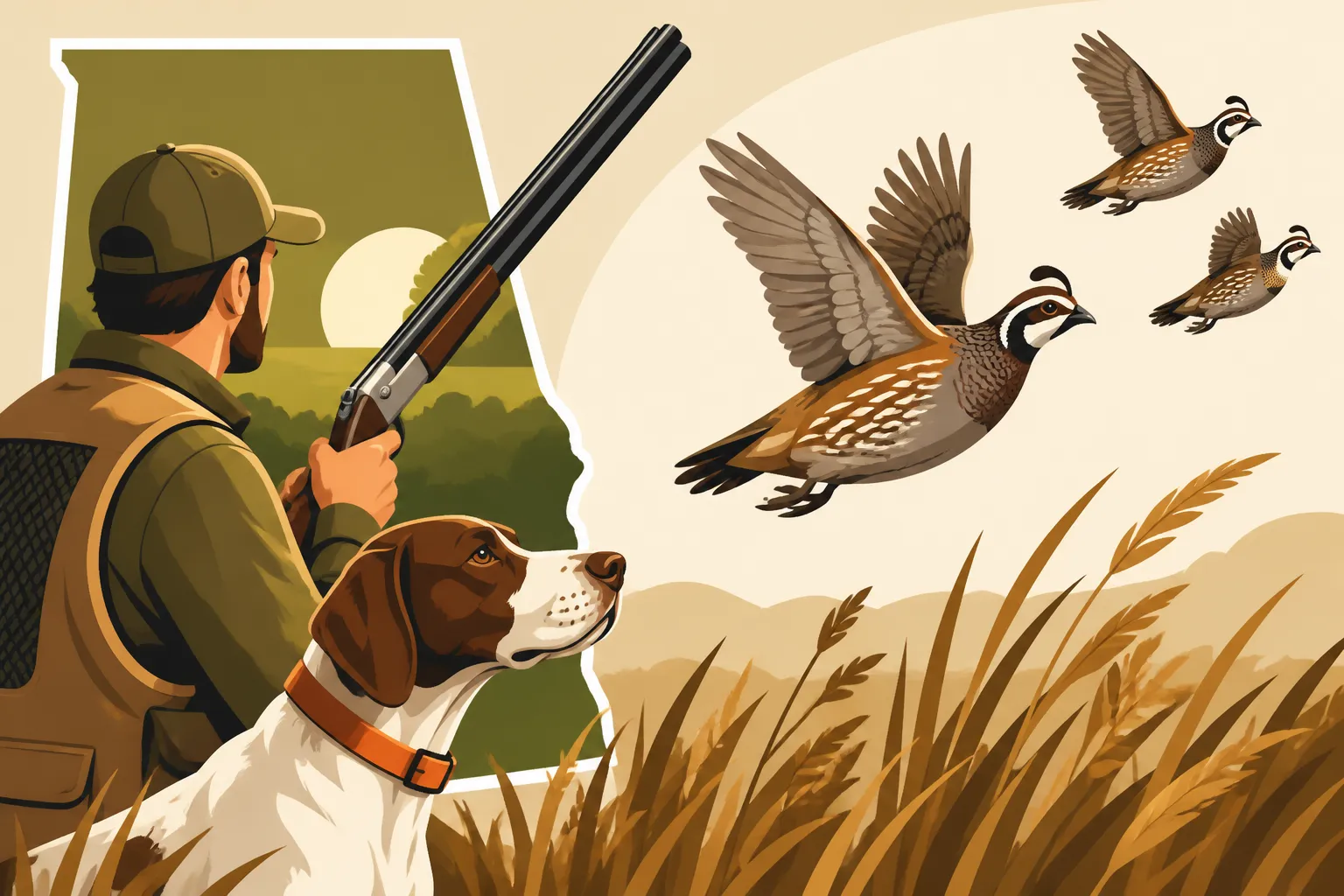
This is arguably the single biggest reason to book a guided quail hunt. Good bird dogs are incredibly specialized athletes, trained for years to find, point, and retrieve quail. A professional handler understands their dogs intimately, knowing how to read their body language, anticipate their movements, and position them for the best possible opportunity. Watching a well-trained pointer lock up on a covey, nose high, tail stiff, is a sight to behold and a core part of the upland hunting experience.
Imagine trying to find a covey of quail in dense cover without dogs. It's like finding a needle in a haystack. The dogs' keen sense of smell and their tireless work ethic are what make these hunts possible and truly exciting. The guide acts as the conductor of this canine orchestra, directing the dogs, advising the shooters on positioning, and ensuring everyone's safety. Their knowledge of the property and the birds' habits is invaluable, allowing them to put you in the best spots for action. You're paying not just for the birds, but for the years of training, breeding, and experience that go into these magnificent animals and their handlers.
Furthermore, many plantations rotate their dog teams throughout the day to ensure fresh, energetic dogs are always on the ground. This level of care and management for the dogs is something an individual hunter could never replicate on their own. The bond between a handler and their dogs is incredible to witness, adding another layer of depth to the hunting experience.
Comparing Managed vs. Wild Bird Opportunities
While the Black Belt historically boasted incredible wild quail numbers, truly wild, unmanaged hunts are a rare find today, especially on commercial plantations. Most operations rely on a combination of excellent habitat management and liberated birds to ensure a consistent, high-quality hunting experience. This doesn't detract from the fun; it simply means the birds might be "patterned" differently than a covey that has never seen a human.
Managed bird hunts focus on simulating the wild bird experience. Birds are often released days or weeks in advance, allowing them to acclimate to the habitat, form coveys, and develop natural instincts. This makes for challenging flushes and strong flying birds, providing an authentic-feeling hunt. The benefit here is reliability: you can almost guarantee you'll get into birds, which is a major draw for hunters traveling from afar.
Some exclusive, private operations might offer "wild bird" hunts, but these are often highly limited, very expensive, and dependent on factors like weather and reproduction. For most hunters looking for a Black Belt experience, a well-managed plantation offering a "semi-wild" or "conditioned" bird hunt is the realistic and incredibly rewarding option. It provides the excitement and tradition without the uncertainty of trying to find truly wild, unpressured coveys that may or may not exist in huntable numbers. You'll get the thrill of the flush and the challenge of the shot, which is what most hunters are after.
Considering Your Experience Level and Expectations
Quail hunting on a plantation is suitable for all experience levels, from seasoned upland veterans to complete novices. Guides are accustomed to working with hunters of varying abilities and will tailor the experience accordingly. If you're new to upland hunting, they'll provide instruction on safety, gun mounting, and positioning for the shot. If you're a veteran, they'll appreciate your quick trigger finger and knowledge of bird behavior.
Before you book, be honest with yourself and the outfitter about your expectations. Are you looking for a high-volume shooting experience, or is the ambiance, dog work, and camaraderie more important? Most Black Belt plantations pride themselves on delivering a balanced experience that combines exciting shooting with unparalleled Southern hospitality. Communicate your preferences upfront. For example, some hunters prefer walking all day, while others appreciate the convenience of a hunting buggy.
It's also worth considering your physical fitness. While many hunts involve hunting buggies or "wagons" to transport hunters and dogs, there will still be walking involved, especially when following dogs into thick cover or retrieving downed birds. Being reasonably fit will enhance your enjoyment of the day. Physical Demands of a Black Belt Deer Hunt talks about physical fitness in a similar context, but quail hunting is usually less strenuous if you ride, more if you opt for purely walking.
Finding and Vetting Black Belt Quail Plantations and Outfitters
This is where the rubber meets the road. Alabama's Black Belt is dotted with exceptional quail hunting operations, but finding the right fit for you requires a bit of research. Don't just pick the first name you see; take the time to compare offerings, read reviews, and ask plenty of questions. This ensures you're not just booking a hunt, but the right hunt for your particular needs and desires.
Online Resources and Hunting Directories
The internet is your first stop. Websites like BookYourHunt and GoHunt are excellent starting points. They act as marketplaces where outfitters list their services, often with detailed descriptions, photos, and client reviews. You can filter by species, location, and even price range, giving you a broad overview of what's available in the Black Belt region. These platforms can save you a lot of legwork, allowing you to compare multiple operations side-by-side.
When using these directories, pay close attention to the descriptions. Do they emphasize wild birds, or are they transparent about using liberated birds? What is included in their packages? Look for clear pricing structures and what "hidden" costs might exist. While these sites are convenient, remember that they are also marketing platforms, so always cross-reference information and read reviews critically. An outfitter's own website will also provide valuable information and a sense of their operation's personality.
Beyond these large platforms, a simple web search for "Alabama Black Belt quail hunting" will bring up many individual plantation websites. Some of the most renowned plantations might not even be listed on aggregate sites, relying instead on word-of-mouth and direct bookings. It pays to dig a little deeper.
Asking for Referrals and Checking Reviews
Word-of-mouth is still gold in the hunting world. Talk to friends, fellow hunters, or members of your hunting club who have experienced Black Belt quail hunts. Their personal anecdotes and recommendations can be far more valuable than any online listing. Ask them about the quality of the dogs, the personality of the guides, the accommodations, and the overall experience. A glowing review from a trusted source is a powerful endorsement.
Online reviews, particularly on platforms like BookYourHunt, Google, or social media, offer another layer of insight. Look for consistent themes—positive or negative. Are people raving about the dog work? Complaining about hidden fees? Take overly enthusiastic or overly critical reviews with a grain of salt, but notice patterns. A plantation with numerous positive reviews spanning several years is usually a safe bet. Don't hesitate to reach out to a reviewer if their contact info is available and ask for more details about their experience.
When looking at reviews, consider what aspects are important to you. If dog work is paramount, prioritize reviews that specifically praise the pointers. If luxury lodging is key, look for comments on accommodations and food. It's about finding a place that aligns with your personal values for a hunt.
Key Questions to Ask Before Booking
Once you've narrowed down your list, it's time to pick up the phone. A direct conversation with the outfitter or lodge manager is crucial. This is your chance to get answers, gauge their professionalism, and get a feel for their operation. Here are some critical questions to ask:
- What is your philosophy on bird management? Are they primarily wild birds, liberated, or a combination? How far in advance are liberated birds released?
- What is the typical hunter-to-guide ratio? For quail, it's usually 2-3 hunters per guide to ensure everyone gets shooting opportunities.
- How many dogs will be used per hunt, and how are they rotated?
- What specific gear should I bring? (e.g., shotgun gauge, choke, shot size, specific boots or clothing).
- What is included in the package price, and what are the extra costs? (e.g., license, ammunition, gun rental, bird cleaning, alcohol, tips). This is vital to avoid sticker shock later. What a Managed Quail Hunt Includes is a good resource for this question.
- What are your cancellation policies and deposit requirements?
- Can you provide references from recent clients? A reputable outfitter will be happy to connect you with past customers.
- What are the accommodations like? Are meals included, and can dietary restrictions be accommodated?
- What happens to the birds after the hunt? Is cleaning and packaging included?
- What is the typical weather like during my desired hunting dates, and what happens in inclement weather?
A good outfitter will answer these questions clearly and patiently. If you feel rushed or get vague answers, that's a red flag.
What to Expect on a Typical Black Belt Quail Hunt
A quail hunt on an Alabama plantation isn't just about the moments a covey flushes; it's an immersive experience carefully orchestrated from start to finish. Knowing what to expect can help you relax, enjoy the camaraderie, and fully appreciate the tradition you're participating in. From the moment you arrive until you depart, every detail is often meticulously planned.
The Morning Briefing and Dog Introduction
Your day will typically begin with a hearty Southern breakfast at the lodge, often featuring staples like grits, biscuits, and bacon. This is a chance to meet your fellow hunters and guides, and get fueled up for the morning's activities. After breakfast, there will usually be a safety briefing. The guide will cover important rules regarding gun handling, shooting lanes, and what to do when a covey flushes. This is essential, as quail hunting involves fast-paced action and often multiple shooters.
Following the briefing, you'll be introduced to your dog team. This is a highlight for many, as you get to see the beautiful pointers and retrievers that will be working for you all day. The guides will often tell you a bit about each dog's personality and their strengths, building excitement for the hunt. Depending on the setup, you might then load into a specially designed "wagon" or hunting buggy that transports hunters and dogs comfortably through the plantation's varied terrain. These buggies often have elevated seats for better visibility and gun racks for safety.
This entire sequence sets the tone for the day—professionalism, safety, and a deep respect for the tradition and the animals involved. It’s a moment to take a deep breath, soak in the anticipation, and get ready for the action.
The Hunt Itself: Walking, Wagons, and Covey Flushes
Once in the field, the hunt truly begins. The guides will release their pointers, who will eagerly begin quartering the ground, noses to the earth, searching for the tell-tale scent of quail. The hunters will typically walk in a line, either behind the dogs or alongside the hunting buggy, ready for action. When a dog locks onto a covey and goes on point, the guide will instruct the hunters to move into position, flanking the dog. This ensures safe shooting lanes and maximizes opportunities.
The moment of the flush is exhilarating. With a command from the guide, the covey will explode into the air, wings beating furiously, often accompanied by the iconic "bob-white" call. This is where your shooting skills come into play. It's fast, exciting, and sometimes chaotic, but the sheer thrill of it is unforgettable. After the shot, the retrieving dog will typically move in to find any downed birds, bringing them gently back to the guide. Working a Black Belt Quail Covey Rise is all about these moments.
You might hunt several coveys in a single morning, moving from one prime habitat area to another. Many plantations offer options for how physically demanding you want your hunt to be. You can opt for more walking, following the dogs for miles, or choose to ride in the buggy more, stepping out only for points and flushes. This flexibility allows everyone to enjoy the hunt at their own pace.
Post-Hunt Rituals and Bird Processing
After a morning of exhilarating hunts, it's common to return to the lodge for a delicious Southern lunch. This is a wonderful opportunity to share stories, compare shots, and relax with your fellow hunters. The camaraderie built during a quail hunt is often as memorable as the shooting itself. After lunch, some operations might offer an afternoon hunt, or your hunt might conclude, depending on your package.
Once the hunting is done for the day, the birds will be collected and typically taken to a processing area. Many plantations include the cleaning and packaging of your birds as part of the service. You can expect your quail to be breasted out, cleaned, and often vacuum-sealed or bagged for your journey home. This attention to detail ensures you leave with your hard-earned harvest ready for the table. Don't forget to discuss how you'd like your birds prepared or if you have any special requests.
It's also customary at this point to settle any outstanding balances and, importantly, to consider gratuities for your guide and the dog handlers. A good hunt is the result of their hard work, dedication, and skill, and a generous tip is a way to show your appreciation for their efforts. This completes the full cycle of the traditional Black Belt quail hunt, from the field to the feast.
Understanding the Costs and Inclusions of Quail Hunt Packages
One of the biggest questions hunters have about booking a Black Belt quail hunt is, understandably, the cost. These are often premium experiences, and it's important to understand what you're paying for and what might be additional. While I can't give you specific figures, I can certainly explain the shape of these costs and what typically goes into a package.
Day Rates vs. Multi-Day Packages
Most quail plantations offer either single-day hunts or multi-day packages.
- Day Rates: A day rate typically includes the hunt itself (morning, or morning and afternoon), the guide, the dogs, and often lunch. Some might include bird cleaning. This is a good option if you're local or have limited time. The cost for a day hunt can vary significantly based on the plantation's reputation, the number of birds guaranteed, and the season.
- Multi-Day Packages: These are more common for hunters traveling from out of state and usually offer the best value. A multi-day package will often include multiple hunts, lodging at the plantation's lodge, all meals (often gourmet Southern cuisine), beverages, guide services, dog use, bird cleaning, and sometimes even ammunition. These packages are designed to be an all-inclusive experience, allowing you to immerse yourself fully in the hunting tradition and hospitality. They can range from a two-day/one-night stay to much longer excursions.
The "shape" of the cost for multi-day packages generally increases with the duration of the stay, the level of luxury, and the number of birds included. Always ask for a detailed breakdown of what is and isn't covered in your chosen package.
What's Typically Included and What's Extra
Here's a general table outlining common inclusions and exclusions in Black Belt quail hunt packages:
| Typically Included | Often Extra / Not Included |
|---|---|
| Guided Hunt (Dogs & Handler) | Hunting License & Permits |
| Lodge Accommodations | Ammunition |
| Meals (Breakfast, Lunch, Dinner) | Shotgun Rental |
| Non-alcoholic Beverages | Alcoholic Beverages (sometimes) |
| Bird Cleaning & Packaging | Tips / Gratuities |
| Transportation on Plantation | Taxidermy Services |
| Travel to/from Plantation | |
| Any Personal Shopping |
It's crucial to clarify every detail before booking. For instance, some plantations include a certain number of birds per hunter, and shooting over that limit might incur an additional per-bird fee. Ammunition is almost always an extra cost, and while some lodges might have it available for purchase, it's often best to bring your own preferred brand and shot size (typically 12 or 20 gauge, 7.5 or 8 shot).
Don't assume anything. A good outfitter will provide a clear, itemized quote. What's Included in an All-Inclusive Deer Package provides a good framework for understanding what "all-inclusive" can mean, though specific to deer.
Tipping Etiquette for Guides and Staff
Tipping is an important part of the hunting industry, and it's customary to tip your guide and any other staff who made your hunt enjoyable. It's a direct reflection of their hard work, dedication, and expertise. While not mandatory, it is highly appreciated and expected.
A common guideline for tipping a quail guide is to budget for a percentage of the total hunt cost, or a flat daily rate per hunter. This can vary based on the service received, the quality of the dog work, and your overall satisfaction. For other staff, like lodge cooks or housekeepers, a smaller, separate tip is also a thoughtful gesture. The lodge manager can often provide guidance on appropriate tipping amounts if you're unsure.
Always bring cash for tips, as it's often preferred and easier for the staff. Your guide works incredibly hard to ensure your safety and success, from managing the dogs to finding the birds and handling all the logistics. A generous tip acknowledges this effort and shows your appreciation for a memorable experience. How Much to Tip a Quail Plantation Guide can offer more specific advice on this front.
Preparing for Your Alabama Quail Adventure
Once you've booked your Black Belt quail hunt, the anticipation builds! But before you head out, there are some practical steps you can take to ensure you're fully prepared, from your physical condition to your gear and understanding local regulations. A little preparation goes a long way in making your trip smooth and enjoyable.
Physical Conditioning for Upland Hunting
While many quail hunts utilize hunting buggies or "wagons" to transport hunters and dogs between coveys, there will still be walking involved. Following dogs into thick cover, navigating uneven terrain, and quickly moving into position for a flush all require a reasonable level of physical fitness. You don't need to be an Olympic athlete, but being able to comfortably walk several miles over a day will significantly enhance your enjoyment.
Consider incorporating some brisk walking, perhaps with a shotgun if you have a lightweight one, into your routine in the weeks leading up to your hunt. Focus on leg strength and stamina. The Black Belt landscape, while beautiful, can have its challenges, from muddy spots after rain to dense undergrowth. Being physically prepared will allow you to keep up with the action, cover more ground, and simply feel better at the end of a long, exciting day. It's not just about bagging birds; it's about being able to fully participate in the experience.
Remember, even when riding in a buggy, you'll be getting in and out frequently, often quickly. Agility and balance are beneficial. If you have any physical limitations, communicate them clearly with your outfitter beforehand. They are usually excellent at accommodating different needs to ensure everyone has a safe and successful hunt.
Essential Gear: Shotgun, Ammo, and Apparel
Having the right gear is crucial for comfort and performance.
- Shotgun: A lightweight 20-gauge or 28-gauge shotgun is often preferred for quail, offering a quick swing for fast-flushing birds. Some hunters prefer a 12-gauge, which is perfectly acceptable. Ensure your gun is clean, well-maintained, and you're familiar with its operation. Many plantations offer shotgun rentals if you don't want to travel with your own or prefer to try a lighter gauge.
- Ammunition: Bring plenty! Quail hunting can be high-volume. Use light loads, typically 7.5 or 8 shot size. Check with your outfitter for specific recommendations or if they sell ammo on-site.
- Apparel: Layers are key for Alabama weather, which can change rapidly. Early mornings might be crisp, while midday can warm up considerably.
- Blaze Orange: This is often a requirement for safety, especially if hunting with multiple people. A blaze orange hat and vest are usually sufficient. Check with your outfitter for specific requirements. How Much Blaze Orange Alabama Requires will give you the legal requirements, but outfitters may have stricter ones.
- Briar-resistant Pants/Chaps: Essential! You'll be walking through brush and briars, and these will save your legs.
- Comfortable, Waterproof Boots: You'll be walking, potentially through dew-laden fields or damp areas. Good ankle support is also a plus.
- Gloves: Light shooting gloves can protect your hands and offer better grip.
- Eye and Ear Protection: Non-negotiable safety items. Bring comfortable shooting glasses and ear protection.
- Hat: A brimmed hat offers sun protection.
- Other Essentials: A small day pack for water, snacks, sunscreen, and any personal medications. A camera is great for capturing memories (though always be mindful of when to use it so it doesn't interfere with the hunt).
Understanding Alabama's License and Regulations
Before you even step foot in the field, make sure your Alabama hunting license and any necessary permits are in order. As a non-resident, you'll need to purchase a specific non-resident hunting license. There are various options, including annual or short-term (e.g., 3-day or 10-day) licenses. You'll also need a Harvest Information Program (HIP) certification if you're hunting migratory birds, which includes quail. This is usually a free add-on when you purchase your license.
The easiest way to obtain your license is online through the Outdoor Alabama website, or you can often purchase them over the phone or in person at licensed vendors. Ensure you carry proof of your license while hunting, either a physical copy or an electronic version on your phone. Most outfitters will remind you of these requirements and can often assist you in navigating the process. Alabama Resident Hunting License Options and Alabama Nonresident Hunting License Options can provide more detailed information on specific license types and costs.
Be aware of Alabama's hunting regulations, such as legal shooting hours, bag limits for quail, and any specific rules about baiting (though this typically isn't an issue on a legitimate quail plantation). Your guide will be well-versed in these rules and will ensure you stay compliant. The key is to arrive prepared and legally ready to hunt.
Maximizing Your Experience and Enjoying the Tradition
A Black Belt quail hunt is more than just a hunt; it's an immersion into a cherished Southern tradition. To truly make the most of your adventure, embrace the full experience, from the hospitality to the lessons learned from your guide and dogs. It’s about creating lasting memories and appreciating the unique culture surrounding this sport.
Embracing the Southern Hospitality
One of the defining characteristics of a Black Belt quail plantation hunt is the unparalleled Southern hospitality. From the moment you arrive, you'll likely be treated like family. Expect warm greetings, delicious home-cooked meals, and genuine attentiveness from the staff. This isn't just about good service; it's a deeply ingrained cultural value in the South.
Take the time to engage with your hosts, guides, and fellow hunters. Share stories, ask questions about the history of the plantation, and enjoy the camaraderie around the lodge fire. These interactions are often as memorable as the hunt itself. Many hunters develop lasting friendships with the people they meet on these trips. The relaxed, friendly atmosphere is designed to make you feel at home and allow you to fully unwind and enjoy your time away from the daily grind. Don't be shy about asking for local recommendations or learning more about the Black Belt region's rich heritage.
This hospitality extends beyond the lodge walls and into the field. Your guide will likely be patient, encouraging, and keen to ensure you have a fantastic time, regardless of your shooting prowess. They are not just there to put you on birds; they are there to facilitate an entire experience.
Learning from Your Guide and Dogs
Your guide is a wealth of knowledge. They understand the quail, the habitat, and the dogs in a way that only years of experience can provide. Don't be afraid to ask questions about dog training, bird behavior, habitat management, or even local history. Observe how they handle their dogs, how they read the terrain, and how they anticipate the birds' movements. There's always something new to learn, even for experienced hunters.
The dogs themselves are master teachers. Watch their body language, how they methodically quarter the field, the intensity of their points, and the gentleness of their retrieves. This intimate connection between handler and dog is a beautiful thing to witness and a core part of the upland hunting tradition. Appreciating their incredible work adds a whole new dimension to your hunt. You might find yourself more focused on the dog work than on the shot, and that's perfectly okay.
Many guides are passionate storytellers, and listening to their anecdotes about past hunts, challenging dogs, or memorable coveys can be a highlight of your trip. These are the moments that truly make the experience rich and authentic, connecting you to the tradition and the people who keep it alive. Working Pointing Dogs on Black Belt Quail highlights the unique skills involved.
Preserving the Memory and Planning Future Hunts
Beyond the immediate thrill of the hunt, remember to capture and preserve your memories. Take photos (respectfully and safely, away from active hunting moments) of the beautiful landscape, the incredible dog work, and your successful harvest. Share stories and photos with friends and family. The experience of a Black Belt quail hunt is something you'll want to revisit and remember for years to come.
Many hunters find that one trip to the Black Belt isn't enough; it becomes an annual pilgrimage. Before you leave, consider if you want to book again for the following year. Prime dates, especially during the peak of the season, can fill up quickly. Establishing a relationship with a particular plantation or guide often leads to better experiences year after year, as they get to know your preferences and shooting style.
Even if you don't book immediately, take a moment to reflect on what made this hunt special for you. Was it the dog work, the hospitality, the challenge of the birds, or the sheer beauty of the Alabama landscape? These reflections will help you refine your choices for any future upland hunting adventures, ensuring each trip is as fulfilling as the last.
Disclaimer
This article is for general informational purposes only and does not constitute professional advice. Laws, prices and regulations vary by location and change over time. Consult a qualified professional for guidance on your specific situation.