Marengo County Black Belt Public Ground
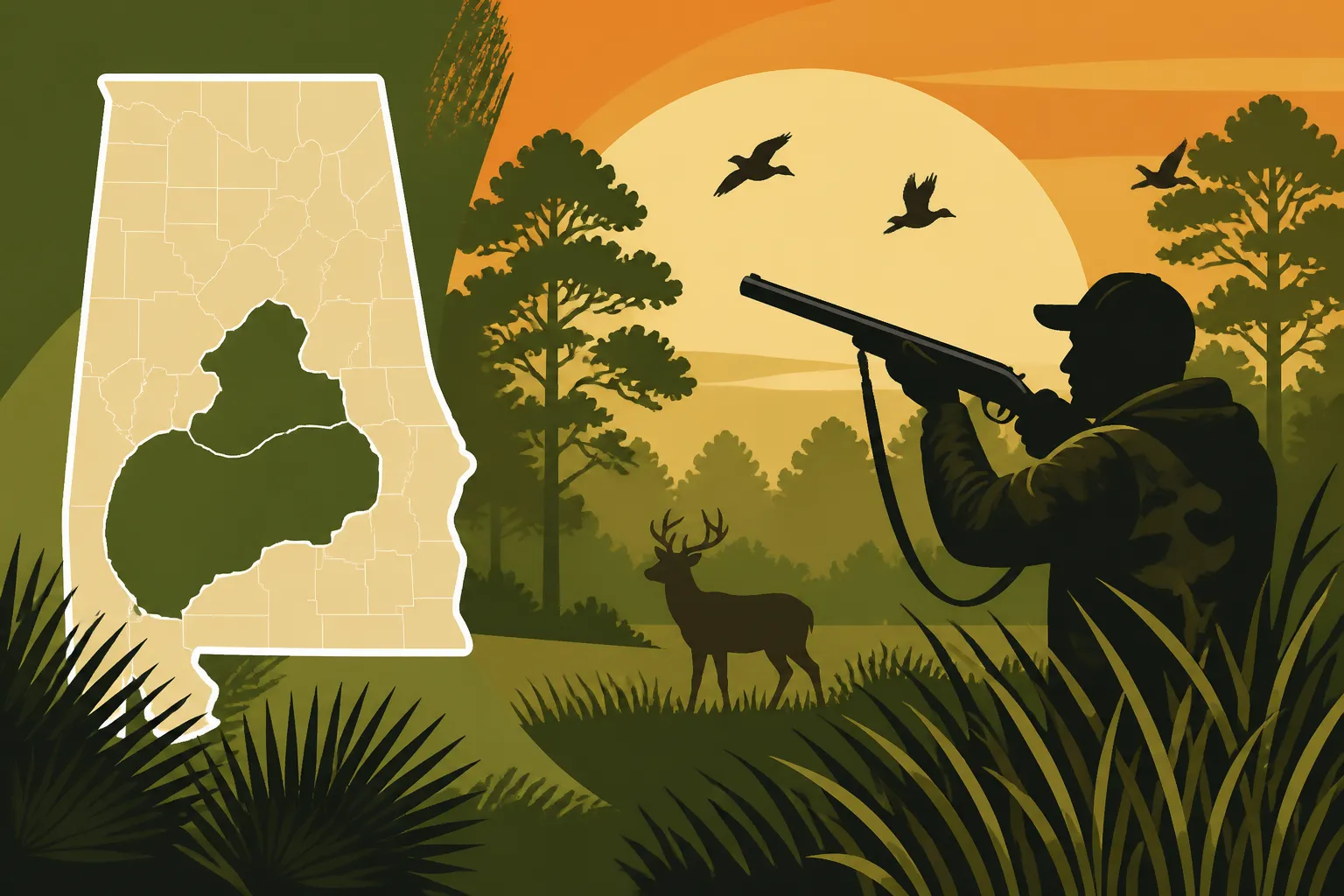
Finding quality public hunting land in Alabama can often feel like searching for a needle in a haystack, especially in regions renowned for their vast private leases. Many hunters assume that areas like the Black Belt, with its fertile farmlands and historic plantations, are entirely off-limits unless you have a family connection or a big checkbook. But don't despair! Marengo County, nestled right in the heart of this iconic Black Belt, actually offers some fantastic public hunting opportunities if you know where to look and how to approach them. This guide will walk you through the specifics of hunting Marengo County's public grounds, helping you uncover hidden gems and maximize your chances of success.
The Allure of Marengo County's Black Belt for Hunters
Marengo County isn't just a dot on the map; it's a place steeped in hunting lore. Its reputation as a big buck haven and a quail hunter's paradise is well-earned, but it's often associated exclusively with sprawling private properties. This perception, while understandable, sometimes overshadows the real, accessible public land available to every hunter.
Why the Black Belt is Legendary
The Alabama Black Belt is famous for its dark, nutrient-rich soils, a remnant of ancient sea beds. This geological feature isn't just great for growing cotton and soybeans; it's phenomenal for growing strong, healthy deer and other wildlife. The abundance of natural forage, coupled with diverse habitat types including mature hardwoods, pine plantations, and agricultural fields, creates an ideal environment for game animals to thrive. Deer in this region often have access to a better diet than those in less fertile areas, which contributes to heavier body weights and impressive antler development. Many hunters dream of seeing a Black Belt buck, and while public land might require a bit more legwork, those dreams aren't out of reach. We've talked extensively about Why the Black Belt Grows Big Bucks in other posts, and Marengo County is no exception to this rule.
Marengo's Unique Geography and Game
Marengo County is bisected by the mighty Tombigbee River, a major waterway that offers its own unique set of hunting opportunities. The river bottomlands are often a mosaic of towering hardwoods, cypress sloughs, and dense thickets, creating prime bedding and travel corridors for deer. These areas can be incredibly challenging to hunt due to thick cover and wet conditions, but they also offer sanctuary for mature bucks seeking to escape pressure. Beyond deer, the river systems provide habitat for Alabama Waterfowl on the Mississippi Flyway, while the mixed forests and scattered clearings support healthy populations of wild turkeys, small game like squirrels and rabbits, and, of course, a prolific number of Feral Hogs Across Alabama. The diversity of habitat means Marengo County isn't just a deer hunter's paradise; it's a multi-species hunter's playground if you're willing to explore.
Identifying Public Hunting Opportunities
When you're trying to hunt Marengo County on public land, the first step is knowing exactly what's available to you. It's not always a massive national forest, but rather a mix of WMAs and other state-managed lands that offer varied experiences.
Demopolis Wildlife Management Area (WMA)
The Demopolis WMA is the crown jewel of public hunting in Marengo County. Located near the confluence of the Tombigbee and Black Warrior Rivers, this WMA boasts thousands of acres of diverse habitat. You'll find expansive bottomland hardwoods, cypress swamps, and some upland pine stands. It's truly a mixed bag, which means it supports a wide array of game species. Deer hunting here can be excellent, particularly during the rut when bucks are cruising the river bottoms. Turkey hunting is also popular, especially along the ridges and hardwood flats. Due to its riverine nature, waterfowl hunting opportunities can also be found, particularly in sloughs and backwaters.
One common challenge with the Demopolis WMA, like many public lands, is hunting pressure. It's a well-known area, and during peak season, you'll likely encounter other hunters. To counter this, many successful hunters focus on areas that are harder to access, requiring a long walk-in or even boat access. Remember to always consult the current regulations for the Demopolis WMA through the Outdoor Alabama website or app before heading out, as specific rules for vehicles, ATVs, and hunting days can change. Understanding the lay of the land is critical, and mapping tools like onX Hunt are invaluable for identifying property boundaries, access roads, and topo features that can guide your strategy.
River Access and Smaller Tracts
Beyond the designated WMAs, the Tombigbee River itself can provide unique public access to overlooked hunting spots. The river offers numerous public boat launches in and around Marengo County, which can be a game-changer for accessing areas that are difficult or impossible to reach by vehicle. Many sections of the riverbanks are managed by the U.S. Army Corps of Engineers or are part of public easements, potentially offering small, isolated pockets of huntable land. These smaller, often harder-to-access parcels are frequently overlooked by hunters who stick to easily identifiable WMAs.
Using detailed mapping applications like onX Hunt or GoHunt becomes absolutely essential here. You can identify public land boundaries, navigatable waterways, and potential landing spots along the river. Imagine slipping into a remote slough or a small island, miles from any road, where undisturbed deer and hogs might be abundant. This approach requires more planning, a boat (or canoe/kayak), and a good understanding of river safety, but the reward can be finding truly unpressured game. These hidden spots can be fantastic for Hunting Alabama's Year-Round Feral Hogs as well, as they often retreat to such dense, inaccessible cover.
Strategies for Success on Marengo Public Land
Hunting public land successfully in Marengo County, or anywhere in Alabama, often comes down to strategy and persistence. It’s not just about showing up; it’s about knowing how to show up.
Scouting Smart and Efficiently
Pre-season scouting is probably the most critical factor for success on public land. You need to understand the terrain, identify pinch points, bedding areas, and food sources long before the season opens. In Marengo County, this might mean walking river bottoms in late summer, looking for rub lines and scrapes, or locating mast crops like acorns in upland hardwood ridges. Don't be afraid to put boots on the ground, even when it's hot and buggy. Knowing exactly where the deer are traveling and feeding can give you a significant advantage.
Digital mapping tools like onX Hunt are invaluable for this. You can mark potential stand locations, scout trails, and analyze historical aerial imagery from home. Look for subtle changes in elevation, creek crossings, or areas where different habitat types meet – these are often natural funnels for deer. We've got a whole guide on Scouting Alabama Public Land Before Season that can help you dial in your approach. Even historical harvest data, sometimes available through platforms like GoHunt, can give you clues about where game activity has been highest in previous seasons.
Adapting to Hunting Pressure
Let's be realistic: public land often means other hunters. Instead of letting this discourage you, plan for it. During opening weekend or popular holidays, the easily accessible areas of the Demopolis WMA might see a fair amount of traffic. This is where your scouting and planning pay off.
One effective tactic is to walk further than most other hunters are willing to go. Many hunters stick close to parking areas or easily navigable trails. If you're willing to put in the extra miles, especially into dense river bottoms or difficult terrain, you'll significantly increase your chances of finding unpressured animals. Hunting mid-week, if your schedule allows, can also dramatically reduce the number of fellow hunters you encounter. Another strategy is to embrace diverse hunting methods. While deer drives are common on private land, they can be adapted to public land with a small, coordinated group of friends, focusing on pushing deer towards natural escape routes. We've talked about Deer Drives With Three or Four Hunters and how effective they can be in certain settings.
Targeting Specific Game
While deer are often the primary target, Marengo County's public lands offer much more.
- Deer: Focus on food sources early in the season, then shift to rutting corridors and bedding areas as the season progresses. The river bottoms are fantastic during the late season when other food sources dwindle. Look for acorns, browse, and thick cover.
- Hogs: Feral hogs are abundant year-round and can be found almost anywhere in the WMA, but especially along creek drainages and in dense cover near water. Night hunting rules for hogs on public land are different from private, so be sure to check specific WMA regulations. Building and Freshening a Hog Bait Site isn't usually an option on public land, but finding their rooting areas and trails can lead to success.
- Turkeys: Spring turkey hunting in the Demopolis WMA can be rewarding. Focus on hardwood ridges where gobblers will roost and pitch down, or along the edges of clearings. Patient scouting for fresh sign and listening for gobbling activity is key. Roost Hunting Alabama Gobblers is a great strategy for pinpointing their location.
- Small Game: Don't overlook squirrel and rabbit hunting. The dense river bottom hardwoods are prime squirrel country, and thickets along old field edges often hold rabbits. These hunts can be a great way to introduce new hunters to the outdoors or extend your time afield after deer season closes.
Overcoming Common Challenges on Marengo Public Ground
Public land hunting, especially in a place like Marengo County, comes with its own unique set of hurdles. But with a bit of foresight and preparation, you can turn these challenges into opportunities.
Navigating Terrain and Access
The terrain in Marengo County, particularly within the Demopolis WMA, can be rugged and challenging. River bottoms mean mud, thick vegetation, and potential for high water levels, especially after heavy rains. This isn't the place for sneakers and light clothing. You'll need sturdy, waterproof boots, durable pants, and be prepared to push through briars and dense undergrowth. Carry a compass and GPS (or your phone with onX Hunt downloaded offline) because it's incredibly easy to get turned around in the vastness of the bottomlands.
Access can also be limited. Some areas might only be accessible via boat, while others require long walks down unmaintained roads or across open fields. Always check the WMA's specific vehicle regulations. Some roads are seasonal, while others are closed entirely to motorized traffic. Having a robust navigation tool, like GoHunt's mapping features, can help you visualize the terrain and plan your entry and exit routes effectively. Finding Ground That Sees Fewer Hunters often means going where others won't, and that usually involves tougher access.
Understanding Regulations and Safety
The most crucial "tool" for hunting public land is a thorough understanding of the regulations. Each WMA has its own set of rules regarding open seasons, bag limits, permitted weapons, shooting hours, and hunter orange requirements. These rules can differ significantly from statewide regulations. Always download or print the current WMA regulations pamphlet from the Outdoor Alabama website, or use their official app, before every hunt. Ignorance of the rules is never an excuse, and game wardens patrol these areas diligently. Make sure your Alabama Hunting Licenses and What They Cost are up to date and that you have all necessary endorsements.
Safety is paramount. Given the potential for other hunters, always wear adequate hunter orange, even if not explicitly required for your specific game or weapon. Be aware of your surroundings, identify your target positively, and be cognizant of what's beyond it. In remote river bottom areas, cell service can be spotty or non-existent, so always let someone know where you're going and when you expect to return. A small first-aid kit, extra water, and a headlamp are essential items for any public land hunter in Alabama. And remember to report any harvested deer or turkey immediately through the Game Check system; Alabama Deer Reporting Rules are critical to compliance.
Marengo County Public Land Quick Reference
To help you visualize your options, here’s a quick overview of primary public hunting areas in Marengo County:
| Public Area | Primary Game | Habitat Type | Key Features | Access Considerations |
|---|---|---|---|---|
| Demopolis WMA | Deer, Hogs, Turkey, Waterfowl, Small Game | Bottomland Hardwoods, Cypress Swamps, Upland Pine | Tombigbee/Black Warrior River confluence, diverse habitats | Multiple access points, boat access recommended for some areas, check seasonal road closures |
| Tombigbee River System (Public Easements) | Deer, Hogs, Waterfowl | River Bottoms, Islands, Sloughs | Remote, often unpressured areas, dense cover | Primarily boat access, requires detailed mapping (e.g., onX Hunt) |
Marengo County truly embodies the spirit of Alabama hunting: rich with game, beautiful landscapes, and a challenge that rewards persistence. By understanding its unique geography, utilizing smart scouting techniques, and respecting the rules and your fellow hunters, you can unlock incredible experiences on its public grounds.
Disclaimer
This article is for general informational purposes only and does not constitute professional advice. Laws, prices and regulations vary by location and change over time. Consult a qualified professional for guidance on your specific situation.