Public Ground Near Selma
It's incredibly frustrating when you're itching to get out into the Alabama woods, but every direction you look around a city like Selma seems to be private land, posted signs, or heavily leased tracts. You feel like you're constantly hitting a wall trying to find a spot to hang a stand or still-hunt. This guide is here to cut through that confusion, helping you identify and navigate the public hunting opportunities that are genuinely accessible within a reasonable drive of Selma, giving you the confidence to plan your next outing.
Understanding the Landscape Around Selma
Hunting near Selma, Alabama, presents a unique set of challenges, particularly for those accustomed to vast stretches of public land in other parts of the state. The region's history, geography, and agricultural prominence have all shaped the availability of public hunting ground. It's not always as simple as pulling up a map and finding a green block.
The Challenge of the Black Belt
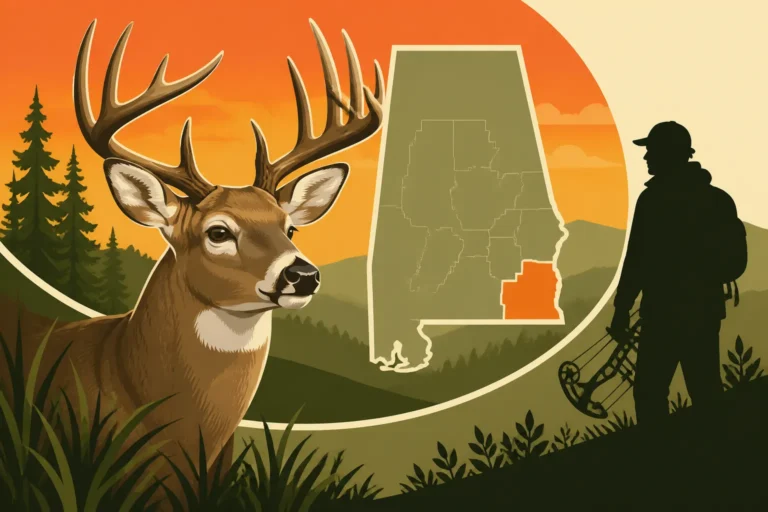
Selma sits squarely within Alabama's famed Black Belt region, an area characterized by its rich, dark soil that once supported massive cotton plantations and now fuels extensive agricultural operations. This fertile ground has historically meant large landholdings, much of which remains in private hands, often passed down through generations. These properties are frequently managed for timber and agriculture, with hunting leases being a significant part of the economic equation for many landowners. Because of this, the vast majority of the land you'll see driving the backroads around Selma is either actively farmed or part of a private hunting club. This reality can be quite disheartening for the public land hunter, making it feel like every potential spot is already claimed or inaccessible. The very characteristics that make the Black Belt famous for growing big bucks—abundant food and managed habitat—also make it incredibly desirable for private hunting, driving up lease prices and further limiting public access. Many hunters express a common frustration: "Where am I supposed to go if everything is leased?" And it's a valid question when faced with such a land-use pattern.
This concentration of private land means that your typical Black Belt drive often doesn't reveal obvious public hunting signs or large tracts of national forest like you might find further north or south. Instead, you'll encounter a patchwork of cultivated fields, timber company lands, and family estates. The hunting culture here is deeply rooted in these private arrangements, from multi-generational hunting clubs with established camps to large commercial leases where access is strictly controlled. For those without a private land connection, it truly means looking beyond the immediate, obvious landscape. We've talked before about Hunting Alabama's Black Belt Prairie and the unique challenges and opportunities it presents, and finding public ground here is certainly one of the biggest challenges.
Beyond the Immediate Selma Area
Given the predominant private land ownership directly surrounding Selma, "public ground near Selma" often necessitates a slightly broader interpretation of "near." You likely won't find a sprawling WMA just a 15-minute drive from town. Instead, hunters should be prepared for a drive that could range from 45 minutes to an hour and a half, depending on traffic and your specific destination. This isn't to say there are no options closer, but the most substantial and consistently productive public hunting opportunities typically require venturing a bit further out.
Thinking of a broader radius opens up significantly more possibilities, shifting from the immediate Black Belt agricultural lands to areas with more diverse topography and land management. This expanded perspective allows you to tap into national forests and larger wildlife management areas that simply don't exist in the immediate Selma vicinity. It's a common misconception that if public land isn't within sight, it doesn't exist. Often, it's just a matter of adjusting your mental map and understanding that a successful public land hunt might involve a bit of a road trip before you even lace up your boots. Consider this drive time part of the adventure, a transition from the everyday hustle to the wild places you're seeking.
Key Public Hunting Areas Within Reach of Selma
While direct public access in Selma's backyard is limited, several excellent public hunting grounds are within a reasonable drive. Knowing where these gems are and what they offer is the first step to planning a successful hunt.
Oakmulgee Division of Talladega National Forest
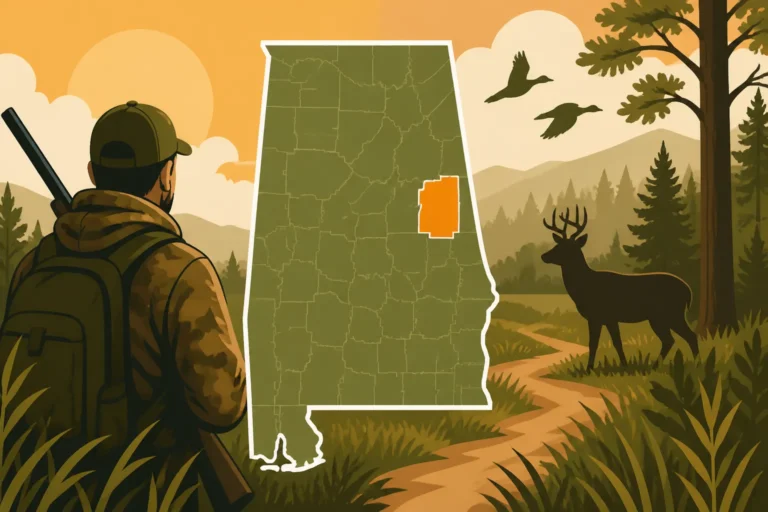
The Oakmulgee Division of the Talladega National Forest is arguably the most prominent and accessible large public hunting area for those coming from the Selma region. Located primarily in Perry, Hale, and Bibb counties, it's typically about a 45-minute to an hour's drive northeast of Selma, making it a prime target for a day trip or a weekend camping excursion. This vast expanse of federal land offers a completely different landscape than the Black Belt prairies. Here, you'll find a beautiful mix of mature hardwoods, pine plantations, and countless creek bottoms winding through rolling hills. This diverse habitat is a haven for white-tailed deer, wild turkeys, and a variety of small game.
Hunters venturing into the Oakmulgee can expect opportunities for both stand hunting and still-hunting, depending on their preferred style and the specific terrain they choose to explore. Access is generally good, with numerous forest roads crisscrossing the property, though some areas may require hiking a fair distance to get away from road hunters. It's a popular spot, especially during opening weekends, so don't be surprised to see other vehicles parked along the roads. However, its sheer size, encompassing tens of thousands of acres, means that if you're willing to put in the legwork and hike a mile or two off the beaten path, you can often find solitude and undisturbed areas. We've gone into detail about Oakmulgee District Deer Hunting and Talladega National Forest Hunting previously, and those resources are excellent for a deeper dive. The key to success here, as with many large public tracts, is thorough scouting, understanding the land, and being prepared to navigate the rugged terrain.
Cahaba River Wildlife Management Area
A bit further to the northeast of Selma, but still within a manageable driving distance, lies the Cahaba River Wildlife Management Area. Spanning parts of Bibb and Shelby counties, this WMA offers a unique blend of river bottomland and upland hardwoods, making it a fantastic option for hunters targeting deer and turkey. The Cahaba River, a true ecological treasure, forms a significant boundary for parts of the WMA, providing crucial water sources and travel corridors for wildlife. Hunters here will find a diverse landscape, from dense river cane thickets and flood-prone bottomlands to steeper, drier ridges dominated by oaks and hickories.
As a Wildlife Management Area, the Cahaba River WMA operates under specific regulations that differ from national forest land. Hunters are typically required to possess a WMA license in addition to their state hunting license, and there are often mandatory check-in/check-out procedures, designated hunting days, and sometimes specific weapon restrictions. It's crucial to consult the current Alabama Hunting & Fishing Digest or the Outdoor Alabama website for the most up-to-date rules before planning your trip. The varied terrain and habitat make this WMA particularly appealing for adaptable hunters. You might find yourself setting up a ground blind near a river slough or climbing into a treestand on an oak ridge overlooking a food plot. For more on this specific area, our guide to Cahaba WMA River Bottom Deer Ground offers valuable insights into maximizing your chances.
Coosa Wildlife Management Area
If you're willing to extend your drive a bit further east, the Coosa Wildlife Management Area in Coosa County offers another excellent public hunting opportunity. While a bit more of a commitment in terms of travel time from Selma (often an hour and a half or more), the Coosa WMA provides a truly wild and challenging hunting experience. This WMA is characterized by its rugged, hilly terrain, covered in a mosaic of mixed pine and hardwood forests. It's an ideal location for those who enjoy a more primitive hunting experience and are prepared for significant elevation changes.
The primary game species here include white-tailed deer, wild turkeys, and a healthy population of feral hogs, offering a diverse range of hunting pursuits. Due to its topography, hunters often find success by focusing on saddles, creek drainages, and ridge lines where deer and hogs travel. Scouting is paramount in the Coosa WMA; understanding the lay of the land, identifying natural funnels, and locating prime bedding and feeding areas will significantly increase your odds. Remember, like all WMAs, Coosa has its own specific set of rules and seasons, so always double-check the current regulations before heading out. Coosa Wildlife Management Area is a robust option for the hunter seeking a wilder experience away from the immediate Black Belt agricultural buzz.
Here's a quick overview of these public land options near Selma:
| Public Land Area | Typical Drive from Selma | Primary Game Species | Key Characteristics | Regulations to Note |
|---|---|---|---|---|
| Oakmulgee National Forest | 45-60 minutes | Deer, Turkey, Small Game | Rolling hills, mixed pine/hardwood, creek bottoms, extensive forest roads | General National Forest rules, no WMA permit needed |
| Cahaba River WMA | 60-75 minutes | Deer, Turkey, Hogs, Small Game | River bottomland, upland hardwoods, managed plots, close to Cahaba River | WMA license required, check-in/out, specific seasons |
| Coosa Wildlife Management Area | 75-90 minutes | Deer, Turkey, Hogs, Small Game | Rugged, hilly terrain, mixed pine/hardwood, more primitive hunting experience | WMA license required, check-in/out, specific seasons |
Utilizing Technology for Public Land Scouting
In today's hunting world, knowing how to use technology effectively can be the difference between a frustrating search for public land and a successful outing. Gone are the days of relying solely on paper maps and word-of-mouth; modern tools give hunters an unparalleled advantage.
Digital Mapping Apps for Access
One of the most transformative advancements for public land hunters has been the advent of digital mapping applications like onX Hunt and GoHunt. These powerful tools put an incredible amount of information right at your fingertips, allowing you to identify public and private land boundaries with striking accuracy. Imagine sitting at home, scrolling through a satellite image of an area near Selma, and seeing clear color-coded overlays that delineate public lands from private parcels. This capability alone saves countless hours of driving around hoping to spot a public access sign.
Beyond just showing public land, these apps provide critical details such as property owner information for adjacent private parcels (useful if you ever need to ask for permission to retrieve a downed animal), detailed topographic maps that reveal elevation changes and creek drainages, and high-resolution aerial imagery. You can use these features to identify potential access points, pinpoint parking areas, scout for natural funnels, locate potential bedding thickets, and even mark prospective stand locations—all before you ever set foot in the woods. Many hunters use these apps to find those often-overlooked corners of public land, those areas that require a longer walk or are tucked behind a private parcel, which often see less pressure. We've discussed Scouting With the Outdoor Alabama App before, which is great for general regulations, but dedicated mapping apps like onX Hunt truly excel at identifying specific property lines and features. Being able to see onX Layers for Alabama Land Status can help you visualize the property boundaries clearly, allowing you to hunt confidently and avoid accidental trespassing.
Understanding Public Land Regulations
While digital mapping apps provide incredible insight into where you can hunt, it's equally, if not more, important to understand the specific rules governing those lands. Public hunting in Alabama, particularly on Wildlife Management Areas (WMAs) and certain national forest zones, comes with a distinct set of regulations that often differ from general statewide hunting laws. Failing to understand and adhere to these rules can lead to citations, fines, and even loss of hunting privileges.
For WMAs like the Cahaba River or Coosa, hunters are typically required to have a specific WMA license in addition to their basic state hunting license. Many WMAs also implement mandatory check-in and check-out procedures, often through kiosks at designated entry points or via an online system. These systems track hunter numbers and harvest data, which is vital for wildlife management. Furthermore, WMAs frequently have unique season dates, bag limits, weapon restrictions (e.g., archery-only periods, specific firearm calibers), and even designated hunting days that differ from the statewide calendar. National Forests generally follow statewide seasons but may have specific rules regarding vehicle access, camping, or stand placement that hunters need to be aware of. The best practice is to always consult the current Alabama Hunting & Fishing Digest or the Alabama Department of Conservation and Natural Resources (ADCNR) website (Outdoor Alabama) for the most up-to-date information for your chosen WMA or national forest unit. Don't rely on old information or assumptions. Our piece on Alabama WMA Permit Requirement explains the specifics of what you'll need before you hit the woods.
Strategies for Success on Public Ground Near Selma
Hunting public land successfully, especially in areas that might see more pressure, requires a smart approach and a willingness to adapt. It's not just about finding a spot; it's about making the most of that spot.
Beating the Pressure
Public land, by its very nature, is open to everyone, which often means encountering other hunters. This increased hunting pressure can make game animals more nocturnal, skittish, and difficult to pattern. However, savvy public land hunters understand that pressure isn't evenly distributed across an entire WMA or national forest. Most hunters will stick close to roads, established trails, or easily accessible points. The key to beating this pressure is often quite simple: be willing to go where others won't.
This might mean hiking an extra mile or two away from the nearest road or parking area, pushing into dense thickets that seem impenetrable, or navigating steep, broken terrain that deters the casual hunter. Look for natural barriers like creeks, ravines, or large clear-cuts that funnel game but also make human access more difficult. Hunting during weekdays, especially outside of opening weekends, can also significantly reduce the number of encounters with other hunters, as many people are limited to weekend excursions. Early season or late season can also be times when pressure is lower, depending on the game species. Finding those overlooked pockets of habitat where deer and turkey feel secure from human intrusion is often the reward for extra effort. We've talked about Finding Ground Others Walk Past in detail, and those tactics apply directly to hunting near Selma. Remember, animals need to eat, drink, and sleep, and they will seek out the places where they feel safest doing so.
Effective Scouting Techniques
Success on any hunting ground, especially public land, hinges on effective scouting. You can't just show up on opening morning and expect to find game consistently. Scouting is a year-round endeavor that helps you understand animal movement patterns, preferred food sources, bedding areas, and travel corridors before the season even begins. For the public lands around Selma, this means studying maps, visiting the area, and looking for subtle clues.
Start with detailed digital mapping apps (like onX Hunt or GoHunt) to identify likely areas. Look for transitions in habitat—where pine stands meet hardwoods, where creek bottoms intersect ridges, or where thick cover borders more open feeding areas. These are often natural funnels for deer and turkey. Once you've identified potential spots on the map, make a physical trip to the location during the off-season. Look for fresh tracks, rub lines, scrape activity, and droppings. Identify mast crop availability, like acorns or persimmons, which can change year to year. During the summer, you can often find good spots by simply looking at where turkeys are roosting or where deer are entering and exiting fields. Pay attention to wind direction and thermals in different terrain, as this will dictate your approach during the hunt. Our article on Reading Aerial Photos for Piedmont Deer offers valuable general principles that apply to any region with varying terrain, even if the specific geography differs from the Black Belt. In areas like the Talladega National Forest, learning to interpret large tracts of timber for sign is also crucial, as detailed in Finding Sign in Big Talladega Timber.
Adaptable Hunting Methods
Public land hunting near Selma demands adaptability. You can't be a one-trick pony and expect consistent success. The terrain, game behavior, and even pressure from other hunters will dictate that you have a diverse set of tactics in your toolkit. Sometimes, a stationary approach from a treestand or ground blind is best, especially if you've done thorough scouting and know exactly where animals are traveling. Other times, a more mobile approach, such as still-hunting or even a well-executed deer drive (where allowed and with sufficient hunters), might be more effective.
For deer, consider the time of year. Early season might focus on finding hidden food sources that aren't getting pressured, while the rut could mean rattling and grunting in areas known for buck activity. For turkeys, early morning fly-down calls might work, but later in the day, a run-and-gun approach across a ridge system might be necessary to locate a responsive gobbler. Don't be afraid to change your strategy mid-hunt if what you're doing isn't working. If your primary stand isn't producing, have a backup plan. If you're still-hunting and bump a deer, instead of giving up, circle around downwind and try to get ahead of it. Carrying versatile gear, like a lightweight climbing stand or a pop-up ground blind, allows you to set up quickly in response to fresh sign or changing conditions. Remember, game animals are constantly adapting to their environment, and successful public land hunters do the same. This flexibility, combined with solid scouting and a good understanding of the specific land, will set you up for success.
Disclaimer
This article is for general informational purposes only and does not constitute professional advice. Laws, prices and regulations vary by location and change over time. Consult a qualified professional for guidance on your specific situation.