Best Alabama Ground for Public Land Turkey
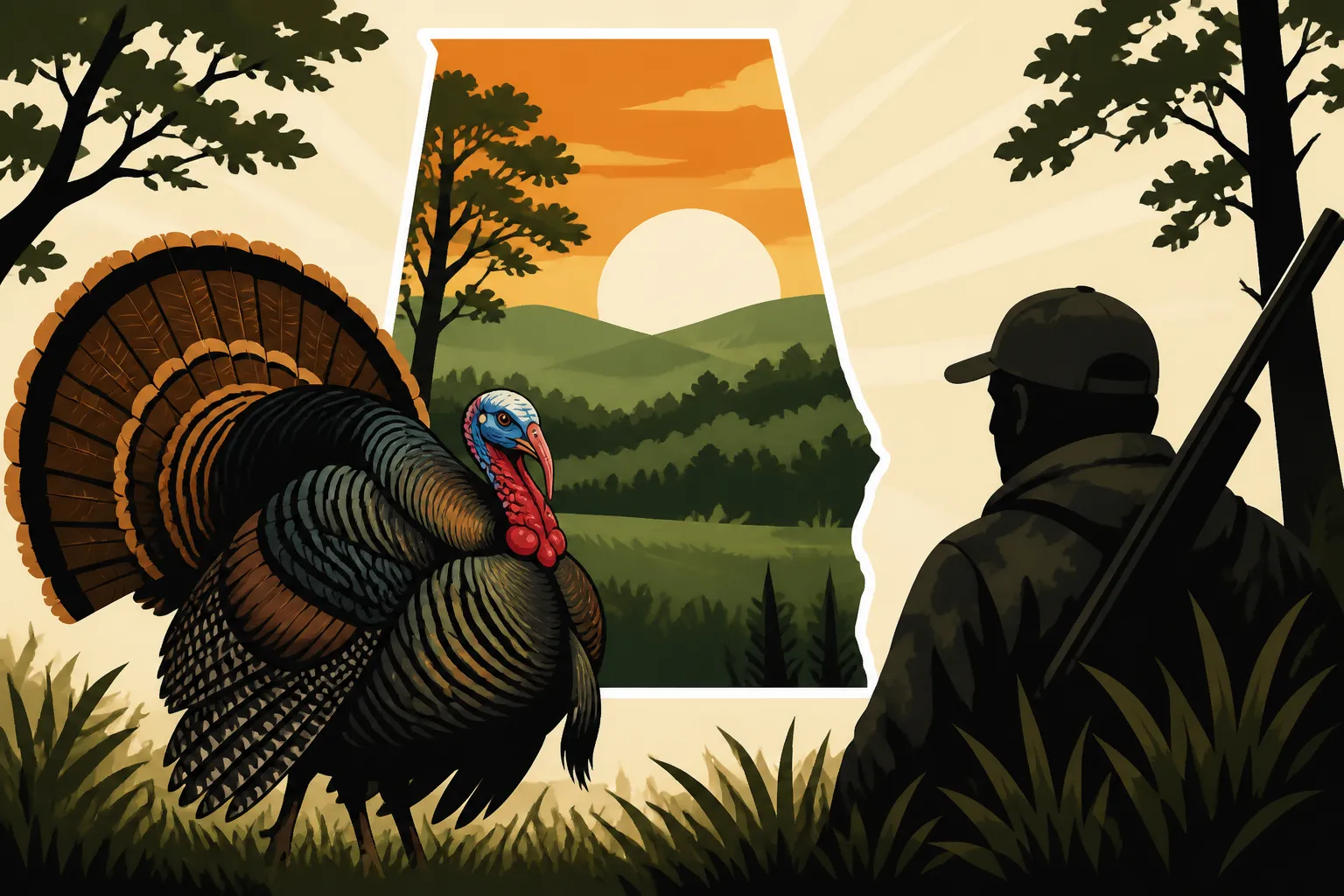
Finding a gobbler on Alabama's public lands can feel like searching for a needle in a haystack, especially when facing hunting pressure and vast, unfamiliar territories. Many hunters get discouraged, bouncing from one spot to another without a clear strategy. This comprehensive guide will walk you through the best public ground in Alabama for chasing wild turkeys, offering practical advice and detailing key areas where you can increase your chances of calling in a wary tom.
Understanding Alabama's Turkey Landscape on Public Land
Alabama offers a wealth of public hunting opportunities, but successfully hunting turkeys on these lands requires a deeper understanding of both the birds and the environment. It's not just about showing up; it's about knowing where to go, what to look for, and how to adapt to the unique challenges of public ground.
Why Public Land Turkey Hunting is a Challenge and Why It's Worth It
Let's be real: public land turkey hunting in Alabama is often a completely different ballgame than hunting private, managed lands. The biggest hurdle, hands down, is pressure. You're not just competing with other gobblers; you're competing with other hunters, especially during the early season and on weekends. This pressure can make birds incredibly tight-lipped and wary, forcing you to adjust your tactics and often push deeper into areas others overlook. It's frustrating to hear a distant gobble, only to have another hunter walk right under your setup.
However, the reward is immense. There's a profound satisfaction that comes from outsmarting a public land gobbler, knowing you earned that bird against the odds. It builds character, sharpens your skills, and forces you to become a better woodsman. Plus, the sheer beauty and wildness of Alabama's national forests and wildlife management areas (WMAs) offer an experience unmatched by manicured private properties. You'll encounter diverse landscapes, from the rolling hills of the Piedmont to the deep river bottoms, each presenting its own challenges and rewards. It's about the adventure as much as the harvest.
Key Habitat Features for Alabama Gobblers
Turkeys are creatures of habit, and understanding their preferred habitat is your first step to success on public land. Alabama's turkeys thrive in diverse ecosystems, but certain features consistently draw them in. Look for areas with a mosaic of mature timber, particularly hardwoods like oaks and hickories, which provide crucial roosting sites and forage for acorns. These mature forests should ideally be interspersed with younger pine plantations, clear-cuts, or open fields. The younger growth offers thick cover for nesting hens and poults, as well as insects and soft mast for feeding. Clear-cuts, once they start to regenerate, can be phenomenal for strutting and feeding, offering both visibility and security.
Water sources are also critical. Creek bottoms, sloughs, and small ponds not only provide drinking water but also attract insects and amphibians, a vital food source. Areas where these different habitat types converge often create natural travel corridors and congregation points for turkeys. A ridge leading down to a creek bottom, bordered by mature oaks on one side and a regenerating clear-cut on the other, is a prime example of a turkey magnet. Remember, turkeys need food, water, cover, and roosting sites, and the best public lands will offer all of these in close proximity.
Top Public Land Areas for Alabama Turkey Hunters
While many public areas hold turkeys, some stand out for their consistent populations and the sheer amount of habitat available. Knowing which areas to focus your efforts on can save you valuable time and boot leather.
National Forests: Bankhead, Talladega, and Conecuh
Alabama's National Forests are vast, rugged, and offer some of the most challenging yet rewarding turkey hunting experiences. They represent huge tracts of largely unbroken habitat, meaning less road access and more opportunity to get away from the crowds if you're willing to walk.
-
William B. Bankhead National Forest: Located in northwest Alabama, Bankhead is known for its rugged terrain, deep gorges, and abundant hardwoods. This area offers incredible beauty and a chance to truly get away from it all. Turkeys here tend to be spread out, requiring a lot of scouting and walking. Look for birds along the steeper ridges in the early mornings, as they'll often pitch down into the creek bottoms or logging roads to feed. The Black Warrior WMA, which is within Bankhead, is a popular spot, but the larger forest boundaries offer room to roam. The key here is patience and persistence; these birds don't come easy. Consider looking for areas with a mix of pine and hardwood timber, as well as creek drainages. Where Bankhead Forest Bucks Bed can give you an idea of the terrain, which applies to turkeys too.
-
Talladega National Forest: Divided into multiple districts across central Alabama, the Talladega National Forest offers varied terrain from rolling hills to steeper mountainsides. The Oakmulgee District, in particular, is often noted for its diverse habitat and solid turkey numbers. Turkeys here will utilize the pine plantations, but you'll often find them favoring the hardwood drainages and ridge tops. Again, getting off the beaten path is crucial. Hunting the Talladega Division for Turkey provides more specific insight into this region. Scouting for old logging roads and clearings where birds might strut is a good strategy.
-
Conecuh National Forest: Down in south Alabama, Conecuh National Forest is characterized by its longleaf pine ecosystems, interspersed with swamps and hardwood bottoms. Turkey hunting here offers a different flavor, often requiring different tactics due to the flatter terrain and denser palmetto thickets. Birds here can be equally wary, and understanding their movement patterns in this unique environment is key. Seek out areas near cypress sloughs or where longleaf stands transition into denser hardwoods. The Conecuh County Public Land Access can be a great starting point for exploration.
When hunting any of these national forests, comprehensive mapping tools like onX Hunt are invaluable. They allow you to identify remote areas, understand topo lines for travel routes, and mark potential roosting sites or feeding areas from home, saving you countless hours in the field.
Wildlife Management Areas (WMAs) with Strong Turkey Populations
Alabama's Wildlife Management Areas are managed specifically for wildlife and hunting, often resulting in denser game populations, including turkeys. However, this also means they can see more pressure.
-
Barbour Wildlife Management Area: Located in southeast Alabama, Barbour WMA is often cited as a prime location for turkeys. It boasts excellent habitat, a mix of mature timber, and managed fields, making it a favorite for many hunters. While popular, its size allows for opportunities if you're willing to walk and scout thoroughly. The terrain is generally less rugged than the national forests, which can make for easier access.
-
Skyline Wildlife Management Area: Up in north Alabama, Skyline WMA is another highly regarded turkey spot. Its mountainous terrain, hardwood ridges, and creek drainages provide ideal turkey habitat. The challenges here are similar to the national forests – steep climbs and expansive woods – but the reward can be significant. Listening for distant gobblers from a high ridge at first light is a classic Skyline tactic. Hunting Skyline's Sand Mountain Ridgelines can offer insights into the unique terrain and how to approach it.
-
Choccolocco Wildlife Management Area: Nestled in the Talladega Mountains, Choccolocco WMA offers rugged, beautiful terrain and good turkey numbers. Like the national forests, you'll need to put in the legwork here. Focus on areas with a good mix of timber types and look for signs of feeding or strutting. This WMA can be a bit of a challenge, but the experience is truly immersive. For specific access points and hunting nuances, checking out Choccolocco WMA Turkey Hunting Access is highly recommended.
-
Coosa Wildlife Management Area: Situated in central Alabama, Coosa WMA offers a mix of pines and hardwoods, with plenty of creek systems. It can be a sleeper hit for turkeys if you scout it well and find areas that aren't pounded by other hunters. Look for the less accessible corners, away from main roads and popular parking areas.
Success on WMAs often hinges on being there during the week when pressure is lower, or by hiking deeper than most hunters are willing to go. Utilizing detailed maps, especially a quality app like GoHunt, to identify sanctuary areas or difficult-to-access pockets can make all the difference.
Scouting and Strategy for Public Land Gobblers
Finding success on public land isn't just about showing up; it's about being prepared and strategic. The most effective public land turkey hunters are diligent scouts and adaptable callers.
Pre-Season Scouting Without Pressure
The work for public land turkeys often begins long before opening day. Pre-season scouting, done correctly, can be your biggest advantage. Start by poring over topo maps and aerial imagery. Identify potential roosting areas (tall, mature trees along ridges or near water), open strutting zones (logging roads, old fields, thinned timber), and travel corridors (ridge lines, creek bottoms). Look for areas that are difficult to access, perhaps requiring a longer walk, as these often hold less pressured birds.
Once you have some target areas, hit the woods. Don't call or carry a gun during pre-season scouting. Instead, focus on finding physical sign: tracks, droppings, shed feathers, and strut marks. Listen for distant gobblers at dawn and dusk. Pay attention to how turkeys move through the terrain, their entry and exit points, and where they seem to spend their mornings. This boots-on-the-ground intelligence is irreplaceable. You can use mapping applications, like onX Hunt, to mark every piece of sign, every potential roost, and every good setup location. This digital journal becomes a powerful tool for developing your hunting strategy. Also, consider the timing of your scouting; Turkey Tactics for Black Belt Field Edges might be useful if you're scouting near fields, even if it's not strictly a Black Belt WMA.
In-Season Tactics for Challenging Birds
Once the season opens, public land turkeys often become incredibly smart and quiet. Aggressive calling that might work on private land can spook these pressured birds. Your tactics need to be subtle and patient.
-
Roost Hunting: This is often your best bet for a public land gobbler. Get into position well before first light, as close as you dare to a known roost, without spooking the birds flying up or down. Listen intently for fly-down cackles and soft tree yelps. Once a bird pitches down, use minimal calling – a soft tree yelp or cluck to let him know you're there. If he responds, don't overcall. Let him come looking. When Calling an Alabama Gobbler Off the Roost, patience is paramount.
-
Run-and-Gun (with caution): For birds that are silent on the roost or have moved off, a modified run-and-gun approach can work. Move quietly through likely habitat, stopping frequently to call from strategic positions, such as ridge tops or points overlooking drainages. Listen for shock gobblers, or visual cues like strut marks. Don't set up in the wide open; always position yourself with good cover and a clear shooting lane. When a bird gobbles, assess his direction and try to get ahead of him or cut him off, using terrain to your advantage. Run-and-Gun Turkey Tactics on Public Land can provide more detail on this strategy.
-
Setting Up and Patience: Once you get a response, resist the urge to move too much. Find a good tree or brush pile for cover, settle in, and let the calling do the work. Pressured birds will often circle, trying to pinpoint the source of the call without exposing themselves. Be prepared for them to come in silent from an unexpected direction. Decoys can be effective, especially a lone hen or a jake and hen, but always be mindful of Decoy Timing Under Alabama's Ten-Day Rule and safety when using them on public land.
Gear and Technology for Public Land Success
Having the right gear and knowing how to use modern technology can significantly boost your public land turkey hunting success, helping you navigate, scout, and stay mobile.
Essential Equipment for Mobile Turkey Hunters
Public land often means covering a lot of ground, so your gear needs to be efficient, durable, and lightweight.
- Calls: A variety of calls is crucial. A mouth call (diaphragm) allows hands-free calling when a bird is close. Slate or pot calls offer versatility and realism for softer calls. A box call can reach out and locate distant birds. Practice with all of them until you're proficient.
- Camouflage: Full camo, head to toe, is non-negotiable. Break up your silhouette and choose patterns that match Alabama's spring woods. Don't forget a face mask and gloves.
- Footwear: Comfortable, waterproof boots are essential. You'll be covering miles over varied terrain, so invest in quality.
- Vest/Pack: A dedicated turkey vest with plenty of pockets keeps your calls, shells, water, and snacks organized and accessible. Alternatively, a small, comfortable daypack can work, especially if you prefer to carry fewer items.
- Optics: Binoculars are great for spotting subtle movement or identifying distant birds, especially if you're hunting more open areas like clear-cuts or fields.
- Shotgun/Ammunition: A reliable shotgun patterned tightly with turkey loads designed for long-range performance is key.
- Water and Snacks: Hydration and fuel are vital for long days of walking and sitting.
| Item | Purpose | Key Feature for Public Land |
|---|---|---|
| Mouth Calls | Hands-free calling, versatile sounds | Stealth, quick adjustments |
| Slate/Pot Calls | Realistic hen sounds, soft to loud | Versatility, realism |
| Box Call | Loud locator calls, easy to use | Reaching distant birds |
| Full Camouflage | Breaking up silhouette, concealment | Blending into diverse habitat |
| Waterproof Boots | Comfort, protection from elements | Long walks, wet terrain |
| Turkey Vest/Pack | Organization, carrying essentials | Quick access, mobility |
| Binoculars | Scouting, identifying distant movement | Early spotting, minimizing movement |
| Water Bottle | Hydration | Endurance for long hunts |
Using Mapping Apps to Gain an Edge
In today's hunting world, mapping apps are arguably the most powerful tool a public land turkey hunter can carry. Services like onX Hunt and GoHunt provide a wealth of information that can transform your strategy.
- Boundary Lines: Instantly see public and private land boundaries, preventing accidental trespassing and helping you identify hidden public access points. This is especially critical in areas where public and private parcels are intermingled.
- Topography and Satellite Imagery: Study the terrain in detail. Identify ridge lines, creek drainages, saddles, and benches where turkeys are likely to travel or roost. Satellite imagery helps you discern timber types, clear-cuts, and open areas. This allows you to plan your approach routes, identify potential ambush points, and avoid busted setups.
- Waypoints and Tracking: Mark roost sites, gobble locations, strut zones, droppings, and potential setup spots. Track your movements to understand how much ground you've covered and where you've been. This data is invaluable for pattern recognition and refining your strategy over multiple hunts.
- Offline Maps: Most public land in Alabama doesn't have reliable cell service. Ensure you download offline maps of your hunting area before you head out. This way, you'll always have navigation and critical information, even deep in the wilderness.
- Identifying Access Points: Use these apps to find obscure forest roads, logging trails, or forgotten public access points that might lead to less pressured areas. Often, the farther you walk from a road, the better your chances of finding an unpressured bird. For public lands near cities, Finding Access Near Birmingham or Finding Access Near Montgomery might be of interest to scout for smaller, overlooked areas.
These digital tools empower you to be a more effective and safer public land hunter. They allow for smarter scouting, more confident navigation, and a more precise understanding of the ground you're covering. They truly help level the playing field, making even the most challenging public land turkeys a more achievable goal.
Disclaimer
This article is for general informational purposes only and does not constitute professional advice. Laws, prices and regulations vary by location and change over time. Consult a qualified professional for guidance on your specific situation.