Hunting Deer After a Cold Front
Cold fronts in Alabama trigger daytime deer movement and feeding behavior as falling temperatures increase calorie needs.
Close the distance.
Archery, muzzleloader, and firearm techniques — calling, stand placement, still-hunting, spot-and-stalk, and the weapon rules that change at the state line.
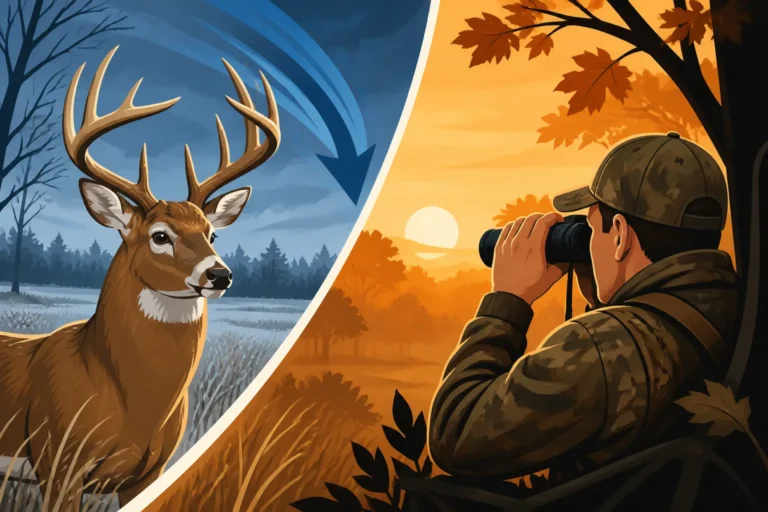
Cold fronts in Alabama trigger daytime deer movement and feeding behavior as falling temperatures increase calorie needs.
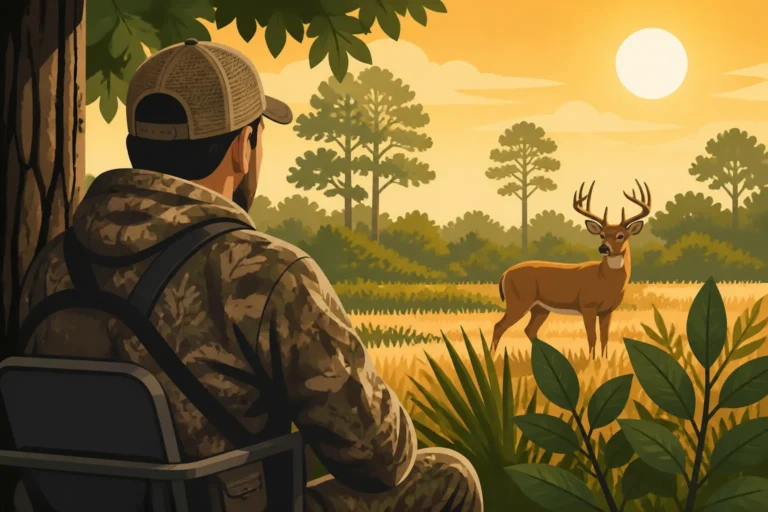
Alabama deer hunting in warm weather requires specific sitting strategies to track mature whitetail behavior during unseasonably hot days.
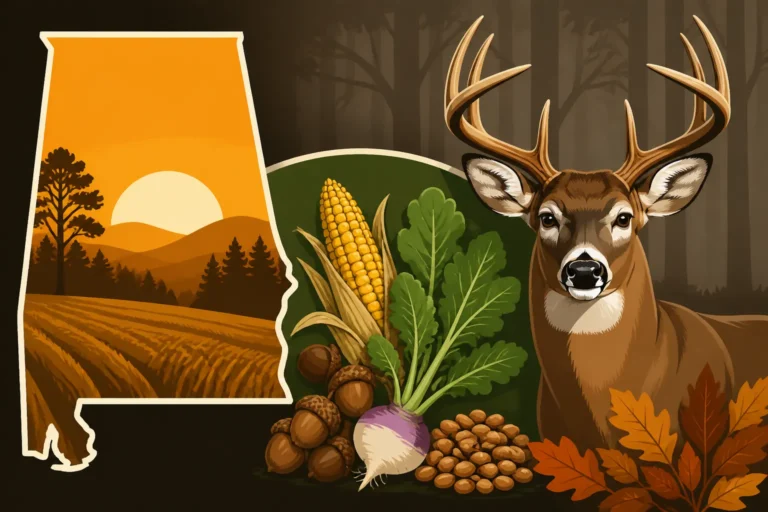
Late-season Alabama whitetails need high-energy food sources to survive winter, recover from the rut, and maintain core body temperature.
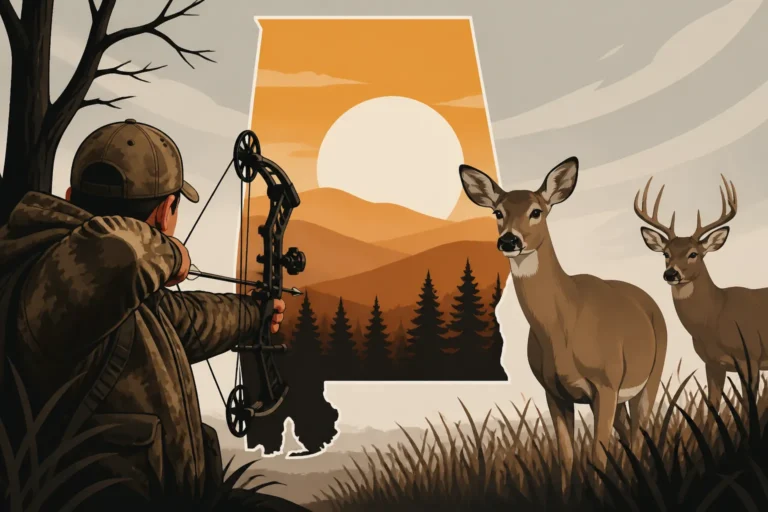
Alabama hunters can use the late February either-sex window to harvest antlerless deer and manage herd health across five distinct zones.
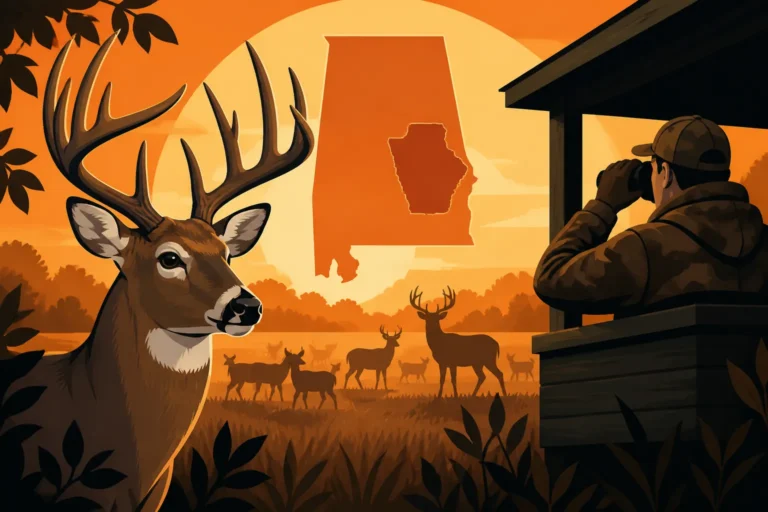
Alabama deer season opening weekend crowds on public land require advanced scouting and strategies for navigating hunting pressure.
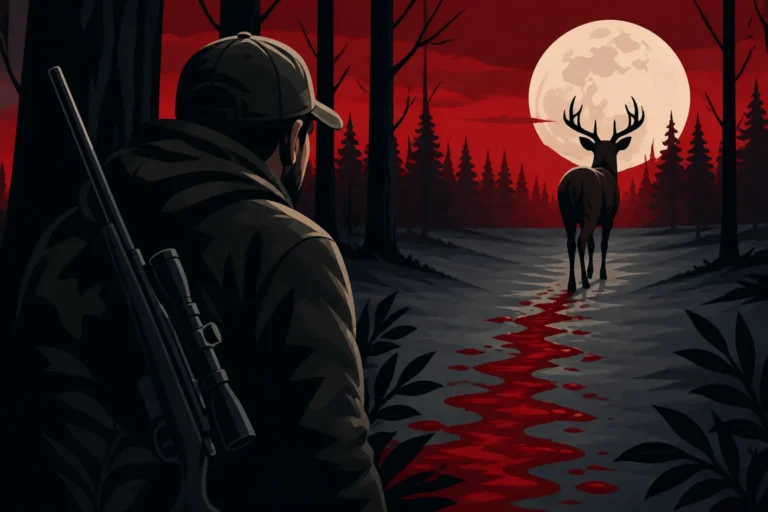
Alabama hunters tracking wounded deer after dusk use high-lumen flashlights, proper gear, and careful methods to recover game at night.
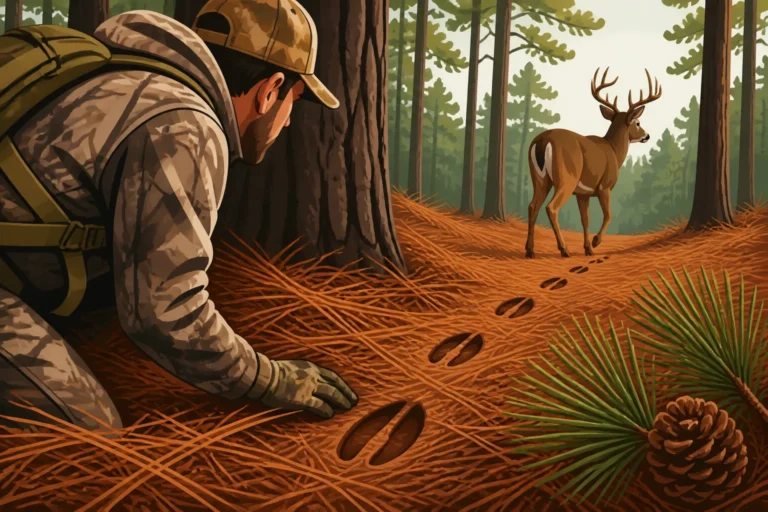
Tracking a wounded deer through Alabama pine straw requires specific waiting times, marked impact sites, and careful recovery methods.
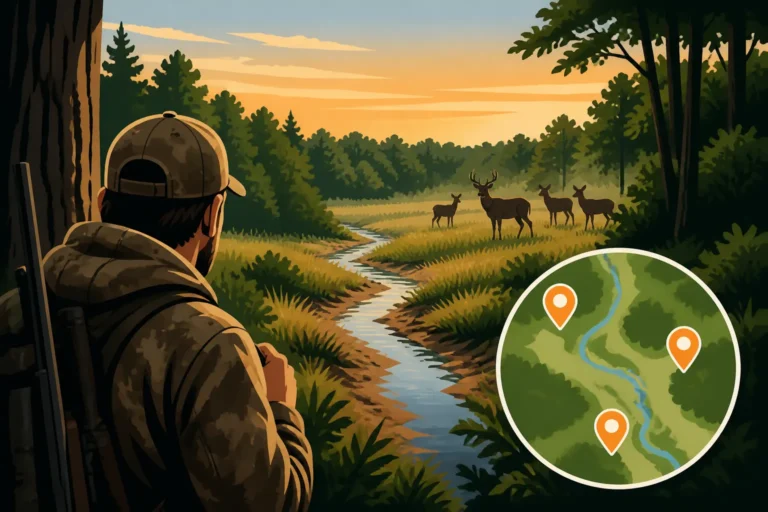
Posting a deer drive around an Alabama creek bottom requires optimal team placement and understanding deer behavior in dense cover.
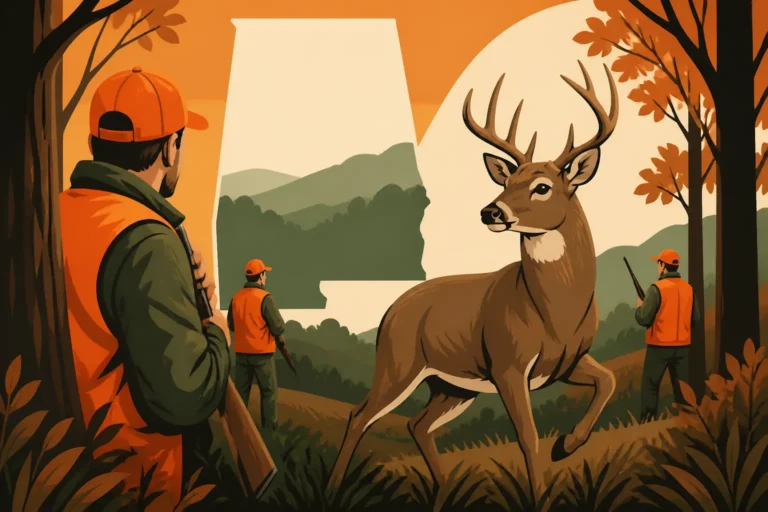
Small-group deer drives with three or four Alabama hunters explain how to organize precise tactics in thick creek bottoms and pine plantations.
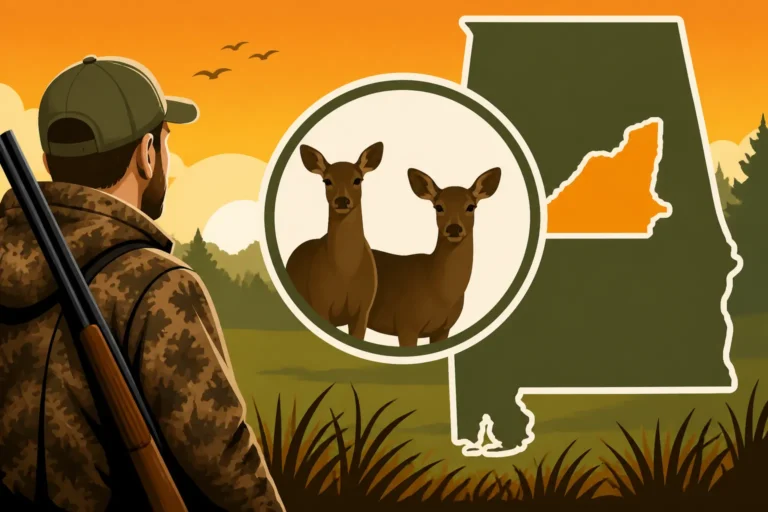
Filling two unantlered deer tags in Alabama’s Zone A, where the either-sex gun season allows two unantlered deer per day and taking does helps balance the herd.