Why Red Wolves Vanished From Alabama
Red wolf history in Alabama explains the disappearance of these forty-five to eighty pound predators through human expansion and habitat loss.
Know what you’re after.
Big game, small game, upland birds, and waterfowl — identification, behavior, rut and migration timing, and how each species moves through the season.
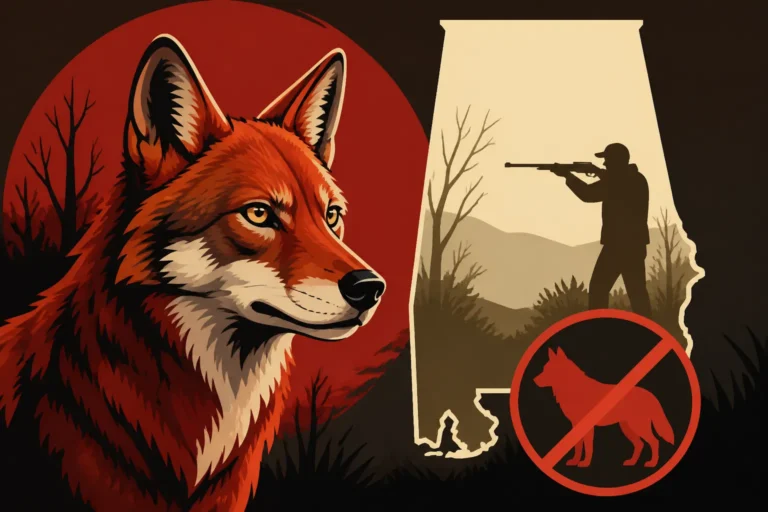
Red wolf history in Alabama explains the disappearance of these forty-five to eighty pound predators through human expansion and habitat loss.
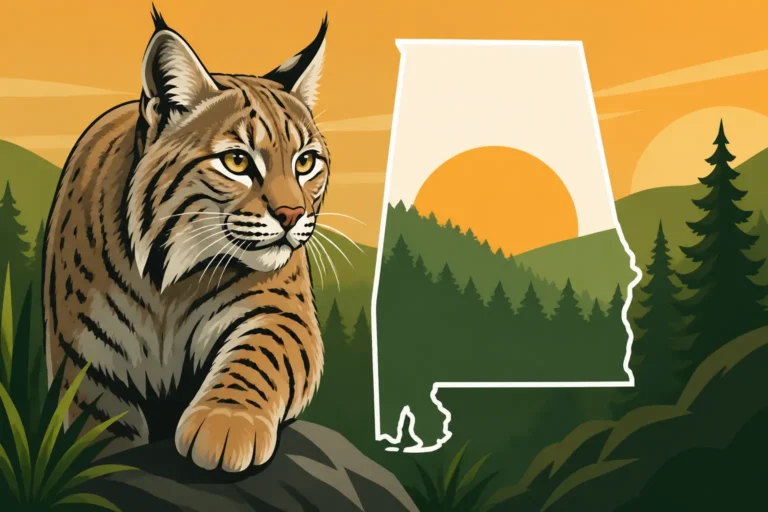
Alabama bobcat populations are rebounding across the state, showing growing numbers in Sumter, Greene, Marengo, Wilcox, and Dallas counties.
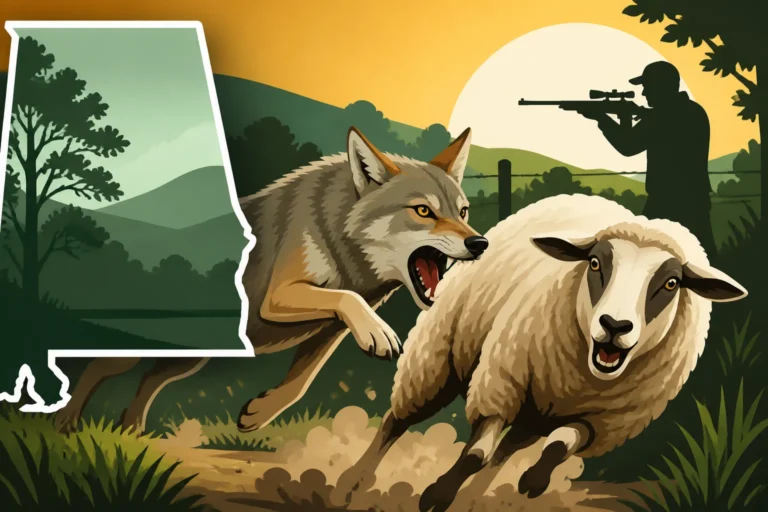
Alabama coyote attacks on livestock threaten farms, but owners can identify bite marks, tracks, and vulnerabilities to protect animals.
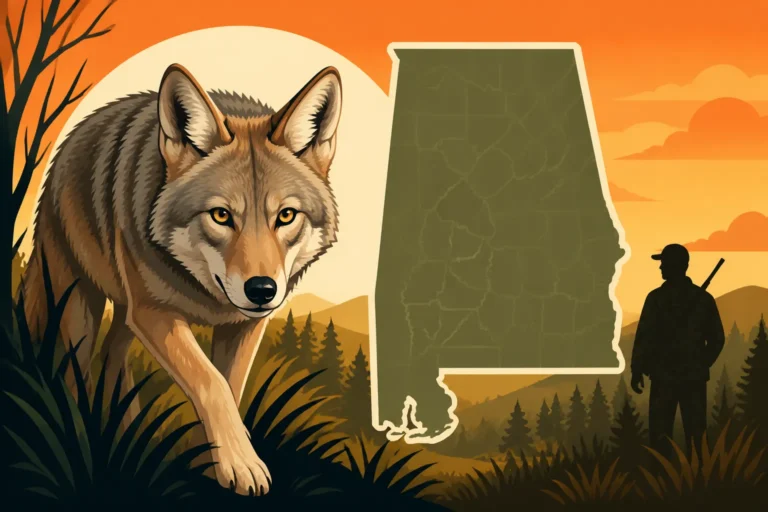
Alabama coyote populations expanded eastward from western states, with first scattered reports appearing in western counties during the late 1960s.
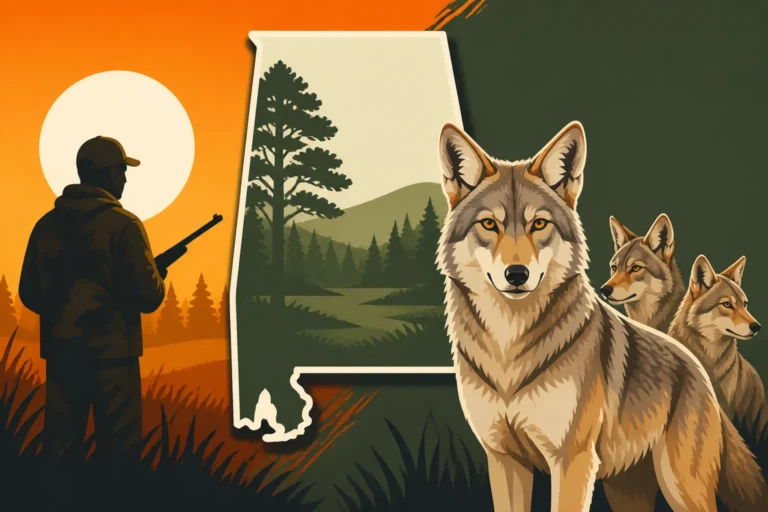
Alabama coyote population numbers remain impossible to count exactly, but biologists use scent surveys and trail cameras to track trends.
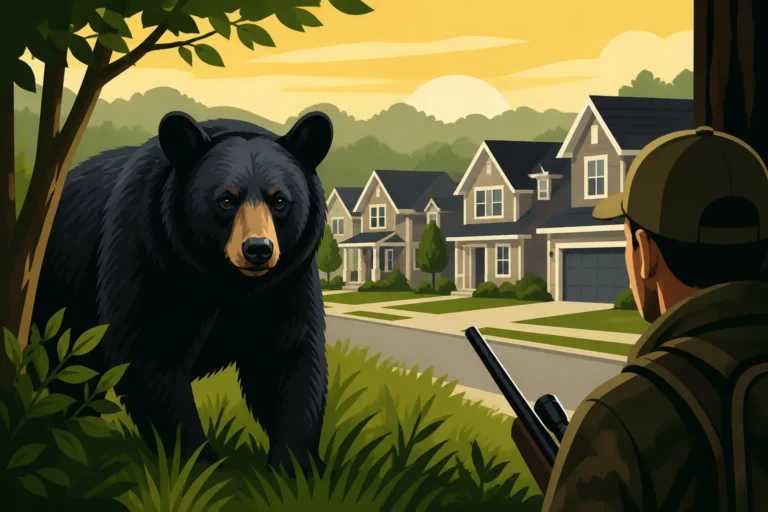
Black bear population recovery in North Alabama explains why animals enter suburbs and how residents can coexist safely.

Alabama black bear populations remain fully protected by state law due to historical population declines and ongoing recovery efforts.
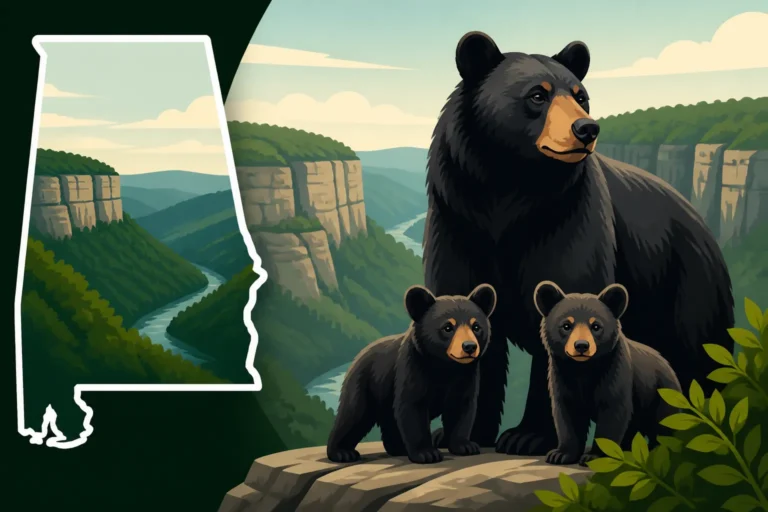
Black bears returning to Little River Canyon in northeastern Alabama establish a resilient population through natural recolonization.
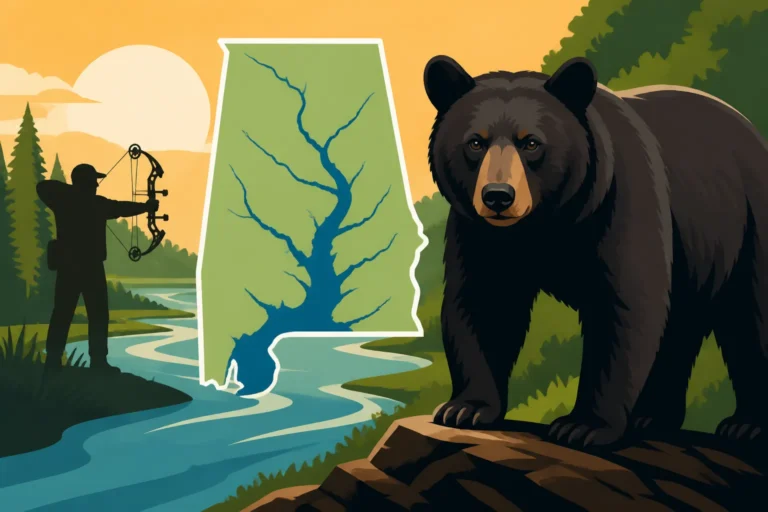
Alabama black bears in the Mobile River Basin rely on unique swamp ecosystems and face strict protection under state laws.
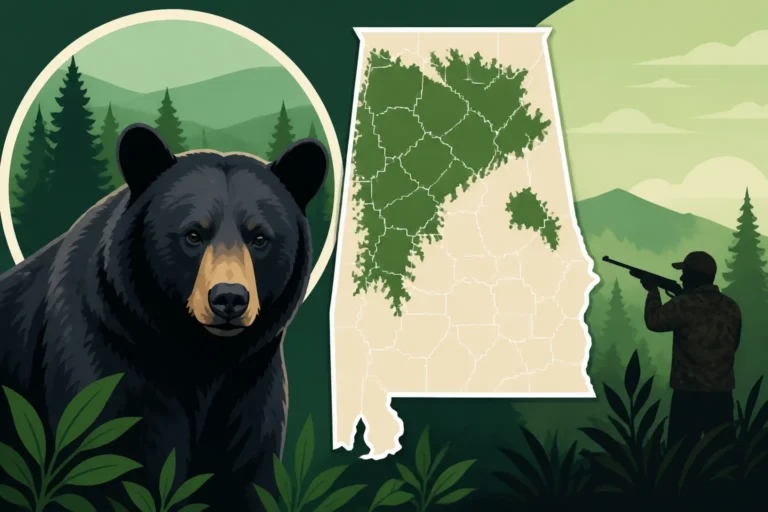
Alabama black bear populations live primarily in two distinct regions: the Mobile River Basin swamps and northeast canyons.